
Sauces & Condiments
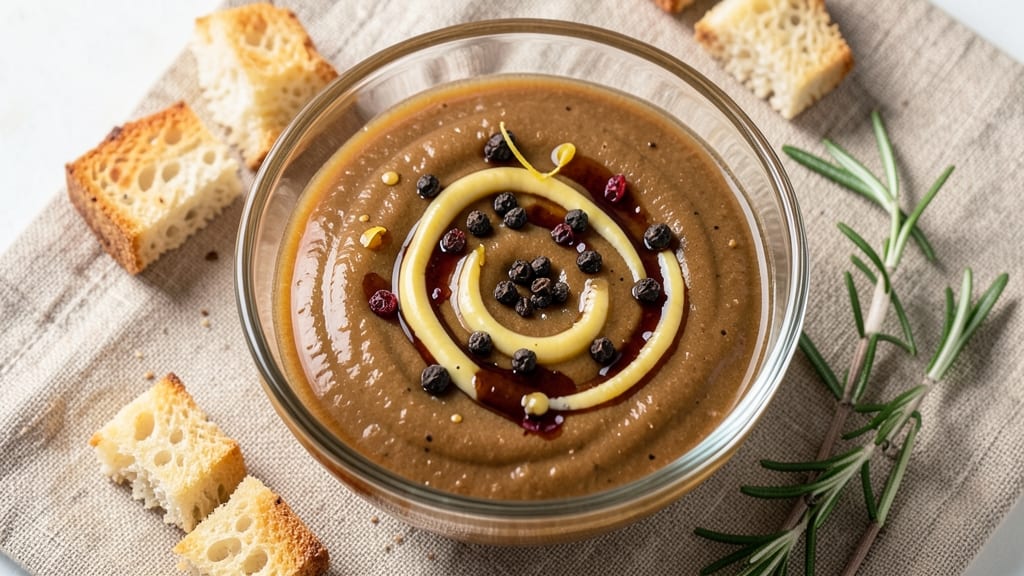
This basic balsamic vinaigrette salad dressing recipe transforms simple salads into restaurant-quality meals with just five ingredients and five minutes of prep. The perfect balance of tangy balsamic vinegar and rich olive oil creates a dressing that enhances every bite without overpowering delicate greens or robust vegetables.
I developed this recipe after years of testing—it’s the one I reach for again and again because it’s foolproof, versatile, and requires no special skills.
The secret lies in the ratio: 3 parts oil to 1 part vinegar, with a touch of Dijon mustard for emulsification and a pinch of salt to round out the flavors. This simple formula works as a marinade, drizzle for grilled meats, or finishing touch for roasted vegetables.
The acidity brightens bitter greens while the olive oil adds a luxurious mouthfeel, making it ideal for everything from crisp romaine to hearty kale salads.
What makes this vinaigrette stand out is its adaptability—customize it with fresh herbs like thyme or rosemary, a splash of honey for sweetness, or a dash of smoked paprika for depth.
The dressing keeps well in the fridge for up to a week, so you can make a batch ahead and have it ready for impromptu meals. No fancy tools or techniques are needed—just shake, taste, and adjust.
Whether you’re dressing a quick lunch salad or elevating a dinner plate, this 5-ingredient balsamic vinaigrette delivers professional results with minimal effort. Let’s get started—your salads will never be the same.
Ingredients for basic balsamic vinaigrette salad dressing
Five ingredients, zero fuss—this vinaigrette turns basic salads into restaurant-worthy bites every time.
| Ingredient | Amount | Notes |
|---|---|---|
| Extra-Virgin Olive Oil 🫒 | ¾ cup | High-quality, fruity, and peppery |
| Balsamic Vinegar 🍷 | ¼ cup | Aged, not the sweetened kind |
| Dijon Mustard 🌶️ | 1 tbsp | Whole grain preferred for texture |
| Freshly Ground Black Pepper 🌶️ | ¼ tsp | Freshly cracked for best flavor |
| Diamond Crystal Kosher Salt 🧂 | ½ tsp | Fine grain for even dissolving |
The olive oil is your foundation—California Avocado or Colavita brands have that perfect fruity punch. Balsamic vinegar? Aged for 25 years or more from Balestra or Giusti gives that deep, complex flavor. Dijon mustard isn't just flavor—it's the emulsifier that keeps your dressing from separating. I grab mine from Whole Foods bulk section because it's cheaper and fresher than those tiny jars. Freshly cracked black pepper makes all the difference—pre-ground loses its zip fast. If you're using a pepper grinder, crack it right before mixing.
No Dijon? Whole-grain mustard works too—just add a splash of water to thin it out. Short on aged balsamic? White balsamic vinegar at double the amount gives a lighter touch. The salt is non-negotiable—Diamond Crystal dissolves perfectly, but Morton kosher works in a pinch. Olive oil alternatives? Avocado oil has a higher smoke point if you're using this as a marinade. For extra depth, add a garlic clove minced or 1 tsp honey substitute (maple syrup)—just taste as you go.
This dressing keeps for up to 1 week in the fridge, but the flavor actually improves after the first day as everything mellows. Store it in a glass jar with a tight seal—plastic can absorb odors. I like to make a big batch on Sundays so I always have it ready. Give it a good shake before each use—it'll separate slightly, but the mustard brings it back together. For leftovers, add a splash of water to thin it out if it gets too thick.
Why You'll Love This Recipe
- Here’s what sold me: that first bite of crisp greens with the dressing clinging just right—salty, peppery, with a deep, caramelized balsamic finish. The Dijon mustard cuts through the richness, so it’s never cloying. (Yes, even on a Tuesday night.)
- Just 4 Ingredients: I keep a bottle of this in my fridge at all times—no fancy ingredients, no stress. Toss in olive oil, balsamic, a pinch of salt, and a swirl of Dijon, then shake. That’s it. No measuring cups, no waiting, no second-guessing.
- Tangy-Sweet Magic: Here’s what sold me: that first bite of crisp greens with the dressing clinging just right—salty, peppery, with a deep, caramelized balsamic finish. The Dijon mustard cuts through the richness, so it’s never cloying. (Yes, even on a Tuesday night.)
- Works Everywhere: I use this on summer salads, as a marinade for grilled chicken, even drizzled over roasted potatoes. It’s my go-to for lunchboxes, dinner parties, or when I’m too tired to think. Honestly, I’ve lost count of how many ways I’ve repurposed it.
Step-by-step instructions for balanced balsamic vinaigrette
Here's how to create a perfectly balanced dressing with just five ingredients and simple technique.
Whisk Together the Base Ingredients
In a medium bowl, combine the 0.75 cup extra-virgin olive oil and 0.25 cup aged balsamic vinegar. Start by whisking gently to emulsify the ingredients—this prevents separation later. I like to use a fork first to break up any oil pools, then switch to a whisk for thorough mixing.
The key here is patience. Let the mixture sit for 1-2 minutes while you whisk continuously. You'll notice the vinegar begins to incorporate into the oil rather than sitting on top. This initial emulsification sets the foundation for a stable dressing that won't separate in your salad bowl.
Incorporate the Dijon Mustard
Add the 1 tablespoon Dijon mustard to the oil-vinegar mixture. The mustard acts as an emulsifier, helping to bind the oil and vinegar together more permanently. Whisk vigorously for 30-45 seconds until the mixture thickens slightly and becomes homogeneous.
Here's where the magic happens: the mustard's acidity bridges the gap between the oil and vinegar, creating that signature creamy texture. If you notice any streaks of oil still separating, add 1 teaspoon water and whisk again—this helps stabilize the emulsion without altering the flavor profile.
Season with Salt and Pepper
Add the 0.5 teaspoon Diamond Crystal kosher salt and 0.25 teaspoon freshly ground black pepper to the mixture. Whisk for another 15-20 seconds to fully distribute the seasoning. Taste the dressing at this stage—it should be tangy with a balanced acidity, but you might need to adjust the ratio slightly.
If the dressing tastes too sharp, add 1 teaspoon more olive oil to mellow the acidity. If it's too mild, add 1 teaspoon more balsamic vinegar to intensify the flavor. The mustard and pepper should complement the vinegar's acidity without overpowering it. Remember, you can always adjust the seasoning to taste after the initial mixing.
Let It Rest for Optimal Flavor
Transfer the dressing to an airtight container and let it sit at room temperature for at least 30 minutes before using. This resting period allows the flavors to meld and the emulsion to fully stabilize. I often make my dressing the night before so it has time to develop deeper flavor profiles.
After resting, give the dressing one final stir before using. The texture should be smooth and cohesive, with no visible separation. If you do notice any separation, simply shake the container vigorously for 10-15 seconds to re-emulsify. This dressing will keep in the refrigerator for up to 1 week, maintaining its balance of flavors and texture.
Use Immediately on Salads
Drizzle the dressing over your favorite greens or vegetables just before serving. I like to toss the salad with the dressing and let it sit for 1-2 minutes before serving to allow the flavors to penetrate the leaves. The dressing should coat the greens evenly, enhancing their natural flavors without overpowering them.
This simple vinaigrette works beautifully with arugula, spinach, mixed greens, or even heartier vegetables like roasted Brussels sprouts. The balance of acidity and richness makes it versatile enough for almost any salad combination. Enjoy the simplicity of this classic dressing that elevates any salad to restaurant quality!
Pro Tips For Making Basic Balsamic Vinaigrette Salad Dressing
- STIR WELL AFTER EACH ADDITION: I learned this the hard way—adding olive oil to vinegar without stirring creates a weird, separated mess. Whisk vigorously after each ingredient (especially the mustard and salt) to emulsify properly, or you’ll end up with a dressing that splits like oil and water.
- USE AGED BALSAMIC VINEGAR: The cheap stuff tastes like vinegar. Splurge on aged balsamic (at least 10 years) for that deep, caramelized sweetness—it’s the thing that makes this dressing taste restaurant-worthy, not just functional.
- SALT THE MUSTARD FIRST: Diamond Crystal kosher salt dissolves faster when mixed into the mustard before adding liquid. This prevents clumps and ensures the mustard’s flavor integrates smoothly instead of sitting in gritty little piles.
- WHISK IN A SPLASH OF WATER: Stuck with a dressing that’s too thick? Add 1 teaspoon of water at a time while whisking—it thins the mustard and helps the oil emulsify better than vinegar alone. (Yes, even if it sounds counterintuitive.)
Creative variations of this basic balsamic vinaigrette salad dressing
Herb-Infused Twists
Fresh herbs elevate this classic dressing to new heights. Try adding 1 tablespoon finely chopped fresh thyme or 1 tablespoon fresh rosemary for an earthy Mediterranean flair. For a bright, citrusy note, mix in 1 teaspoon grated lemon zest with the mustard before whisking.
I love using flat-leaf parsley for a fresh finish—just chop 1 tablespoon and stir it in right before serving. 🌿
Sweet & Spicy Variations
For a dessert-friendly version, swap the balsamic vinegar for 1 tablespoon balsamic reduction and add 1 teaspoon honey or maple syrup. This works beautifully drizzled over grilled peaches or strawberries.
For heat lovers, add ½ teaspoon red pepper flakes or a pinch of smoked paprika—it pairs perfectly with roasted sweet potatoes or grilled corn. The key is balancing the sweetness with acidity.
Global Flavor Adaptations
Transform this dressing into a French-inspired vinaigrette by adding 1 minced garlic clove and ½ teaspoon dried tarragon. For a Middle Eastern twist, replace the Dijon with 1 teaspoon tahini and add ½ teaspoon ground cumin.
The tahini adds a nutty depth that works wonderfully with roasted eggplant or falafel. These adaptations keep the same simple structure but take your dressing on a global culinary adventure. 🗺️
Umami Boost Options
Add depth with umami-rich ingredients like 1 teaspoon soy sauce or 1 teaspoon miso paste for an Asian-inspired dressing. I also love adding 1 teaspoon fish sauce (just ½ teaspoon for a milder version) for a Southeast Asian vibe.
These additions work surprisingly well with hearty greens like kale or cabbage. Always taste as you go—umami can be powerful, so start small and adjust.
Seasonal Ingredient Swaps
In summer, brighten the dressing with 1 tablespoon fresh basil or cilantro. For fall, add ½ teaspoon ground cinnamon or nutmeg for warmth. Winter calls for 1 teaspoon grated ginger or orange zest to cut through rich holiday dishes.
These seasonal swaps keep your dressing exciting year-round while maintaining that perfect balance of acidity and richness. 🍂
Thick or Thin Adjustments
Need a thicker dressing for drizzling? Reduce the olive oil by 1 tablespoon and add 1 teaspoon water or lemon juice to maintain balance. For a thinner version perfect for tossing, add 1 tablespoon water or white wine vinegar.
I often adjust the consistency based on the salad—thicker for roasted vegetables, thinner for delicate greens. The mustard helps stabilize both textures beautifully. ✨
Nutrition facts
Frequently asked questions
Can I make this vinaigrette without Dijon mustard?
Yes! If you don't have Dijon mustard, use 1 tablespoon whole-grain mustard instead. For a milder option, add 1 teaspoon water to thin it out. The mustard is key for emulsifying, so if you skip it entirely, whisk vigorously and add 1 teaspoon honey or maple syrup to help bind the oil and vinegar. Just shake well before using.
How do I prevent my vinaigrette from separating?
Separation happens when oil and vinegar don't fully emulsify. To prevent it, whisk vigorously for at least 30-45 seconds after adding the mustard. For extra stability, add 1 teaspoon water or lemon juice while whisking. Store it in a sealed jar and shake well before each use—this dressing is designed to re-emulsify easily. Keep it refrigerated to slow down separation.
Can I use this dressing as a marinade?
This vinaigrette works wonderfully as a marinade for chicken, fish, or vegetables. Use it within 2 hours for safety, and pat proteins dry before cooking to ensure a good sear. For tougher meats like pork chops, marinate for 30-60 minutes—the acidity will tenderize them beautifully. Avoid using it on delicate fish for more than 15-20 minutes to prevent over-cooking.
What's the best way to store leftover dressing?
Store your vinaigrette in an airtight glass container in the fridge for up to 1 week. The flavors actually improve after the first day as the ingredients meld. Before using, give it a good shake—it may separate slightly, but the mustard helps it come back together. For longer storage, freeze it in 1-tablespoon portions for up to 3 months. Thaw in the fridge overnight and shake well before using.
Why does my dressing taste too sharp or too mild?
If it's too sharp, add 1 teaspoon more olive oil to mellow the acidity. For a milder taste, add 1 teaspoon more balsamic vinegar to intensify the flavor. Remember, you can always adjust the ratio to taste—this dressing is designed to be flexible! Start with small amounts and taste as you go. The mustard and salt help balance the flavors, so don't skip those even if you're adjusting the oil-to-vinegar ratio.