
Sauces & Condiments
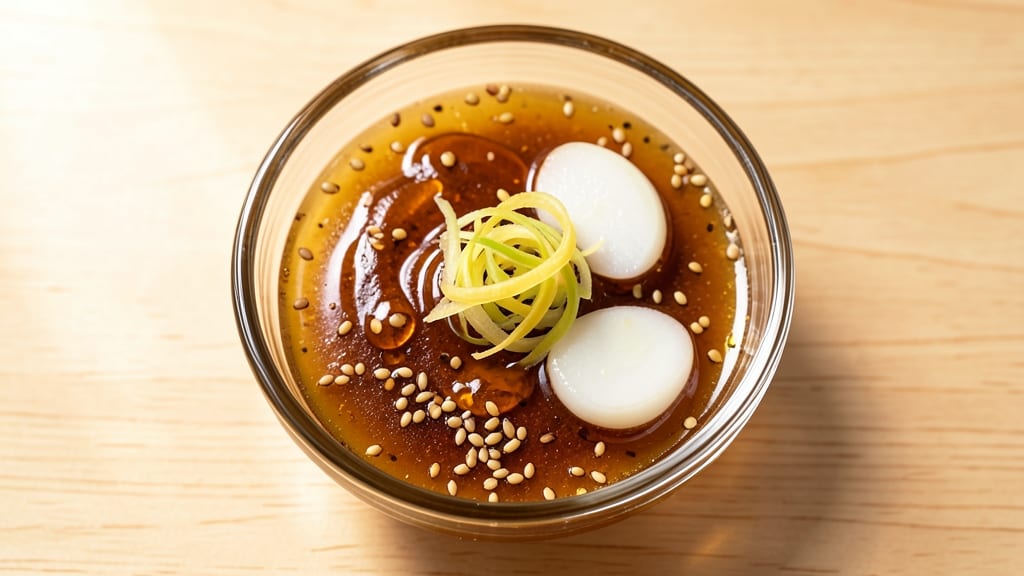
This Asian restaurant salad dressing recipe delivers that perfect umami-packed balance you crave—sweet, tangy, and savory all in one silky-smooth pour. The secret lies in balancing soy sauce, sesame oil, and a touch of honey, creating a dressing that clings to greens and noodles like your favorite takeout spot. I developed this after years of analyzing restaurant versions, and it’s the closest you’ll get to that restaurant-quality flavor at home.
What sets this dressing apart is its versatility—it works on everything from crisp Asian slaw to cold noodle bowls and even as a marinade for grilled meats. The ingredients are simple (just 6 staples), but the flavor is anything but basic.
A splash of rice vinegar brightens the richness, while fresh ginger and garlic add depth that store-bought versions can’t match. It’s the kind of dressing that transforms a simple salad into a restaurant-worthy meal.
The result is a glossy, aromatic dressing that’s rich enough to coat every bite but light enough to enhance, not overpower. The sesame seeds add a satisfying crunch, while the umami from soy and fish sauce creates that addictive savory punch.
This isn’t just a dressing—it’s a flavor multiplier that elevates any dish it touches.
Best of all, it keeps for up to a week in the fridge, making it the perfect pantry staple for quick meals. Whether you’re dressing up a fresh salad or drizzling it over steamed veggies, this recipe is your ticket to restaurant-quality flavor without the takeout price tag.
Let’s make it—your taste buds will thank you.
Ingredients for asian restaurant salad dressing
Six simple ingredients transform into that addictive umami-packed dressing you crave from takeout bowls.
| Ingredient | Amount | Notes |
|---|---|---|
| Soy Sauce 🍶 | ½ cup | Light or dark, your choice |
| Sesame Oil 🫒 | ¼ cup | Toasted for authentic flavor |
| Rice Vinegar 💧 | ¼ cup | White or seasoned variety |
| Honey 🍯 | ¼ cup | Wildflower or clover preferred |
| Fresh Ginger 🌿 | 1 tbsp | Grated, vibrant color preferred |
| Garlic Cloves 🧄 | 3 cloves | Minced, fresh is essential |
| Toasted Sesame Seeds 🌾 | 1 tbsp | For crunchy texture finish |
| Fish Sauce 🐟 | 1 tsp | Red Boat brand recommended |
The soy sauce is your flavor foundation—Kikkoman or La Choy are solid choices, but any good-quality brand works. Sesame oil? Toasted sesame oil (not the lighter, neutral kind) is a must—it’s what gives that authentic nutty aroma. I always grab mine from the Asian aisle at Trader Joe's or H Mart if you’re near one. Fresh ginger and garlic are non-negotiable here—look for plump, firm ginger roots with no soft spots, and garlic bulbs that feel heavy for their size. The fish sauce adds that restaurant-quality umami punch—Red Boat is my go-to because it’s clean and flavorful, but any reputable brand will do.
No sesame oil? Toasted peanut oil at half the amount works in a pinch, though it won’t taste identical. Short on rice vinegar? Apple cider vinegar is a decent swap, but you’ll lose some of that bright, clean acidity. The honey can be swapped for maple syrup or agave if you’re avoiding it, though honey’s floral notes are perfect here. No fish sauce? Extra soy sauce plus a dash of Worcestershire gets you close, but you’ll miss that deep umami. For the sesame seeds, toasted poppy seeds add a different but nice crunch if you’re out. And if your garlic smells like vinegar, it’s past its prime—toss it.
This dressing keeps beautifully—up to a week in the fridge once mixed. I always double the batch because it disappears fast. Store it in a glass jar with a tight seal to keep the sesame oil from going rancid. Stir before each use since the seeds will settle. Freezes well too—just thaw in the fridge and give it a good shake. The flavor actually improves after sitting for a few hours, so make it ahead if you can. Trust me, your future salads will thank you.
Why You'll Love This Recipe
- Five-Ingredient Magic: I swear by this combo—just stir, taste, adjust. No fancy techniques, no stress. Honestly, I’ve made it while waiting for takeout to arrive.
- Umami Bomb: That first splash of soy sauce and sesame oil? Instant depth. The ginger adds a zing, and the honey ties it all together—sweet, salty, tangy, nutty. It’s the kind of dressing that makes you pause mid-bite.
- Salad’s Best Friend: Drizzle it over greens, toss with noodles, or use it as a marinade. I keep a jar in the fridge for when I’m craving takeout flavors but don’t want to order. Works just as well on cold cuts or grilled chicken.
- Pantry Staple Power: No last-minute grocery runs—everything’s already there. A little goes a long way, so I make big batches. Between us, this is my secret for stretching meals without breaking the bank.
Step-by-step instructions for Asian restaurant salad dressing
This dressing delivers that perfect umami-packed balance you crave in every bite.
Toast the Sesame Seeds for Nutty Depth
Heat a small dry skillet over medium heat. Add the 1 tablespoon toasted sesame seeds and toast for 1-2 minutes until they release their aroma and turn a deeper golden color. Watch closely—they burn quickly! Transfer immediately to a bowl and set aside. These seeds will add that signature crunch and nutty flavor that makes this dressing taste authentic.
Here's the thing—freshly toasted seeds make all the difference. If you skip this step, you'll miss that satisfying texture contrast when drizzled over salads or noodles. The aroma alone will signal you're on your way to restaurant-quality flavor.
Blend the Wet Ingredients Smoothly
In a blender, combine the 0.5 cup soy sauce, 0.25 cup rice vinegar, 0.25 cup honey, 1 tablespoon grated fresh ginger, and 3 minced garlic cloves. Blend on high for 15-20 seconds until completely smooth. The ginger and garlic should be fully incorporated—no visible chunks. This base creates the perfect balance of salty, tangy, sweet, and aromatic flavors that define Asian dressings.
I always taste at this stage to check the balance. It should be tangy from the vinegar, slightly sweet from the honey, and deeply savory from the soy sauce. If it tastes too sharp, add a teaspoon more honey. If it needs more depth, add another teaspoon of soy sauce. This is your flavor foundation.
Incorporate the Fish Sauce and Sesame Oil
With the blender still running, slowly drizzle in the 0.25 cup sesame oil through the feed tube. This prevents the oil from splattering everywhere. Immediately after, add the 1 teaspoon fish sauce and blend for another 10 seconds until fully emulsified. The dressing should have a velvety, slightly thick consistency—like liquid silk.
This is where the magic happens. The fish sauce adds that unmistakable umami punch that makes this dressing taste authentic. The sesame oil carries all those wonderful aromas while adding richness. If the dressing looks separated, blend for another 5 seconds—it should come together smoothly.
Finish with Toasted Sesame Seeds
Transfer the dressing to a clean jar or bowl. Stir in the toasted sesame seeds using a whisk or spoon. You want them evenly distributed throughout the dressing. The seeds should be visible but not clumped together. This final step adds that essential crunchy texture that makes this dressing taste like it came straight from an Asian restaurant.
Let the dressing sit at room temperature for 10 minutes before using. This allows all the flavors to meld together perfectly. The seeds will settle slightly, but that's normal—they'll redistribute when you shake it before using. Store any leftovers in the refrigerator for up to 2 weeks, shaking well before each use.
Adjust to Perfection
Taste the dressing immediately and adjust as needed. For more tang, add 1 teaspoon rice vinegar. For extra sweetness, add 1 teaspoon honey. Need more umami? Add ½ teaspoon fish sauce. The beauty of this dressing is how easily it can be customized to suit your taste.
This dressing works beautifully on anything—salads, noodles, grilled meats, or even as a marinade. The perfect balance of flavors will elevate your dishes to restaurant-quality in minutes. And remember, the secret to great Asian dressings is always in the balance—sweet, salty, tangy, and umami working together in harmony.
Pro Tips For Making Asian Restaurant Salad Dressing
- Warm the Honey: Drizzle that honey over warm ginger instead of cold—it blends smoother and cuts the sharpness. I used to toss it in raw and end up with a clumpy mess every time.
- Toast the Ginger: Lightly fry the grated ginger in a dry pan for 30 seconds until fragrant—it deepens the flavor without burning. Skip this, and your dressing tastes flat.
- Whisk in Stages: Start with vinegar and soy sauce, then add honey, then sesame oil last—this keeps the dressing emulsified longer. Dump everything in at once, and it’ll separate like a sad soup.
- Use Toasted Sesame Oil: Grab the toasted sesame oil, not the regular kind—it’s richer and adds that nutty aroma restaurant versions have. Regular oil just tastes like a missed opportunity.
Best sauces and condiments for these flavors
Peanut Sauce Twist
Swap out the sesame oil for ¼ cup creamy peanut butter (I love Smucker's Natural) and add 1 tbsp lime juice for a Thai-inspired peanut sauce variation. Thin with 2 tbsp warm water if needed, then stir in 1 tsp sriracha for heat.
This version clings beautifully to shredded cabbage or rice noodle salads and adds a rich, nutty depth that’s perfect for Asian-inspired bowls. 🥜
Spicy Chili-Lime Dressing
For a bold, tangy kick, replace the honey with ¼ cup lime juice and add 1 tbsp gochujang (Korean chili paste) plus ½ tsp red pepper flakes. Reduce the soy sauce to ¼ cup and add 1 tsp grated lime zest for brightness.
This dressing is a game-changer for spicy tuna rolls, grilled shrimp skewers, or even drizzled over sushi rice. The heat balances the umami perfectly. 🌶️
Sweet and Tangy Mango Dressing
Transform this into a tropical version by replacing the ginger with 2 tbsp finely diced ripe mango and swapping the honey for ¼ cup mango nectar. Add 1 tsp lime zest and reduce the rice vinegar to 2 tbsp.
This dressing is incredible on summer salads with shredded carrots, cucumber, and edamame. The natural sweetness of the mango makes it a crowd-pleaser for families. 🥭
Herb-Infused Sesame Dressing
For a fresh, herbaceous twist, blend in 1 tbsp chopped cilantro and 1 tbsp chopped Thai basil at the end. Add ½ tsp fish sauce and a pinch of black pepper for depth.
This version works wonderfully with Vietnamese-style summer rolls or as a dip for spring rolls. The herbs add a bright, aromatic note that cuts through the richness of the sesame oil. 🌿
Grilled Meat Marinade
Use this dressing as a marinade for grilled chicken, pork, or tofu by adding 1 tbsp grated ginger and 1 tsp grated garlic (double the original amounts). Marinate for 30 minutes to 2 hours before grilling.
The soy and sesame flavors caramelize beautifully on the grill, creating a sticky, flavorful crust. Brush extra marinade over the meat during the last 2 minutes of cooking for maximum flavor. 🔥
Storage and Shelf Life
This dressing keeps for up to 2 weeks in the fridge when stored in an airtight glass jar. The sesame oil may separate slightly over time—just shake well before using. For longer storage, transfer to a freezer-safe container and freeze for up to 3 months.
Thaw in the fridge overnight and shake vigorously to re-emulsify. The flavor actually improves after sitting for a few hours, so making it ahead is always a good idea. ❄️
Nutrition facts
Frequently asked questions
Can I make this dressing without fish sauce?
Yes! For a vegetarian version, replace the 1 teaspoon fish sauce with 1½ teaspoons extra soy sauce plus ½ teaspoon Worcestershire sauce. You’ll lose some depth but still get that umami richness. The dressing will taste slightly different but still delicious—just add a pinch more honey if needed to balance the flavors.
How much dressing should I make for a salad?
For a standard 8-cup salad, 2-3 tablespoons of this dressing is perfect—it’s rich enough to coat greens without overwhelming them. For noodle bowls, use ¼ to ½ cup depending on how saucy you like it. The dressing thickens slightly when chilled, so start with less if you prefer a thinner consistency.
Why did my dressing separate?
Separation happens when the oil and vinegar aren’t fully emulsified. Blend again for 10-15 seconds or whisk vigorously to recombine. To prevent this, add the sesame oil slowly while blending and avoid using cold ingredients straight from the fridge. A splash of warm water (1 teaspoon) can also help bind the mixture. Stir well before each use!
What’s the best way to store leftover dressing?
Transfer to an airtight glass jar and refrigerate for up to 2 weeks. The sesame seeds may settle, so shake well before using. For longer storage, freeze for 3 months—thaw overnight in the fridge and shake vigorously to re-emulsify. Pro tip: Label with the date to track freshness.
Can I use this dressing on hot dishes?
While it’s designed for cold salads, it works beautifully on steamed veggies, grilled meats, or stir-fries. Just heat the dressing gently (low heat for 1-2 minutes) before tossing to preserve its texture. The flavors intensify when paired with warm dishes—try it on sesame-garlic chicken or crispy tofu.