
Salads
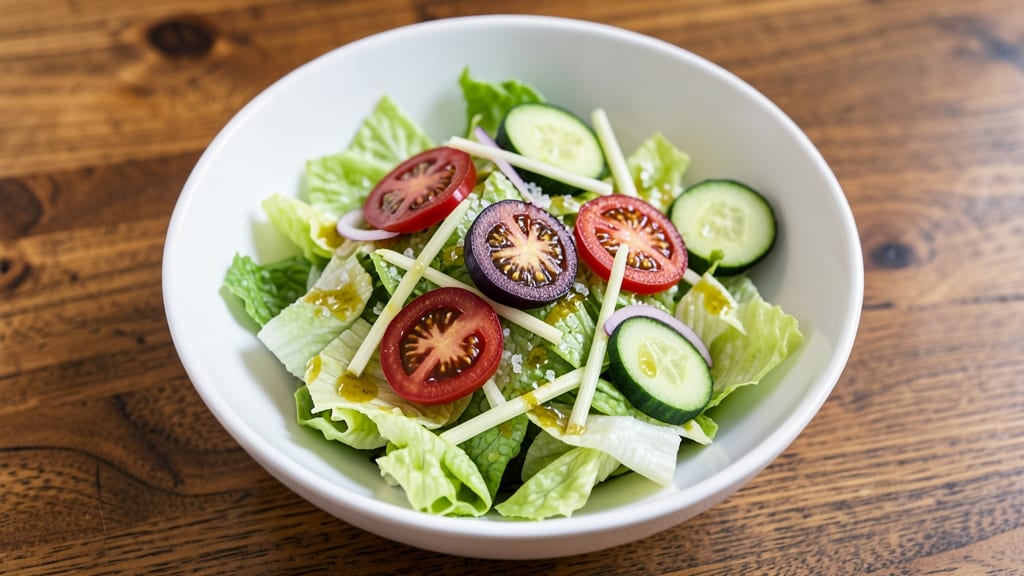
This basic garden salad recipe delivers crisp, vibrant layers of fresh vegetables and a bright lemon herb vinaigrette that transforms simple ingredients into a restaurant-quality dish. The secret lies in precise cutting techniques that preserve texture—thinly sliced celery crowns add crunch, while ripe tomatoes and cool cucumbers provide juicy contrast.
I developed this version after years of testing what makes a garden salad both refreshing and satisfying without overwhelming the natural flavors of the vegetables.
The foundation is a classic mix of crisp lettuce, juicy tomatoes, and cool cucumber, all tossed with a zesty lemon herb vinaigrette that enhances rather than masks the vegetables' natural sweetness.
What sets this recipe apart is the attention to texture—each ingredient is cut to its ideal size for maximum crunch and freshness. The dressing is made in just minutes but elevates the salad from ordinary to extraordinary.
By the time you assemble this salad, you'll have a dish that's light yet substantial, perfect for summer meals or as a side for grilled proteins. The crisp celery crowns add a satisfying crunch, while the tangy vinaigrette ties everything together.
This recipe is designed to be adaptable—add protein like grilled chicken or chickpeas for a heartier meal, or keep it vegetarian for a refreshing starter.
The plating is just as important as the ingredients. Serve the salad on a large platter with the dressing drizzled lightly over the top, allowing everyone to toss their own portions.
Garnish with fresh herbs or toasted croutons for added texture and visual appeal. This is the kind of salad that makes you look forward to eating your vegetables.
Ingredients for basic garden salad
Fresh vegetables and bright dressing transform simple ingredients into restaurant-quality garden salad.
| Ingredient | Amount | Notes |
|---|---|---|
| Iceberg Lettuce 🥬 | 6 cups | Outer leaves removed, torn into bite-sized pieces |
| Ripe Tomatoes 🍅 | 2 medium | Seedless, cut into 1/2-inch wedges |
| English Cucumbers 🥒 | 1 whole | Peeled, sliced into 1/4-inch rounds |
| Celery Stems 🧅 | 2 whole | Thinly sliced on bias for crispness |
| Red Onion 🧅 | 1 small | Thinly sliced, soaked 5 mins to mellow |
| Extra-Virgin Olive Oil 🫒 | ½ cup | High-quality, fruity variety |
| Fresh Lemon Juice 🍋 | ¼ cup | Freshly squeezed, strained |
| Dijon Mustard 🍯 | 1 tbsp | Mild variety preferred |
| Honey 🍯 | 1 tbsp | Wildflower preferred for floral notes |
| Fresh Flat-Leaf Parsley 🌿 | ¼ cup | Finely chopped, stems removed |
| Fresh Dill 🌿 | 0.15 cup | Finely chopped, for bright flavor |
| Kosher Salt 🧂 | 1 ½ tsp | Diamond Crystal preferred |
| Freshly Ground Black Pepper 🌶️ | ½ tsp | Coarsely ground |
| Toasted Walnuts 🥜 | ½ cup | Chopped, optional garnish |
The lettuce is the base—iceberg for crispness, but romaine or butter lettuce works too if you prefer heartier texture. Trader Joe's has pre-washed bags that save time, but rinse and spin-dry any lettuce to remove excess moisture. Tomatoes should be ripe but firm—check for vibrant color and slight give when squeezed. English cucumbers stay crunchier than regular ones, but if that's all you have, peel and slice thinly. Celery crowns add that signature crunch—organic celery from the store's produce section stays fresher longer. For the red onion, thinly slicing and soaking in cold water for 5 minutes mellows the bite without sacrificing color.
No Dijon mustard? Yellow mustard at half the amount works in a pinch. Short on honey? Maple syrup or agave keeps the dressing balanced. Fresh herbs are ideal, but dried parsley at one-third the amount gets you close. The olive oil matters here—California extra-virgin has the best fruity notes. For walnuts, pecans or almonds work too if you prefer a different texture. Want to make this ahead? Prep all veggies and store separately in airtight containers with paper towels to absorb moisture—assemble just before serving for maximum crunch.
Lettuce wilts fast, so store it in a sealed container with a paper towel for up to 3 days. Tomatoes and cucumbers keep 5-7 days in the fridge. The dressing stays fresh for 1 week if refrigerated in a sealed jar. For extra crunch, toast the walnuts in a dry pan over medium heat for 3-4 minutes until fragrant—3 months in the freezer if stored properly. This salad tastes even better the next day once flavors meld, so make extra for lunches.
Why You'll Love This Recipe
- Crisp in Minutes: I swear, this salad takes less time than boiling water for noodles. Toss the pre-washed lettuce, slice the cucumbers and tomatoes while they’re still cold from the fridge, and—boom—you’re done. No fancy techniques, just chopping and mixing.
- Classic Crunch Combo: That sweet-tart tomato, cool celery bite, and just-right sharpness from the red onion? It’s the perfect balance. Honestly, I’ve tried fancier salads, but this one always hits the spot—simple ingredients that actually work together.
- Lunchbox Hero: Between us, this is my go-to for work lunches. Pack it the night before, and it stays crisp (thanks, iceberg). Add a hard-boiled egg or grilled chicken if you’re feeling fancy, but even plain, it’s a solid, no-fuss meal that keeps you full.
- Budget-Friendly Staple: Iceberg and tomatoes are cheap, and a single cucumber lasts me all week. I’ll be real: I buy the biggest red onion I can find, slice it once, and store it in the fridge—it makes salads for days. Minimal cost, maximum flavor.
Step-by-step instructions for crisp garden salad assembly
This method ensures vibrant textures and balanced flavors in every bite.
Prepare the Base Vegetables with Precision
Begin by removing the outer leaves from the 6 cups Iceberg Lettuce and tearing the remaining leaves into bite-sized pieces. I like to work in sections—lay a few leaves flat and tear them away from the center to create irregular, restaurant-quality pieces. Place them in a large mixing bowl immediately to prevent wilting.
Next, handle the 2 medium Ripe Tomatoes by cutting them into ½-inch wedges, removing any seeds. The English cucumber requires more care—peel it first, then slice into ¼-inch rounds using a sharp knife. For the 2 whole Celery Stems, slice them thinly on the bias (diagonally) for maximum crispness and visual appeal. These vegetables should be added to the bowl as you prepare them to maintain freshness.
Soak and Slice the Red Onion
Place the 1 small Red Onion in a small bowl and cover it with cold water. Let it soak for 5 minutes—this simple step mellows the onion's sharpness significantly. After soaking, drain and pat dry thoroughly with paper towels. Then, slice the onion as thinly as possible using a sharp chef's knife or mandoline.
I find that slicing onions quickly and efficiently prevents them from releasing too much moisture into the salad. Add these slices to the bowl with the other vegetables, giving them a gentle toss to distribute evenly. The onion should now contribute subtle sweetness rather than overpowering bite.
Craft the Zesty Lemon Herb Vinaigrette
In a separate bowl, whisk together the 0.5 cup Extra-Virgin Olive Oil, 0.25 cup Fresh Lemon Juice, 1 tbsp Dijon Mustard, and 1 tbsp Honey. Start with just the oil and lemon juice, whisking vigorously for 30 seconds until emulsified. Then gradually add the mustard and honey while continuing to whisk.
Season with 1.5 tsp Kosher Salt and 0.5 tsp Freshly Ground Black Pepper, then stir in the 0.25 cup Fresh Flat-Leaf Parsley and 0.15 cup Fresh Dill. The vinaigrette should have a bright, tangy flavor with just a touch of sweetness from the honey. Taste and adjust the seasoning if needed—this is where the salad's character truly comes together.
Assemble and Toss the Salad
Pour the vinaigrette over the prepared vegetables in the mixing bowl. Using clean hands, gently toss everything together until the lettuce is fully coated with the dressing. Be careful not to bruise the vegetables—just enough to distribute the dressing evenly. The salad should look vibrant with the colors of all the ingredients clearly visible.
For the final touch, sprinkle the 0.5 cup Toasted Walnuts over the top just before serving. These add a satisfying crunch and nutty depth to balance the fresh, crisp vegetables. Serve immediately while the celery remains crisp and the dressing is still bright.
Pro Tips For Making Basic Garden Salad
- CHOP ONION LAST: I learned this the hard way—adding raw red onion too early makes the whole salad watery and sad. Toss it in just before serving so the sharp bite stays crisp and the dressing doesn’t turn your salad into onion soup.
- DRY LETTUCE WELL: Iceberg’s got a weird habit of clinging to moisture like it’s auditioning for a swamp tour. Spin it dry in a salad spinner or pat it with paper towels—wet lettuce turns your salad into a soggy science experiment.
- SALT CUCUMBERS BEFORE DRESSING: Sounds weird, but it works: Sprinkle a pinch of salt on sliced English cucumbers and let them sit for 5 minutes. It draws out excess water so they stay crunchy instead of turning into a mushy afterthought.
- USE A KNIFE FOR CELERY: I skip this when I’m lazy, but the dish is noticeably better when I don’t: Instead of tearing celery into uneven bits, slice it into thin matchsticks with a sharp knife. It looks pro and distributes flavor evenly—no surprise crunchy clumps.
Common mistakes when making great basic garden salad
Over-Soaking Lettuce
Lettuce is the star of your salad, but soaking it for more than 10-15 minutes in water—even for rinsing—turns it soggy and limp.
I always rinse lettuce in a colander under cold water for just 30 seconds, then spin it dry in a salad spinner or pat with paper towels. This keeps those crisp iceberg leaves perfect for serving. 🥬
Uneven Vegetable Sizes
Mixing vegetables of wildly different sizes creates a mushy salad where some ingredients get drowned in dressing while others stay dry. Cut everything into similar-sized pieces—about ½-inch wedges for tomatoes and ¼-inch slices for cucumbers.
This ensures even coating and consistent texture in every bite. I use a mandoline slicer for celery and cucumbers to keep cuts uniform.
Skipping the Onion Soak
Red onions can be overpoweringly sharp if sliced too thinly without preparation. Always soak sliced onions in cold water for 5 minutes before adding them to the salad. This mellows their bite while keeping their color vibrant. Pro tip: Pat them very dry afterward to prevent watery lettuce. 🧅
Over-Tossing the Salad
Aggressive tossing bruises delicate vegetables like tomatoes and cucumbers, causing them to release moisture and turn mushy. Instead, use a gentle spoon-and-fork method—place salad in a bowl, drizzle dressing lightly, and toss with a wooden spoon or fork.
This maintains crispness while coating evenly. I promise your salad will stay fresher longer.
Using Low-Quality Oil
The dressing makes or breaks your salad, and cheap olive oil can turn it bland or bitter. Always use high-quality extra-virgin olive oil—look for California or Italian varieties with fruity, peppery notes.
I like Corto Olive Oil for its bright flavor that enhances the lemon and herbs. Never skimp here—it's worth the investment for a restaurant-quality salad.
Adding Dressing Too Early
Dressing should be added right before serving to preserve crisp textures. If you dress your salad more than 10 minutes** before eating, the lettuce will wilt and celery will soften.
I keep my dressing separate until the last minute, then toss everything together just before plating. This keeps your salad looking and tasting fresh, even if you're prepping ahead.
Nutrition facts
Frequently asked questions
Can I make this salad ahead of time?
Prep all vegetables separately and store them in airtight containers with paper towels to absorb moisture. Keep the dressing in a sealed jar in the fridge. Assemble the salad just before serving to maintain crispness—lettuce and celery stay freshest when tossed last minute. The flavors actually meld better overnight, making it perfect for meal prep!
What if I don't have celery or red onion?
No problem! Swap celery for thinly sliced fennel or extra cucumber for crunch. Skip the red onion and add green onions or shallots for mild onion flavor. The salad will still be delicious—just adjust the dressing to taste since these ingredients balance sweetness.
How do I make this salad heartier?
Add protein like grilled chicken breast, hard-boiled eggs, or toasted chickpeas for a satisfying meal. For extra texture, include avocado slices or crumbled feta cheese. Just add these components after tossing the base salad to keep everything crisp.
Can I use store-bought dressing instead?
Yes, but homemade vinaigrette makes all the difference! If using bottled dressing, choose a light vinaigrette (not creamy) and add extra fresh herbs to brighten flavors. For best results, make the dressing fresh—it takes just 5 minutes and elevates the salad from ordinary to exceptional.
Why does my salad get watery?
Watery salads usually happen from over-soaked lettuce or wet vegetables. Always pat ingredients dry with paper towels before assembling. For cucumbers, remove seeds to reduce moisture. Also, add dressing gradually—just enough to coat the vegetables without pooling at the bottom.