
Sauces & Condiments
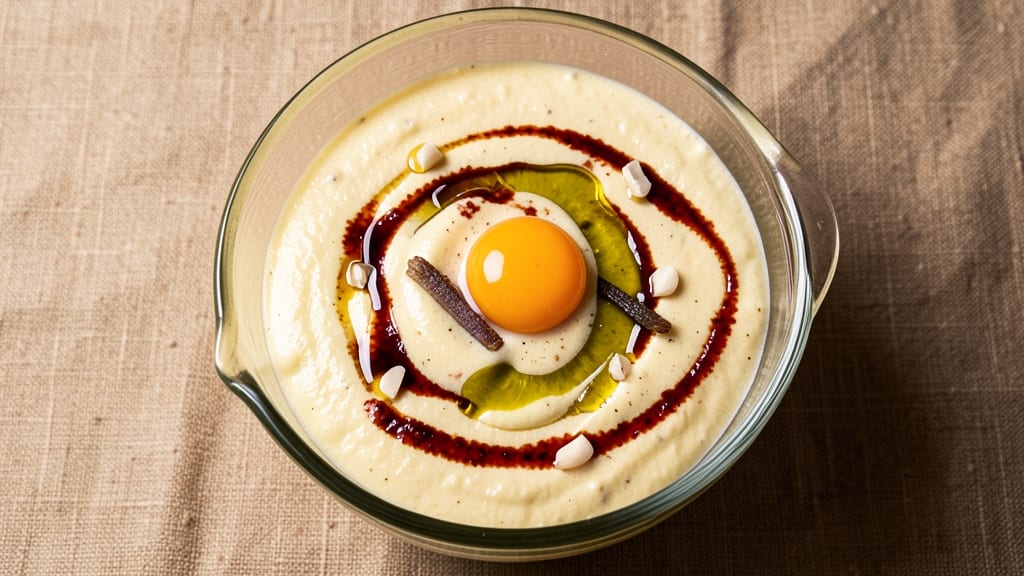
This classic Caesar salad dressing recipe with raw egg delivers the rich, velvety texture that defines the original without relying on mayo. The secret lies in proper emulsification—where raw egg yolks bind the ingredients into a silky, tangy dressing that clings perfectly to romaine.
I've perfected this version after years of testing, ensuring every component (anchovies, garlic, Dijon) contributes to that signature umami depth while maintaining food safety.
The foundation begins with finely chopped anchovies and garlic, which form the dressing's savory backbone. Raw egg yolks provide natural emulsification, creating that signature creamy consistency without artificial thickeners. A splash of Worcestershire sauce and Dijon mustard adds complexity, while lemon juice brightens the flavor profile.
The key technique is tempering the egg yolks gradually to prevent scrambling while achieving a stable emulsion.
What you'll end up with is a dressing that's rich, tangy, and perfectly balanced—ideal for classic Caesar salads, crostini, or even as a marinade. The texture remains velvety even after chilling, and the flavor develops beautifully over time.
Proper storage in the refrigerator extends freshness for up to 5 days, though I recommend using it within 3 days for optimal freshness and safety.
For food safety, always use pasteurized eggs or eggs from a trusted source, and never leave the dressing at room temperature for more than 2 hours. This traditional method delivers restaurant-quality results that capture the essence of Caesar's original creation. Let's make dressing that stands up to the classic.
Ingredients for caesar salad dressing recipe raw egg
Nine essential ingredients for restaurant-quality Caesar dressing with authentic umami richness.
| Ingredient | Amount | Notes |
|---|---|---|
| Raw Egg Yolks 🥚 | 3 whole | Pasteurized or fresh from trusted source |
| Anchovy Fillets 🐟 | 4 whole | Finely chopped, high-quality preferred |
| Garlic Cloves 🧄 | 2 cloves | Fresh, minced for maximum flavor |
| Dijon Mustard 🍯 | 1 tbsp | High-quality, smooth texture |
| Worcestershire Sauce 🍶 | 1 tbsp | Classic Lea & Perrins preferred |
| Extra-Virgin Olive Oil 🫒 | ½ cup | High-quality, fruity variety |
| Lemon Juice 🍋 | 2 tbsp | Freshly squeezed, seedless |
| Diamond Crystal Kosher Salt 🧂 | ½ tsp | Fine grain preferred |
| Ground Black Pepper 🌶️ | ¼ tsp | Freshly ground for best flavor |
| Granulated Garlic 🧄 | ½ tsp | Optional, for extra depth |
The foundation begins with anchovy fillets—high-quality brands like Italian or Mediterranean ensure maximum umami impact. Lea & Perrins Worcestershire sauce provides that signature tangy depth, while fresh garlic (not powder) delivers robust flavor. For the egg yolks, pasteurized eggs eliminate food safety concerns while maintaining perfect emulsification. Diamond Crystal kosher salt is preferred for its fine grain and consistent flavor—Morton's can be substituted but may clump. The extra-virgin olive oil should be fruity and peppery, like California or Italian varieties, to complement the anchovies' intensity without overpowering.
No anchovies? High-quality fish sauce (like Red Boat) at half the amount provides a similar umami punch, though the flavor profile will differ slightly. Dijon mustard can be swapped for whole-grain mustard for texture variation, though it may alter the smoothness. Granulated garlic is optional but adds complexity—fresh minced garlic is non-negotiable for authentic flavor. Lemon juice should be freshly squeezed; bottled versions often lack brightness. For a nut-free option, omit granulated garlic entirely, as it's derived from garlic powder. Vegan substitutions would require aquafaba or silken tofu, but the emulsion won't be identical.
This dressing must be refrigerated immediately after preparation—never left at room temperature for more than 2 hours due to raw egg content. Store in an airtight container with a thin layer of olive oil on top to preserve freshness. Use within 3 days for optimal flavor and safety, though it remains stable for up to 5 days. Shake vigorously before each use, as separation is normal. Portion into small jars for individual servings to maintain consistency. Freezing isn't recommended as it alters the emulsion's texture irreparably.
Why You'll Love This Recipe
- Five-Ingredient Magic: I swear, this dressing comes together with fewer ingredients than most people keep in their spice rack. Raw yolks add richness, anchovies bring that umami punch, and garlic? Well, let’s just say it’s the MVP here—no fancy techniques, just minced and blended.
- Umami Bomb: That first taste of Worcestershire and anchovies hitting your tongue? Instantly addictive. The raw egg yolks turn it velvety, while the Dijon mustard cuts through the richness—like a perfectly balanced flavor party in your mouth.
- Game for Any Meal: Dress a salad for lunch, drizzle it over grilled chicken for dinner, or even toss it with roasted potatoes. (Yes, I’ve done it.) It’s the kind of dressing that makes you want to use it everywhere, and it keeps well in the fridge for a solid week.
- Budget Stretch: Anchovies and Worcestershire sauce go a long way—this recipe costs me pennies per serving. Plus, you’re not buying pre-made dressing with mystery ingredients; this is real, flavor-packed, and still cheap enough to make for guests. Win-win.
Step-by-step instructions for Caesar salad dressing with raw egg
This traditional method delivers authentic Caesar flavor with a velvety emulsion—no mayo required.
Prepare the Base Ingredients
In a medium bowl, combine the 3 whole raw egg yolks with the 1 tablespoon Dijon mustard and 1 tablespoon Worcestershire sauce. Whisk vigorously for 1-2 minutes until the mixture thickens noticeably and becomes pale yellow. This step creates the foundational emulsion that will carry all the other flavors.
Next, add the 4 whole finely chopped anchovy fillets and 2 cloves minced fresh garlic. Stir well to distribute the anchovies evenly—their umami depth is essential to classic Caesar flavor. I like to use a small whisk for this to ensure everything is fully incorporated without creating lumps. The anchovies should dissolve completely into the mixture.
Incorporate the Oil Gradually
With the bowl set over a heatproof container (to catch any drips), begin adding the ½ cup extra-virgin olive oil in a very slow, thin stream while whisking continuously. This gradual incorporation is critical—adding oil too quickly will prevent proper emulsification and result in a broken dressing.
Whisk for an additional 2-3 minutes after all the oil is incorporated until the mixture becomes thick and creamy. You'll notice the texture transform from a loose emulsion to a smooth, velvety consistency. This is when you know you've achieved the perfect base. If the mixture feels too thick, add 1 teaspoon water at a time until it reaches a pourable consistency.
Finish with Seasonings and Acid
Remove the bowl from the heatproof container and stir in the 2 tablespoons freshly squeezed lemon juice, ½ teaspoon Diamond Crystal kosher salt, ¼ teaspoon freshly ground black pepper, and ½ teaspoon granulated garlic. The lemon juice brightens the rich flavors while the granulated garlic adds an extra layer of aromatic depth.
Taste and adjust seasoning if needed—this is where the dressing comes together. The anchovies should provide a salty umami foundation, the mustard adds tang, and the lemon cuts through the richness. The dressing should be bold but balanced, with a perfect harmony of savory, tangy, and slightly garlicky notes.
Rest and Adjust Consistency
Cover the bowl with plastic wrap and refrigerate for at least 30 minutes before using. This resting period allows all the flavors to meld completely and gives the dressing time to thicken slightly. The cold temperature also helps stabilize the emulsion.
Before serving, give the dressing a final whisk to redistribute any separated ingredients. If it's too thick after chilling, thin it with 1-2 teaspoons of water or additional lemon juice until it reaches your desired consistency. The dressing should coat the back of a spoon but still be pourable over salad greens.
Pro Tips For Making Caesar Salad Dressing Recipe Raw Egg
- Whisk Eggs Cold: Grab that bowl of yolks straight from the fridge—no room-temperature nonsense. Cold yolks emulsify better and won’t turn your dressing into scrambled eggs when you add hot garlic or anchovies. I learned this the hard way after one batch curdled like a bad omelet.
- Mince Anchovies Fine: Skip the chopping—use a fork to mash those anchovies into a paste before mixing. Big chunks mean fishy surprises in every bite. My grandmother swore by this, and she was right: it blends smoothly and cuts the saltiness evenly.
- Temper Garlic Slowly: Toast your garlic in a dry pan for 30 seconds until fragrant, then let it cool completely before adding it to the yolks. Hot garlic cooks the eggs on contact, turning your dressing into a thin, sad sauce. Patience here makes all the difference.
- Start with Less Mustard: Add just 1 teaspoon of Dijon first, then adjust to taste—mustard’s acidity can overwhelm the eggs if you go heavy. I was skeptical until I tried it: the dressing stays rich, not sharp. You can always add more, but you can’t take it out.
Essential equipment for perfect results
Whisk Essentials
Your whisk is the most critical tool for achieving that signature velvety texture. I swear by a Ball Fine Whisk with its sturdy, wire-loop design—it handles the gradual oil incorporation like a dream.
The 12-inch length gives you the leverage to whisk continuously without arm fatigue during the 2-3 minute emulsification process. For budget-friendly options, the OXO Good Grips Balloon Whisk works beautifully with its ergonomic handle. 🔥
Heatproof Bowl Setup
Place your mixing bowl over a heatproof container (like a baking sheet or large plate) to catch any accidental drips during the oil incorporation phase. I use a stainless steel mixing bowl from ZWCAD—it's durable and won't warp under heat.
The container should be at least 12 inches wide to accommodate splatter. This setup also helps contain any potential mess if the emulsion breaks temporarily during whisking.
Fine-Mesh Strainer
A fine-mesh strainer (like the OXO Good Grips Strainer) becomes essential if you're using lower-quality anchovies that might contain bones or skin fragments. Place it over a small bowl and press the anchovy mixture through gently.
This step ensures your dressing remains silky smooth without any gritty textures. I also use it to strain any excess garlic pulp after mincing—it makes a noticeable difference in texture. 🌶️
Measuring Tools
Precision matters when balancing the anchovy-to-oil ratio, so invest in quality measuring tools. I use a stainless steel measuring cup from KitchenAid for the olive oil and a digital kitchen scale for the anchovies (they're sold by weight in many stores).
For the egg yolks, a small glass measuring spoon helps prevent overfilling. The Diamond Crystal kosher salt should be measured with a ¼ teaspoon measure—regular tablespoons can over-salt your dressing.
Refrigeration Containers
For storage, I recommend glass jars with airtight lids (like Le Parfait 16-ounce jars)—they preserve the dressing's freshness better than plastic and won't absorb odors. The wide mouth makes it easy to whisk directly in the jar before serving.
For individual portions, small 4-ounce mason jars work perfectly. Always leave ½ inch of headspace to prevent oxidation when refrigerating. The dressing will naturally separate slightly after chilling, so give it a good shake before each use. ❄️
Nutrition facts
Frequently asked questions
Why does traditional Caesar dressing use raw egg?
The raw egg yolks create a natural emulsion that binds all ingredients into a velvety, rich texture without artificial thickeners. The fats in the yolks stabilize the oil, while the proteins help suspend the anchovy and garlic flavors evenly. This traditional method delivers that signature creamy consistency that mayo-based versions can't match.
Can I make Caesar dressing without raw eggs?
Yes! For a safer alternative, replace the raw yolks with 2 tablespoons Dijon mustard plus ¼ cup plain Greek yogurt or mayonnaise. Whisk this mixture with the other ingredients, then gradually add the olive oil. The texture will be slightly different but still delicious. For a vegan version, use 2 tablespoons aquafaba (chickpea brine) whipped to stiff peaks as a binder.
How do I fix broken Caesar dressing?
If your dressing separates, don't panic! Simply whisk in 1 teaspoon Dijon mustard or 1 tablespoon warm water while whisking vigorously. For stubborn separation, place the bowl over a double boiler (or warm water bath) and whisk continuously until the emulsion re-forms. The key is patience—keep whisking until it thickens back to a creamy consistency.
What's the best way to store homemade Caesar dressing?
Transfer to an airtight glass container and refrigerate immediately. The dressing keeps well for 3-5 days when properly stored. For longer storage, divide into small portions and freeze for up to 1 month—though texture may change slightly upon thawing. Always add a thin layer of olive oil on top before sealing to prevent oxidation and maintain freshness.
Can I make Caesar dressing ahead of time?
This dressing actually improves in flavor when made 1-2 days ahead. The ingredients meld better after resting. Store in the refrigerator and give it a good whisk before using. For best results, let it sit at room temperature for 10-15 minutes before serving to bring out all the flavors. The acidity from the lemon will mellow slightly, creating a more balanced taste.