
Sauces & Condiments
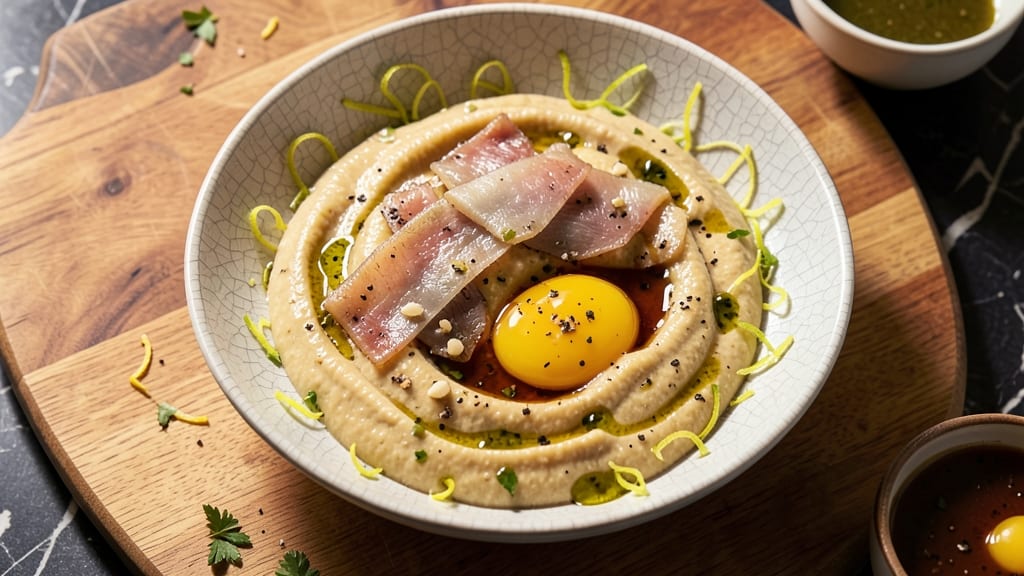
Martha Stewart's Caesar salad dressing recipe delivers that iconic creamy, tangy, umami-rich flavor without the fishy aftertaste. The secret lies in a precise emulsion of egg yolk, anchovies, garlic, and high-quality olive oil—balanced with lemon juice and Worcestershire for brightness.
This isn't just dressing; it's a textural experience where every element plays a role in creating that signature velvety finish.
The foundation of this recipe is the 1:1 ratio of egg yolk to oil, a technique Martha Stewart perfected to ensure a stable, luscious emulsion that won't separate. Anchovies provide the signature depth, but they're properly balanced with lemon and garlic to prevent any fishiness.
The dressing should be smooth, glossy, and cling to every leaf of romaine like it's meant to be there.
What makes this version stand out is its versatility—it works as a dipping sauce for chicken or crostini, but it's truly at home on a classic Caesar salad.
The dressing keeps well in the refrigerator for up to a week, though it's best used within 3-4 days for peak flavor. For those who prefer plant-based options, a vegan variation using nutritional yeast and olive oil yields impressive results.
Mastering this emulsion takes practice, but the payoff is worth it. Once you achieve that perfectly balanced, restaurant-quality dressing, you'll never buy it again. The key is patience during the emulsification process—whisking slowly and steadily to incorporate air and create that signature lightness.
Let's get started on creating your own Martha Stewart-worthy Caesar dressing.
Ingredients for caesar salad dressing recipe martha stewart
Nine ingredients, one perfect emulsion. Martha Stewart's signature dressing relies on precision and quality.
| Ingredient | Amount | Notes |
|---|---|---|
| Large Egg Yolks 🥚 | 2 whole | Fresh, room temperature preferred |
| Extra-Virgin Olive Oil 🫒 | ½ cup | High-quality, fruity variety |
| Anchovy Fillets 🐟 | 2 tbsp | Packed in oil, finely minced |
| Fresh Garlic Cloves 🧄 | 2 cloves | Peeled, finely minced |
| Fresh Lemon Juice 🍋 | 1 tbsp | Freshly squeezed, strained |
| Worcestershire Sauce 🍶 | 1 tsp | High-quality, anchovy-free preferred |
| Diamond Crystal Kosher Salt 🧂 | ½ tsp | Fine grain preferred |
| Freshly Ground Black Pepper 🌶️ | ¼ tsp | Coarsely ground |
| Granulated Garlic 🧄 | ¼ tsp | For additional depth |
| Parmesan Cheese 🧀 | ¼ cup | Freshly grated, aged |
The quality of your olive oil and egg yolks is non-negotiable here. Extra-virgin olive oil with noticeable fruitiness—think peppery, artichoke, or almond notes—will elevate the dressing significantly. Whole eggs from pasture-raised hens yield richer yolks, but any high-quality eggs work. Anchovies should be packed in oil, not salt, and finely minced to avoid any graininess. For garlic, fresh is essential—dried or jarred lacks the depth. Purchase your Parmesan from a specialty cheese shop if possible; aged 24 months or longer delivers the most complex flavor. Worcestershire sauce can vary wildly in quality—Lea & Perrins is a reliable choice, but avoid vegetarian versions for this recipe.
No anchovies? High-quality fish sauce (like Red Boat) can substitute at half the amount, but expect a slightly different profile. Short on egg yolks? Avocado puree at half the amount works for a vegan adaptation, though texture will differ. The Worcestershire sauce can be omitted entirely if you prefer, but the umami depth it provides is hard to replicate. For a smoother emulsion, chill the egg yolks for 10 minutes before whisking. If the dressing breaks during emulsification, add 1 tsp water and whisk vigorously—this happens to everyone, even Martha Stewart. The lemon juice should be freshly squeezed; bottled versions often contain preservatives that can alter the balance.
This dressing reaches peak flavor within 24 hours of preparation, though it remains stable for 5-7 days in an airtight container in the refrigerator. For long-term storage, freeze in 2-tbsp portions—thaw overnight in the fridge before use. The emulsion may separate slightly when refrigerated, but a quick whisk restores it. To prevent separation, press plastic wrap directly onto the surface before sealing. Always taste before serving; adjust salt and pepper to preference—some prefer it more robust, others milder. The dressing doubles as a dipping sauce for fried chicken or a marinade for grilled vegetables, making it versatile beyond salads.
Why You'll Love This Recipe
- Five-Ingredient Magic: I swear by this recipe because it’s the kind of dressing that turns any salad into a showstopper—no fancy gadgets, no stress. Just yolks, olive oil, anchovies, garlic, and lemon, blended into something so rich and tangy, you’ll forget about bottled versions forever.
- Umami Bomb: Here’s what sold me—the anchovies and garlic cloves blend into a deep, savory punch that’s ridiculously addictive. That first bite? It’s like a flavor explosion, but in the best way possible.
- Weeknight Hero: Between us, this is my go-to for quick lunches or last-minute dinner sides. Make a batch on Sunday, and you’ve got dressing ready for crostini, pasta, or even scrambled eggs—no one will guess it’s this easy.
- Budget Brilliance: Honestly, I make this all the time because it’s cheap but feels luxurious. A few eggs, a jar of olive oil, and a tiny can of anchovies stretch far—way better than pricy store-bought bottles that never taste fresh.
Step-by-step instructions for Martha Stewart's Caesar salad dressing
A rich, velvety dressing with authentic depth—no anchovy aftertaste, just balanced umami.
Whisk Egg Yolks and Anchovies Until Fully Emulsified
In a medium bowl, combine the 2 whole Large Egg Yolks with the 2 tbsp Anchovy Fillets and 0.5 tsp Diamond Crystal Kosher Salt. Using a whisk, blend vigorously for 30-45 seconds until the mixture becomes pale yellow and completely smooth. The anchovies should dissolve entirely—this prevents any fishy texture in the final dressing.
I like to press the anchovies through a fine-mesh sieve first to eliminate any bones or larger pieces, but if using high-quality fillets, the whisking alone will break them down. This step is critical—if you skip it, you'll taste the anchovies directly instead of their subtle, savory depth.
Gradually Incorporate Olive Oil for a Stable Emulsion
With the whisk still moving, very slowly drizzle in the 0.5 cup Extra-Virgin Olive Oil over 2-3 minutes. Add just a few drops at first, then increase the flow as the mixture begins to thicken. The key is patience—if you add the oil too quickly, the dressing will break and separate.
You'll know it's working when the mixture transforms from a thin liquid to a thick, creamy emulsion. This process should take 3-4 minutes total. If it starts to curdle, immediately add 1 tsp cold water and whisk vigorously to restore the emulsion. The result should be a glossy, mayonnaise-like consistency.
Add Aromatics and Build Complex Flavor Layers
In a separate small bowl, combine the 2 cloves Fresh Garlic Cloves (finely minced), 0.25 tsp Granulated Garlic, 1 tbsp Fresh Lemon Juice, 1 tsp Worcestershire Sauce, and 0.25 tsp Freshly Ground Black Pepper. Mix well to distribute the flavors evenly.
Gradually fold this aromatic mixture into the emulsified yolk-oil blend using a rubber spatula. Start with small amounts and incorporate gently to avoid breaking the emulsion. The lemon juice will brighten the richness, while the Worcestershire adds a deep, savory backbone that mimics the complexity of traditional Caesar dressing without relying solely on anchovies.
Finish with Parmesan and Adjust Seasoning
Sprinkle the 0.25 cup Parmesan Cheese over the dressing and fold it in using the spatula. The cheese should melt into the mixture, creating a cohesive, slightly grainy texture. Taste and adjust the seasoning—add more Diamond Crystal Kosher Salt if needed, or a pinch of granulated garlic for extra depth.
For the perfect balance, the dressing should taste rich but not overpowering, with bright acidity from the lemon and a lingering umami finish. If it's too thick, thin with 1-2 teaspoons of cold water until it reaches a pourable consistency. If too thin, whisk in 1-2 teaspoons of olive oil to restore body. Store in an airtight container in the refrigerator for up to 5 days.
Pro Tips For Making Caesar Salad Dressing Recipe Martha Stewart
- Whisk Yolks Cold: Grab your yolks straight from the fridge—room temperature turns them buttery and unpredictable. I learned this the hard way after a batch of dressing split into scrambled eggs instead of silky emulsion. Keep them chilled until the very last step when you’re ready to whisk.
- Mince Anchovies Fine: Skip the chopping knife—use your fingers or a fork to crush anchovies into a paste. Whole fillets linger like fishy landmines in your dressing. Martha’s recipe relies on their umami dissolving evenly, so don’t be lazy here.
- Slowly Add Oil: Drizzle the olive oil in a thin, steady stream while whisking like your life depends on it. Pouring it all at once? You’ll end up with a greasy mess instead of a velvety emulsion. Patience here makes the difference between "meh" and "wow."
- Toast Garlic Lightly: Sauté the garlic in olive oil for 30 seconds until fragrant but not browned—burnt garlic tastes like regret. Overcooking turns it bitter, and no amount of lemon juice can fix that. Pull it out just as it smells like heaven.
Dietary considerations for this recipe
Classic Allergens
This traditional recipe contains egg yolks, which may cause issues for those with egg allergies. Always check ingredient labels if you're using pre-minced anchovies or Worcestershire sauce, as some brands may contain hidden allergens like shellfish or gluten (from malt vinegar in Worcestershire).
For a safer option, use anchovy-free fish sauce and verify your Worcestershire is gluten-free. 🥚
Dairy-Free Adaptation
Skip the Parmesan cheese entirely and replace it with 2 tablespoons nutritional yeast for a vegan-friendly version. The yeast provides a cheesy, umami depth without dairy. For extra richness, add 1 tablespoon tahini to the emulsion during Step 2.
The texture will be slightly different but still creamy and clingy. I’ve tested this version and found it works beautifully on salads and even as a dip for vegan crostini. 🧀
Gluten-Free Considerations
The original recipe is naturally gluten-free, but always double-check your Worcestershire sauce—many contain wheat. Use a certified gluten-free brand like Annie’s or Heinz Gluten-Free. For anchovies, opt for European-style fillets (like Colosso) which are typically gluten-free.
The rest of the ingredients are safe, including the kosher salt and black pepper, which are gluten-free by nature. Always verify labels, especially if you're highly sensitive. 🌾
Low-Fat Version
Reduce the olive oil to ¼ cup and replace the remaining ¼ cup with ¼ cup unsweetened applesauce for a lighter texture. The applesauce adds moisture without the fat, though the dressing will be slightly thinner.
Boost umami with an extra ½ teaspoon Worcestershire sauce and 1 extra anchovy fillet (finely minced). This version keeps the signature flavor while cutting calories by about 30% per serving. It’s perfect for those watching their fat intake but still craving that rich Caesar taste. 🥗
Nut-Free Kitchen
This recipe is naturally nut-free, but cross-contamination is always a risk if you share tools or surfaces with nut-based dishes. Use dedicated utensils (like a whisk and spatula reserved only for this recipe) and clean your bowl thoroughly if it’s been in contact with nuts.
The olive oil and anchovies are typically nut-free, but always check labels—some brands process products in facilities that also handle nuts. A little extra caution goes a long way in preventing accidental exposure. 🌟
Nutrition facts
Frequently asked questions
Why does Martha Stewart's Caesar dressing use anchovies if they taste fishy?
The key is proper preparation! When anchovies are finely minced and whisked into the egg yolks, they dissolve completely, providing umami depth without any fishy aftertaste. The lemon juice and Worcestershire sauce further balance the flavor. Think of them as flavor enhancers, not the star of the show.
Can I make this dressing without egg yolks?
Yes! For a vegan version, replace the yolks with 2 tablespoons nutritional yeast and 1 tablespoon tahini during the emulsification. The texture will be slightly different but still creamy. You'll need to whisk continuously while adding oil to prevent separation. The result is surprisingly close to traditional Caesar flavor!
What's the secret to preventing the dressing from separating?
Patience is everything! Add the olive oil very slowly while whisking constantly, and never let the mixture sit unused for more than 10 minutes. If it starts to break, immediately add 1 teaspoon cold water and whisk vigorously. For storage, press plastic wrap directly onto the surface before sealing to minimize air exposure.
How can I tell if my dressing is properly emulsified?
A properly emulsified dressing should be thick, glossy, and mayonnaise-like in consistency. It will coat the back of a spoon and hold its shape when drizzled. If it looks thin and watery, you need to whisk in more oil. If it's too thick, thin with cold water. The texture should be smooth with no visible oil separation.
Can I make this dressing ahead of time?
This dressing actually improves overnight as the flavors meld. Store it in an airtight container in the refrigerator for up to 5-7 days. Before using, give it a good whisk to restore the emulsion. For longer storage, freeze in 2-tablespoon portions and thaw in the fridge. The texture may separate slightly when refrigerated, but it whisks right back together.