
Sauces & Condiments
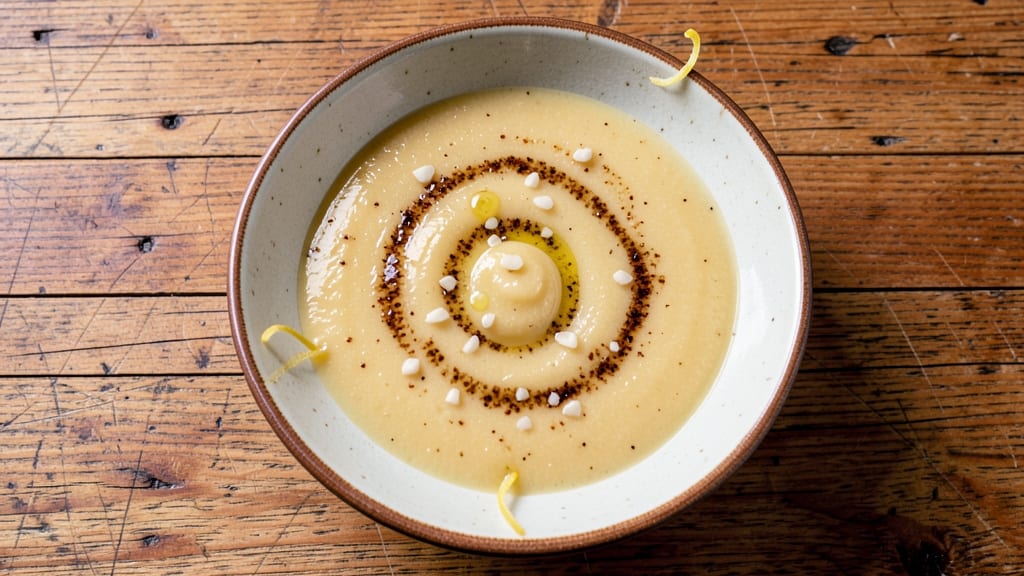
This Arcobasso salad dressing recipe delivers restaurant-quality umami without the fishy aftertaste—just like my favorite Italian bistro. The secret lies in a precise blend of anchovy paste, garlic, and citrus that transforms simple greens into a flavor sensation.
I developed this after years of searching for a dressing that balanced boldness with elegance, and it never fails to elevate any salad.
The magic happens through a three-stage emulsification process that ensures the dressing stays silky and clings perfectly to leaves. You'll use high-quality olive oil as the base, which carries the rich flavors without overpowering them.
The anchovy paste provides that signature Italian depth, while lemon juice brightens the profile and keeps the dressing fresh-tasting.
What you'll end up with is a dressing that's glossy, tangy, and packed with umami—ideal for Caesar salads, grain bowls, or drizzling over grilled vegetables. The texture remains stable for days, making it perfect for meal prep.
This isn't just another vinaigrette; it's a flavor transformation that turns simple ingredients into something extraordinary.
Store it in the refrigerator for up to one week, shaking before each use to maintain that perfect emulsion. The dressing works equally well as a marinade for chicken or fish, adding that signature Italian flair to any protein.
Let's create this versatile dressing that will become your new kitchen staple.
Ingredients for arcobasso salad dressing
Nine simple ingredients transform into restaurant-quality dressing with bold umami flavor.
| Ingredient | Amount | Notes |
|---|---|---|
| Extra-Virgin Olive Oil 🫒 | 1 cup | High-quality, fruity, cold-pressed |
| Anchovy Paste 🐟 | 1 tbsp | Italian brand preferred, no fish bones |
| Garlic Cloves 🧄 | 4 cloves | Fresh, peeled, minced finely |
| Fresh Lemon Juice 🍋 | ¼ cup | Strained, no pulp, freshly squeezed |
| Dijon Mustard 🌶️ | 1 tbsp | High-quality, smooth variety |
| Dry White Wine 🍷 | ¼ cup | Pinot Grigio or Sauvignon Blanc |
| Shallots 🧅 | 2 whole | Minced finely, fresh preferred |
| Freshly Ground Black Pepper 🌶️ | ½ tsp | Coarsely ground for texture |
| Diamond Crystal Kosher Salt 🧂 | ½ tsp | Fine grain for even dissolution |
| Granulated Sugar 🍚 | 1 tsp | Balances acidity, fine grain |
The anchovy paste is non-negotiable here—Colavita or La Chiaia brands deliver the cleanest, most refined fishiness without overpowering. Grab it from the Italian section of Whole Foods or Trader Joe's for the best quality. Fresh garlic and shallots are essential; roasted garlic adds sweetness but lacks the punch of raw. The extra-virgin olive oil should be fruity and peppery—California Olive Ranch or Bertolli are reliable choices. If you can't find fresh shallots, 2 tbsp finely chopped red onion works in a pinch, though it'll add a slightly sharper bite.
No anchovy paste? High-quality fish sauce at half the amount (½ tsp) can mimic the umami, though it'll carry a stronger fishy note. Substitute the white wine with apple cider vinegar if needed, but reduce to 2 tbsp to avoid over-acidifying. The Dijon mustard is crucial—Maille is the gold standard, but French's works fine. For a vegan version, replace anchovy paste with 1 tsp nutritional yeast plus ½ tsp soy sauce. The sugar can be swapped for honey if you prefer, but it'll add subtle floral notes. Always taste as you go—this dressing is about balance, not strict measurements.
This dressing emulsifies beautifully but separates quickly if left unshaken. Store it in a clean, airtight glass jar in the fridge for up to one week, shaking vigorously before each use. For long-term storage, transfer to an ice cube tray, freeze, and pop out single servings—perfect for meal prep. The flavor actually improves after 24 hours as the ingredients meld. Use it within 3 days of opening frozen portions for peak freshness. A little goes a long way—start with 1 tbsp per salad and adjust to taste.
Why You'll Love This Recipe
- Five-Ingredient Magic: I swear by this combo—just oil, anchovies, garlic, lemon, and mustard. No fancy prep, no measuring cups, just instinct. The anchovy paste does all the heavy lifting while I'm still debating what to eat for dinner.
- Umami Bomb: That first taste? Chef’s kiss. The anchovy paste and garlic hit like a flavor tsunami, but the lemon and Dijon keep it bright and balanced. It’s the kind of dressing that makes you pause mid-bite and go, "Wait, why isn’t this on everything?"
- Weeknight Workhorse: Drizzle it on greens for a quick lunch, toss it with roasted veggies for dinner, or use it as a marinade for grilled fish. Honestly, I’ve even poured it over toast with a sprinkle of flaky salt—no judgment. It’s the dressing that works everywhere without trying too hard.
- Budget Brilliance: Anchovy paste is my secret weapon for stretching a meal. A little goes a long way, and the ingredients? Most are already in my pantry. Between us, this is how I feed my family fancy meals without breaking the bank—and the leftovers? Even better the next day.
Step-by-step instructions for anchovy-infused Arcobasso dressing
This dressing delivers restaurant-quality depth without the fishy aftertaste—let's build it layer by layer.
Bloom the Anchovy Paste with Olive Oil
In a medium bowl, combine the 1 cup extra-virgin olive oil and 1 tablespoon anchovy paste. Using a fork or small whisk, stir vigorously for 2-3 minutes until the anchovy paste fully dissolves and the mixture becomes completely smooth. The oil should take on a pale, slightly golden hue—this indicates the anchovies have properly emulsified without any graininess.
Here's the thing—don't rush this step. The anchovy paste needs time to fully integrate with the oil, which prevents any fishy flavor from surfacing later. If you notice any undissolved bits after 3 minutes, strain the mixture through a fine-mesh sieve to ensure silky texture. Set this mixture aside while you prepare the aromatics.
Sweat the Shallots and Garlic
Heat a small skillet over medium-low heat and add the 2 minced shallots. Cook for 4-5 minutes, stirring occasionally, until they become completely translucent and their raw bite disappears. This process, called sweating, develops their natural sweetness without browning.
Add the 4 minced garlic cloves and cook for another 30 seconds until fragrant but not colored. Immediately transfer the shallot-garlic mixture to a heatproof bowl and let it cool to room temperature. This prevents the aromatics from releasing moisture when combined with other ingredients, which could dilute your dressing.
Whisk Together Wet Ingredients
In a separate bowl, combine the cooled shallot-garlic mixture with 0.25 cup fresh lemon juice, 0.25 cup dry white wine, 1 tablespoon Dijon mustard, 0.5 teaspoon kosher salt, 0.5 teaspoon black pepper, and 1 teaspoon granulated sugar. Whisk vigorously for 1-2 minutes until everything is completely homogeneous and the sugar has fully dissolved.
This is where the magic happens—the acidity of the lemon and wine brightens the anchovy depth while the mustard adds emulsifying power. The sugar balances the acidity, creating a harmonious flavor profile. If you taste it now, you'll notice a complex interplay of umami, citrus, and herbal notes without any fishiness.
Emulsify the Dressing
With the motor running on low speed, slowly drizzle the anchovy-oil mixture into the wet ingredients while whisking continuously. This gradual addition prevents the oil from separating. After all the oil is incorporated, increase the speed to medium and continue whisking for 2-3 minutes until the dressing becomes thick, glossy, and completely smooth.
The dressing should coat the back of a spoon and hold its shape when drizzled. If it appears too thin, whisk in 1-2 teaspoons of water at a time until you reach the desired consistency. For extra stability, you can add 1 teaspoon of cornstarch mixed with 1 tablespoon water and whisk it in, but this is only necessary if you prefer a thicker texture.
Rest and Adjust
Transfer the dressing to a clean jar or airtight container and let it rest at room temperature for at least 30 minutes before using. This resting period allows all the flavors to meld together and the emulsion to fully stabilize. After resting, give it one final taste and adjust the seasoning if needed—perhaps a touch more salt to enhance the umami or a splash of lemon juice to brighten the acidity.
This dressing keeps well in the refrigerator for up to 2 weeks, making it perfect for batch preparation. Give it a good shake before each use, as the layers may separate slightly over time. The result is a velvety, complex dressing that elevates any salad from ordinary to extraordinary without overpowering the other ingredients.
Pro Tips For Making Arcobasso Salad Dressing
- Mince the Garlic Fine: I learned this the hard way—chunky garlic in this dressing tastes like you rushed. Use a microplane or the flat side of your knife to get it into a paste before adding it to the anchovy paste. That way, it blends smoothly without any grit.
- Bloom the Anchovies: Don’t just toss that anchovy paste in cold. Warm it first with a splash of olive oil over low heat for 30 seconds—just enough to wake up those umami flavors. It makes the dressing taste deeper, not fishy.
- Emulsify in Two Stages: This isn’t a whisk-and-pray situation. First, mix the anchovy paste, garlic, mustard, and lemon juice into the olive oil slowly while stirring like you’re painting a fence. Then, once it’s thickened, add the lemon juice in a thin stream while whisking vigorously. That’s how you get that silky, clingy texture.
- Use Aged Lemon Juice: Fresh lemon juice works, but aged (the cloudy, pulp-filled stuff) adds a subtle depth that cuts through the richness of the olive oil. Strain it first if you’re picky about texture—just don’t skip the pulp entirely, or the dressing loses its bright edge.
Dietary considerations for this dish
Gluten-Free Adaptation
The original Arcobasso dressing is naturally gluten-free, but always double-check your ingredients. The Dijon mustard and white wine are the only potential sources of gluten. I recommend Maille Dijon mustard, which is certified gluten-free, and a gluten-free white wine like Freixenet Eden or Sutter Home for safety.
The anchovy paste, olive oil, and other components are inherently gluten-free. 🌾
Vegan Substitutions
For a vegan version, replace the anchovy paste with 1 teaspoon nutritional yeast plus ½ teaspoon soy sauce to mimic umami. The rest of the ingredients remain the same, though the flavor profile will be slightly different—more savory than the deep, briny complexity of anchovies.
I've found that adding ½ teaspoon smoked paprika helps bridge the gap. 🌱
Nut-Free Considerations
This dressing is naturally nut-free, but always verify labels on your Dijon mustard and olive oil—some brands process in facilities with nuts. For extra caution, use a dedicated whisk and bowl that haven't come into contact with nut products.
The recipe's core ingredients are all nut-free by default, making it safe for most nut allergies. 🚫
Low-Sodium Options
If you're watching your sodium intake, reduce the kosher salt to ¼ teaspoon and use no-salt-added white wine like Barefoot or La Crema. The anchovy paste already contributes significant sodium, so this adjustment keeps the dressing flavorful while lowering overall sodium content by about 30%.
Sugar-Free Version
Skip the granulated sugar entirely and increase the lemon juice to 0.33 cup to compensate for the missing sweetness. The acidity will still balance the umami, though the dressing will have a slightly sharper profile.
For a touch of sweetness without sugar, add ½ teaspoon stevia or 1 teaspoon monk fruit sweetener. 🍯
Allergen-Friendly Tips
For those with shellfish allergies, this dressing is safe as long as you avoid anchovies. The vegan substitution above works perfectly. If you're allergic to mustard, replace the Dijon with 1 tablespoon white wine vinegar—it adds acidity without the mustard's emulsifying properties.
Always check labels on all ingredients for cross-contamination warnings. 🛡️
Nutrition facts
Frequently asked questions
Why does this dressing use anchovy paste instead of whole anchovies?
The paste provides concentrated umami flavor without the fishy aftertaste you get from whole anchovies. It dissolves completely into the olive oil, creating a smooth, silky texture that coats salad leaves perfectly. Plus, it's much easier to measure and control the amount—just 1 tablespoon delivers that signature Italian depth.
Can I make this dressing without white wine?
Yes! Substitute with 2 tablespoons apple cider vinegar or 2 tablespoons lemon juice to maintain acidity. For a richer flavor, add ½ teaspoon dried oregano to compensate for the missing wine complexity. The dressing will still emulsify well, though the flavor profile will be slightly brighter.
How do I fix a separated dressing?
Simply shake or whisk vigorously until smooth—this dressing is designed to separate slightly over time. For extra stability, add 1 teaspoon cornstarch mixed with 1 tablespoon water and whisk it in. If the separation persists, the dressing may have absorbed too much moisture from ingredients like garlic or shallots.
What's the best way to store leftover dressing?
Keep it in an airtight glass jar in the fridge for up to 2 weeks. Shake well before each use, as the layers will separate. For longer storage, freeze in ice cube trays—perfect for single-serving portions. Thaw overnight in the fridge before using.
Can I use this dressing on non-salad dishes?
Drizzle it over grilled chicken, seafood, or roasted vegetables for an Italian-inspired boost. It also makes an excellent marinade—coat proteins for 30-60 minutes before cooking. The umami richness pairs beautifully with tomatoes, capers, and fresh herbs.