
Sauces & Condiments
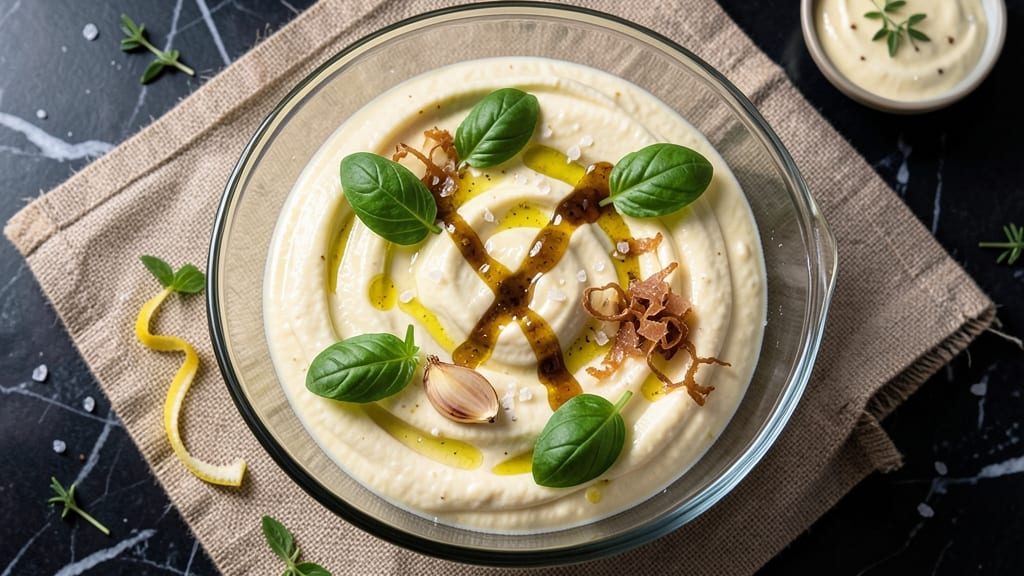
This burrata salad dressing recipe transforms ordinary greens into a luxurious bite with its velvety basil pesto and bright lemon zing. The secret lies in balancing rich creaminess with sharp citrus, creating a dressing that enhances burrata's melt-in-your-mouth texture without overpowering it.
I developed this after realizing store-bought dressings lacked the depth needed for this delicate cheese.
The foundation is fresh basil pesto—blended with garlic, olive oil, and parmesan—for that signature herbaceous flavor. A splash of lemon juice adds the necessary tang to cut through the richness, while a touch of Dijon mustard emulsifies everything into a silky, clingy consistency.
What makes this dressing special is its ability to stay fresh for up to a week in the fridge, ready to elevate any salad.
What you'll achieve is a dressing that's creamy yet balanced, with layers of flavor that complement burrata's creamy interior and crisp exterior. The basil pesto provides an aromatic base, while the lemon keeps each bite refreshing.
This isn't just a dressing—it's the perfect partner for burrata's luxurious texture, turning simple salads into restaurant-worthy dishes.
Use it immediately on your favorite salad or store it for up to a week, ready to transform any meal. The recipe scales perfectly for entertaining or meal prep, ensuring you always have a gourmet dressing on hand. Here's everything you need to make it.
Ingredients for burrata salad dressing
Nine simple ingredients blend into a restaurant-worthy dressing that makes burrata salads irresistible.
| Ingredient | Amount | Notes |
|---|---|---|
| Fresh Basil Leaves 🌿 | 2 cups | Packed, stems removed for maximum flavor |
| Extra-Virgin Olive Oil 🫒 | ¾ cup | High-quality, fruity variety preferred |
| Parmesan Cheese 🧀 | ½ cup | Freshly grated from a block |
| Garlic Cloves 🧄 | 3 cloves | Peeled and roughly chopped |
| Fresh Lemon Juice 🍋 | ¼ cup | Freshly squeezed for bright acidity |
| Dijon Mustard 🟡 | 1 tbsp | For emulsification and depth |
| Salt 🧂 | ½ tsp | Diamond Crystal kosher preferred |
| Black Pepper 🌶️ | ¼ tsp | Freshly ground for best flavor |
| Heavy Cream 🥛 | ¼ cup | Full-fat for luxurious texture |
The basil is non-negotiable here—farmers market leaves pack the most flavor, but grocery store containers work in a pinch. Trader Joe's and Whole Foods carry the freshest, but any bright green, sturdy leaves will do. For the Parmesan, skip the pre-grated stuff—it's full of anti-caking agents that ruin the texture. Grate your own from a wedge, and if you're feeling fancy, toast the Parmesan shavings in a dry pan for 30 seconds to deepen the nutty flavor. The olive oil should be extra-virgin, not just 'pure'—look for Italian or Spanish varieties with fruity notes.
No fresh basil? Dried basil at one-third the amount works, but it won't have that same vibrant punch. Short on heavy cream? Full-fat coconut milk mimics the richness, though it'll be slightly sweeter. The Dijon mustard is crucial—skip the yellow mustard unless you're okay with a milder dressing. For extra tang, add a pinch of red pepper flakes or a splash more lemon. If you're making this ahead, add the lemon juice last—it prevents the dressing from curdling over time. The garlic can be roasted for a sweeter flavor if you prefer, but raw gives that classic pesto bite.
This dressing stays fresh for up to 7 days in the fridge, though the texture gets slightly thicker over time—just whisk before using. For longer storage, freeze in ice cube trays and thaw as needed. The heavy cream makes it luxurious, but if you're watching calories, reduce it to 2 tbsp and add 2 tbsp more olive oil. Always store it in an airtight container with a layer of olive oil on top to preserve the basil's color. Leftovers? Perfect for drizzling on avocado toast or pasta—just dilute with a splash of water if it's too thick.
Why You'll Love This Recipe
- Here’s what sold me: you can make a lot of this for pennies. A few basil stems, a head of garlic, and a wedge of Parmesan stretch across multiple meals. Plus, the lemon juice keeps it fresh for days in the fridge, so you’re not scrambling to use it up before it goes bad.
- No Pulse Needed: I’ll be real—this dressing comes together in three minutes while you’re still deciding whether to eat the burrata now or wait. Just toss the basil, garlic, and lemon into a blender, drizzle in the olive oil, and pulse until it’s smoother than my excuses for skipping the gym.
- Garlic-Basil Magic: That first bite of creamy burrata with this dressing? It’s like someone took all the best parts of summer—a bright lemon zing, nutty Parmesan crumble, and fresh basil that tastes like it was picked this morning. The olive oil ties it all together without overpowering, so it’s rich but never heavy.
- Weeknight to WOW: Honestly, this isn’t just for salads. Drizzle it over grilled chicken, toss it with roasted veggies, or even swirl it into pasta. I’ve even used it as a quick marinade for shrimp—(yes, even on a Tuesday night). It’s the kind of dressing that makes simple meals feel like you put in effort.
Step-by-step instructions for creamy basil pesto with lemon zing
Here's how to make this velvety dressing that elevates burrata to restaurant-worthy perfection.
Blanch and Prepare the Basil
Bring a small pot of water to a gentle boil. Add the 2 cups fresh basil leaves and blanch for 30 seconds—just until the leaves wilt slightly but don't turn bright green. Immediately drain and plunge into ice water to stop the cooking process. This preserves their vibrant color and tender texture.
Drain again thoroughly, then transfer the basil to a clean kitchen towel and pat completely dry. Any moisture will make your pesto watery. I like to work in batches if needed, as crowded basil releases more liquid. Remove and discard the stems—they're tough and don't contribute to the flavor.
Pulse the Base Ingredients
In a food processor fitted with the metal blade, combine the blanched basil, 3 cloves garlic, 0.5 cup freshly grated Parmesan cheese, 1 tbsp Dijon mustard, 0.5 tsp salt, and 0.25 tsp black pepper. Pulse 6-8 times until the garlic is finely minced but the basil remains mostly intact—you want visible leaf pieces for texture and color.
This is where the magic starts. The mustard acts as an emulsifier, helping bind the fat later, while the Parmesan adds that nutty depth. Don't over-process here—you're building a textured base, not a smooth paste. I press down on the pesto paddle between pulses to ensure everything gets incorporated evenly.
Stream in the Olive Oil
With the food processor running on low speed, very slowly drizzle in the 0.75 cup extra-virgin olive oil. This gradual approach prevents the oil from splattering and allows the processor to emulsify it properly. You'll notice the mixture transform from dry to creamy as the oil incorporates.
Here's the thing—don't rush this step. The oil should blend in completely, creating a thick, vibrant green paste. If it looks too thick, add 1 teaspoon at a time of reserved pasta water (if making for pasta) or just a splash of water. The texture should be like thick mayonnaise—smooth but still coatable.
Finish with Lemon and Cream
Transfer the pesto to a mixing bowl and stir in the 0.25 cup freshly squeezed lemon juice and 0.25 cup heavy cream. The lemon brightens the flavors while cutting through the richness, and the cream adds that luxurious, velvety texture that makes this dressing truly special.
Taste and adjust seasoning—you might need a pinch more salt or a splash more lemon juice to balance the flavors. The dressing should be tangy, herby, and just slightly peppery. For best results, let it sit at room temperature for 10 minutes before using. This allows all the flavors to meld together beautifully.
Store and Use
Transfer the finished dressing to an airtight container and press a piece of plastic wrap directly onto the surface to prevent a skin from forming. It keeps well in the refrigerator for up to 5 days, though I find it's best used within 2-3 days for maximum freshness.
This creamy basil pesto transforms simple salads into gourmet experiences. Drizzle it generously over burrata with heirloom tomatoes, fresh mozzarella, or even grilled vegetables. The rich texture pairs perfectly with the delicate creaminess of burrata, creating a harmonious balance that's hard to resist.
Pro Tips For Making Burrata Salad Dressing
- Pulse the Basil: Use a mortar and pestle instead of chopping—this releases the oils and aroma instantly. I tried food processors once, and the basil turned bitter; fresh, manual crushing keeps it vibrant and bright.
- Toast the Garlic: Lightly toast the minced garlic in olive oil over medium-low heat for 30 seconds until fragrant, but not brown. Overcooking turns it acrid, and you’ll taste it in every bite—trust me, I’ve ruined a batch this way.
- Zest the Lemon: Add lemon zest (not just juice) for a subtle, bright depth that cuts through the richness of the burrata. Skip it, and the dressing feels flat—it’s the missing layer most people overlook.
- Whisk in Stages: Start with half the olive oil and Parmesan, then emulsify before adding the rest. This prevents a greasy separation—my early attempts always ended with a sad, split dressing. Patience here makes all the difference.
Serving suggestions for this burrata salad dressing
Burrata Salad Base
Start with a bed of mixed greens—I love arugula and butter lettuce for their peppery bite and delicate texture. Add heirloom tomatoes sliced into thick rounds, and fresh mozzarella pearls for extra creaminess. Toss everything lightly before adding your dressing to maintain crispness. 🥗
Protein Additions
Grilled chicken breast or shrimp adds protein without overpowering the burrata. For a vegetarian option, try toasted pine nuts or crispy chickpeas—both add crunch and balance the creamy dressing. I often add 1 cup cooked quinoa for extra heartiness.
Sweet Contrasts
Add candied walnuts or honey-roasted pecans for a sweet-savory contrast that pairs beautifully with the tangy dressing. A drizzle of local honey right before serving ties all the flavors together. For a fruit twist, add ripe figs or peaches in summer months.
Crunchy Toppings
Toasted baguette croutons or crispy prosciutto add texture that cuts through the richness. I like to make my own croutons by cubing a French baguette, tossing with 1 tbsp olive oil, and baking at 375°F for 8-10 minutes until golden.
Presentation Tips
Serve the salad on a large platter with the burrata placed in the center like a crown. Drizzle the dressing generously over the top and around the edges for an elegant presentation. Garnish with fresh basil leaves and a sprinkle of flaky sea salt for a restaurant-worthy finish. 💫
Make-Ahead Strategy
Prep all salad components except the dressing up to 2 days ahead and store in separate airtight containers. Assemble just before serving to keep the greens crisp. The dressing can be made 3 days ahead—just give it a good stir before using.
This is perfect for entertaining when you want to impress without last-minute stress.
Nutrition facts
Frequently asked questions
Can I make this dressing without heavy cream?
Yes! For a lighter version, replace the 0.25 cup heavy cream with 0.25 cup full-fat coconut milk or 0.5 cup extra olive oil. The texture will be slightly less velvety but still delicious. If using coconut milk, add 1/4 tsp vanilla extract to balance the sweetness. For a dairy-free option, ensure your Parmesan is also plant-based.
How do I prevent the dressing from separating?
The key is to emulsify properly by slowly drizzling the olive oil while processing. If it starts separating, whisk in 1 tsp Dijon mustard or 1 tbsp warm water to bring it back together. For extra insurance, store it in a jar and shake gently before each use. The lemon juice helps stabilize the emulsion too, so add it last.
What's the best way to store leftovers?
Transfer to an airtight container and press plastic wrap directly on the surface to prevent oxidation. It keeps for 5 days in the fridge, though the texture may thicken. For longer storage, freeze in 1-tbsp portions—thaw overnight in the fridge and whisk to restore consistency. Always add a thin layer of olive oil on top before storing to preserve freshness.
Can I use dried basil instead of fresh?
You can substitute, but fresh basil gives the best flavor. Use 1/3 cup dried basil (about 1 tbsp) instead of 2 cups fresh. Toast the dried leaves in a dry pan for 30 seconds before blending to enhance their aroma. The dressing will be less vibrant but still delicious—just add 1/4 tsp more salt to compensate for the dried basil's milder flavor.
What's the ideal ratio for using this dressing?
Start with 2 tbsp dressing per serving—this creamy version is rich, so less goes a long way. For a large salad (6-8 servings), use 1/2 cup total. Taste as you go: the lemon and basil flavors intensify after sitting, so you might need slightly less than other dressings. Save any extra for drizzling on pasta or grilled meats later!