
Salads
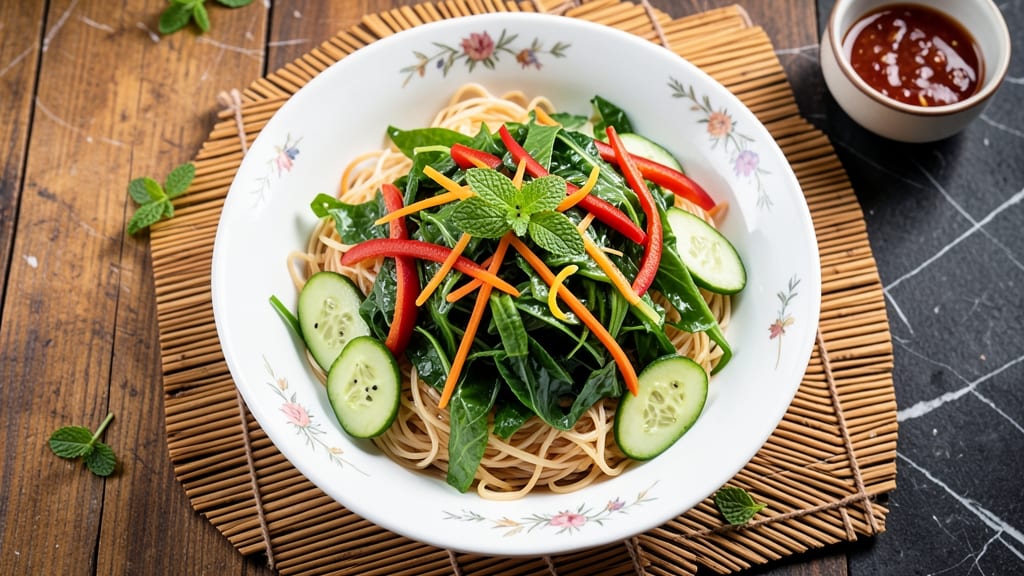
This Asian tossed salad recipe delivers crispy rice noodles and a vibrant peanut-lime dressing that transforms a simple salad into a restaurant-worthy meal. The secret lies in perfectly wok-seared noodles that stay crispy even after tossing, paired with fresh vegetables and a tangy-sweet dressing that balances heat and freshness.
I developed this recipe after craving something light yet satisfying—something that could stand up to bold Asian flavors without feeling heavy.
The foundation of this salad is crispy rice noodles cooked just until al dente, then quickly seared in a hot pan to achieve that satisfying crunch. Fresh ingredients like shredded cabbage, carrots, and cucumber add texture and crunch, while optional protein options—like grilled shrimp or shredded chicken—keep it hearty.
The peanut-lime dressing ties everything together with its creamy, nutty, and tangy profile, making every bite unforgettable.
What sets this salad apart is the crispy texture that holds up even after tossing, thanks to a simple technique of cooking the noodles twice—first in boiling water, then in a hot pan.
The dressing, made with peanut butter, lime juice, soy sauce, and a touch of chili, adds depth and complexity without overpowering the fresh vegetables. This dish is as adaptable as it is delicious, working for vegetarians, pescatarians, or anyone craving a flavorful, textured salad.
Perfect for lunch, dinner, or even as a light main course, this Asian tossed salad is quick to prepare but feels like a gourmet meal. The combination of crispy noodles, fresh vegetables, and rich dressing creates a balance of textures and flavors that’s impossible to resist.
Ready in under 30 minutes, it’s the ideal dish for weeknights or meal prep. Let’s get started!
Ingredients for asian tossed salad
Crispy rice noodles and fresh vegetables meet a bold peanut-lime dressing for a restaurant-quality salad.
| Ingredient | Amount | Notes |
|---|---|---|
| Rice Noodles (Vermicelli, Banh Pheo) 🍜 | 8 oz | Dried, medium-width preferred |
| Green Cabbage 🧅 | 3 cups | Shredded, outer leaves removed |
| Carrots 🥕 | 1 medium | Shredded or julienned |
| English Cucumber 🥒 | 1 whole | Thinly sliced, seeds removed |
| Red Bell Pepper 🌶️ | 1 whole | Thinly sliced, seeds removed |
| Fresh Mint Leaves 🍃 | ¼ cup | Chopped, stems removed |
| Peanut Butter 🥜 | ½ cup | Natural, unsweetened |
| Lime Juice 🍋 | ¼ cup | Freshly squeezed |
| Soy Sauce 🥄 | 2 tbsp | Low-sodium preferred |
| Sesame Oil 🫒 | 1 tbsp | Toasted, for aroma |
| Red Chili Flakes 🌶️ | ½ tsp | Adjust for heat preference |
| Honey 🍯 | 1 tbsp | For sweetness balance |
| Vegetable Oil 🫒 | 2 tbsp | For wok-searing noodles |
| Salt 🧂 | 1 tsp | Kosher or sea salt |
| Grilled Shrimp (Optional) 🦐 | ½ lb | Chopped, cooked separately |
The rice noodles are the star—medium-width vermicelli holds its shape best when wok-seared. Thai Kitchen or Three Ladies brands are my go-to for consistent quality. Look for dried noodles labeled 'banh pheo' or 'vermicelli'—avoid pre-cooked varieties, which won't crisp up properly. The cabbage should be firm and vibrant (no yellowing), and the carrots should be bright orange—these are non-negotiable for texture and flavor. For the optional protein, shrimp cooks in 2 minutes—overcooking turns them rubbery. If substituting chicken, marinate it in soy sauce and lime juice beforehand.
No peanut butter? Almond butter or tahini works in a pinch, though the flavor shifts slightly. Fresh lime juice is ideal, but bottled lime juice at half the amount saves time (though it lacks brightness). For heat, sambal oelek can replace chili flakes at a 1:1 ratio—just start with less. The dressing should coat the back of a spoon but remain pourable; if too thick, add a splash of warm water. The vegetables can be prepped ahead and stored in airtight containers for up to 2 days—just toss with dressing right before serving to maintain crunch.
This salad shines when made fresh, but the dressing keeps for up to 5 days in the fridge (store in a sealed jar). The noodles, once cooked, can be reheated in a dry pan for 30 seconds to restore crispiness. For meal prep, portion the vegetables and dressing separately—combine only when ready to eat. The shrimp, if using, reheats beautifully in a skillet with a splash of soy sauce. Leftovers last 3 days in the fridge, though the noodles may soften slightly—re-crisp in a hot pan before serving again.
Why You'll Love This Recipe
- I use whatever’s in my fridge: extra carrots, wilted cabbage, even last week’s bell pepper. It’s my go-to when I’m low on groceries but still want something that feels special.
- No Boiling Madness: I just soak the rice noodles for 15 minutes—no thermometer, no guesswork—while I chop veggies. The second they’re pliable, they’re ready, and the cabbage stays crisp where it counts.
- Umami-Packed Crunch: That tangy fish sauce dressing cuts through the sweet carrots and bell pepper like a knife, while the cucumber’s cool bite keeps it fresh. Honestly, the first bite makes me want to eat it straight from the bowl.
- Lunchbox Hero: Pack it cold for work or school—no reheating needed. My kids grab these for lunch, and I swear, the red bell pepper stays vibrant for days. (Yes, even on a Tuesday night.)
Step-by-step instructions for crispy rice noodle salad
Here's the precise method for achieving that signature wok-seared texture and vibrant peanut-lime balance.
🍳 Step 1: Prepare and Parboil the Rice Noodles
Bring a large pot of water to a rolling boil and add the 8 oz rice noodles (vermicelli, banh pheo). Cook for exactly 2 minutes—this partial cooking prevents mushiness while allowing the noodles to crisp beautifully in the wok. Drain immediately in a colander and rinse under cold water to stop the cooking process. The noodles should be pliable but still firm to the touch.
Here's the thing—overcooking at this stage is the fastest way to ruin your crispy texture. I press down gently on a noodle with my fingers to check—it should bend slightly but not snap. Spread the drained noodles on a clean kitchen towel and let them dry for 5 minutes while you prep the remaining ingredients. This drying step is critical for achieving that perfect wok-seared crunch.
👨🍳 Step 2: Shred and Slice All Vegetables
Remove the outer leaves from the 3 cups green cabbage and shred it into thin ribbons using a mandoline or sharp knife. For the 1 medium carrot, use a julienne peeler or knife to create fine matchsticks. Thinly slice the 1 whole English cucumber lengthwise and scoop out the seeds with a spoon before cutting into half-moons. Remove the seeds and membranes from the 1 whole red bell pepper and slice into paper-thin strips.
Real talk: The thinner you cut these vegetables, the better they'll absorb the dressing and the more texture contrast you'll get in each bite. I like to work quickly and keep everything in separate bowls to prevent browning. The 0.25 cup fresh mint leaves should be chopped finely—just enough to release their aroma without overpowering the other flavors. Set all prepped vegetables aside until ready to toss.
🔥 Step 3: Wok-Sear the Noodles for Crispy Texture
Heat a wok or large skillet over high heat until it's smoking slightly. Add 2 tablespoons vegetable oil and swirl to coat. Add the partially cooked noodles in a single layer and stir-fry for 2-3 minutes, tossing constantly with tongs. The noodles should develop a golden-brown color and crispy edges—this is where the magic happens. If they stick at all, add a splash of water and keep stirring.
Don't walk away. The noodles go from perfect to burnt in seconds. You're aiming for that restaurant-quality wok hei—the smoky aroma that comes from high-heat cooking. Once they're golden and crispy, transfer the noodles to a large mixing bowl. This step makes all the difference between a soggy salad and one with satisfying texture.
🥘 Step 4: Assemble and Toss with Dressing
In a small bowl, whisk together the 0.5 cup peanut butter, 0.25 cup lime juice, 2 tablespoons soy sauce, 1 tablespoon honey, 0.5 teaspoon red chili flakes, 1 tablespoon sesame oil, and 1 teaspoon salt until completely smooth. Slowly drizzle in 1 tablespoon water at a time while whisking vigorously—this emulsifies the peanut butter for a silky dressing. The mixture should be thick but pourable.
Add the wok-seared noodles to the bowl with all prepped vegetables and the 0.25 cup chopped fresh mint leaves. Pour the dressing over everything and toss gently but thoroughly with your hands or clean tongs. The acidity from the lime will help break down the peanut butter further as it sits, creating that perfect balance of creamy and tangy. If using the 0.5 lb grilled shrimp, add them now and toss lightly to warm through.
⏰ Step 5: Rest and Serve Immediately
Let the salad rest for 5-10 minutes before serving. This brief resting period allows the flavors to meld together and the dressing to fully coat the noodles and vegetables. The noodles will maintain their crispy texture if you serve them immediately, but they'll soften slightly if left too long—this is normal and actually enhances the eating experience.
Serve the salad while still vibrant and crisp. The contrast of textures—crispy noodles, crunchy vegetables, and creamy dressing—makes this dish truly special. Each bite should deliver that perfect balance of peanutty richness, bright citrus, and subtle heat from the chili flakes. For an extra touch, garnish with additional mint leaves and a sprinkle of red chili flakes before serving.
Pro Tips For Making Asian Tossed Salad
- SHRED CABBAGE THIN AND TIGHT: Thick cabbage strips won’t wilt properly and stay crunchy even after dressing. Use a sharp knife or mandoline to slice into paper-thin ribbons, then stack and roll tightly before slicing into matchsticks. This method guarantees even cooking and a satisfying bite in every mouthful.
- CUT CUCUMBER INTO HALVED MOONS: Skip the thick rounds—they’ll sit like rocks in your salad. Instead, halve the cucumber lengthwise, then slice into ¼-inch thick half-moons. This exposes more surface area for the dressing to cling, and the texture stays crisp without turning soggy after 10 minutes.
- DRESS NOODLES SEPARATELY THEN COMBINE: Tossing everything at once drowns the noodles in dressing while leaving the veggies dry. First, mix the noodles with just half the dressing and let them absorb it for 2 minutes. Then fold in the veggies—this ensures every bite has that perfect balance of flavor and texture. (Yes, even if you’re impatient like me.)
Creative variations of this dish
Thai-Inspired Spicy Version
Swap the peanut butter for 2 tablespoons red curry paste (like Maesri) and add 1 tablespoon fish sauce to the dressing. Toss in ½ cup shredded Thai basil and 1 teaspoon palm sugar for depth. Serve with crispy fried shallots on top for that authentic Thai street-food crunch. 🌶️
Japanese Sunomono Twist
Replace the peanut-lime dressing with a rice vinegar-based sunomono sauce: mix 3 tablespoons rice vinegar, 1 tablespoon mirin, 1 teaspoon sugar, and ½ teaspoon salt. Add ¼ cup thinly sliced scallions and 1 tablespoon toasted sesame seeds.
Use soba noodles instead of rice noodles for a lighter texture. This version keeps the salad refreshing and bright.
Vietnamese Summer Rolls Fusion
Wrap the salad components in rice paper wrappers instead of tossing. Use rice vermicelli noodles, shredded lettuce, mint leaves, and shrimp or tofu.
Serve with a nuoc cham dipping sauce (fish sauce, lime, sugar, water). This makes it a handheld, interactive dish perfect for hot weather. 🍃
Spicy Mango-Habanero Dressing
Replace the peanut butter with ½ cup mango chutney (like Mango Madness) and add 1 teaspoon habanero paste for heat. Mix with 1 tablespoon lime juice and 1 teaspoon honey.
Garnish with diced mango chunks and crushed peanuts for a sweet-spicy kick. This version is perfect for those who love fruity heat.
Korean-Inspired Kimchi Crunch
Add ½ cup chopped kimchi to the salad for tangy crunch. Modify the dressing with 1 tablespoon gochujang (Korean chili paste) and 1 teaspoon sesame oil. Top with fried egg and sesame seeds for a hearty, umami-rich bowl. This version is ideal for a hearty lunch or dinner.
Light Citrus-Ginger Dressing
For a lighter option, blend ¼ cup Greek yogurt, 2 tablespoons lime juice, 1 tablespoon honey, 1 teaspoon grated ginger, and ½ teaspoon salt.
This creamy yet tangy dressing pairs beautifully with the crispy noodles and fresh vegetables. Garnish with lime zest and cilantro for brightness. ✨
Nutrition facts
Frequently asked questions
Can I make this salad without rice noodles?
For a gluten-free option, use shredded jicama or thinly sliced cucumber as the base. If you prefer noodles, try soba noodles (Japanese) or rice stick noodles (Thai). Just adjust cooking times—soba needs 3-4 minutes in boiling water before wok-searing.
How do I prevent the dressing from separating?
Emulsify the dressing properly by whisking vigorously while adding 1 tablespoon water at a time. For extra stability, add 1 teaspoon xanthan gum or blend the peanut butter with 2 tablespoons warm water first. Keep the dressing refrigerated and give it a quick stir before using.
What's the best way to store leftovers?
Store the salad in an airtight container for up to 3 days, but keep the dressing separate until ready to eat. To revive crispiness, reheat noodles in a dry pan for 30 seconds before tossing. For longer storage, freeze the dressing separately—it keeps for 1 month and thaws quickly.
Can I make this vegetarian?
Yes! Skip the shrimp and add crispy tofu (pan-fried in sesame oil) or marinated tempeh. Boost protein with edamame or roasted chickpeas. The peanut-lime dressing already works perfectly with plant-based proteins—just toss everything together right before serving for maximum crunch.
Why did my noodles turn mushy?
Overcooking is the #1 culprit—rice noodles only need 2 minutes in boiling water. After draining, rinse with cold water immediately and pat dry. For crispy texture, wok-sear over high heat for exactly 2-3 minutes—don't walk away! If they soften later, reheat in a dry pan for 15-20 seconds.