
Sauces & Condiments
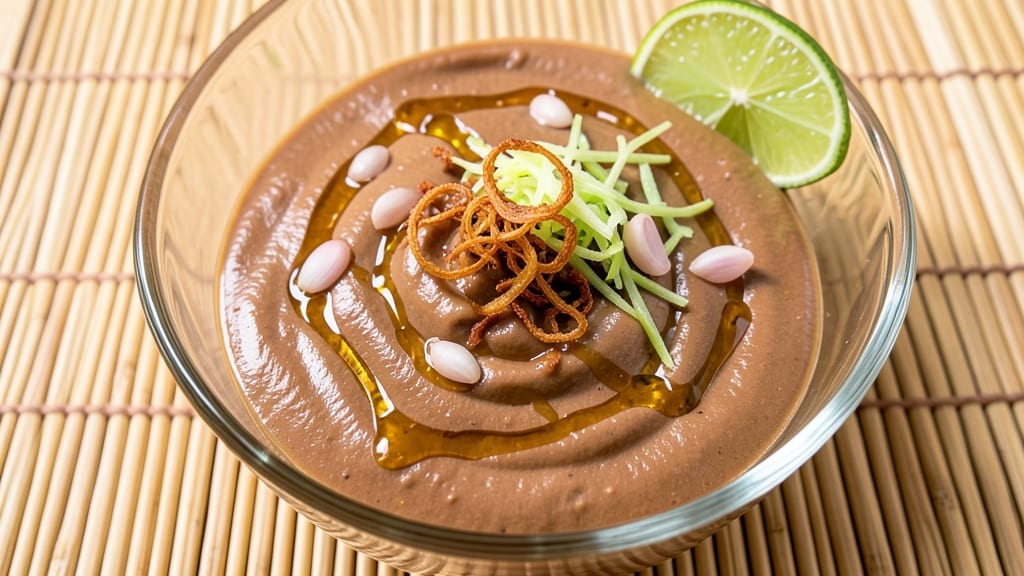
This Asian peanut butter salad dressing transforms ordinary bowls into vibrant, flavor-packed meals with just five simple ingredients. The rich, nutty-sweet profile comes from creamy peanut butter blended with tangy lime juice, savory soy sauce, and aromatic sesame oil—creating a dressing that clings beautifully to greens and noodles alike.
I developed this recipe after craving that perfect balance of sweet, salty, and umami in every bite, and it’s become my go-to for everything from grain bowls to crisp lettuce salads.
The secret lies in the texture—smooth yet slightly thick, so it coats ingredients without overwhelming them. A touch of fresh ginger and garlic adds depth, while a drizzle of toasted sesame oil elevates the dressing from ordinary to extraordinary.
Unlike store-bought versions, this recipe delivers authentic Asian-inspired flavor without artificial additives, making it perfect for both vegan diets and flavor-forward meals.
What makes this dressing truly special is its versatility. Drizzle it over fresh greens, toss it with cold soba noodles, or use it as a marinade for tofu or grilled chicken. The nutty-sweet crunch pairs beautifully with crunchy vegetables, creamy avocado, or even as a dip for spring rolls.
Best of all, it keeps well in the fridge for up to a week, so you can make a batch and enjoy it throughout the week.
For an extra boost of texture, stir in crushed peanuts or sesame seeds before serving. This dressing isn’t just a condiment—it’s the star of the bowl, bringing together rich, savory, and slightly sweet notes in every spoonful. Let’s make it!
Ingredients for asian peanut butter salad dressing
Five ingredients transform into this nutty-sweet dressing that’ll make every bowl sing.
| Ingredient | Amount | Notes |
|---|---|---|
| Creamy Peanut Butter 🥜 | ½ cup | Natural, unsweetened preferred |
| Toasted Sesame Oil 🫒 | 2 tbsp | For authentic aroma |
| Fresh Lime Juice 🍋 | ¼ cup | Strain seeds out |
| Soy Sauce 🍶 | 2 tbsp | Low-sodium preferred |
| Fresh Ginger 🌿 | 1 tbsp | Finely grated, fresh preferred |
| Garlic Cloves 🧄 | 2 cloves | Minced for smooth texture |
| Water 💧 | ¼ cup | Adjust for desired thickness |
| Maple Syrup 🍯 | 1 tbsp | For natural sweetness |
| Crushed Peanuts 🥜 | 2 tbsp | Optional for texture boost |
The peanut butter is your flavor anchor—natural, unsweetened makes all the difference. Trader Joe’s or Smucker’s are my go-tos, but any creamy variety works. Toasted sesame oil? Don’t skip it—that nutty aroma is what makes this dressing taste authentically Asian. Grab a small bottle from the international aisle at Walmart or Kroger if you can’t find it. For the lime juice, Yukon Golds are my favorite—they’re juicier and less bitter. Fresh ginger and garlic? Buy organic if possible, or at least peel the garlic well since it’s unpeeled in the recipe.
No peanut butter? Almond butter or tahini works in a pinch, though texture will differ slightly. Short on sesame oil? Toast regular sesame seeds in a dry pan first, then grind into oil using a mortar and pestle—it’s close enough. The maple syrup can be swapped for agave or coconut sugar syrup, but maple gives that classic Asian sweetness. For extra thickness, reduce the water slightly—this dressing should coat the back of a spoon but still drizzle easily. No food processor? A blender works fine, just scrape down the sides once or twice for even blending.
This dressing keeps beautifully—1 week in the fridge sealed in a jar. For extra crunch, stir in crushed peanuts or toasted sesame seeds right before serving. Freeze in ice cube trays if you want single-serving portions—just thaw and stir. The flavor actually improves after a day or two as everything melds together. Double the batch if you’re using it for a big spread—it disappears fast when people realize how good it is.
Why You'll Love This Recipe
- Five-Ingredient Magic: I swear by this—just stir, taste, adjust. No blender, no fuss, and honestly? That first spoonful of peanut butter and lime juice is the best part of the whole process.
- Umami Bomb: The ginger and toasted sesame oil hit like a flavor grenade—bright, spicy, and rich all at once. One taste and you’ll be drizzling it on everything (I have).
- Lunchbox Hero: Pack it for work, toss it in a mason jar, or keep it in the fridge for days. It turns sad greens into a meal, and yes, even my picky-eating teens ask for seconds.
- Budget Game-Changer: Peanut butter and soy sauce stretch this dressing further than any fancy bottle. A little goes a long way, and I’ve made a whole week’s worth for under $5. No regrets.
Step-by-step instructions for Asian peanut butter salad dressing
This creamy, nutty dressing comes together in minutes with bold Asian flavors you'll crave.
Whisk Peanut Butter Until Smooth
In a medium bowl, combine the 0.5 cup creamy peanut butter with the 2 tablespoons toasted sesame oil. Using a whisk or fork, stir vigorously for 2-3 minutes until completely smooth and free of lumps. You're breaking down the peanut butter's natural oils to create a silky base. If it still looks grainy, add 1 tablespoon water and whisk again.
This step is crucial for texture. Natural peanut butter separates easily, so don't rush it. The sesame oil will begin to emulsify with the peanut butter, creating that signature creamy consistency we want. You'll know it's ready when the mixture looks uniform and glossy.
Add Lime, Soy, and Sweetener
Next, stir in the 0.25 cup fresh lime juice (strain out any seeds), 2 tablespoons soy sauce, 1 tablespoon maple syrup, and the minced 2 cloves garlic. The lime juice will brighten the flavors while cutting through the richness of the peanut butter. The soy sauce adds umami depth, and the maple syrup balances the acidity with natural sweetness.
Taste the mixture now. It should be tangy, slightly sweet, and aromatic from the garlic and ginger you'll add next. If it needs more balance, you can adjust here—add a touch more lime for acidity or maple syrup for sweetness. This is your flavor foundation, so don't skip tasting.
Incorporate Ginger and Water
Add the 1 tablespoon finely grated fresh ginger and the 0.25 cup water. Whisk until the ginger is fully dissolved and the mixture reaches your desired consistency. The water helps thin the dressing enough to coat greens or noodles evenly. If it's still too thick after whisking, add 1 more tablespoon water at a time until smooth.
The ginger will infuse warmth and complexity. You should smell that fresh, zesty aroma—this is where the dressing transforms from basic to truly Asian-inspired. The water also helps distribute all the flavors evenly. Give it one final taste to ensure the balance of sweet, salty, tangy, and umami.
Finish with Crushed Peanuts
For texture, stir in the 2 tablespoons crushed peanuts just before serving. These add a delightful crunch that contrasts beautifully with the creamy dressing. If you prefer a smoother texture, you can omit them or reserve some for garnish instead of mixing them in.
Let the dressing sit for 5-10 minutes before using. This resting time allows all the flavors to meld together perfectly. The peanut butter will continue to emulsify slightly, and the ginger will soften just enough to release its full aroma. Now it's ready to elevate any Asian-inspired bowl!
Pro Tips For Making Asian Peanut Butter Salad Dressing
- Whisk in stages: Don’t dump all ingredients at once—start with peanut butter and lime juice, then slowly add soy sauce and ginger while whisking. This keeps the dressing smooth and prevents clumping from the peanut butter’s oil separating.
- Grate ginger fine: Use a microplane or the smallest holes on a box grater—no chunks, no pulp. I learned this the hard way after tasting a dressing with visible ginger specks. It’s the thing that matters most for a silky texture.
- Warm the peanut butter: If your peanut butter is thick or grainy, microwave it for 10 seconds first. Cold peanut butter turns the dressing into a gloppy mess—trust me, I’ve made it both ways.
- Taste before adding oil: Skip the sesame oil until the end and taste the base first. You might need less oil than you think, and adding it early can overpower the balance of sweet, salty, and tangy flavors. (Yes, even if you’re impatient like me.)
Flavor customization for this dish
Sweet Heat Level
Adjust the sweetness and spice to match your taste buds. For a milder version, reduce the maple syrup to ½ tablespoon and add ½ teaspoon honey (or skip it entirely).
For extra heat, stir in ½ teaspoon sriracha or 1 teaspoon gochujang—this adds a fermented, slightly spicy kick that pairs perfectly with the nutty base. 🌶️
If you love tropical flavors, swap the lime juice for ½ cup orange juice and add ½ teaspoon grated orange zest for a citrusy twist. For a caramelized depth, lightly toast 1 teaspoon brown sugar in a dry pan until fragrant, then whisk it into the dressing.
This adds a subtle smoky sweetness that’s irresistible.
Savory Depth Options
Boost the umami by adding 1 teaspoon miso paste (white or red) for a rich, fermented flavor. Or stir in 1 teaspoon fish sauce (if not vegan) for an authentic Southeast Asian touch.
For a herbaceous note, blend in 1 tablespoon chopped cilantro or Thai basil—this brightens the dressing and adds freshness. 🌿
Need extra tang? Add 1 teaspoon rice vinegar or 1 teaspoon apple cider vinegar to cut through the richness.
If you’re using this dressing as a marinade, increase the soy sauce to 3 tablespoons and add ½ teaspoon smoked paprika for a smoky, savory profile that works beautifully with tofu or grilled chicken.
Texture Variations
For a chunkier texture, blend in 2 tablespoons finely chopped scallions or 1 tablespoon toasted sesame seeds right before serving. If you love crunch, pulse 1 tablespoon crushed peanuts in a food processor until finely ground, then mix them into the dressing.
This creates a peanut butter "sand" texture that’s addictive. 🥜
Want a smoother dressing? Strain the mixture through a fine-mesh sieve to remove any ginger fibers or garlic bits. For a lighter version, replace 2 tablespoons of the peanut butter with 2 tablespoons tahini—this keeps the creamy texture but adds a more subtle, nutty flavor.
Both options work beautifully over delicate greens like butter lettuce or shaved cabbage.
Regional Twists
For a Thai-inspired version, add ½ teaspoon lemongrass paste (or 1 tablespoon finely chopped lemongrass) and ¼ teaspoon coriander seeds (toasted and ground). This gives the dressing a fragrant, citrusy depth that’s perfect for summer rolls or green papaya salad. 🌺
Give it a Japanese-inspired makeover by swapping the soy sauce for 2 tablespoons tamari and adding ½ teaspoon grated daikon radish for a refreshing crunch.
For a Vietnamese-inspired twist, stir in 1 teaspoon hoisin sauce and ½ teaspoon black pepper—this adds a sticky, slightly sweet complexity that’s perfect for rice noodle bowls.
Nutrition facts
Frequently asked questions
Can I make this dressing without peanut butter?
Yes! For a nut-free version, replace the peanut butter with ½ cup tahini (sesame paste) or ½ cup almond butter. The texture will be slightly thinner, so add an extra 1 tablespoon water to adjust consistency. The flavor will still be rich and nutty, just with a different base.
How long does this dressing last in the fridge?
This creamy dressing stays fresh for up to 1 week when stored in an airtight container in the refrigerator. For longer storage, freeze in 1-tablespoon portions in ice cube trays—thaw overnight in the fridge before using. The flavors actually develop and meld beautifully over time!
What's the best way to thin this dressing if it's too thick?
Start by adding 1 tablespoon water at a time while whisking until you reach your desired consistency. If it's still too thick after 2 tablespoons, try adding ½ teaspoon rice vinegar—it helps thin while adding subtle tang. For a smoother texture, strain through a fine-mesh sieve to remove any ginger fibers.
Can I use this dressing on non-salad dishes?
This versatile dressing works beautifully as a marinade for tofu or grilled chicken, a dip for spring rolls or veggie sticks, or even a glaze for roasted vegetables. For marinades, increase the soy sauce to 3 tablespoons and add ½ teaspoon smoked paprika for extra depth.
Why did my dressing separate?
Separation usually happens when oils and liquids aren't properly emulsified. Whisk vigorously for 2-3 minutes when combining peanut butter and sesame oil, or blend with a food processor. If it separates later, simply whisk in 1 teaspoon water or ½ teaspoon lemon juice to re-emulsify. For prevention, store it in the fridge and give it a good stir before each use.