
Sauces & Condiments
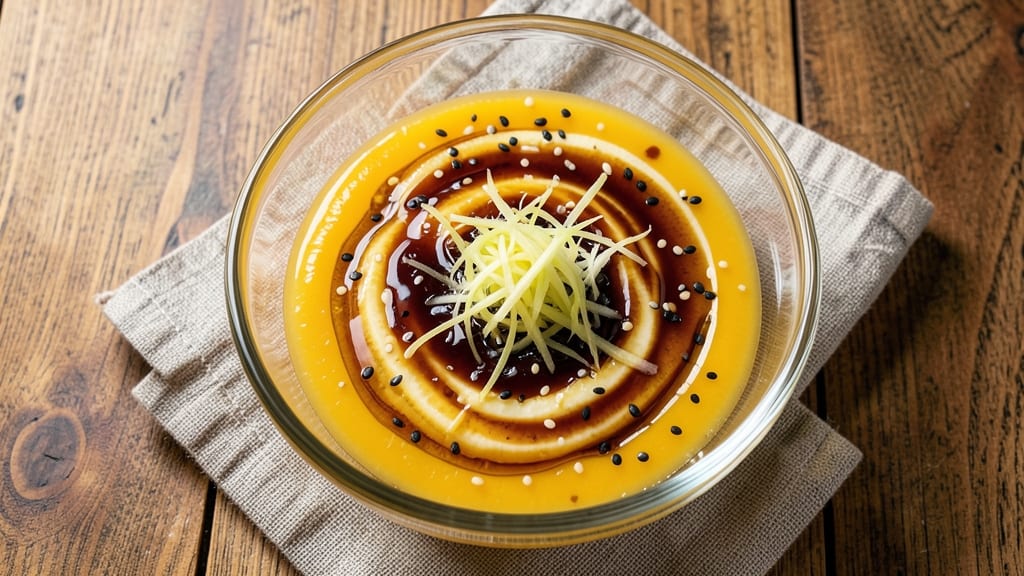
This Asian orange ginger salad dressing recipe transforms ordinary salads into vibrant, restaurant-quality meals with just a few ingredients. The bright citrus and fiery ginger create a perfect balance that elevates any dish, while the emulsification process ensures it stays fresh and flavorful for days.
I developed this dressing after craving something zesty and refreshing that could stand up to bold Asian flavors without overpowering them.
The secret lies in the combination of freshly grated ginger and orange juice, which infuse the dressing with a lively, aromatic punch. A touch of rice vinegar adds tanginess, while sesame oil brings a nutty depth that ties everything together.
This dressing isn't just for salads—it works as a marinade for grilled meats, a dipping sauce for spring rolls, or even a glaze for roasted vegetables. The emulsification technique ensures a smooth, silky texture that clings beautifully to ingredients.
What makes this dressing truly special is its ability to enhance rather than dominate the flavors of your dish. The citrus brightens leafy greens, while the ginger adds warmth that lingers on the palate.
Whether you're serving it over a crisp Asian slaw, drizzling it over grilled chicken, or using it as a dip, this dressing delivers consistent, professional-quality results every time. The best part? It comes together in just minutes with simple pantry staples.
Once you try this dressing, you'll find yourself reaching for it again and again—it's that good. The blend of sweet, spicy, and umami creates a flavor profile that's both familiar and exciting.
Store it in the refrigerator for up to a week, and watch as it transforms even the simplest dishes into something extraordinary. Let's get started on creating this versatile, crowd-pleasing dressing.
Ingredients for asian orange ginger salad dressing
Eight simple ingredients transform into a dressing that's restaurant-quality and pantry-friendly.
| Ingredient | Amount | Notes |
|---|---|---|
| Fresh Orange Juice 🍊 | ½ cup | Freshly squeezed, no pulp |
| Fresh Ginger Root 🌿 | 2 tbsp | Finely grated, not minced |
| Rice Vinegar 💧 | 2 tbsp | Seasoned or unseasoned |
| Sesame Oil 🫒 | 1 ½ tbsp | Toasted for nutty flavor |
| Low-Sodium Soy Sauce 🍜 | 1 ½ tbsp | For umami depth |
| Honey 🍯 | 1 tbsp | Or agave for vegan option |
| Garlic Cloves 🧄 | 1 whole | Minced for subtle aroma |
| Water 💧 | ¼ cup | For emulsification |
| Salt 🧂 | ½ tsp | Adjust to taste |
| Black Pepper 🌶️ | ¼ tsp | Freshly cracked |
The ginger and orange juice are the stars here. Fresh ginger from the produce section (not the jarred kind) gives the most vibrant flavor—look for firm, bumpy roots with no soft spots. Navel oranges work best for juice, but any sweet orange variety does the trick. The sesame oil? Toasted sesame oil from Trader Joe's or Asian markets adds that nutty depth that sets this dressing apart. Don't skimp on the quality here—these are the ingredients that make it sing.
No fresh ginger? Ginger paste from a tube works in a pinch, but it's not the same. Short on orange juice? Fresh grapefruit juice at half the amount adds a tangy twist. The honey can be swapped for agave or maple syrup if you're avoiding refined sugar. For extra umami, add a dash of fish sauce (if you're not avoiding it) or another half tablespoon of soy sauce. The garlic can be roasted for a sweeter note—just wrap the whole clove in foil and microwave for 30 seconds before mincing.
This dressing keeps beautifully in the fridge for up to 1 week, but the emulsification trick makes it last even longer. Store it in a small glass jar with a tight-sealing lid—glass preserves the flavors better than plastic. Shake well before each use, especially after a few days. It's perfect for meal prep: make a double batch and keep it on hand for quick salads, marinades, or dipping sauces. The flavors actually improve after a day or two as everything melds together.
Why You'll Love This Recipe
- No Peel Required: I keep a jar of peeled ginger in the fridge now—just grate what I need straight from the jar. That bright, zesty kick from fresh ginger (and orange juice) makes this dressing actually taste homemade, not bottled. Plus, the rice vinegar cuts through the sweetness just enough to keep it balanced.
- Bright & Tangy: Honestly, the moment I mix that fresh orange juice with the ginger and sesame oil, my kitchen smells like a sunlit market. The low-sodium soy sauce adds this deep, savory note that makes it work on everything from grilled chicken to cold noodles—no weird aftertaste, just pure flavor.
- Weeknight Magic: Between us, this is my secret weapon for lazy nights. I throw together a batch while microwaving leftovers, and suddenly my sad takeout salad feels like a restaurant dish. It keeps in the fridge for at least a week, so I’m always covered.
- Budget Brightener: Fresh ginger and oranges are cheap at the grocery store, and a little sesame oil goes a long way. I make a big batch, use it all week, and still have change left for actual vegetables. (Yes, even on a Tuesday night.)
Step-by-step instructions for Asian orange ginger salad dressing
Here's how to make this vibrant dressing that balances sweet, tangy, and spicy flavors perfectly.
Prepare the Ginger and Garlic Base
Start by peeling the 1 whole garlic cloves and finely mincing it. I like to use the flat side of my chef's knife to crush it first, then mince—this releases more flavor. Next, peel the 2 tbsp Fresh Ginger Root and grate it using a fine grater or microplane. You want a smooth paste, not rough chunks, so take your time here. The ginger should yield about 2 tbsp of finely grated root.
Transfer both the minced garlic and grated ginger to a small bowl. This is your aromatic foundation—where all the bright, zesty flavors begin. Let them sit at room temperature while you prepare the rest of the ingredients. This step is crucial because fresh ginger and garlic release their oils when exposed to air, intensifying their flavor in the final dressing.
Combine Wet Ingredients for Emulsification
In a measuring cup, combine the 0.5 cup Fresh Orange Juice (make sure it's freshly squeezed and strained to remove any pulp), 2 tbsp Rice Vinegar, 1 tbsp Honey, and 0.25 cup Water. Give this mixture a quick stir to dissolve the honey completely. The orange juice should be bright and vibrant—if it tastes dull, squeeze a bit more orange to get that fresh zing.
Next, add the 1.5 tbsp Sesame Oil and 1.5 tbsp Low-Sodium Soy Sauce to the wet mixture. This is where the umami and nutty flavors come into play. Stir well to incorporate all the ingredients. The sesame oil will give the dressing its signature rich texture, while the soy sauce adds depth. Don't worry if it looks slightly separated at this point—we'll fix that next.
Blend and Emulsify the Dressing
Transfer the wet ingredients to a blender or food processor. Add the grated ginger and minced garlic from Step 1. Blend on high speed for 10-15 seconds until the mixture is completely smooth. The goal here is to create a homogeneous base where all the flavors are evenly distributed. If you're using a fork to mash the ginger and garlic, make sure there are no visible chunks—this ensures a silky texture in your dressing.
After blending, pour the mixture back into your measuring cup. Using a whisk, vigorously whisk the dressing for 2-3 minutes. You'll notice it starts to thicken and become glossy as the ingredients emulsify. This step is key to getting that signature creamy texture that clings perfectly to salads. If the dressing still looks separated, add 1 tsp of water at a time until it comes together smoothly.
Season and Adjust the Flavor
Add the 0.5 tsp Salt and 0.25 tsp Black Pepper to the emulsified mixture. Stir well to combine. Taste the dressing immediately—this is your chance to adjust the balance of flavors. If it needs more brightness, add a splash of orange juice. If it's too sharp, a touch of honey will help. I usually find this recipe hits the sweet spot, but everyone's taste buds are different.
Let the dressing rest for 5-10 minutes at room temperature. This allows all the flavors to meld together perfectly. The dressing should have a vibrant orange hue with a glossy sheen. If you're making this ahead of time, store it in an airtight container in the refrigerator for up to 5 days. The flavors actually improve as it sits, becoming more complex and balanced.
Use and Store Properly
Before using, give the dressing a good stir—it may separate slightly after refrigeration. If it's too thick, thin it with 1-2 tsp of water or a splash of orange juice until it reaches your desired consistency. This dressing works beautifully on Asian-inspired salads, grain bowls, or even as a marinade for grilled meats. The perfect ratio is about 2 tablespoons per serving, so for a salad that serves 4, you'll use about ½ cup of dressing.
For best results, use the dressing within 24 hours of making it for maximum freshness. The flavors will be at their peak, and the texture will be perfectly balanced. If you have leftovers, store them in the fridge and give them a good shake before using again. This dressing is incredibly versatile—try it on your favorite greens, noodle salads, or even as a dipping sauce for spring rolls!
Pro Tips For Making Asian Orange Ginger Salad Dressing
- PEEL GINGER LIKE A PRO: Use a spoon’s back to scrape off the skin—no peeler needed. I learned this the hard way after slicing my fingers on a knife, and it’s faster too. Just hold the ginger flat on the cutting board and scrape in one smooth motion.
- STRAIN THE GINGER JUICE: After grating or mincing, press the ginger through a fine-mesh sieve to remove pulp—this keeps your dressing silky, not gritty. I used to skip this, and the texture always felt off. Takes 10 seconds but makes a real difference.
- MIX IN SESAME OIL LAST: Add the sesame oil after everything else is combined—otherwise, it’ll separate and turn your dressing cloudy. Stir it in gently, almost like you’re folding in egg whites. Trust me, it’s worth the extra second.
- USE COLD ORANGE JUICE: Chill the orange juice in the fridge for 10 minutes before mixing—it balances the heat of the ginger and keeps the dressing from getting too warm. I was skeptical until I tried it; now I never make dressing without this step.
Make-ahead tips for this dish
Prep Ahead Components
I always prep the ginger and garlic base first when making this dressing ahead. Peel and finely grate the 2 tbsp fresh ginger root and mince 1 whole garlic clove, then store them in a small airtight container in the fridge for up to 3 days.
This keeps the aromatics fresh and ready to blend when you're ready to make the dressing. 🌿
Emulsification Timeline
The dressing reaches peak flavor after 24 hours in the fridge, but the emulsification process continues for up to 5 days. Make the full dressing (without the salt and pepper) and store it in a glass jar with a tight lid.
The flavors meld beautifully overnight, creating a more complex taste profile. Just whisk vigorously before using to re-emulsify.
Portioning for Convenience
Divide the dressing into small glass jars (about ¼ cup each) before storing. This makes it perfect for meal prep—grab one jar for your salad, another for marinating, and another for dipping.
The smaller portions also make it easier to shake and re-emulsify when needed. Label them with the date to track freshness. ✨
Freezing for Long-Term Use
While this dressing is best fresh, you can freeze it for up to 3 months in ice cube trays. Once frozen, transfer the cubes to a freezer bag with all the air removed.
Thaw overnight in the fridge before using—add 1 tsp water per cube to restore the emulsified texture. The flavor won't be as vibrant as fresh, but it's a great backup for when you run out.
Marinade Prep Shortcut
For grilled meats, make a double batch and store half as a marinade. Use ½ cup of the dressing per 1.5 lbs of protein (like chicken or tofu) and marinate for 30 minutes to 2 hours. The citrus and ginger tenderize beautifully while adding incredible flavor. Just
Dressing Refresh Trick
If your stored dressing separates or tastes flat after a few days, revive it by whisking in 1 tsp fresh orange juice and ½ tsp toasted sesame oil. The fresh citrus brightens the flavors, and the sesame oil restores that nutty depth. This works like a magic reset button for tired dressing. 💫
Nutrition facts
Frequently asked questions
Can I use bottled orange juice instead of fresh?
Freshly squeezed orange juice gives the best flavor, but bottled works in a pinch. Look for 100% orange juice with no added sugars—this prevents an overly sweet dressing. If using bottled, reduce the honey to ½ tbsp to balance the sweetness. The dressing will still taste great, though it won't have that bright, zesty punch from fresh citrus.
How do I adjust the spice level for sensitive palates?
If the ginger feels too fiery, reduce it to 1 tbsp instead of 2 tbsp. For extra mildness, swap the fresh ginger with ½ tsp ground ginger (though texture will differ). The honey and orange juice naturally mellow the heat—just taste as you go and adjust with more citrus or a touch of water to thin it out.
Why did my dressing separate after refrigeration?
This happens when oil and liquid ingredients don't fully emulsify. Whisk vigorously for 2-3 minutes before storing, and add 1 tsp water at a time if needed. For a quick fix, place the jar in warm water for 10 seconds to loosen the ingredients, then shake hard. The dressing should re-emulsify with proper whisking.
What other vegetables pair well with this dressing?
This dressing shines with Asian greens like bok choy or cabbage, shredded carrots, cucumber, or edamame. For heartier salads, add steamed broccoli, snap peas, or shredded Brussels sprouts. The citrus and ginger complement earthy flavors beautifully—try it with roasted sweet potatoes or grilled eggplant too.
Can I make this dressing without sesame oil?
Yes! Replace the 1.5 tbsp sesame oil with 1 tbsp neutral oil (like avocado or light olive oil) plus ½ tbsp soy sauce for depth. The dressing will lose some nutty richness but still taste delicious. For extra umami, add ½ tsp fish sauce (if using) or a pinch of white miso paste.