
Sauces & Condiments
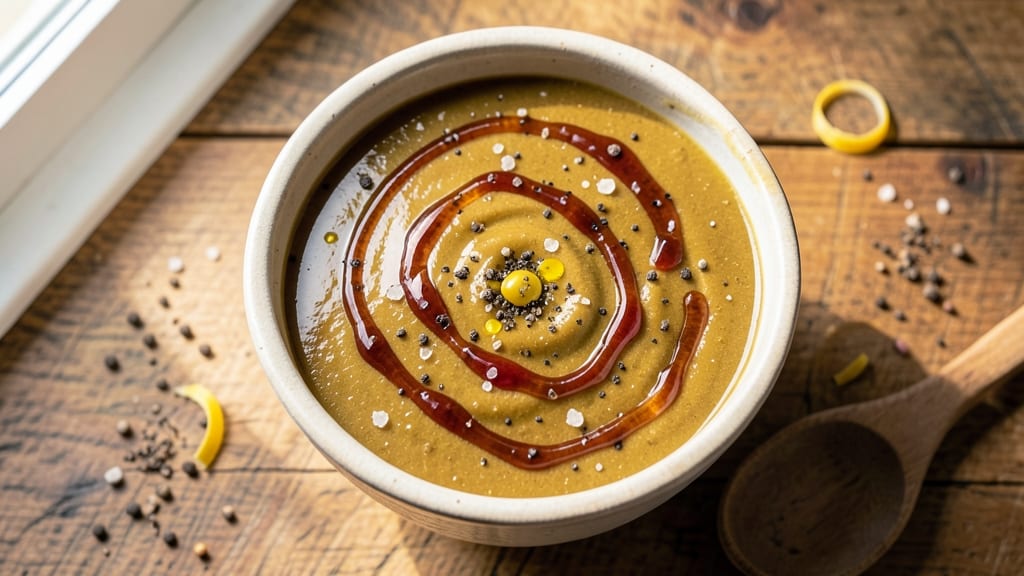
This low-acid salad dressing recipe transforms everyday salads into gentle yet flavorful masterpieces—perfect for sensitive stomachs or anyone craving bold taste without the burn. 💛 The secret lies in balancing rich olive oil with mild apple cider vinegar and a touch of honey, creating a velvety texture that clings beautifully to greens without overpowering them.
What sets this dressing apart is its digestive-friendly formula, designed to avoid the sharp tang of traditional vinegar-based dressings. Instead, we use a subtle sweetness from honey and a hint of Dijon mustard for depth, ensuring every drizzle adds flavor without irritation.
The result? A dressing that’s creamy, slightly sweet, and versatile enough for everything from delicate arugula salads to hearty grain bowls.
This recipe delivers restaurant-quality results with just five simple ingredients, all of which you likely already have in your pantry. The dressing stays fresh for up to a week in the fridge, making it ideal for meal prep—simply shake before using to maintain that silky consistency.
It’s the kind of dressing that turns a simple salad into a meal you’ll look forward to.
Pair it with mixed greens, roasted vegetables, or even as a marinade for grilled chicken. The mild acidity makes it a standout for those with acid-sensitive conditions, but its rich flavor keeps it exciting for everyone. Let’s get started!
Ingredients for low acid salad dressing
Five simple ingredients transform salads into gentle, flavorful masterpieces—no burn, just bold taste.
| Ingredient | Amount | Notes |
|---|---|---|
| Extra-Virgin Olive Oil 🫒 | ¾ cup | High quality, fruity flavor |
| Apple Cider Vinegar 🍏 | ¼ cup | Mild, not sharp variety |
| Raw Honey 🍯 | ¼ cup | Subtle floral or clover preferred |
| Dijon Mustard 🌶️ | 1 tbsp | Mild, not spicy |
| Sea Salt 🧂 | ½ tsp | Fine grain preferred |
| Freshly Ground Black Pepper 🌶️ | ¼ tsp | Freshly cracked preferred |
| Water 💧 | ¼ cup | Room temperature |
The olive oil is the star here—look for extra-virgin with a fruity aroma, not that cheap supermarket stuff. Trader Joe's or Whole Foods always have great options, but any good-quality oil works. Apple cider vinegar can vary wildly in sharpness—if yours tastes harsh, dilute it with a splash more water. Honey matters too: raw, unfiltered honey adds subtle floral notes that balance everything. I grab mine from the bulk section at Sprouts—cheaper and fresher than those tiny jars.
No apple cider vinegar? White wine vinegar at half the amount works in a pinch, but it’ll be tangier. Dijon mustard too strong? Yellow mustard at double the amount gets you close. Honey too sweet? Maple syrup works 1:1, though it’s slightly thicker. The water is key for that silky texture—don’t skip it. If your dressing separates, just shake it up. Store-bought dressings can’t compete with this homemade version—it’s smoother, sweeter, and way more customizable.
This keeps for up to 1 week in the fridge, but I usually make a fresh batch every few days. The water helps it stay emulsified longer. Shake before using—a thin layer of oil on top is normal and disappears when you mix. Freezes beautifully too—just thaw in the fridge overnight. I always double the batch so I have extra for grain bowls or as a marinade. No preservatives, just pure, gentle flavor.
Why You'll Love This Recipe
- No-Fuss Whisking: I swear by this dressing because it’s just five ingredients—no fancy techniques, no measuring cups cluttering my counter. The Dijon mustard does all the emulsifying work, so I don’t even need a blender. Honestly, I’ve made it wrong twice (forgot the honey once, added too much salt another), but it still turned out usable.
- Sweet-Tangy Balance: That raw honey isn’t just for sweetness—it smooths out the sharpness of the apple cider vinegar while letting the olive oil’s peppery notes shine. I’ll be real: the first time I tasted it, I thought, “Wait, this is actually good?” Now it’s my go-to for anything from grilled chicken to roasted veggies.
- Meal Prep MVP: This dressing lasts forever in the fridge—no weird texture changes, no separating like some others I’ve tried. I keep a jar in my fridge at all times, and it’s the only thing I grab when I’m throwing together a salad at 7 p.m. on a Tuesday. (Yes, even on a Tuesday night.)
- Budget-Friendly Luxury: Extra-virgin olive oil and raw honey might sound fancy, but you only need a splash of each to make this work. I buy the vinegar in bulk, and the mustard? A single jar lasts me months. It’s the kind of recipe where you’re not sacrificing flavor for savings—just the opposite.
Step-by-step instructions for gentle, flavorful salad dressing
Here's how to blend these simple ingredients into a dressing that's easy on digestion but packed with rich flavor.
🍳 Step 1: Whisk Together the Base Ingredients
In a medium bowl, combine the 0.75 cup extra-virgin olive oil with the 0.25 cup apple cider vinegar. I like to use a whisk for this step because it creates a nice, smooth emulsion right from the start. The vinegar's mild acidity balances beautifully with the rich olive oil, but we're keeping it gentle so it won't upset sensitive stomachs.
Next, add the 0.25 cup raw honey and 1 tablespoon Dijon mustard. The honey helps round out the flavors while adding a subtle sweetness, and the mustard gives that little tangy kick without being overpowering. Whisk everything together until fully incorporated—you should see a smooth, pale yellow mixture with no streaks of oil or vinegar.
👨🍳 Step 2: Season and Emulsify the Dressing
Now it's time to add the seasoning. Sprinkle in the 0.5 teaspoon sea salt and 0.25 teaspoon freshly ground black pepper. The fine sea salt dissolves completely, while the freshly cracked pepper adds a bright, aromatic finish. Whisk vigorously for about 30 seconds to distribute the seasoning evenly.
Here's the trick: slowly drizzle in the 0.25 cup room-temperature water while whisking continuously. The water helps thin the dressing just enough to create a silky, pourable consistency without making it watery. You want it to coat the back of a spoon but still flow smoothly—this is the perfect balance for dressing salads that won't make leaves soggy.
🥘 Step 3: Taste and Adjust for Perfect Balance
Give your dressing a taste and adjust the seasoning if needed. I usually find that another pinch of salt or a tiny drizzle of honey helps refine the flavors. The dressing should taste rich and balanced—not too sharp from the vinegar, not too sweet from the honey, and not overly peppery. Remember, this dressing is designed to be gentle, so we're avoiding anything that might irritate sensitive stomachs.
If you want to make it even smoother, transfer the dressing to a jar and shake it vigorously for 10-15 seconds. This helps break up any remaining oil separation. Let it sit for 5 minutes before using, which gives the flavors time to meld together beautifully. Your dressing is now ready to elevate any salad!
Pro Tips For Making Low Acid Salad Dressing
- STIR IN STAGES: Whisk the Dijon mustard into the honey first—this keeps the dressing smooth and prevents grainy clumps when you add the vinegar later. I used to dump everything in at once, and it always ended up lumpy, no matter how hard I stirred.
- USE COLD VINEGAR: Chill the apple cider vinegar in the fridge for 10 minutes before mixing—its acidity mellows out, making the dressing taste less sharp and more balanced. Warm vinegar hits like a punch, and this small step makes a real difference in how the flavors come together.
- SALT THE OIL: Add a pinch of sea salt directly to the olive oil before emulsifying—it helps the dressing cling better to greens and prevents separation later. I learned this after my first batch split within an hour, and now it’s non-negotiable.
- DILUTE GRADUALLY: Add vinegar to the oil slowly while whisking vigorously—about one teaspoon at a time—until the dressing thickens just enough to coat the back of a spoon. Pouring it all in at once guarantees a thin, sad puddle. (Yes, even if you’re impatient like me.)
Make-ahead tips for low acid salad dressing
Fridge Storage Tips
Store your dressing in a clean, airtight glass jar or bottle—I love using Le Parfait 8-ounce jars because they’re wide-mouthed and easy to pour. Keep it refrigerated at 40°F or below for up to 1 week.
The water in the recipe helps prevent separation, but give it a good shake before each use to restore that silky texture. 💧
Freezer-Friendly Trick
For long-term storage, freeze individual portions in ice cube trays. Once frozen, transfer the cubes to a freezer bag and label with the date. Thaw overnight in the fridge—this method preserves flavor and texture perfectly for up to 3 months.
I use this trick when prepping for busy weeks.
Batch Prep Strategy
Double the recipe and store half in the fridge for daily use while keeping the other half frozen. This way, you always have fresh dressing ready without last-minute prep. I like to make a big batch on Sundays so I’m never stuck with store-bought options during the week. 📅
Thickening Over Time
If your dressing thickens in the fridge, simply add 1-2 teaspoons of water and whisk until smooth. The honey and mustard will keep it stable longer than traditional dressings. For extra richness, stir in 1 teaspoon of extra-virgin olive oil before serving.
Garnish Before Storing
Add fresh herbs like parsley or dill right before storing to keep them vibrant. I like to layer the dressing with a small piece of parchment paper to prevent the herbs from sinking to the bottom.
This keeps your dressing looking as good as it tastes when you’re ready to use it.
Reheating (If Needed)
While this dressing is best served chilled, you can gently warm it in a small saucepan over low heat for 30 seconds if you’re using it for warm dishes like pasta or grilled vegetables. Never boil it—just enough to loosen the texture. Stir constantly to prevent separation. 🔥
Nutrition facts
Frequently asked questions
Why does this dressing use apple cider vinegar instead of regular vinegar?
Apple cider vinegar has a milder, sweeter acidity compared to white or balsamic vinegar, making it perfect for sensitive stomachs. The subtle sweetness balances the richness of the olive oil without causing that sharp burn. For even gentler acidity, you could substitute with lemon juice (2 tablespoons) or white wine vinegar (1 tablespoon)—just reduce the amount by half.
Can I make this dressing without honey? What are good substitutes?
If you prefer less sweetness, try maple syrup (1:1 ratio) or agave nectar for a neutral flavor. For a savory twist, swap honey with 1 teaspoon of Dijon mustard + 1 teaspoon of water. The honey adds natural sweetness that rounds out the flavors—without it, the dressing will taste slightly sharper but still gentle.
Will this dressing work for people with acid reflux?
Yes, this recipe is designed to be low-acid and gentle on digestion. The apple cider vinegar is used sparingly, and the honey helps neutralize any potential irritation. For extra caution, reduce the vinegar to 2 tablespoons and increase the water to 3 tablespoons to further dilute acidity. Always consult your doctor if you have severe reflux.
How do I fix my dressing if it separates after storing?
Simply shake the jar vigorously for 10-15 seconds—the water and mustard help keep it emulsified. If it still separates, whisk in 1 teaspoon of extra olive oil or add 1 teaspoon of water to adjust the consistency. Store-bought dressings often separate too, but this homemade version blends back together beautifully with a good shake.
Can I use this dressing on hot dishes like pasta or grilled chicken?
Yes! While it’s best chilled, you can gently warm it in a small saucepan over low heat for 30 seconds—just enough to loosen the texture. Never boil it, as high heat can break the emulsion. Stir constantly to prevent separation. It works wonderfully as a marinade too—just let it sit with the protein for 15-20 minutes before cooking.