
Side Dishes
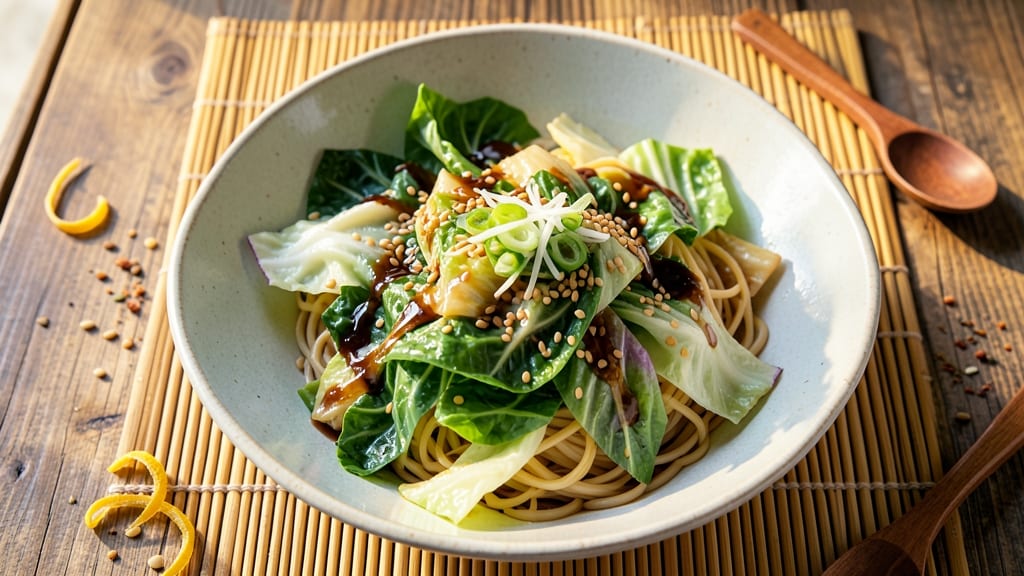
This Japanese cabbage salad with ramen noodles transforms humble ingredients into a crisp, refreshing side that balances umami depth and bright freshness. 💛 The secret lies in using ramen noodles—not for their flavor, but for their texture, creating a satisfying chew that complements the cabbage's crunch.
I developed this recipe after realizing how often ramen noodles went to waste, and now it's a staple in my meal prep rotation.
The beauty of this dish is its simplicity: shredded cabbage, cooked ramen, and a tangy dressing come together in minutes. The cabbage stays crisp when tossed with a light sesame-soy dressing, while the noodles add a subtle savory backbone.
It’s the kind of salad that holds up well in the fridge, making it perfect for lunches or as a side to grilled meats or fish.
What makes this salad truly special is the umami-rich fusion—the ramen’s savory notes marry perfectly with the cabbage’s freshness, while sesame seeds and chili flakes add layers of complexity.
The result is a dish that’s vegetarian-friendly, protein-packed, and endlessly adaptable, whether you’re adding avocado for creaminess or edamame for extra crunch.
Ready in under 20 minutes, this salad proves you don’t need fancy ingredients to create something impressive. Let’s get started—your taste buds (and leftovers) will thank you.
Ingredients for japanese cabbage salad recipe with ramen noodles
Shredded cabbage meets chewy ramen noodles in this umami-packed, vegetarian-friendly salad.
| Ingredient | Amount | Notes |
|---|---|---|
| Napa Cabbage 🥬 | 8 cups | Shredded, outer leaves removed |
| Ramen Noodles 🍜 | 2 packages | Shirataki or wheat-based preferred |
| Sesame Oil 🫒 | 1 tbsp | Toasted, for aroma |
| Soy Sauce 🍶 | 3 tbsp | Low-sodium preferred |
| Rice Vinegar 🍶 | 2 tbsp | Seasoned or plain |
| Sesame Seeds 🌾 | 1 tbsp | Toasted, for crunch |
| Red Chili Flakes 🌶️ | ½ tsp | Adjust for heat preference |
| Garlic Cloves 🧄 | 2 cloves | Minced, for depth |
| Fresh Ginger 🌿 | 1 tsp | Grated, for zing |
| Honey 🍯 | 1 tbsp | Or agave for vegan option |
| Avocado 🥑 | 1 whole | Optional, sliced for creaminess |
| Edamame 🌱 | ½ cup | Shelled, for protein boost |
| Sesame Dressing Oil 🫒 | ¼ cup | Neutral oil like avocado |
| Salt 🧂 | ½ tsp | Kosher or sea salt |
| Black Pepper 🌶️ | ¼ tsp | Freshly ground |
The Napa cabbage is the star here—look for heads with crisp, vibrant leaves at Whole Foods or your local Asian market. If you can’t find Napa, regular green cabbage works in a pinch, but it’ll be less tender. For the ramen noodles, shirataki or wheat-based varieties hold up best to the dressing without getting mushy. I always grab extra sesame oil from Trader Joe’s—it’s cheaper and has more depth than the tiny bottles at regular stores. Toast your own sesame seeds in a dry pan for 2-3 minutes until fragrant (trust me, it’s worth the extra minute).
No sesame oil? Toasted peanut oil at half the amount works, though the flavor won’t be identical. Short on rice vinegar? Apple cider vinegar or lemon juice gives a similar tang, but you’ll need about twice as much. The honey can be swapped for agave or maple syrup if you’re avoiding it. For extra protein, add shelled edamame (frozen works great—just thaw and drain). If you’re feeling fancy, toss in some thinly sliced scallions or a handful of cilantro for brightness. The avocado is optional but adds a luscious creaminess that balances the crunch.
This salad keeps beautifully for 4-5 days in an airtight container—it actually tastes better the next day as the flavors meld. Store the dressing separately if you’re prepping ahead, then toss everything together when ready to eat. For meal prep, I portion it into glass containers with tight lids. The noodles stay chewy for about 3 days if stored properly, but the cabbage will soften faster, so eat it within 2 days for peak crunch. Double the batch and freeze half for later—it thaws perfectly and reheats well in the microwave for 20 seconds.
Why You'll Love This Recipe
- No-Cook Crunch: I swear by the raw Napa cabbage here—it stays crisp even after sitting, and that slight peppery bite cuts through the richness of the ramen. Just shred, toss, and let the sesame oil work its magic without any extra effort.
- Umami Bomb: The combo of soy sauce and sesame oil on those chewy ramen noodles? It’s like a flavor explosion in your mouth. Honestly, I’ve eaten this cold, warm, and at room temp—each time, it’s ridiculously good.
- Lunchbox Hero: Between us, this is my go-to for packed lunches. The noodles hold up for days, and the dressing clings to everything, so you’re not dealing with soggy messes. My kid even asks for it on Fridays—(yes, even on a Tuesday night).
- Budget Win: You’re getting a full meal for pennies—cabbage is cheap, ramen noodles last forever, and a splash of rice vinegar elevates it without costing a fortune. I’ve made this for six people for under $10. Solid.
Step-by-step instructions for Japanese cabbage salad with ramen noodles
Here's how to blend crisp cabbage with chewy ramen for a refreshing, umami-packed salad that's perfect for meal prep.
👨🍳 Step 1: Prep the Cabbage and Noodles
Start by removing the outer leaves from the 8 cups Napa Cabbage and then thinly shred the remaining cabbage using a mandoline or sharp knife. I like to cut it into ¼-inch ribbons—this creates the perfect texture contrast with the ramen noodles. While you work, give the 2 packages Ramen Noodles a quick rinse under cold water to remove excess starch, then drain well and break them into 2-inch lengths with your hands.
Here's the thing—don't skip rinsing the noodles. The starch can make your salad gummy if left unchecked. Pat them dry with a clean kitchen towel to remove any surface moisture. This prep work ensures your salad stays crisp rather than turning soggy as it sits.
🍳 Step 2: Cook the Noodles Al Dente
Bring a pot of water to a rolling boil and add the rinsed noodles. Cook for 2 minutes less than the package instructions—ramen noodles cook faster than regular pasta. For most brands, that means 2-3 minutes total. You want them to be al dente but still tender enough to eat without resistance.
Drain immediately in a colander and rinse under cold water for 10 seconds to stop the cooking process. This quick shock treatment prevents the noodles from becoming mushy in the salad. Let them drain completely before adding to the cabbage mixture. The slight chewiness contrasts beautifully with the cabbage's crispness.
🥘 Step 3: Create the Umami Dressing
In a small bowl, whisk together the 3 tbsp Soy Sauce, 2 tbsp Rice Vinegar, 1 tbsp Honey, and 0.5 tsp Salt. Add the 2 cloves minced Garlic Cloves and 1 tsp grated Fresh Ginger and stir to combine. This is where the magic happens—these ingredients create the perfect balance of salty, sweet, and aromatic depth.
Next, add the 1 tbsp Sesame Oil and 0.25 cup Sesame Dressing Oil. Whisk vigorously until emulsified. The sesame oil adds nutty aroma while the neutral oil helps bind everything together. Taste and adjust seasoning—you might want to add a pinch more salt or a drizzle of honey if your palate prefers it sweeter.
🍳 Step 4: Assemble and Toss
In a large mixing bowl, combine the shredded cabbage, cooked ramen noodles, 0.5 cup shelled Edamame, and 0.5 tsp Red Chili Flakes. Pour the dressing over everything and toss gently but thoroughly with your hands or tongs. The cabbage will start to wilt slightly as it absorbs the dressing—this is normal and actually enhances the texture.
For the finishing touches, add the 1 whole Avocado sliced into thin strips (if using) and sprinkle with 1 tbsp toasted Sesame Seeds. The avocado adds creamy richness while the sesame seeds provide satisfying crunch. Give everything one final toss to distribute the avocado pieces evenly throughout.
⏰ Step 5: Rest and Serve
Let the salad sit for 5-10 minutes before serving. This resting period allows the flavors to meld together while maintaining the cabbage's crisp texture. The noodles will absorb just enough dressing to become perfectly tender without becoming mushy.
Serve immediately for the best texture contrast, or store in an airtight container in the refrigerator for up to 3 days. The flavors actually improve as they sit, developing deeper complexity. This salad makes an excellent light lunch, side dish, or even a hearty vegetarian main course when paired with grilled protein.
Pro Tips For Making Japanese Cabbage Salad Recipe With Ramen Noodles
- Shock the Cabbage First: Toss shredded Napa cabbage with 1 teaspoon salt and let it sit for 10 minutes before draining. This softens the tough fibers and draws out bitterness—my grandmother swore by it, and I finally believed her after the third try.
- Cook Noodles Halfway: Boil ramen noodles for 2 minutes less than package instructions, then rinse in cold water. They’ll finish cooking in the dressing and stay chewy, not mushy—trust me, undercooking saves the dish.
- Balance the Dressing: Mix 2 tablespoons rice vinegar, 1 tablespoon soy sauce, and 1 teaspoon sesame oil per serving—too much vinegar makes it sharp, too little soy flattens the flavor. Taste as you go.
- Swap for Umami Boost: Skip plain ramen seasoning packets—use ½ teaspoon miso paste or a dash of fish sauce instead. It cuts through the cabbage’s mildness and adds depth without extra salt. (Yes, even if you’re not a fan.)
Wine and beer pairings for japanese cabbage salad recipe with ramen noodles
Light White Wine
A crisp Sauvignon Blanc from New Zealand or France is my go-to choice for this salad. The bright acidity and citrus notes cut through the richness of the sesame dressing while complementing the cabbage's natural sweetness.
Look for a wine with 12-13% ABV—something like Kim Crawford Sauvignon Blanc or Cloudy Bay Sauvignon Blanc from Marlborough. These wines have enough body to stand up to the umami from the ramen noodles without overpowering the dish. 🍷
Dry Riesling
If you prefer a slightly sweeter profile, a dry Riesling from Germany or Alsace adds a lovely mineral quality that pairs beautifully with the ginger and garlic in the dressing.
I love Dr. Loosen Blue Slate Riesling—it has a perfect balance of fruit and acidity that enhances the salad's fresh flavors. The slight residual sweetness in some Rieslings also helps balance the heat from the chili flakes. 🍷
Japanese Sake
For a truly authentic pairing, serve this salad with dry sake (like Dassai Junmai Daiginjo). The clean, crisp profile of sake mirrors the salad's fresh ingredients while the subtle umami notes complement the ramen noodles.
Chill the sake to 45-50°F before serving—this temperature enhances its delicate flavors. If you're feeling adventurous, try a sparkling sake for an extra refreshing touch. 🍶
Light Beer Options
For beer lovers, a Japanese lager like Asahi Super Dry or Sapporo Premium Beer works beautifully. The light body and subtle hop bitterness won't overpower the salad's delicate flavors.
If you prefer something with a bit more character, try a wheat beer like Sapporo Black Label—its citrusy notes complement the rice vinegar in the dressing. Serve both beers well-chilled at 40-45°F for the best experience. 🍺
Non-Alcoholic Pairings
Don’t drink alcohol? No problem! A sparkling green tea like Hippeas Sparkling Green Tea adds a refreshing contrast to the salad's rich flavors. Alternatively, try a ginger beer—the spicy kick enhances the ginger in the dressing while keeping things light.
For something more traditional, serve with iced hibiscus tea (like Arizona Hibiscus Tea), which adds a tart, floral note that balances the umami. 💧
Serving Temperature
No matter what you choose, always serve your beverage chilled. For wine and sake, aim for 45-50°F—this temperature enhances their aromas and flavors. If using beer, keep it between 40-45°F. I like to chill my drinks for 30 minutes before serving to ensure the perfect temperature.
Pro tip: Use an ice bucket with a towel draped over it to prevent condensation from diluting your drink. ✨
Nutrition facts
Frequently asked questions
Can I use regular green cabbage instead of Napa cabbage?
Yes, but the texture will be slightly different. Green cabbage is more fibrous and stays crunchier longer. For the best results, remove the thick core and shred the outer leaves thinly. You may want to add 1 extra tablespoon of rice vinegar to help tenderize it slightly. The flavor will still be delicious, just with a different mouthfeel!
How do I prevent the ramen noodles from getting soggy?
Rinse the noodles thoroughly after cooking and pat them completely dry with a kitchen towel. Cook them for 2 minutes less than package instructions, and immediately shock them in ice water for 10 seconds before draining. Store the salad in an airtight container in the fridge—this helps maintain the noodles' chewiness for up to 3 days.
What's the best way to make this a complete meal?
Add ½ cup shelled edamame for extra protein, or top with ¼ cup toasted peanuts for crunch. Serve with grilled chicken, shrimp, or tofu for a hearty main. The salad also pairs beautifully with miso soup or steamed rice to create a balanced Japanese-inspired meal. For a vegan option, use shirataki noodles instead of regular ramen.
Can I make this salad ahead of time?
Store all components separately in the fridge for up to 3 days. Keep the cabbage, noodles, and edamame in one container, and the dressing in another. When ready to eat, combine everything and toss gently. The flavors actually meld better after resting, making it perfect for meal prep. The cabbage stays crisp for 2 days, while the noodles maintain their texture for 3 days.
What if I don't have sesame oil?
Use ½ teaspoon toasted peanut oil or avocado oil as a substitute. For extra flavor, add ½ teaspoon of toasted sesame seeds directly to the dressing bowl before whisking. The dish will still taste great, though the nutty aroma will be slightly different. If you're avoiding nuts, a neutral oil like canola works fine—just add a pinch more salt to compensate for the missing depth.