
Sauces & Condiments
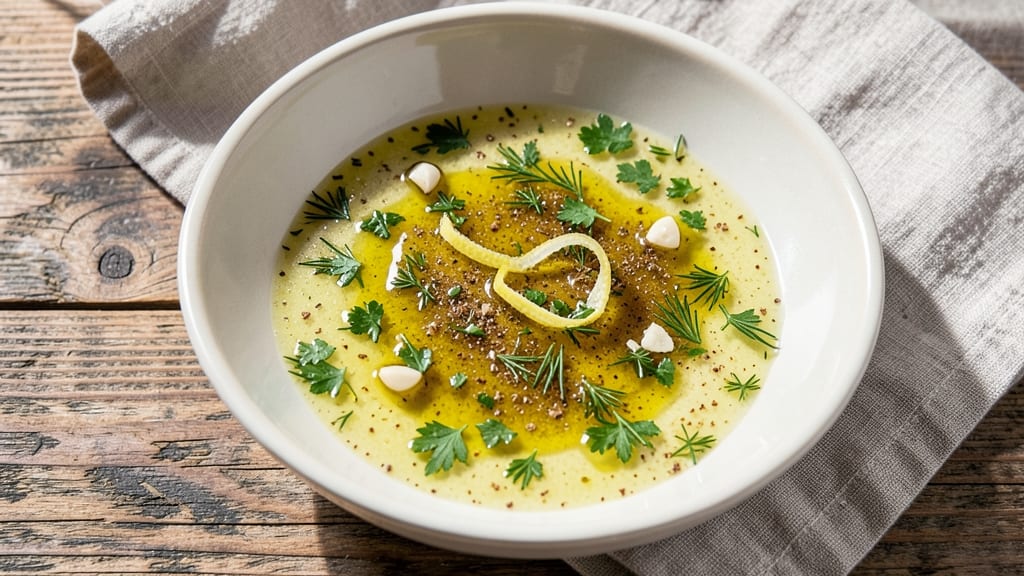
A Greek salad dressing recipe from Jamie Oliver transforms simple greens into a vibrant, herb-packed masterpiece with just six ingredients. This bright, lemony dressing balances the bold flavors of feta and cucumbers while keeping the texture perfectly emulsified—no clumps, no separation. The secret lies in whisking olive oil and lemon juice together in the right ratio, then folding in fresh herbs for that signature Mediterranean brightness.
The dressing stands out for its simplicity and versatility. No special equipment needed—just a whisk and a bowl. It stays fresh for up to a week in the fridge, making it perfect for meal prep or last-minute salads.
It’s also the ideal base for drizzling over grilled meats, roasted vegetables, or even as a marinade for chicken.
The result is a dressing that’s tangy, aromatic, and effortlessly elegant—just like Jamie’s approach to cooking. The garlic adds depth, the oregano brings warmth, and the olive oil keeps everything rich and smooth. It’s the kind of dressing that turns a basic salad into a restaurant-worthy dish without any fuss.
Use it immediately for crisp salads or store it for up to a week. The flavors only deepen over time, making this dressing a must-have in your pantry. Let’s get started—your salads will never taste the same again.
Ingredients for greek salad dressing recipe jamie oliver
Six simple ingredients create Jamie Oliver's signature Greek salad dressing—bright, herby, and effortlessly elegant.
| Ingredient | Amount | Notes |
|---|---|---|
| Extra-Virgin Olive Oil 🫒 | ¾ cup | High-quality, fruity variety preferred |
| Fresh Lemon Juice 🍋 | ¼ cup | Freshly squeezed, no pulp |
| Fresh Dill 🌿 | ¼ cup | Finely chopped, stems removed |
| Fresh Parsley 🌿 | ¼ cup | Finely chopped, flat-leaf preferred |
| Garlic Cloves 🧄 | 2 cloves | Minced, fresh for best flavor |
| Dried Oregano 🍃 | 1 tsp | Mediterranean oregano preferred |
| Sea Salt 🧂 | 1 tsp | Fine grain, Diamond Crystal preferred |
| Black Pepper 🌶️ | ½ tsp | Freshly ground preferred |
The olive oil is the foundation here. Look for extra-virgin with a fruity, peppery finish—California or Italian varieties work best. Fresh herbs make all the difference: grab them from the grocery store's produce section and chop them just before mixing. The garlic should be fresh, not that jarred stuff—it adds depth without overpowering. For oregano, Mediterranean or Greek varieties have the most authentic flavor. If you can't find those, regular dried oregano works, but it won't be quite the same.
No fresh dill? Substitute with mint or basil at half the amount, though it won't be traditional. Short on parsley? Cilantro works in a pinch, but the flavor profile shifts slightly. The lemon juice can be bottled, but freshly squeezed is always better—just strain out any pulp. If you're making this ahead, add the lemon juice last to prevent separation. The salt and pepper are non-negotiable for balance, but if you're watching sodium, reduce the salt to 0.5 tsp and add a pinch more pepper.
This dressing keeps beautifully in the fridge for up to 7 days—the flavors actually deepen over time. Store it in a small glass jar with a tight seal. If it separates, just give it a quick whisk before using. For extra freshness, add a splash of water or lemon juice before sealing. It's perfect for meal prep: make a double batch and keep it on hand for quick salads, grilled meats, or even as a marinade for chicken or fish.
Why You'll Love This Recipe
- No-Chop Chaos Allowed: Honestly, I just toss in the whole dill and parsley stems—no fancy chopping, no mess. The blender does all the work while I sip my coffee, leaving me with that perfect herby swirl without the fuss.
- Garlic Kiss, No Burn: That roasted garlic clove? Chef’s move. It caramelizes just enough to add depth without overpowering—no raw garlic bite, just warm, sweet richness that makes every drizzle feel intentional.
- Weeknight to Wedding: Same dressing, endless uses. Slather it on grilled chicken, toss it with roasted veggies, or drizzle it over crusty bread when guests show up. It’s my lazy day and special occasion secret weapon.
- Fridge Goldmine: Make a double batch—this stuff lasts forever in the fridge. A splash in my morning yogurt, a quick stir into hummus, or a last-minute sauce for takeout leftovers. Zero waste, maximum flavor.
Step-by-step instructions for Greek salad dressing
This vibrant dressing delivers Jamie Oliver's signature Mediterranean brightness with every drizzle.
Prepare the Fresh Herbs and Garlic
In a small bowl, combine the 0.25 cup fresh dill and 0.25 cup fresh parsley. Use a sharp chef's knife to finely chop the herbs, removing any tough stems. The goal is to create a uniform texture that will blend seamlessly into the dressing. I like to press down gently with the back of my knife to ensure all the leaves are broken down—this releases their essential oils and maximizes flavor.
Next, peel and mince the 2 cloves garlic until you have a fine paste. The garlic should be completely unrecognizable as individual cloves—this prevents any lingering bite and ensures smooth integration. I use the flat side of my knife blade to crush the minced garlic against the cutting board, which helps break it down further. Set the herbs and garlic aside for now; we'll incorporate them into the dressing shortly.
Whisk Together the Wet Ingredients
In a medium bowl, pour in the 0.75 cup extra-virgin olive oil and 0.25 cup fresh lemon juice. I always use a high-quality, fruity olive oil for this dressing—it should have a vibrant green hue and a peppery finish. The lemon juice should be freshly squeezed, with no pulp remaining, to avoid making the dressing gritty.
Using a whisk, combine these ingredients until fully emulsified. The mixture should look smooth and homogeneous, with no streaks of oil or lemon juice visible. This step is crucial for creating a balanced dressing where the flavors are evenly distributed. If you're using a fork, whisk vigorously for at least 30 seconds to ensure everything is well incorporated.
Incorporate the Herbs, Garlic, and Seasonings
Add the finely chopped herbs and minced garlic to the bowl with the olive oil and lemon juice. Sprinkle in the 1 teaspoon dried oregano, 1 teaspoon sea salt, and 0.5 teaspoon black pepper. Using the whisk, stir everything together until the herbs are evenly distributed and the seasonings are fully dissolved.
Taste the dressing at this stage. It should be bright, herby, and slightly tangy, with a subtle garlic presence. If it needs more acidity, add a splash of additional lemon juice—1 teaspoon at a time—until you reach the desired balance. Conversely, if it's too sharp, a small drizzle of olive oil will mellow the flavors. The dressing should coat the back of a spoon without being overly thick or thin.
Let the Flavors Meld
Cover the bowl with plastic wrap and let the dressing sit at room temperature for at least 15 minutes. This resting period allows the flavors to fully integrate and the herbs to soften slightly, which enhances their aromatic qualities. I often find that the dressing tastes even better after 30 minutes—the garlic mellows, and the herbs release more of their essential oils.
Before using, give the dressing one final whisk to ensure everything is well combined. The color should be a vibrant green with flecks of herbs visible throughout. If you notice any separation, simply whisk it back together—this dressing is forgiving and will come together with a little effort. Once blended, it's ready to elevate any Greek salad or grilled vegetables.
Pro Tips For Making Greek Salad Dressing Recipe Jamie Oliver
- PULSE THE GARLIC: Mince the garlic very finely—almost like a paste—so it blends smoothly without gritty bits. I learned this the hard way after tasting a chunky dressing that ruined the texture; a microplane or knife work here saves you from chewing garlic.
- STRAIN THE OIL: After blending, strain the dressing through a fine-mesh sieve or cheesecloth to remove herb stems and garlic flecks. It’s a little extra work, but the result is silky, not fibrous—trust me, your salad will taste like it came from a Greek taverna.
- LEMON JUICE FIRST: Add the lemon juice before the olive oil to the blender—it emulsifies better and keeps the dressing from separating. I used to mix them in reverse, and the dressing would split within hours. This small swap makes all the difference.
- SALT THE DILL: Toss the fresh dill in a pinch of salt and let it sit for 5 minutes before blending—it softens the stems and intensifies the flavor. Sounds weird, but it works: the dressing tastes brighter and less grassy, like Jamie’s version.
Common mistakes when making perfect results
Over-Whisking the Dressing
I’ve seen so many people over-whisk their Greek salad dressing, thinking more effort means better results. But here’s the thing: once the olive oil and lemon juice are fully emulsified, keep whisking and you’ll start to break down the delicate herb oils, which dulls the flavor.
Instead, whisk just until the mixture is smooth—about 20-30 seconds—then stop. The dressing will hold its vibrancy without losing texture. 💡
Using Bottled Lemon Juice
Bottled lemon juice is convenient, but it lacks the freshness and depth of freshly squeezed. The preservatives and lack of pulp can make your dressing taste flat or overly sweet.
If you must use bottled, strain out any visible pulp and add 1 extra teaspoon of lemon juice to compensate for the lost acidity. But honestly, squeezing a lemon takes 30 seconds—it’s worth it for that bright, zesty kick.
Skipping the Resting Time
Rushing to eat your salad right after making the dressing? Big mistake. Letting it sit for 15-30 minutes lets the flavors meld and the herbs soften slightly, releasing more aroma. If you skip this step, the dressing will taste disjointed—like the herbs are just floating in the oil.
Trust me, the wait makes all the difference. The first time I tried this, I thought it was magic how much better it tasted afterward. ✨
Adding Herbs Too Late
Tossing in the fresh herbs at the very end might seem logical, but it can lead to clumps and uneven distribution. Instead, add them while you’re whisking the wet ingredients—this ensures they’re fully incorporated and evenly dispersed.
If you’re worried about overpowering the flavor, start with slightly less than the 0.25 cup called for and adjust to taste. The herbs should brighten the dressing, not dominate it.
Ignoring the Oil-to-Lemon Ratio
The 3:1 ratio of olive oil to lemon juice is key for a balanced dressing. Too much lemon juice and it’ll be sharp and unstable; too little oil and it’ll taste flat. Stick to the recipe, but if you’re making a larger batch, maintain this ratio precisely.
Pro tip: If your dressing starts to separate, add 1 teaspoon of Dijon mustard to help re-emulsify it—it’s a secret trick I learned from a Greek taverna owner.
Not Tasting as You Go
Many people pour all the ingredients into the bowl, whisk once, and call it done. But this dressing deserves your attention! Taste it at every stage—after whisking the wet ingredients, after adding the herbs, and before serving.
Adjust the lemon juice, salt, or even a pinch of honey if it needs sweetness. This is how you ensure the dressing is perfectly balanced every single time. It’s the little things that make a big difference. 💪
Nutrition facts
Frequently asked questions
Can I make this dressing without fresh herbs?
Yes, but the flavor won't be as vibrant. Substitute 1 tablespoon dried dill and 1 tablespoon dried parsley for the fresh versions, but reduce the amount slightly—dried herbs are more concentrated. For extra depth, add ½ teaspoon dried marjoram or a pinch of dried thyme. The texture will be less fresh, but it'll still taste delicious!
How long does this dressing last in the fridge?
This dressing keeps for up to 7 days when stored properly in an airtight container. The flavors actually improve over time! If it separates, just whisk it vigorously before using. For longer storage, transfer to a clean jar and add a splash of water or lemon juice to keep it fresh. It freezes well for up to 3 months if you prefer!
Can I use this dressing on foods other than salads?
This versatile dressing works beautifully on grilled chicken, roasted vegetables, or even as a marinade for fish or lamb. The herby, lemony flavors pair perfectly with Mediterranean dishes. Just reduce the lemon juice slightly if using as a marinade to prevent over-acidifying the meat.
Why did my dressing separate?
Separation happens when the oil and lemon juice aren't properly emulsified. Whisk vigorously to recombine, or add 1 teaspoon of Dijon mustard to help stabilize it. For future batches, whisk the wet ingredients longer or add them to the salad bowl first, then toss with the greens—the movement helps keep it emulsified.
Is this dressing vegan?
Yes! All the ingredients are naturally vegan—just ensure your olive oil is certified vegan if that's a concern. The dressing is also gluten-free and dairy-free, making it perfect for various dietary needs. It's a great plant-based option for Mediterranean-style dishes.