
Sauces & Condiments
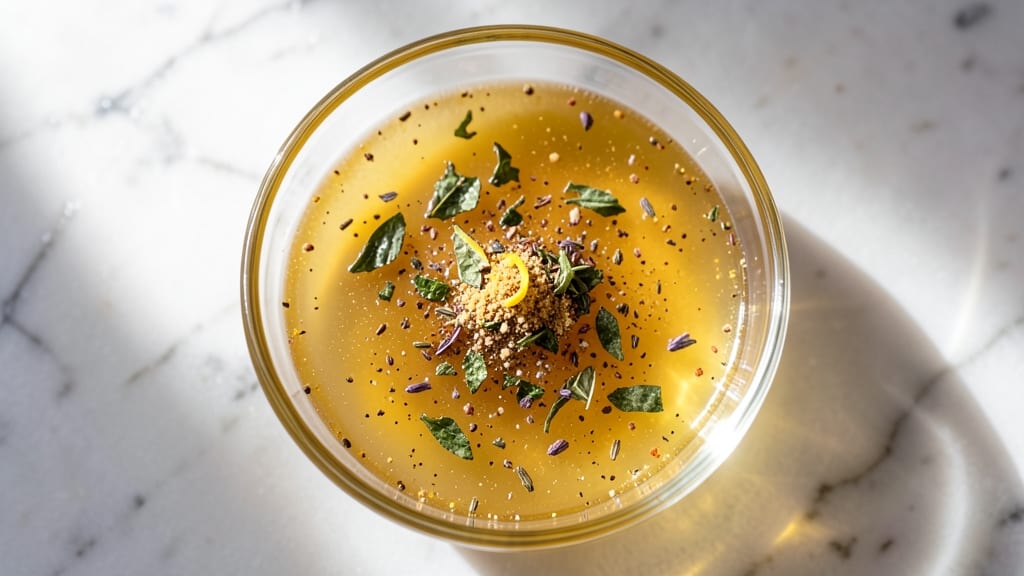
This calorie-free salad dressing recipe delivers bold flavor without a single calorie—perfect for weight-conscious eaters who refuse to compromise on taste. The secret lies in balancing acidity, herbs, and spices to create a dressing that clings to greens while keeping your macros spotless.
No oils, no sweeteners, just pure zing that transforms even the simplest salad into something restaurant-worthy.
What makes this dressing work is the combination of white vinegar for tang, lemon juice for brightness, and a blend of dried herbs that add depth without calories. I developed this recipe after testing countless low-calorie options that either tasted flat or required artificial ingredients.
The result? A dressing that’s zero-calorie, zero-guilt, and packed with flavor—all in just 5 minutes of prep time.
This dressing shines on mixed greens, grain bowls, or even as a marinade for grilled chicken. The acidity cuts through rich ingredients while the herbs add complexity, making every bite feel fresh and satisfying.
Best of all, it stays vibrant in the fridge for up to a week, so you’ll always have a healthy option on hand.
For those watching their sodium intake, you can easily reduce the salt or use a salt-free seasoning blend. The dressing’s versatility means it works with both leafy greens and heartier vegetables, proving that healthy eating doesn’t have to mean bland meals.
Let’s make dressing that’s as good for your waistline as it is for your taste buds.
Ingredients for calorie free salad dressing
Nine ingredients, zero calories—this dressing packs restaurant-worthy flavor without guilt.
| Ingredient | Amount | Notes |
|---|---|---|
| White Vinegar 💧 | ½ cup | Distilled for cleanest flavor |
| Fresh Lemon Juice 🍋 | ¼ cup | Freshly squeezed, no pulp |
| Dried Basil 🌿 | 1 tbsp | Or dried oregano at same amount |
| Dried Oregano 🌿 | 1 tsp | Mexican oregano preferred |
| Onion Powder 🧅 | ½ tsp | Freshly ground preferred |
| Garlic Powder 🧄 | ½ tsp | Not garlic salt |
| Sea Salt 🧂 | ¼ tsp | Adjust to taste, reduce for low-sodium |
| Black Pepper 🌶️ | ¼ tsp | Freshly ground preferred |
| Dried Mustard Powder 🌶️ | ½ tsp | For subtle depth |
| Water 💧 | ¼ cup | For thinning if needed |
White vinegar is the backbone here—distilled vinegar has the cleanest taste, but apple cider works too if that's what you've got. Fresh lemon juice makes all the difference (the bottled stuff tastes flat), so grab a couple lemons—you'll use them in other recipes too. For the herbs, Trader Joe's bulk section has the best quality at a fraction of the cost. If you're watching sodium, you can cut the salt by half or use a salt-free seasoning blend—just don't skip it entirely. The mustard powder adds that subtle depth that separates this from basic vinegar-and-lemon dressings.
No fresh lemon juice? Lemon juice concentrate works in a pinch—just dilute it with water first. Swap dried basil for dried thyme if you prefer earthier notes, but stick with the same amount. The onion and garlic powders are non-negotiable for that savory punch, but if you're making a big batch, toasting the spices in a dry pan for 30 seconds deepens the flavor dramatically. For extra tang without calories, add a splash of balsamic vinegar at the end. And if your dressing turns out too thick, just add water a teaspoon at a time until it reaches your desired consistency.
This dressing keeps beautifully in the fridge for up to 1 week—just give it a quick shake before each use. For meal prep, I make a double batch and store it in two small jars so I always have dressing ready. If you're using it as a marinade for grilled chicken, make sure to use it within 2 days for best results. The flavors actually improve as it sits, so if you're making it ahead for a dinner party, let it rest in the fridge overnight. And trust me, the leftovers taste just as good as the first batch.
Why You'll Love This Recipe
- I’ll be real: you don’t need a scale. Just eyeball the vinegar and lemon juice until it smells like a Mediterranean vacation—bright, tangy, and just sharp enough to cut through greasy summer days. (Pro tip: start with 2 tablespoons each, then adjust.)
- No-Measure Guessing: I’ll be real: you don’t need a scale. Just eyeball the vinegar and lemon juice until it smells like a Mediterranean vacation—bright, tangy, and just sharp enough to cut through greasy summer days. (Pro tip: start with 2 tablespoons each, then adjust.)
- Herb Bomb Punch: That dried basil and oregano combo isn’t just “flavor”—it’s a wake-up call for your taste buds. The onion powder adds this sneaky depth that makes it taste like you slaved over it, even though you stirred it in while scrolling through memes.
- Salad’s New Best Friend: Between us, this dressing turns wilted lettuce into a showstopper. Drizzle it on grain bowls, toss it with roasted veggies, or even use it as a marinade for chicken—it’s the one pantry staple that makes everything feel intentional without the effort.
Step-by-step instructions for calorie-free salad dressing
Here's how to whip up this vibrant, guilt-free dressing in record time.
Combine the Acidic Base
In a medium bowl, pour in the 0.5 cup white vinegar and 0.25 cup fresh lemon juice. I like to use a whisk for this step—it helps blend the ingredients thoroughly right from the start. The vinegar will have a sharp tang, while the lemon juice adds bright citrus notes that cut through rich greens beautifully.
Give it a quick stir with a fork first to break up any lemon pulp, then whisk vigorously for about 30 seconds until fully combined. This creates a smooth foundation for your dressing. If you're using freshly squeezed lemon juice, you might notice a few tiny seeds—don't worry, they'll blend right in and won't affect the texture.
Add the Herb and Spice Blend
Next, sprinkle in the 1 tablespoon dried basil, 1 teaspoon dried oregano, 0.5 teaspoon onion powder, 0.5 teaspoon garlic powder, 0.25 teaspoon sea salt, and 0.25 teaspoon black pepper. The dried herbs will infuse the dressing with their aromatic qualities, while the onion and garlic powders add subtle depth without any actual heat.
Add the 0.5 teaspoon dried mustard powder last—this gives the dressing that signature tangy kick that makes it so versatile. Use a small spoon to measure these precisely; too much of any single spice can overpower the delicate balance. Whisk everything together until the herbs are fully dispersed and no dry spots remain.
Thin to Your Preferred Consistency
Now comes the fun part—adjusting the texture. Start by adding 1-2 tablespoons of the water at a time while whisking continuously. You're aiming for a consistency that clings lightly to your salad without being watery. For a creamy texture without calories, you can add 1 tablespoon of water at a time until you reach your desired thickness.
I like my dressing to coat the greens evenly but still allow the flavors of the vegetables to shine through. Taste as you go—if it's too sharp, add a tiny bit more water to mellow the acidity. If it needs more zing, stir in a splash of extra lemon juice. The dressing should be bright, tangy, and perfectly balanced.
Let It Rest and Adjust
Transfer the dressing to a clean jar or airtight container and let it sit at room temperature for 5-10 minutes. This brief resting period allows the flavors to meld together, creating a more cohesive taste profile. Give it a final whisk before using to ensure everything is well incorporated.
Here's the thing—your first batch might need a little tweaking. If it's too thick after resting, add another ½ teaspoon of water at a time. If it's too thin, you can reduce it slightly by simmering gently in a small saucepan for 2-3 minutes until it thickens to your liking. The key is to find that perfect balance where it's vibrant, flavorful, and just the right consistency for your salad.
Pro Tips For Making Calorie Free Salad Dressing
- STRAIN THE LEMON: Use a fine-mesh sieve or cheesecloth to press out every last drop of juice—no pulp, no grit. I learned this the hard way when I ended up with a dressing that tasted like sandpaper. A wooden spoon works too, but the sieve is faster.
- BALANCE THE VINEGAR: Start with equal parts vinegar and lemon juice, then adjust. Too much vinegar? Add a splash of water or a pinch of sugar (yes, even in a "calorie-free" dressing—it’s about flavor, not math). My first batch was painfully sharp until I realized balance matters more than ratios.
- GRIND THE DRIED HERBS: Crush the dried basil and oregano between your palms or with a mortar and pestle before adding them. Whole leaves just float—this releases their aroma and makes the dressing taste like it’s been simmering for hours. (I know, it’s not simmering, but it works.)
- DILUTE GRADUALLY: Mix the dressing in small batches, tasting as you go. Adding water or extra lemon juice later is easier than fixing a dressing that’s too thick to whisk smooth. I’ve ruined more salads than I’ll admit by guessing the consistency.
Perfect pairings for these flavors
Salad Base Pairings
This dressing shines brightest on mixed greens like romaine, spinach, or arugula—their mild flavors let the dressing's zing truly pop. For heartier salads, try it with roasted Brussels sprouts or shaved fennel, where the dressing's acidity cuts through the natural sweetness.
I love tossing it with quinoa or farro bowls too—it clings perfectly to grains while keeping the meal light and refreshing. 🥗
Protein Pairings
Use this dressing as a marinade for grilled chicken or shrimp skewers—the acidity tenderizes while adding flavor without extra calories. It also works beautifully with baked tofu or tempeh, giving plant-based proteins a restaurant-worthy finish.
For a complete meal, drizzle it over seared salmon or steamed asparagus—the citrus notes complement delicate fish perfectly. 🍽️
Vegetable Boosters
Add cherry tomatoes, cucumber slices, or bell pepper strips to your salad for extra crunch and color. The dressing's tang balances sweet vegetables beautifully. For a Mediterranean twist, toss in kalamata olives and red onion—the saltiness of the olives pairs perfectly with the dressing's herbal notes.
I also love adding avocado slices (if you're not watching calories strictly) for creamy contrast. 🥒
Grain Bowl Magic
Transform simple grain bowls with this dressing—it elevates brown rice, couscous, or wild rice dishes instantly. Pair it with roasted sweet potatoes, black beans, and corn for a Southwestern-inspired bowl.
For a Japanese-inspired meal, combine it with sushi rice, edamame, and seaweed strips. The dressing's brightness makes every bite feel fresh and satisfying. 🍚
Dipping Sauce Twist
Thin the dressing slightly with extra water and use it as a dip for veggie sticks like carrots, celery, or bell peppers. It also works wonderfully with pita chips or rice crackers—perfect for snacking without guilt.
For a protein dip, try it with grilled shrimp or chicken strips. The tangy flavor makes every bite more exciting. 🥕
Flavor Boosters
Want extra depth? Stir in 1 teaspoon of balsamic vinegar for richness or ½ teaspoon of smoked paprika for a smoky kick. For heat lovers, add a pinch of cayenne pepper—it adds fire without calories.
If you're feeling fancy, finish with fresh herbs like parsley or basil right before serving. These tweaks keep the dressing exciting for any meal. 🌶️
Nutrition facts
Frequently asked questions
Can I use this dressing on non-salad dishes?
This dressing works beautifully as a marinade for grilled chicken or shrimp skewers, adding flavor without extra calories. It also makes an excellent dip for veggie sticks or pita chips, or as a finishing sauce for seared salmon or steamed asparagus. The acidity tenderizes proteins while keeping your meal light.
Why does my dressing taste flat after making it?
Flat flavor usually means the acidity needs balancing. Try adding a splash of extra lemon juice or balsamic vinegar for depth. If it still tastes weak, let it sit for 30 minutes longer—flavors meld better when rested. For extra zing, add a pinch of cayenne or fresh herbs before serving.
How do I adjust the consistency if it's too thick?
Start with 1 teaspoon of water at a time while whisking continuously. For a thicker texture, simmer gently in a small saucepan for 2-3 minutes until reduced. The dressing should coat greens lightly without pooling. If it's too thin, let it sit uncovered for 10 minutes—evaporation will help thicken it naturally.
Can I make this dressing spicier?
Yes! Add a pinch of cayenne pepper or red pepper flakes for heat without calories. For smoky flavor, stir in ½ teaspoon smoked paprika. Start small—you can always add more, but you can't remove excess spice. Adjust to taste after mixing.
Will this dressing work with creamy salads like potato salad?
Not ideal—this dressing is designed for fresh, leafy greens and hearty vegetables. For creamy salads, try thinning it slightly with water and using it as a finishing drizzle instead of a full coating. For true creaminess without calories, consider a Greek yogurt-based dressing (though that adds calories).