
Sauces & Condiments
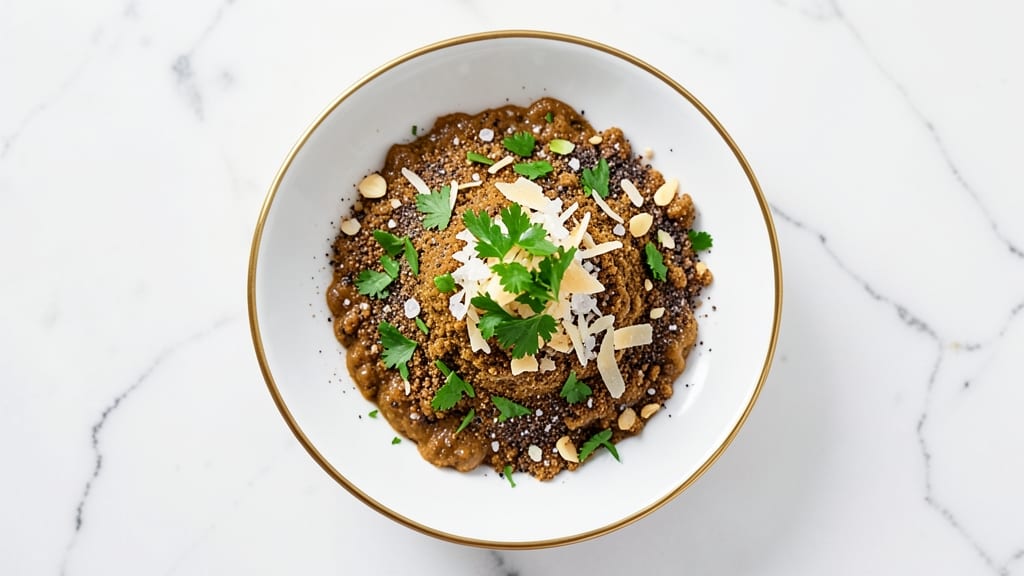
This Caesar salad seasoning recipe transforms your homemade dressing from ordinary to extraordinary with just six simple ingredients.
The secret lies in the perfect balance of savory anchovies, nutty parmesan, and aromatic spices that create that signature Caesar flavor profile—without the mess of anchovy paste or the expense of pre-made mixes.
What makes this blend special is its versatility—just mix it with mayonnaise and a splash of lemon juice to create a dressing that rivals any restaurant version.
The recipe uses precise measurements to ensure consistent results every time, and the dry spices keep for months in an airtight container, making it perfect for stocking your pantry.
You'll end up with a seasoning that delivers that classic Caesar tang and umami depth, with just the right amount of garlic and black pepper to elevate any salad. The blend is simple to make but packed with flavor, proving that homemade always tastes better than store-bought.
Use it for Caesar salads, crostini toppings, or even as a seasoning for grilled chicken. Once you try this, you'll never go back to bottled dressing again. Let's get started with the ingredients—it's easier than you think!
Ingredients for caesar salad seasoning
Six simple ingredients to make restaurant-quality Caesar dressing at home.
| Ingredient | Amount | Notes |
|---|---|---|
| Anchovy Fillets 🐟 | 2 tbsp | Packed in oil, drained well |
| Parmesan Cheese 🧀 | ½ cup | Freshly grated from block |
| Garlic Powder 🧄 | 1 ½ tsp | Freshly ground preferred |
| Ground Black Pepper 🌶️ | 1 tsp | Freshly cracked for best flavor |
| Dried Parsley Flakes 🌿 | 1 tsp | Finely ground for texture |
| Diamond Crystal Kosher Salt 🧂 | ½ tsp | For seasoning balance |
The anchovies are the secret weapon here—Trader Joe's or Whole Foods carry the best quality in small, affordable tins. Look for fillets packed in oil, not salt, since we're controlling the salt ourselves. Freshly grated Parmesan makes all the difference (none of that pre-shredded stuff)—a wedge from the deli counter is worth the extra minute. Garlic powder loses potency fast, so buy it in small amounts or store it in the freezer. That said, even 'old' garlic powder works better than skipping it entirely.
No anchovies? Canned sardines at half the amount work in a pinch, but you'll lose some of that classic Caesar tang. Pre-shredded Parmesan? Grind your own—it's the only way to get that perfect texture. The parsley flakes can be swapped for dried oregano if you're out, but parsley gives that signature Caesar brightness. Too salty? Taste as you go—the salt is adjustable, but the anchovies and Parmesan already pack serious flavor. This blend is also amazing on grilled chicken or crostini—not just salads.
Store in an airtight container for up to 6 months—it won't lose potency like fresh herbs. I keep mine in a small amber glass jar on the spice rack. Double the batch if you're using it often—trust me, you will. The anchovies and Parmesan make this worth making ahead. Just shake before using to redistribute the oils.
Why You'll Love This Recipe
- Five-Ingredient Magic: I swear by this combo—just crush anchovies, grate Parmesan, and toss in those pantry staples. No fancy tools, no stress, and honestly? It’s the closest I get to restaurant-quality flavor without the markup.
- Umami Bomb: That anchovy and Parmesan duo? It’s like a flavor explosion in your mouth. The garlic powder adds warmth, the parsley flakes bring freshness, and the black pepper ties it all together—salty, tangy, and just spicy enough to make you crave another bite.
- Pantry Superstar: This mix works on everything—grilled chicken, pasta, even scrambled eggs. I keep a jar in my fridge because it’s my go-to for quick meals, last-minute appetizers, or when I need to jazz up store-bought croutons in 30 seconds flat.
- Budget Game-Changer: Parmesan and anchovies stretch so far, and garlic powder? Cheap as dirt. I make big batches, store it in the freezer, and use it for weeks—no wasted ingredients, just endless flavor without breaking the bank. (Yes, even on a Tuesday night.)
Step-by-step instructions for Caesar salad seasoning
Here's how to blend this bold, umami-packed seasoning that elevates any Caesar dressing.
Drain and Dry the Anchovy Fillets
Start by draining the 2 tbsp anchovy fillets thoroughly on paper towels. I always press them gently with another paper towel to remove every drop of oil—the excess oil can make your seasoning too greasy and dilute the intense umami flavor. You want them completely dry before proceeding.
Once drained, I like to break the anchovies into smaller pieces with my fingers. This makes them easier to blend later and helps distribute their flavor more evenly throughout the seasoning. The anchovies should look like tiny, crumbly bits rather than whole fillets.
Combine the Base Ingredients
In a small bowl, add the 0.5 cup freshly grated Parmesan cheese and the crumbled anchovies. Use a fork to gently mix them together, breaking up any remaining Parmesan clumps. The cheese should start to absorb the anchovy oils and create a paste-like consistency.
This is where the magic begins—the salty, briny anchovies marry perfectly with the nutty, sharp Parmesan. I always use freshly grated cheese because pre-shredded varieties contain anti-caking agents that can make the seasoning taste artificial. The texture should be coarse rather than smooth at this stage.
Add the Dry Seasonings
Next, sprinkle in the 1.5 tsp garlic powder, 1 tsp ground black pepper, 1 tsp dried parsley flakes, and 0.5 tsp Diamond Crystal kosher salt. Use a whisk or small spatula to combine everything thoroughly until you have a uniform mixture with no visible streaks of any single ingredient.
I find that using freshly cracked black pepper makes a noticeable difference in flavor, so if you have a pepper grinder, this is the time to use it. The parsley flakes should be finely ground to avoid any gritty texture in your final dressing. Mix until the seasoning looks cohesive and smells intensely savory.
Store for Maximum Flavor Development
Transfer the seasoning to an airtight container and let it sit at room temperature for at least 30 minutes before using. This resting time allows all the flavors to meld together more deeply. I usually make this seasoning a day ahead because the flavors actually improve with time.
When you're ready to use it, simply whisk 1-2 tablespoons of this seasoning into your Caesar dressing ingredients (mayonnaise, lemon juice, and olive oil). The result will be a dressing with layers of umami, saltiness, and herbal notes that far surpass store-bought versions.
Pro Tips For Making Caesar Salad Seasoning
- Soak the Anchovies: Toss those fillets in a splash of warm water or white wine for 10 minutes first—it softens them and keeps the dressing from tasting like fishy cardboard. I used to skip this, and the anchovies would overpower everything.
- Grate the Parmesan Fresh: Pre-shredded cheese sounds convenient, but it’s packed with anti-caking agents that dull the flavor. Grab a microplane and shred your own—just 2 tablespoons of freshly grated Parmesan makes a real difference.
- Toast the Garlic Powder: Warm your garlic powder in a dry pan for 30 seconds until fragrant—it deepens the flavor without adding moisture. I learned this the hard way after making a dressing that tasted flat.
- Pulse the Parsley: Skip the flakes and pulse dried parsley in a spice grinder for 5 seconds—it releases oils and mimics freshness. Yes, it looks weird, but it works every time.
Regional styles of this caesar salad seasoning
Classic Roman Style
The original Caesar salad hails from Tijuana, Mexico, but its seasoning roots trace back to Roman culinary traditions. In Italy, they'd use anchovy fillets and Parmesan cheese in their dressings long before Caesar Cardini's famous creation.
For an authentic twist, add ½ tsp dried oregano to mimic Roman herb blends. The key difference? Traditional Roman seasonings often included white pepper instead of black for a subtler bite. 🌍
Americanized Version
When Caesar Cardini served his famous salad in 1924, he used a blend that became the foundation for modern American Caesar seasoning. The classic American version emphasizes garlic powder and black pepper for that signature kick.
Many American chefs add ½ tsp Worcestershire powder to deepen the umami. The American style tends to be bolder—perfect for hearty salads with croutons and chicken.
Italian-Inspired Twist
For an Italian-inspired Caesar seasoning, swap the parsley for dried basil flakes and add ¼ tsp red pepper flakes for heat. Italians often use Pecorino Romano instead of Parmesan for a sharper, saltier profile.
This variation works beautifully with grilled vegetables or as a topping for bruschetta. The Italian approach focuses on bright, herbal notes rather than the smoky depth of traditional anchovy-heavy blends.
Modern Fusion Adaptation
Today's chefs are putting creative spins on Caesar seasoning. Try adding ½ tsp smoked paprika for a smoky depth or ½ tsp onion powder for sweetness. Some fusion versions even include a pinch of cayenne for extra heat.
These modern adaptations work well in Caesar wraps or as a seasoning for grilled shrimp. The key is balancing innovation with the classic anchovy-Parmesan base.
Regional Mexican Influence
Given Caesar salad's Mexican origins, some regional versions incorporate dried chipotle powder or cumin for earthy warmth. A Mexican-inspired blend might also include ½ tsp ground coriander to complement the anchovies.
This variation pairs perfectly with tortilla chips or as a seasoning for quesadilla fillings. It's a great way to honor the salad's birthplace while keeping the Caesar essence intact.
Nutrition facts
Frequently asked questions
Can I make this seasoning without anchovies?
Yes, but the flavor will be different. Substitute 1 tbsp canned sardines (packed in oil) or ½ tsp Worcestershire sauce for the anchovies. The umami depth will be milder, but you'll still get that savory base. For a vegetarian version, use ½ tsp nutritional yeast plus an extra ¼ tsp garlic powder to mimic the saltiness.
How much seasoning should I use for a Caesar dressing?
Start with 1 tablespoon per ½ cup mayonnaise—this gives a balanced flavor. For a richer dressing, increase to 2 tablespoons per ½ cup mayo. Remember, the seasoning is potent! Taste as you go and adjust. A little goes a long way—this blend is concentrated with anchovies and Parmesan.
Why does my seasoning taste too salty?
Anchovies and Parmesan are naturally salty, so taste as you mix! If it's too strong, add ½ tsp extra garlic powder or ¼ tsp lemon zest to balance. For future batches, reduce the salt to ¼ tsp or omit it entirely—you can always add more later. The anchovies provide plenty of saltiness on their own.
Can I use this seasoning for anything besides Caesar salad?
It's perfect for grilled chicken, crostini toppings, or even as a seasoning for pasta dishes. Sprinkle ½ tsp on roasted potatoes or mix 1 tbsp into cream cheese for a bold dip. The anchovy-Parmesan combo adds depth to any savory dish where you want umami richness.
How long does this seasoning last?
When stored in an airtight container in a cool, dark place, this seasoning keeps for up to 6 months. The anchovies and Parmesan won't spoil, but the parsley may lose some brightness. For maximum freshness, use within 3 months. If it develops a strong odor, discard it—it's a sign the anchovies have gone rancid.