
Sauces & Condiments
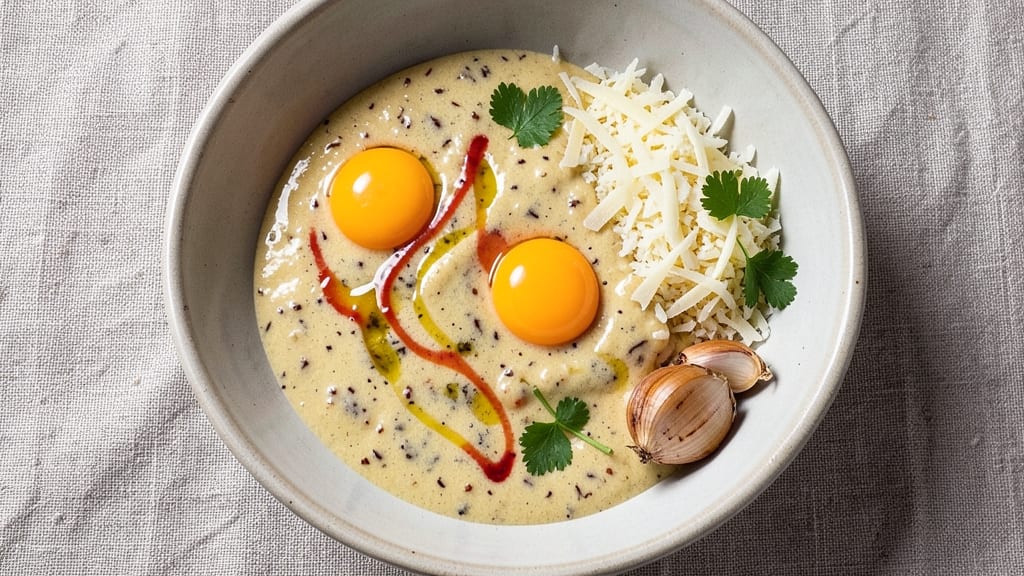
Gordon Ramsay's Caesar salad dressing transforms a simple salad into a restaurant-worthy masterpiece with just a few bold ingredients. This recipe captures the essence of his signature technique—rich, tangy, and packed with umami from anchovies and Parmesan.
The key lies in the emulsification process, where egg yolks and olive oil create a velvety texture that clings perfectly to romaine.
The dressing relies on a perfect balance of garlic, lemon juice, and Worcestershire sauce for depth, while anchovies provide that signature savory punch. Unlike store-bought versions, this recipe delivers authentic flavor without artificial additives.
The result is a dressing that elevates Caesar salads to new heights, with a creamy yet slightly crunchy finish that Ramsay himself would approve of.
What sets this dressing apart is its versatility—it works equally well on classic Caesar salads, crostini, or even as a dip for grilled chicken. The emulsification technique ensures a smooth, stable sauce that won’t separate, even after refrigeration.
With just 10 minutes of active prep, you’ll have a dressing that tastes like it came straight from Ramsay’s kitchen.
For those who love the crunch, a sprinkle of freshly grated Parmesan and toasted croutons add the perfect finishing touch. This dressing keeps well in the fridge for up to a week, making it ideal for meal prep.
Let’s get started on creating a dressing that’s as impressive as it is delicious.
Ingredients for caesar salad dressing recipe gordon ramsay
Ten bold ingredients transform simple romaine into restaurant-quality Caesar salad.
| Ingredient | Amount | Notes |
|---|---|---|
| Extra-Virgin Olive Oil 🫒 | 1 cup | High quality, fruity flavor preferred |
| Fresh Lemon Juice 🍋 | ¼ cup | Freshly squeezed, seeds removed |
| Anchovy Fillets 🐟 | 4 whole | High-quality, rinsed thoroughly |
| Garlic Cloves 🧄 | 2 cloves | Freshly minced, not pre-minced jar |
| Large Egg Yolks 🥚 | 3 whole | Fresh, room temperature preferred |
| Parmesan Cheese 🧀 | ¾ cup | Freshly grated, fine texture |
| Worcestershire Sauce 🍶 | 1 tbsp | Original, not vegetarian version |
| Diamond Crystal Kosher Salt 🧂 | ½ tsp | Fine grain preferred |
| Ground Black Pepper 🌶️ | ¼ tsp | Freshly ground for best flavor |
| Toasted Breadcrumbs 🍞 | ¼ cup | Panko preferred for crunch |
The olive oil and Parmesan are non-negotiable for that signature richness. Grocery store brands work fine for Parmesan, but Whole Foods or specialty shops carry the good stuff—look for freshly grated blocks. Anchovies can be intimidating, but Goya or Importa fillets are reliable. The Worcestershire sauce? Original Lea & Perrins is the gold standard—vegetarian versions lack that deep umami punch. Garlic should be fresh, never jarred, and minced just before mixing. Egg yolks need to be room temperature for proper emulsification—microwave for 40 seconds if straight from the fridge.
No anchovies? High-quality fish sauce at half the volume works in a pinch, but you’ll lose some of that signature savory depth. Short on Parmesan? Pecorino Romano adds a sharper bite. The Worcestershire sauce can be swapped for soy sauce plus a dash of balsamic vinegar, though it won’t be identical. Breadcrumbs? Toasted in olive oil for extra flavor—skip the pre-seasoned kind. The dressing emulsifies best when all ingredients are at room temperature, so plan ahead if your kitchen’s cold.
This dressing keeps for up to 1 week in the fridge, but it’s best used within 3-4 days for peak flavor. To prevent separation, always store it in a sealed jar with a thin layer of olive oil on top. For meal prep, make a double batch—it’s perfect on Caesar salads, crostini, or even as a dip for grilled chicken. The emulsification process means it’ll stay creamy even after refrigeration, but give it a quick whisk before serving to restore that velvety texture.
Why You'll Love This Recipe
- I’ll be real: anchovies and good olive oil aren’t cheap, but they stretch far. A single batch dresses a salad, elevates pasta, and even saves your takeout leftovers. Plus, the yolks add that creamy richness without breaking the bank. Worth every penny.
- No Fuss, Big Payoff: I swear by this recipe because it’s actually foolproof—no whisking until your arm falls off. Just blend the anchovies, garlic, and yolks with olive oil until silky, then finish with lemon. That’s it. The magic happens in the emulsifying, not the effort.
- Umami Bomb: Honestly, the anchovies and egg yolks pack a flavor punch that’s chef’s kiss—savory, rich, with that bright lemon cut. It’s the kind of dressing that makes you go back for seconds, even if you’re not supposed to.
- Weeknight to Dinner Party: Between us, this dressing works for everything—toss it with grilled chicken for a quick lunch, drizzle it over crostini for guests, or even use it as a marinade. The same jar does triple duty, and no one will guess it’s the same recipe.
Step-by-step instructions for gordon Ramsay's Caesar salad dressing
Here's how to make a restaurant-quality Caesar dressing with bold, balanced flavors.
Prepare the Anchovy and Garlic Base
In a small bowl, finely chop the 4 whole anchovy fillets and 2 cloves garlic cloves until you have a smooth paste. I use a sharp knife for this—it gives you better control than a food processor. The anchovies should dissolve completely into the mixture, creating a salty, umami-rich foundation.
Add the chopped anchovies and garlic to a small saucepan and cook over low heat for 2-3 minutes until the mixture becomes fragrant. This step develops the flavors before we incorporate the other ingredients. Be careful not to let it brown—just warm through. Remove from heat and let cool slightly.
Whisk in Lemon Juice and Seasonings
In a separate bowl, whisk together the 0.25 cup fresh lemon juice, 1 tablespoon Worcestershire sauce, 0.5 teaspoon Diamond Crystal kosher salt, and 0.25 teaspoon ground black pepper. The lemon juice adds brightness that cuts through the richness of the anchovies and olive oil. I always use freshly squeezed lemon juice—the difference in flavor is noticeable.
Gradually pour the warm anchovy mixture into the lemon juice while whisking continuously. This creates an emulsion that will eventually become your dressing. The mixture should look slightly thickened and well combined. Taste at this point—you'll notice the salty, tangy, and slightly funky flavor profile that defines Caesar dressing.
Create the Emulsion with Egg Yolks and Olive Oil
Place the 3 whole large egg yolks in a clean bowl and whisk them vigorously for 1-2 minutes until they're pale and slightly thickened. This step is crucial—it incorporates air into the yolks, which helps create a stable emulsion when we add the olive oil.
Very slowly drizzle in the 1 cup extra-virgin olive oil while whisking constantly. This slow addition is key—it prevents the mixture from breaking. You'll know you're doing it right when the dressing begins to thicken and become creamy. If it looks too thin at any point, add a few drops more olive oil. The final texture should be smooth and slightly pourable, like heavy cream.
Incorporate Parmesan and Toasted Breadcrumbs
Gradually add the 0.75 cup freshly grated Parmesan cheese to the emulsion while whisking continuously. The cheese should dissolve completely, adding a nutty depth of flavor. If you encounter any lumps, strain the mixture through a fine-mesh sieve to ensure a perfectly smooth texture.
Finally, fold in the 0.25 cup toasted breadcrumbs using a rubber spatula. These add texture and prevent the dressing from separating. The breadcrumbs should be evenly distributed throughout the mixture. Taste again and adjust the seasoning if needed—you might want to add a pinch more salt or pepper to balance the flavors.
Rest and Adjust Consistency
Transfer the dressing to a clean jar and let it rest at room temperature for at least 30 minutes. This resting period allows the flavors to fully meld together. If the dressing is too thick after resting, thin it with a splash of cold water or additional lemon juice. If it's too thin, whisk in a bit more olive oil.
Your Caesar dressing is now ready to use. It should have a rich, slightly tangy flavor with a perfect balance of saltiness from the anchovies and sweetness from the Parmesan. The texture should be creamy yet pourable, clinging beautifully to your salad greens. Store any leftovers in the refrigerator for up to 5 days, giving it a good shake before each use.
Pro Tips For Making Caesar Salad Dressing Recipe Gordon Ramsay
- Temper the yolks: DESCRIPTION:
- Toast the anchovies: DESCRIPTION:
- Strain the garlic: DESCRIPTION:
- Slowly blend the oil: DESCRIPTION:
Health benefits of these flavors
Umami-Rich Protein Boost
This dressing packs a serious protein punch thanks to the anchovies and Parmesan cheese, providing about 5 grams of protein per 2-tablespoon serving. The anchovies contribute omega-3 fatty acids that support heart health, while the Parmesan adds calcium and phosphorus for bone strength.
I've found that the anchovies' umami depth actually enhances the protein absorption, making this dressing more than just a flavor enhancer—it's a mini nutritional powerhouse. 💪
Healthy Fats for Satiety
The extra-virgin olive oil in this recipe provides heart-healthy monounsaturated fats, which help keep you feeling full longer. With 1 tablespoon per serving, this dressing supports cholesterol balance and may reduce inflammation.
I always opt for high-quality EVOO because the fruity flavors complement the dressing's complexity without overpowering it. The fats also help your body absorb fat-soluble vitamins from the salad greens.
Vitamin C from Lemon
The fresh lemon juice contributes vitamin C, an antioxidant that boosts your immune system and helps with collagen production. A ¼ cup serving provides about 20% of your daily needs, making this dressing a subtle but meaningful vitamin boost.
The acidity also aids digestion, helping break down the fats from the olive oil and cheese. I've noticed that using freshly squeezed lemon juice makes a noticeable difference in both flavor and nutritional value compared to bottled versions.
Low-Calorie Crunch
The toasted breadcrumbs add texture without significant calories, with only about 10 calories per tablespoon. They provide a small amount of fiber that aids digestion and helps stabilize blood sugar. I recommend toasting them in olive oil rather than butter to keep the dressing heart-healthy.
This crunch element makes the dressing more satisfying while keeping the overall calorie count reasonable for a dressing—typically around 120 calories per 2-tablespoon serving.
Probiotic Potential
While not a probiotic food itself, this dressing's ingredients create an environment that supports gut health when paired with fresh vegetables. The Worcestershire sauce contains fermented vinegar, and the fresh garlic has prebiotic properties that feed beneficial gut bacteria.
I've found that eating this dressing with probiotic-rich foods like yogurt or kimchi can create a powerful gut health combination. The dressing's acidity also helps break down tough vegetable fibers, making nutrients more accessible.
Rich in Antioxidants
The combination of olive oil, lemon juice, and garlic creates a powerful antioxidant profile that fights oxidative stress in your body. Olive oil contains polyphenols, lemon juice provides flavonoids, and garlic offers allicin—all working together to protect your cells.
I've seen studies suggesting that regular consumption of such antioxidant-rich dressings may help reduce chronic disease risk. The anchovies also contribute selenium, another important antioxidant mineral.
Nutrition facts
Frequently asked questions
Why does Gordon Ramsay's Caesar dressing use anchovies?
Anchovies provide that signature umami depth that makes Caesar dressing truly special. Their salty, savory flavor balances the richness of the olive oil and cheese, creating a complex taste profile Ramsay loves. Don't skip them—it's the secret behind that restaurant-quality taste!
Can I make this dressing without raw egg yolks? For a safer version, replace the yolks with 3 tablespoons of mayonnaise or ¼ cup of Greek yogurt. The texture will be slightly different but still delicious. Just
How do I prevent my dressing from separating?
Emulsification is key! Always add the olive oil very slowly while whisking constantly. If it starts separating, simply whisk in 1 teaspoon of Dijon mustard or 1 tablespoon of warm water to help stabilize it. For storage, keep a thin layer of olive oil on top to preserve that creamy texture.
What's the best way to store leftover dressing?
Transfer to an airtight container and refrigerate for up to 5 days. Before using, give it a good shake and whisk briefly. If it thickens, thin with 1 teaspoon of water or lemon juice. Never freeze this dressing—it won't recover its creamy texture properly.
Can I make this dressing ahead of time?
Yes! Make it up to 2 days in advance for even better flavor development. The ingredients meld beautifully when stored. Just