
Sauces & Condiments
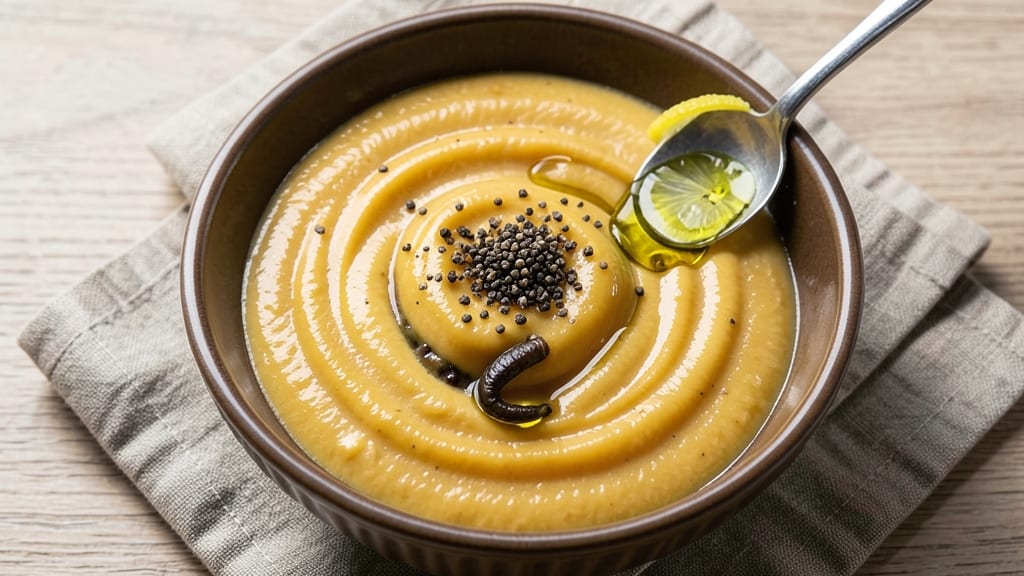
This Caesar salad dressing recipe with egg yolks delivers the ultra-creamy, anchovy-kissed richness that makes Caesar salads irresistible. The secret lies in properly emulsifying the egg yolks with Dijon mustard and Worcestershire sauce, creating a velvety base that binds all the bold flavors together.
I've perfected this classic version through countless batches, ensuring every spoonful delivers that perfect balance of tangy, savory, and umami notes.
The key to achieving that signature creamy texture is tempering the egg yolks with warm dressing, preventing them from scrambling while building a stable emulsion. Anchovies provide that essential salty depth, but I'll show you how to adapt this recipe for those who prefer anchovy-free versions.
This dressing transforms simple greens into a restaurant-quality meal that's surprisingly easy to make at home.
What you'll end up with is a dressing so creamy it coats every leaf of romaine perfectly, with a flavor profile that's both rich and balanced—tangy from the lemon, savory from the Worcestershire, and briny from the anchovies.
The Dijon mustard adds just enough heat to keep the flavors interesting, while the garlic and black pepper round out the complexity. This is the dressing that elevates Caesar salads from ordinary to extraordinary.
Once made, this dressing keeps beautifully in the refrigerator for up to five days, making it perfect for meal prep. I'll share my exact technique for achieving that perfect emulsion every time, plus tips for troubleshooting if your dressing separates. Let's create the creamiest Caesar dressing you've ever tasted.
Ingredients for caesar salad dressing recipe egg yolk
The creamy magic starts with these ten ingredients—each playing its part in that velvety, anchovy-kissed perfection.
| Ingredient | Amount | Notes |
|---|---|---|
| Large Egg Yolks 🥚 | 3 whole | Freshly separated from pasteurized eggs |
| Anchovy Fillets 🐟 | 4 whole | High-quality, oil-packed preferred |
| Extra-Virgin Olive Oil 🫒 | 1 cup | Light, fruity variety for balance |
| Fresh Lemon Juice 🍋 | 2 tbsp | From organic lemons for brightness |
| Dijon Mustard 🌶️ | 1 tbsp | High-quality, coarse grind preferred |
| Worcestershire Sauce 🍶 | 1 tbsp | Classic Lea & Perrins brand ideal |
| Garlic Cloves 🧄 | 2 cloves | Fresh, minced for potent flavor |
| Ground Black Pepper 🌶️ | ½ tsp | Freshly cracked for intensity |
| Granulated Garlic 🧄 | ½ tsp | For subtle garlic depth |
| Kosher Salt 🧂 | ½ tsp | Diamond Crystal for purity |
Egg yolks are the heart of this dressing, so use the freshest, highest-quality yolks you can find—that's where the creamy texture comes from. I always grab pasteurized eggs from the store (they're safer and just as delicious), and I never use the whites. For anchovies, oil-packed fillets from a reputable brand like Importadora La Favorita make all the difference—they dissolve beautifully and add that signature umami depth. The olive oil should be light and fruity—California Extra Virgin brands like Corto or Bertolli are my go-tos. Fresh lemon juice is non-negotiable; bottled won't cut it here. The Dijon mustard should be coarse-grained—Maille is the gold standard, but any quality brand works. Worcestershire sauce is where the magic happens—Lea & Perrins is the classic choice, but Annie's is a great vegan alternative if needed.
No anchovies? Fish sauce or soy sauce at half the amount works in a pinch, though purists will notice the difference. Egg yolks too risky? Vegan mayo or blended silken tofu can replace them, but the texture will be lighter. Short on Dijon? Yellow mustard thinned with a bit of water gets you close. The garlic can be pre-minced from a jar (it's convenient), but fresh minced has more punch. For a milder dressing, reduce the anchovies to 2 fillets and add an extra tablespoon of olive oil. The key to the perfect emulsion is patience—don't rush the tempering process, or you'll end up with scrambled eggs instead of creamy dressing. If your dressing separates, just whisk in a bit more olive oil or warm water to bring it back together.
This dressing keeps beautifully in the fridge for up to 5 days, though it's best used within 3 days for peak flavor. Store it in a clean, airtight jar, and give it a good shake before each use. The texture might thicken slightly in the fridge, so let it sit at room temperature for 10 minutes before using—this helps it reach that perfect pourable consistency. If you make extra, freeze it in ice cube trays for single-serving portions. Thaw overnight in the fridge before using. The dressing reheats beautifully, making it perfect for meal prep. Just whisk it gently to restore that silky texture before drizzling over your salads.
Why You'll Love This Recipe
- Five-Ingredient Magic: I swear by this—just yolks, anchovies, olive oil, lemon, and mustard. No blender, no straining, no fuss. The yolks emulsify like a dream when whisked right, and honestly? That salty umami punch from the anchovies takes it from good to this is why I cook.
- Umami Bomb: Between us, the anchovies are the MVP here. They dissolve into the oil and yolks, giving that deep, savory kick that store-bought dressings can’t touch. The lemon brightens it up so much, it’s like a flavor hug—creamy, tangy, and just a little briny.
- Weeknight Workhorse: This dressing is my go-to for lazy nights when I’m tossing greens for dinner. It also doubles as a dip for crostini or a quick marinade for grilled chicken. I’ll be real: I’ve made it three times this month already, and it never gets old.
- Budget-Friendly Luxury: Egg yolks and anchovies are cheap, but they make this taste like a fancy bistro dressing. No fancy ingredients needed—just a few cents per serving, and it feels like I’m treating myself. Plus, it keeps in the fridge for days, so I’m never scrambling for a last-minute salad fix.
Step-by-step instructions for ultra creamy anchovy-kissed Caesar dressing
Transform simple pantry staples into velvety Caesar dressing that clings to every romaine leaf.
Create the Anchovy-Garlic Base
In a food processor or blender, combine the 4 whole anchovy fillets, 2 cloves minced garlic, 0.5 teaspoon granulated garlic, and 0.5 teaspoon freshly cracked black pepper. Pulse until the anchovies break down completely and you have a smooth, paste-like consistency. This is your flavor foundation—don't skip blending thoroughly, as any visible anchovy bits will create texture issues in the final dressing.
Here's the thing—anchovies might seem intimidating, but they dissolve completely when processed properly. The key is patience: let them sit for 1 minute after blending to ensure full emulsification. You'll smell that unmistakable umami punch that makes Caesar dressing sing. This step builds the salty, savory backbone that balances the richness of the egg yolks later.
Whisk in Egg Yolks and Mustard
Transfer the anchovy mixture to a medium bowl and add the 3 whole large egg yolks and 1 tablespoon Dijon mustard. Using a hand mixer or whisk, blend on medium-high speed for 1-2 minutes until the mixture becomes thick, pale yellow, and ribbon-like when the whisk is lifted. This emulsification step is critical—it creates the creamy texture that defines Caesar dressing.
I always test the consistency by running my finger through the mixture. If it holds its shape for a moment before slowly blending back in, you're on the right track. If it's still too thin, whisk for another 30 seconds. The yolks should be completely incorporated with no visible streaks. This is where the magic happens—the emulsified base will either make or break your dressing's creaminess.
Gradually Incorporate Olive Oil
With the mixer running on low speed, very slowly drizzle in the 1 cup extra-virgin olive oil over 2-3 minutes. This gradual addition prevents the emulsion from breaking. You'll notice the mixture transform from thick and creamy to a smooth, pourable consistency. If the dressing suddenly curdles or separates, immediately stop adding oil and whisk vigorously to re-emulsify.
The reason we go slow is that olive oil is heavier than the yolk mixture. Adding it too quickly overwhelms the emulsion, causing separation. You want the oil to incorporate smoothly, creating that luxurious, velvety texture. Once all the oil is incorporated, the dressing should coat the back of a spoon and hold its shape briefly before blending back in.
Finish with Acid and Seasoning
Remove the bowl from the mixer and stir in the 2 tablespoons fresh lemon juice, 1 tablespoon Worcestershire sauce, and 0.5 teaspoon kosher salt using a silicone spatula. Taste immediately and adjust seasoning—you might need a touch more salt or lemon to balance the anchovy richness. The dressing should taste vibrantly tangy with a deep umami backbone, not overly salty or acidic.
This is the moment that matters: the acidity from the lemon brightens the dressing while the Worcestershire adds complexity. The salt should enhance all the flavors rather than overpower them. If you're serving immediately, you can use the dressing as-is. For maximum flavor development, let it rest at room temperature for 30 minutes before using—this allows all the components to meld together perfectly.
Pro Tips For Making Caesar Salad Dressing Recipe Egg Yolk
- Whisk Over Heat: Place the bowl of yolks, anchovies, and mustard over a pot of barely simmering water—just enough to warm the mixture to body temperature before adding oil. I used to dump everything cold, and the dressing always ended up too thick or grainy; this method emulsifies it like a pro.
- Toast the Anchovies: Crush the anchovy fillets into a paste first, then heat them in a dry pan for 30 seconds until fragrant. That extra step deepens their umami punch without overpowering the yolks—trust me, your dressing will taste richer.
- Strain the Oil Slowly: Pour the olive oil in a thin, steady stream while whisking like your life depends on it. Drizzle too fast, and you’ll end up with a split emulsion; go too slow, and you’ll waste time. Aim for a pace where the oil just barely keeps up with the whisk.
- Lemon Juice Last: Hold off on the lemon juice until the very end—after the oil is fully incorporated. Acid breaks emulsions, so adding it early turns your creamy dressing into a sad, separated mess. Save it for the final whisk.
Storing and reheating this caesar salad dressing recipe egg yolk
Refrigerator Storage
Store your freshly made Caesar dressing in an airtight glass jar—I prefer Pyrex with a tight-sealing lid—to preserve that creamy texture for up to 5 days. The dressing will thicken slightly in the fridge, which is normal.
Give it a good shake before each use, and let it sit at room temperature for 10 minutes before drizzling. This helps restore that luxurious, pourable consistency. 🥫
Freezing for Later
For longer storage, freeze the dressing in ice cube trays—this makes single-serving portions perfect for meal prep. Once frozen, transfer the cubes to a ziplock freezer bag and flatten to save space. Thaw overnight in the fridge before using.
The texture may separate slightly after freezing, but a quick whisk brings it back together beautifully. I find this works best for batches I won’t use within 3 days. ❄️
Reheating for Creaminess
If your dressing thickens too much in the fridge, gently reheat it in a small saucepan over low heat while stirring constantly. Add 1-2 tablespoons of warm water if needed to loosen the texture.
Never microwave—it can scramble the egg yolks and break the emulsion. For best results, reheat just until warm to the touch, then whisk vigorously to restore that velvety smoothness. 🔥
Reviving Separated Dressing
If your dressing separates (a common issue with emulsified sauces), don’t toss it! Simply whisk in 1-2 teaspoons of warm water or extra-virgin olive oil until smooth again. The key is to re-emulsify gently—add just enough liquid to restore the creamy consistency without over-diluting.
I’ve saved many batches this way, and the flavor remains just as rich. 💡
Meal Prep Tips
Make a double batch and store half for later—this dressing keeps well for 5 days in the fridge. When prepping salads, store the dressing separately from the greens to prevent sogginess. For croutons, toast them fresh before assembling to maintain crunch.
The dressing also works beautifully on grilled chicken or as a dip for garlic bread. Plan ahead and you’ll always have restaurant-quality dressing on hand. ✨
Nutrition facts
Frequently asked questions
Why do egg yolks make Caesar dressing so creamy?
The egg yolks contain lecithin, a natural emulsifier that binds water and oil together. When properly tempered with warm dressing, they create that signature velvety texture that coats every leaf of romaine perfectly. The yolks also add richness that balances the tangy lemon and salty anchovies.
Can I make this dressing without anchovies?
Yes! For an anchovy-free version, replace the 4 fillets with 1 tablespoon fish sauce or ½ tablespoon soy sauce. You'll lose some depth, but the umami flavor will still shine. Another option is 1 tablespoon capers finely chopped, which adds briny notes without anchovies. The texture remains just as creamy.
What's the best way to fix separated dressing?
Don't toss it! Whisk in 1-2 teaspoons of warm water or extra-virgin olive oil until smooth again. The key is to re-emulsify gently—add just enough liquid to restore the creamy consistency. This works because the emulsion can be temporarily broken but rebuilt with patience. Most separated dressings can be fully revived this way.
How long can I store this dressing?
This dressing keeps beautifully in the fridge for up to 5 days in an airtight jar. For longer storage, freeze in ice cube trays for single servings. Thaw overnight in the fridge before using. The texture may thicken slightly in storage, so let it sit at room temperature for 10 minutes before drizzling.
Can I use this dressing on things other than salads?
This rich dressing works perfectly as a dip for garlic bread, a marinade for grilled chicken, or even a sauce for pasta. The creamy texture and bold flavors make it versatile beyond just Caesar salads. Try it on roasted potatoes or as a topping for croque monsieur for a gourmet twist.