
Sauces & Condiments
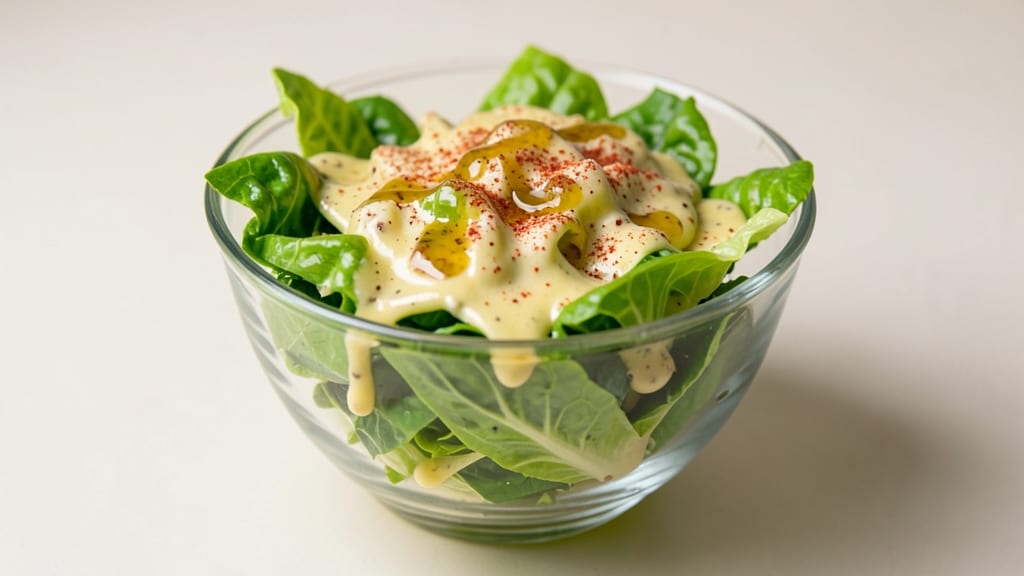
Alton Brown's Caesar salad dressing delivers that signature bold umami kick without relying on anchovy overload. This recipe balances traditional flavors with modern precision—garlic, Dijon mustard, and egg yolks create a velvety emulsion that clings perfectly to romaine.
The secret lies in slow, deliberate whisking to achieve that signature creamy texture without breaking.
What sets this dressing apart is the careful balance of ingredients: just enough Worcestershire sauce for depth, a touch of lemon juice for brightness, and a pinch of cayenne for subtle heat.
Alton Brown’s technique ensures every component works together—no lumps, no separation, just a smooth, restaurant-quality dressing that elevates any Caesar salad. The result is rich, tangy, and perfectly savory, with just a hint of spice to wake up your taste buds.
This recipe transforms a simple salad into a flavorful centerpiece, whether you're serving it as an appetizer or a light main course. The dressing stays fresh in the refrigerator for up to a week, making it ideal for meal prep or entertaining.
For those who prefer a lighter version, you can reduce the egg yolks slightly without sacrificing creaminess.
Ready in just 10 minutes, this dressing is foolproof and adaptable. Use it as-is for a classic Caesar or customize with herbs or spices to suit your taste. The key is patience—whisking slowly ensures a silky texture that coats every leaf of romaine perfectly. Let’s make dressing that stands out.
Ingredients for caesar salad dressing recipe alton brown
Eleven ingredients transform simple romaine into a restaurant-worthy Caesar experience.
| Ingredient | Amount | Notes |
|---|---|---|
| Extra-Virgin Olive Oil 🫒 | ¾ cup | High-quality, fruity variety preferred |
| Fresh Garlic Cloves 🧄 | 4 cloves | Peeled, minced finely for depth |
| Dijon Mustard 🌶️ | 2 tbsp | For tangy, sharp flavor base |
| Fresh Lemon Juice 🍋 | 2 tbsp | Freshly squeezed, brightens flavor |
| Large Egg Yolks 🥚 | 3 whole | Room temperature for smooth emulsion |
| Worcestershire Sauce 🍶 | 1 tbsp | For umami depth without anchovies |
| Granulated Garlic 🧄 | 1 tsp | Enhances garlic flavor without prep |
| Cayenne Pepper 🔥 | ¼ tsp | Adjust for subtle heat preference |
| Kosher Salt 🧂 | ½ tsp | Diamond Crystal preferred for balance |
| Black Pepper 🌶️ | ¼ tsp | Freshly ground for texture contrast |
| Parmesan Cheese 🧀 | ½ cup | Freshly grated, nutty flavor |
The olive oil and egg yolks form the dressing's velvety foundation. Use extra-virgin olive oil—the fruity notes elevate the dressing beyond basic. For the yolks, room temperature is critical—they emulsify better when not cold. The garlic? Freshly minced delivers the most flavor, but granulated garlic works in a pinch if you're short on time. I always grab Whole Foods' organic garlic for the best flavor, but any fresh garlic will do. The Dijon mustard adds that signature tang—don't skip the good stuff, the powdered kind just won't cut it.
No Worcestershire sauce? Soy sauce or mushroom sauce provides umami depth, though Worcestershire's complexity is ideal. For a lighter version, reduce yolks to 2 and add 1 tbsp Greek yogurt for creaminess. The Parmesan should be freshly grated—pre-shredded gets clumpy. If you're avoiding dairy, nutritional yeast adds a cheesy note without the cheese. The cayenne is optional but recommended—it adds a subtle kick that balances the richness. For extra garlic flavor without mincing, garlic powder at half the amount works in a bind.
This dressing stays fresh for up to 1 week in the fridge, sealed tightly in a jar. For best texture, whisk vigorously before each use. The emulsion separates slightly over time—just whisk again. To make ahead, prepare the dressing 1 day in advance for flavors to meld perfectly. Store in an airtight container with a thin layer of olive oil on top to preserve freshness. If you make extra, freeze portions in ice cube trays for quick Caesar boosts later.
Why You'll Love This Recipe
- I’ll be real: this dressing takes five minutes—just whisk yolks, mustard, and lemon until smooth, then slowly drizzle in that olive oil. The key? No blender, no stress, just a fork and a bowl.
- No Fuss, Big Payoff: I’ll be real: this dressing takes five minutes—just whisk yolks, mustard, and lemon until smooth, then slowly drizzle in that olive oil. The key? No blender, no stress, just a fork and a bowl.
- Garlic-Lemon Magic: That raw garlic and lemon juice combo? It’s the secret weapon—bright, tangy, and just sharp enough to cut through rich croutons. Honestly, I’ve tried store-bought Caesar dressing, and this beats it every time.
- Weeknight to Dinner Party: Same recipe, endless uses. Slather it on grilled chicken, toss with pasta, or drizzle over steak bites. I keep a jar in the fridge for lazy nights, but it’s also the star of my holiday salad platter.
Step-by-step instructions for alton Brown's Caesar dressing
This method delivers a rich, umami-forward Caesar dressing with perfect texture every time.
Whisk Egg Yolks and Mustard Until Fully Emulsified
In a medium bowl, combine the 3 whole large egg yolks and 2 tablespoons Dijon mustard. Using a whisk, beat them together vigorously for 2-3 minutes until the mixture lightens in color and becomes thick and creamy. This step is crucial—it creates the foundation for a smooth, stable emulsion that won't separate later. The yolks should be at room temperature (if cold, they'll resist emulsification).
Here's the thing—I like to work quickly but carefully at this stage. If the mixture starts to look grainy or streaky, keep whisking. You're looking for a uniform, ribbony texture that clings to the whisk. This ensures your dressing will have that signature velvety consistency without any lumps or oil separation.
Gradually Incorporate the Olive Oil
With the whisk still moving, very slowly drizzle in the ¾ cup extra-virgin olive oil—about 1 tablespoon at a time. After each addition, whisk vigorously for 10-15 seconds until fully incorporated before adding more. This gradual approach prevents the oil from overwhelming the yolks and causing curdling.
I press the whisk against the bowl's sides occasionally to scrape down any oil clinging to the edges. The mixture should transform from thick and pasty to a smooth, mayonnaise-like consistency. If it starts to look too thick or breaks slightly, add ½ teaspoon water at a time to re-emulsify. The key is patience—rushing here leads to a dressing that separates later.
Add Aromatics and Seasonings
Stir in the 4 cloves minced fresh garlic cloves, 1 teaspoon granulated garlic, 0.25 teaspoon cayenne pepper, 0.5 teaspoon kosher salt, and 0.25 teaspoon freshly ground black pepper. Then add the 2 tablespoons fresh lemon juice and 1 tablespoon Worcestershire sauce. Mix well with a wooden spoon to distribute all the flavors evenly.
The lemon juice brightens the richness of the oil and yolks, while the Worcestershire sauce adds that signature umami depth without anchovies. Taste the mixture now—it should be tangy, garlicky, and slightly spicy. Adjust the salt or cayenne if needed, but don't overdo it. The parmesan will add more saltiness in the next step, so balance is key.
Fold in the Parmesan Cheese
Gently fold in the ½ cup freshly grated Parmesan cheese using a rubber spatula. Work in small batches to ensure even distribution. The cheese should melt slightly from the residual heat of the yolks, creating a cohesive, cheesy texture. If the dressing feels too thick, thin it with 1-2 teaspoons water at a time until it reaches a pourable consistency—it should coat the back of a spoon smoothly.
This is where the dressing comes together. The parmesan adds nutty depth and a salty finish that ties all the flavors together. I like to press the mixture through a fine-mesh sieve at this point to remove any large cheese particles, but it's optional. The texture should be silky, not grainy, and ready to toss with crisp romaine.
Chill and Rest Before Serving
Transfer the dressing to a clean jar or airtight container and refrigerate for at least 1 hour before using. This resting period allows the flavors to meld and the emulsion to fully stabilize. The dressing will thicken slightly in the fridge, so give it a quick whisk or stir before serving to restore its smooth consistency.
When ready to use, shake or stir vigorously to re-emulsify any separation. The dressing should cling beautifully to romaine leaves and provide that signature creamy, garlicky punch without being overly heavy. For best results, use within 5-7 days of making it—freshness matters for that bright, vibrant flavor.
Pro Tips For Making Caesar Salad Dressing Recipe Alton Brown
- Warm the yolks first: Dump the raw egg yolks into a heatproof bowl and place it over a pot of barely simmering water for 10 seconds—just enough to take the chill off. I learned this the hard way when my dressing curdled because cold yolks hit hot oil like ice in a volcano.
- Toast the garlic low: Sauté those garlic cloves in olive oil over medium-low heat until they’re golden, not brown—about 3 minutes. Burning garlic turns bitter, and you’ll taste it even in a creamy dressing. (Yes, even if you’re impatient like me.)
- Whisk in stages: Start by whisking mustard and lemon juice into the warm yolks, then slowly drizzle in the oil while whisking constantly. Adding oil too fast turns your dressing into scrambled eggs. Think "paint thinner, not a waterfall."
- Reserve some oil: Set aside 1-2 tablespoons of olive oil before emulsifying—it’s your insurance policy. If the dressing breaks, stir in a little reserved oil to bring it back together. (This isn’t the prettiest method, but it’s the tastiest.)
Troubleshooting perfect results
Emulsion Breaking Fix
If your dressing separates, don’t panic—it’s fixable! The most common cause is adding oil too quickly or using cold egg yolks. To rescue it, whisk in 1 teaspoon water at a time while vigorously whisking until smooth.
For stubborn cases, add ½ teaspoon Dijon mustard to help re-emulsify. I’ve revived even the most broken dressings this way—just work patiently. 💡
Too Thick or Clumpy
If your dressing feels like glue or has cheese clumps, thin it with 1 teaspoon water at a time until it reaches a pourable consistency. For clumps, press the mixture through a fine-mesh sieve or use a fork to break them apart.
Over-mixing after adding Parmesan can cause this—fold it in gently. For extra smoothness, whisk in 1 teaspoon extra-virgin olive oil to restore balance. 🥄
Not Tangy Enough
Need more brightness? Add ½ teaspoon additional lemon juice or ½ teaspoon apple cider vinegar to cut through richness. If the dressing tastes flat, the Worcestershire sauce might be lacking—boost it with ½ teaspoon fish sauce for deeper umami.
Taste as you go! I often keep a small bowl of lemon wedges nearby to adjust freshness. 🍋
Overpowering Garlic
If the garlic flavor is too strong, balance it with ½ teaspoon honey or ¼ teaspoon sugar to mellow the intensity. For a milder version, reduce fresh garlic to 2 cloves and skip the granulated garlic.
If you’ve already added too much, stir in 1 teaspoon extra lemon juice to refresh the palate. The key is gradual adjustments—don’t overcorrect! 🧄
Storage Separation
Dressing that separates after refrigerating is normal—just whisk vigorously before using. For long-term storage, add a thin layer of olive oil on top to preserve freshness. If separation persists, stir in 1 teaspoon warm water to help re-emulsify.
I store mine in a sealed jar with the oil layer intact, and it stays fresh for up to 1 week. ❄️
Egg Safety Concerns
For a raw-egg-free version, replace yolks with ¼ cup mayonnaise or ¼ cup Greek yogurt. The texture will be slightly different but still creamy. If you’re worried about raw eggs, pasteurized yolks work too—just reduce the amount by 1 tablespoon to account for their thinner consistency.
Always use fresh ingredients to minimize risks. 🥚
Nutrition facts
Frequently asked questions about alton Brown's Caesar dressing
Why does this dressing use Worcestershire sauce instead of anchovies?
Worcestershire sauce provides that signature umami depth without the strong anchovy flavor. Alton Brown's version relies on its complex, fermented taste to deliver richness and complexity. The sauce contains vinegar, molasses, and spices that mimic anchovies' savory punch while keeping the dressing more approachable for those who dislike fishy notes.
Can I make this dressing without raw eggs?
For a safer version, replace the 3 egg yolks with ¼ cup mayonnaise or ¼ cup Greek yogurt. The texture will be slightly different but still creamy. If you prefer pasteurized yolks, use 2 tablespoons less since they're thinner. The key is maintaining the emulsion's stability—whisk everything thoroughly.
How do I prevent the dressing from separating?
Slow, deliberate whisking is the secret! Add the olive oil gradually (1 tbsp at a time) while whisking continuously. Use room-temperature yolks and avoid overmixing after adding Parmesan. For extra insurance, chill the dressing for 1 hour before using—this helps the emulsion stabilize. If it separates later, whisk in 1 tsp water to re-emulsify.
What's the best way to store leftover dressing?
Transfer to an airtight container and refrigerate for up to 1 week. To preserve freshness, add a thin layer of olive oil on top before sealing. Before using, whisk vigorously to restore the smooth texture. The dressing may thicken slightly in the fridge—thin with 1 tsp water if needed. For longer storage, freeze in ice cube trays for quick Caesar boosts later.
Can I adjust the spice level?
Yes! The ¼ tsp cayenne is optional but recommended. For milder heat, omit it completely. If you love spice, add up to ½ tsp cayenne or a pinch of red pepper flakes. For a smoky twist, stir in ¼ tsp smoked paprika. Always taste as you go—you can't easily remove excess spice once added.