
Salads
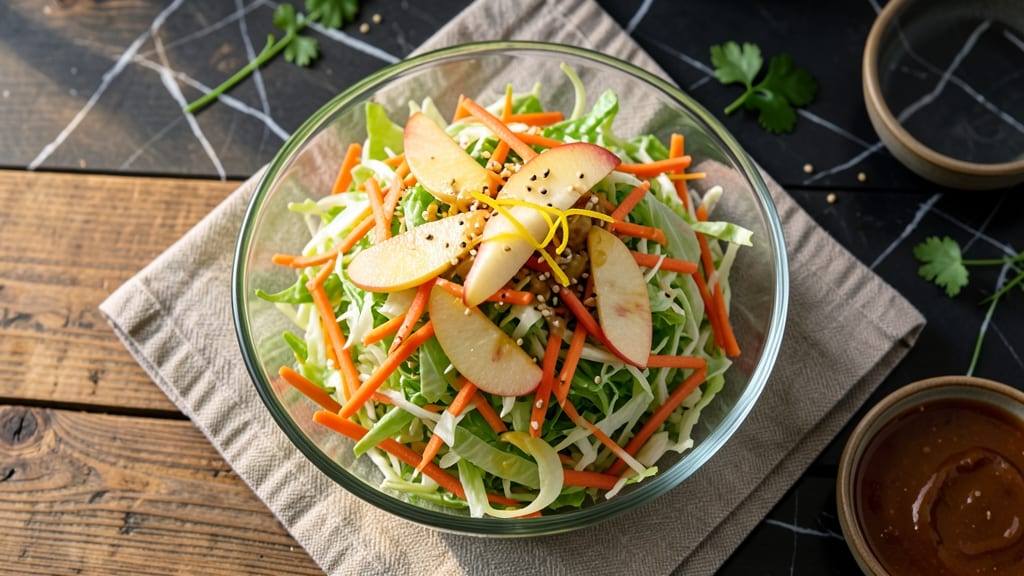
This cabbage coleslaw salad recipe delivers bold, vinegar-infused crunch without a single drop of mayo—perfect for those craving tangy, refreshing bites. The secret lies in a bright dressing of apple cider vinegar, Dijon mustard, and a touch of honey that balances sharpness with subtle sweetness.
I developed this version after realizing traditional creamy coleslaw could be just as satisfying, if not more, with a lighter touch.
What makes this recipe stand out is the textural contrast: crisp cabbage and carrots hold their shape while absorbing the dressing perfectly, creating a salad that stays fresh for days.
The process is straightforward—shred the cabbage and carrots finely, whisk together the dressing ingredients, and toss everything just before serving to maintain that satisfying crunch. No fancy equipment needed, just a sharp knife and a bowl.
The result is a vibrant, tangy salad that pairs beautifully with grilled meats, sandwiches, or even as a standalone side. The vinegar dressing cuts through richness while the cabbage provides a satisfying crunch that keeps every bite exciting.
This recipe is adaptable too—swap in red cabbage for extra color or add nuts for crunch if you prefer.
Whether you're prepping for a picnic or adding a fresh side to your dinner table, this coleslaw delivers restaurant-quality flavor with minimal effort. The best part? It keeps well in the fridge for up to 5 days, making it a go-to for meal prep. Let’s get started!
Ingredients for cabbage coleslaw salad
Bright cabbage, zesty vinegar, and a touch of honey create this tangy, mayo-free coleslaw masterpiece.
| Ingredient | Amount | Notes |
|---|---|---|
| Green Cabbage 🥬 | 3 cups | Shredded, outer leaves removed |
| Carrots 🥕 | 1 lb | Peeled, shredded into matchsticks |
| Apple Cider Vinegar 🍎 | ½ cup | Raw, unfiltered preferred |
| Dijon Mustard 🍯 | 2 tbsp | High-quality, smooth texture |
| Honey 🍯 | 2 tbsp | Light or wildflower preferred |
| Granulated Sugar 🍚 | 2 tbsp | White or raw cane sugar |
| Olive Oil 🫒 | ½ cup | Extra-virgin for richness |
| Salt 🧂 | 1 tsp | Diamond Crystal kosher salt |
| Black Pepper 🌶️ | ½ tsp | Freshly ground preferred |
| Celery Stalk 🌿 | 1 whole | Thinly sliced, optional for crunch |
| Red Onion 🧅 | ¼ cup | Thinly sliced, for brightness |
| Fresh Parsley 🌿 | ¼ cup | Chopped, for garnish |
The cabbage is your canvas here—green cabbage for classic crunch, but red cabbage adds vibrant color if you're feeling adventurous. Trader Joe's and Whole Foods carry pre-shredded bags that save time, but fresh-shredded stays crisp longer. Look for heads with tightly packed leaves and no yellowing. Carrots should be firm and bright orange—skip the soft or woody ones. The apple cider vinegar makes all the difference: raw, unfiltered brands like Bragg have more depth than the clear, processed stuff. Store your cabbage in the crisper drawer, but don't wash it until you're ready to shred—moisture makes it limp.
No Dijon? Yellow mustard at double the amount works in a pinch, though it's less refined. Honey too expensive? Maple syrup is a 1:1 swap, but it's heavier. The sugar is non-negotiable for balancing acidity—don't skip it. For extra crunch, jicama or bell peppers replace celery. The red onion can be swapped for green onion if you prefer milder flavor. Prefer a sweeter dressing? Add 1 extra tablespoon of honey. Storage tip: Keep dressing separate until ready to toss—this keeps the cabbage crisp for 5 days in the fridge.
This salad tastes even better the next day as flavors meld. Store the dressing separately in a small jar and toss with cabbage just before serving. The dressing keeps for 1 week in the fridge, so double it if you're prepping for multiple meals. For meal prep, portion into airtight containers with parchment paper between layers to maintain crispness. The parsley stays fresh longest if stored in a damp paper towel—wrap it loosely and pop it in the fridge. Freezing isn't recommended as it turns the cabbage mushy.
Why You'll Love This Recipe
- No-Sharp-Knife Night: I swear by this one—just a big chopper or even my hands (yes, really) for the cabbage and carrots. The vinegar and honey dressing comes together in a bowl while I’m still washing the veggies, so it’s basically hands-off after that.
- Sweet-Tangy Magic: That apple cider vinegar and Dijon mustard combo? It’s the secret weapon. The honey cuts the sharpness just enough to make it addictive—crunchy, bright, and with this weirdly satisfying depth that sticks with you.
- Picnic-to-Potluck Star: Between us, this salad shows up everywhere. Pack it for lunch, toss it on BBQ tables, or serve it at dinner when you’re too tired to think. It’s the one side dish that never gets leftovers because everyone wants seconds.
- Pantry Staple Power: Green cabbage lasts forever, carrots are cheap, and vinegar? Always in my cupboard. This recipe costs me pennies to make, and the dressing keeps for weeks in the fridge—so I’m always ready for a fresh batch without extra shopping.
Step-by-step instructions for vinegar-infused cabbage coleslaw
A bright, tangy coleslaw that delivers crisp texture without mayo—perfect for meal prep.
Prepare the Vegetables
Remove the outer leaves from the 3 cups green cabbage and quarter it, then slice it into thin strips using a sharp knife or mandoline. You want even, bite-sized pieces for consistent texture. Transfer to a large mixing bowl as you work.
Peel the 1 lb carrots and shred them into matchsticks using the same method. Thin, even shreds ensure they cook perfectly in the dressing. Add them to the cabbage immediately to prevent oxidation—this keeps your slaw vibrant and fresh-tasting.
Whisk the Dressing Ingredients
In a separate bowl, combine the 0.5 cup apple cider vinegar, 2 tbsp Dijon mustard, 2 tbsp honey, 2 tbsp granulated sugar, 1 tsp salt, and 0.5 tsp black pepper. Whisk vigorously until the sugar and salt dissolve completely—this ensures even flavor distribution.
Slowly drizzle in the 0.5 cup olive oil while whisking continuously. The dressing should emulsify into a smooth, creamy consistency. If it separates, whisk more vigorously or add 1 tsp water to help bind it. This is your base for a tangy, balanced flavor profile.
Combine and Toss
Pour the dressing over the cabbage and carrot mixture in the mixing bowl. Add the 0.25 cup thinly sliced red onion and 1 whole celery stalk, sliced thinly if using. Use a large spoon or your hands to toss everything thoroughly and evenly coat each piece.
Let the slaw sit for 10 minutes at room temperature. This resting period allows the dressing to fully penetrate the vegetables, enhancing flavor and texture. If you're short on time, refrigerate for 30 minutes to achieve the same result.
Chill and Serve
Transfer the coleslaw to an airtight container and refrigerate for at least 1 hour before serving. This chilling time is crucial—it allows the flavors to meld and the vegetables to crisp up perfectly. The longer it sits, the better the texture and taste.
Just before serving, garnish with 0.25 cup chopped fresh parsley for a pop of color and freshness. The parsley adds a subtle herbal note that brightens the tangy dressing. Serve as a side dish or enjoy it cold in wraps, sandwiches, or as a standalone salad.
Pro Tips For Making Cabbage Coleslaw Salad
- SHRED SMALLER THAN YOU THINK: I learned this the hard way—big shreds make soggy slaw. Use a sharp knife or mandoline for thin, even strips (about 1/8-inch thick). The smaller the pieces, the more surface area for the dressing to cling without wilting.
- SAUTE CARROTS FIRST: Skip the raw crunch and lightly cook your carrots in a dry pan for 3-4 minutes until just tender. This softens them slightly and brings out their sweetness, balancing the sharpness of the vinegar. (Yes, even if you’re impatient like me.)
- DRESS IT JUST BEFORE SERVING: The coleslaw’s magic happens when the dressing meets the cabbage, but don’t toss it too early—wait 10 minutes after shredding. This lets the cabbage release moisture, so the dressing binds better instead of pooling at the bottom.
- USE LESS HONEY: I was skeptical until I tried it—cut the honey by half (or use 1 tablespoon total) and let the Dijon mustard and vinegar shine. Too much sweetness masks the cabbage’s freshness, and you’ll end up with a dessert instead of a salad.
Health benefits of this recipe
Digestive Health Boost
This coleslaw is packed with fiber-rich cabbage, which supports digestive health by promoting regular bowel movements and feeding beneficial gut bacteria.
Just 3 cups of shredded cabbage provide about 6 grams of fiber—nearly 25% of your daily needs—while the carrots add beta-carotene, which converts to vitamin A for gut lining health.
The vinegar dressing also contains acetic acid, which may help balance gut bacteria and improve digestion. 🌱
Low-Calorie, High-Volume
Unlike creamy coleslaw, this version keeps calories in check while delivering maximum volume. A 1-cup serving contains just 80-100 calories, making it perfect for weight management or low-calorie diets.
The vinegar and honey dressing adds natural sweetness without refined sugars, while the cabbage and carrots provide bulk that satisfies hunger. It’s the ideal side for those watching their waistline but not their flavor.
Antioxidant-Rich Ingredients
Both cabbage and carrots are antioxidant powerhouses, helping combat oxidative stress in your body. Cabbage contains vitamin C and anthocyanins (especially if using red cabbage), while carrots provide lutein and zeaxanthin for eye health.
The apple cider vinegar adds polyphenols, which further enhance the salad’s antioxidant profile. Together, these ingredients help reduce inflammation and support long-term health.
Blood Sugar Balance
The combination of vinegar and fiber in this coleslaw helps stabilize blood sugar levels, making it a smart choice for those managing diabetes or insulin resistance.
Studies show that vinegar can lower post-meal blood sugar spikes by up to 20%, while the fiber in cabbage slows digestion, preventing rapid glucose absorption. The honey adds a touch of natural sweetness without the blood sugar rollercoaster of refined sugar.
Hydration Support
Cabbage has a high water content (about 92%), which contributes to your daily hydration needs. Pair that with the electrolyte-rich vinegar dressing, and you’ve got a refreshing, hydrating side that’s perfect for hot days or post-workout meals.
The carrots also add moisture, ensuring every bite is juicy and satisfying. Staying hydrated has never tasted this good! 💧
Nutrition facts
Frequently asked questions
Can I use red cabbage instead of green?
Red cabbage adds vibrant color and a slightly sweeter, earthier flavor. Use the same amount (3 cups) and note it may stain your hands slightly. For extra vibrancy, add 1 tbsp lemon juice to the dressing to preserve the purple hue. The texture will be similar, though red cabbage tends to hold up slightly better when stored.
How do I keep my coleslaw crisp longer?
Store the dressing separately in a small jar and toss it with the cabbage just before serving. Use an airtight container with parchment paper between layers to prevent sogginess. For meal prep, add 1 tbsp cornstarch to the dressing to absorb excess moisture. This method keeps the crunch for up to 5 days in the fridge.
What's the best way to shred cabbage quickly?
Use a mandoline slicer for even strips or wrap the whole cabbage in plastic wrap and slice through with a sharp knife. For speed, buy pre-shredded cabbage from the store, but fresh-shredded stays crisper longer. Always remove the tough outer leaves first—they're more fibrous and less flavorful.
Can I make this coleslaw without vinegar?
Yes, but the flavor will be milder. Replace the 0.5 cup apple cider vinegar with 0.5 cup lemon juice for brightness or 0.25 cup white wine vinegar for extra tang. The honey and sugar will still balance the acidity, but you may want to add 1 extra tsp of salt to compensate for the missing depth.
Why does my coleslaw turn soggy?
Sogginess happens when cabbage releases too much moisture. Always store dressing separately and toss just before serving. For extra insurance, add 1 tbsp cornstarch to the dressing or pat shredded cabbage dry with a paper towel before mixing. Avoid using wet or overly ripe vegetables—they release more liquid.