
Sauces & Condiments
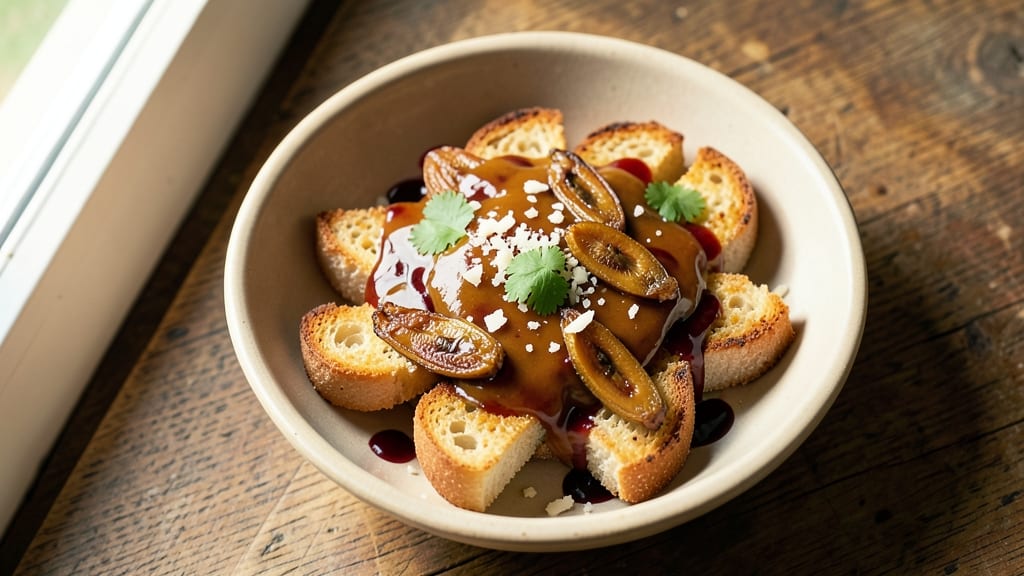
This anchovy-balsamic bun salad dressing transforms ordinary sandwiches, burgers, and steamed buns into restaurant-worthy bites with its umami-rich depth and nutty finish. The secret lies in balancing salty anchovies, tangy balsamic, and sharp parmesan—creating a dressing that clings perfectly to soft buns while adding layers of flavor without overpowering.
I developed this after years of searching for a dressing that could elevate simple buns into something special, and it never fails to impress.
The base starts with a simple emulsion of olive oil and red wine vinegar, but it’s the anchovies and parmesan that truly elevate it. Anchovies dissolve into the dressing, infusing it with a briny, savory punch, while freshly grated parmesan adds a creamy, nutty contrast.
A touch of Dijon mustard helps emulsify the dressing, ensuring it stays silky and cohesive—no separation, even after sitting for hours. The result is a dressing that’s bold enough for hearty sandwiches but versatile enough for delicate pastries.
What makes this dressing truly special is its ability to enhance any bun—whether you’re slathering it on a crusty baguette, a soft steamed bun, or even a burger roll. The anchovy-balsamic base cuts through rich meats and creamy cheeses, while the parmesan adds a satisfying crunch and depth.
It’s the kind of dressing that turns a simple meal into something memorable, with every bite packed with flavor. Best of all, it keeps well in the fridge for up to a week, so you can make a batch and enjoy it all week long.
For an extra touch of freshness, finish with a sprinkle of flaky sea salt and cracked black pepper right before serving. This dressing is a game-changer for anyone who loves bold, umami flavors but wants something that still feels light and balanced. Let’s get started!
Ingredients for bun salad dressing
Eight bold ingredients for a dressing that turns simple buns into restaurant-worthy bites.
| Ingredient | Amount | Notes |
|---|---|---|
| Anchovy Fillets 🐟 | 6 whole | High-quality, oil-packed preferred |
| Extra-Virgin Olive Oil 🫒 | ½ cup | Fruity, peppery variety |
| Balsamic Vinegar 🍷 | ¼ cup | Aged, thick kind |
| Red Wine Vinegar 🍷 | 2 tbsp | Dry, not sweetened |
| Dijon Mustard 🥬 | 1 tbsp | Mild or strong, not sweet |
| Parmesan Cheese 🧀 | ½ cup | Freshly grated from block |
| Flaky Sea Salt 🧂 | ½ tsp | For finishing |
| Freshly Ground Black Pepper 🌶️ | ¼ tsp | Cracked for texture |
Anchovies are the secret weapon here—look for oil-packed fillets at Italian markets or the international aisle. Trader Joe's has a great brand, but any good-quality anchovy works. The Parmesan needs to be freshly grated from a block—pre-shredded gets clumpy and lacks flavor. For the olive oil, grab something fruity and peppery; California or Tuscan varieties are my go-tos. Balsamic vinegar should be aged and thick—skip the sweetened kind. If you're short on time, aged balsamic glaze works too, but it's pricier. The Dijon mustard helps emulsify everything, so don't skip it—mild or strong, just not sweetened.
No anchovies? Anchovy paste at half the amount works in a pinch, but you'll lose some texture. Swap the Parmesan for Pecorino Romano if you want more tang. Running low on balsamic? Red wine vinegar plus a splash of honey mimics the depth (though it won't be identical). The dressing emulsifies best when you whisk everything together thoroughly—no blender needed. For extra richness, add a dash of soy sauce or a pinch of smoked paprika. If it separates, just whisk again or add a splash of water.
This dressing keeps beautifully—up to 1 week in the fridge in a sealed jar. The flavors actually meld better after a day or two, so make it ahead. For serving, I like to store it in a small squeeze bottle—no more than 4 oz portions so it doesn't get watered down. If you make extra, freeze it in ice cube trays. Each cube makes a perfect single-serving portion for later. Always finish with a sprinkle of flaky salt and cracked pepper right before using—trust me on this.
Why You'll Love This Recipe
- No-Fuss Whisking: I swear by this dressing—just toss everything into a jar and shake it. No straining, no measuring cups, no mess. The anchovies dissolve right into the olive oil, so you’re left with a silky, umami-rich base that’s ready in minutes. Honestly? It’s the kind of recipe that makes me feel like a chef without the fuss.
- Umami Bomb: That first bite of anchovy-infused dressing on a warm bun? It’s like a flavor explosion. The salty punch from the fillets cuts through the richness of the olive oil, while the balsamic and red wine vinegar add this tangy depth that’s dangerously addictive. Between us, I’ve been known to drizzle it straight from the jar—no shame.
- Weeknight Magic: This dressing works on everything. Toss it with greens for a quick salad, drizzle it over grilled fish, or slather it on garlic toast. I keep a jar in the fridge for those nights when I’m too tired to think, and it never lets me down. Even my picky-eater husband asks for it now—(yes, even on a Tuesday night).
- Budget-Friendly Staple: A few anchovy fillets and a bottle of good olive oil stretch for ages. I make this in bulk and it lasts weeks, perfect for when I’m meal prepping or just don’t want to buy overpriced store-bought dressings. Plus, the vinegars and mustard are pantry basics, so you’re not wasting money on specialty ingredients. It’s my secret weapon for making cheap meals taste like a splurge.
Step-by-step instructions for anchovy-balsamic dressing
Here's how to make this bold, savory dressing that's perfect for salads or drizzling over crusty bread.
Toast the Anchovies for Maximum Flavor
Heat a small skillet over medium-low heat and add the 6 whole anchovy fillets. Let them cook for 1-2 minutes per side until they begin to curl and turn golden brown. You'll smell that unmistakable umami aroma—this is where all the magic happens. The gentle toasting enhances their natural saltiness and oiliness without overpowering the dressing.
Once toasted, transfer the anchovies to a small bowl and let them cool slightly. They'll release their oils as they cool, which helps create that rich, velvety base for your dressing. Don't rush this step—properly toasted anchovies make all the difference in this recipe.
Blend the Base Ingredients
In a food processor or blender, combine the toasted anchovies with the 0.5 cup extra-virgin olive oil, 0.25 cup balsamic vinegar, and 2 tablespoons red wine vinegar. Process until completely smooth, scraping down the sides as needed. You're looking for a silky, emulsified base that coats the back of a spoon.
Here's the thing—this blend needs to be perfectly smooth. Any lumps will translate to a grainy dressing. If you don't have a food processor, you can use an immersion blender or whisk vigorously in a bowl, but you'll need to work a bit harder to achieve that velvety texture.
Incorporate the Mustard and Cheese
With the processor running, add the 1 tablespoon Dijon mustard through the feed tube. This helps emulsify the dressing and adds that subtle tang that balances the richness. Then add the 0.5 cup freshly grated Parmesan cheese and process until fully incorporated and smooth.
The cheese should dissolve completely, creating a thick, creamy dressing with a nutty Parmesan kick. If you're using pre-grated cheese, you might need to pulse it a few extra times to break up any clumps. This is where the dressing transforms from good to exceptional—those tiny cheese particles create texture and depth.
Season and Emulsify
Transfer the dressing to a bowl and stir in the 0.5 teaspoon flaky sea salt and 0.25 teaspoon freshly ground black pepper. Taste and adjust the seasoning if needed—you might want to add a touch more salt or pepper depending on your preference. The dressing should be tangy, salty, and rich with that unmistakable anchovy depth.
For an extra-smooth finish, you can strain the dressing through a fine-mesh sieve to remove any remaining bits. This step is optional but gives you that restaurant-quality texture. Store any leftovers in an airtight container in the refrigerator for up to 5 days, though it's so good you'll likely use it all up.
Rest and Adjust Consistency
Let the dressing rest for 10-15 minutes at room temperature. This allows all the flavors to meld together and the emulsification to stabilize. If the dressing is too thick after resting, thin it with 1-2 teaspoons of water or additional vinegar until it reaches your desired consistency.
For a more complex flavor profile, you can add a pinch of red pepper flakes or a teaspoon of honey to balance the acidity. The dressing should be thick enough to cling to greens but still flow smoothly when drizzled. This is your perfect anchovy-balsamic dressing—ready to elevate any salad or bread dish you serve it with.
Pro Tips For Making Bun Salad Dressing
- Mash the Anchovies: I learned this the hard way—just tossing them in whole leaves you with fishy chunks that fight for space. Use the back of a fork or a small spoon to really crush them into the oil first. This way, they dissolve properly and spread their umami magic evenly.
- Start with Less Oil: Extra-virgin olive oil is expensive, and you don’t need a pool of it. Begin with just 2 tablespoons—enough to coat the anchovies—and whisk in the rest gradually. You’re not making a vinaigrette; you’re building flavor, and too much oil dilutes the punch.
- Whisk in Vinegars Slowly: Pouring both balsamic and red wine vinegar in at once can make your dressing too sharp too fast. Add the red wine vinegar first, then the balsamic one teaspoon at a time while tasting. The balsamic’s sweetness needs room to bloom, and this keeps the balance right.
- Let It Sit: This isn’t a five-minute whisk-and-go situation. Give the dressing 10 minutes to marry—especially if you’re using high-quality vinegars or anchovies. The flavors will soften, the anchovies will mellow, and you’ll avoid that harsh, immediate bite that ruins the first bite. (Yes, even if you’re impatient like me.)
Regional styles of this bun salad dressing
Italian-Inspired Classic
This dressing originated from traditional Italian condiments used to enhance focaccia and ciabatta. In Tuscany, anchovies and Parmesan are often combined with olive oil for a quick spread called salsa di acciughe, which is similar to this dressing.
The key difference is the addition of balsamic vinegar, which gives it that signature tangy depth. I first tried this version in a small trattoria in Florence, where it was drizzled over grilled bread and paired with prosciutto. 🍷
French Bistro Twist
French bistros often use a similar concept with their sauce à l'anchois, but they typically rely more on shallots and white wine vinegar. For this dressing, I swapped in balsamic and red wine vinegar to create a richer profile.
The French version is usually lighter, perfect for salads, while this one is bold enough for hearty sandwiches. Try it on a croissant sandwich with smoked salmon for a bistro-style bite.
Asian Fusion Adaptation
For an unexpected twist, I've seen this dressing adapted in Asian cuisine, particularly in steamed bun shops. The anchovies provide that umami kick, while the balsamic adds a tangy contrast to sweet fillings like pork belly or mushrooms.
In Hong Kong, vendors sometimes drizzle a similar dressing over char siu bao for extra depth. The Parmesan adds a creamy texture that balances the crispness of the bun.
Southern U.S. Barbecue Style
In the American South, this dressing gets a smoky makeover by adding a dash of smoked paprika or a splash of chipotle vinegar. It pairs perfectly with pulled pork sandwiches or fried chicken biscuits.
The anchovies add a briny depth that cuts through the richness of Southern barbecue sauces. I like to serve it on a buttermilk biscuit with shredded chicken for a Southern-inspired twist.
Mediterranean Market Version
In Mediterranean markets, this dressing is often sold as a ready-made condiment called salsa verde. The key difference is the addition of fresh herbs like parsley or basil, which add a bright, fresh note.
For a market-style version, stir in 1 tablespoon chopped fresh parsley or 1 teaspoon dried oregano after blending. This works beautifully on grilled halloumi or as a dip for pita bread.
Modern Fusion Experiment
For a contemporary take, I’ve experimented with adding a touch of honey or maple syrup to balance the acidity, creating a sweet-savory profile. This version pairs exceptionally well with avocado toast or as a glaze for grilled vegetables.
The anchovies and Parmesan add a salty contrast that makes the sweetness pop. It’s a great way to elevate a simple brunch spread. 💫
Nutrition facts
Frequently asked questions
Can I make this dressing without anchovies?
For a vegetarian version, replace the anchovies with 1 tablespoon soy sauce or 1 teaspoon fish sauce to maintain umami depth. If you're avoiding both, try 1 tablespoon nutritional yeast or a pinch of MSG for that savory kick. The dressing will still be delicious, though the flavor profile will shift slightly.
How do I fix a dressing that separates?
Simply whisk in 1 teaspoon of Dijon mustard or 1 tablespoon of warm water to re-emulsify. For a smoother texture, blend again briefly. The key is to avoid shaking the dressing vigorously—always stir gently. If it keeps separating, add another ½ teaspoon of mustard or a splash of vinegar.
What's the best way to store leftovers?
Transfer to an airtight container and refrigerate for up to 5 days. For longer storage, freeze in 1-ounce portions (ice cube trays work great). Thaw overnight in the fridge—never at room temperature. The dressing thickens when cold, so stir before using.
Can I use this dressing on sweet buns?
Yes! The tangy-savory balance works beautifully with sweet fillings like ham and pineapple or red bean. For contrast, add 1 teaspoon honey or maple syrup to the dressing. The anchovies and Parmesan add complexity that cuts through sweetness. Try it on steamed buns or croissants for a fusion twist.
Why does my dressing taste too salty?
Anchovies are naturally salty, so taste as you go! If needed, balance with 1 teaspoon honey or lemon juice to mellow the saltiness. For a richer flavor without more salt, add 1 tablespoon extra Parmesan. Always start with half the salt called for and adjust to taste.