
Sauces & Condiments
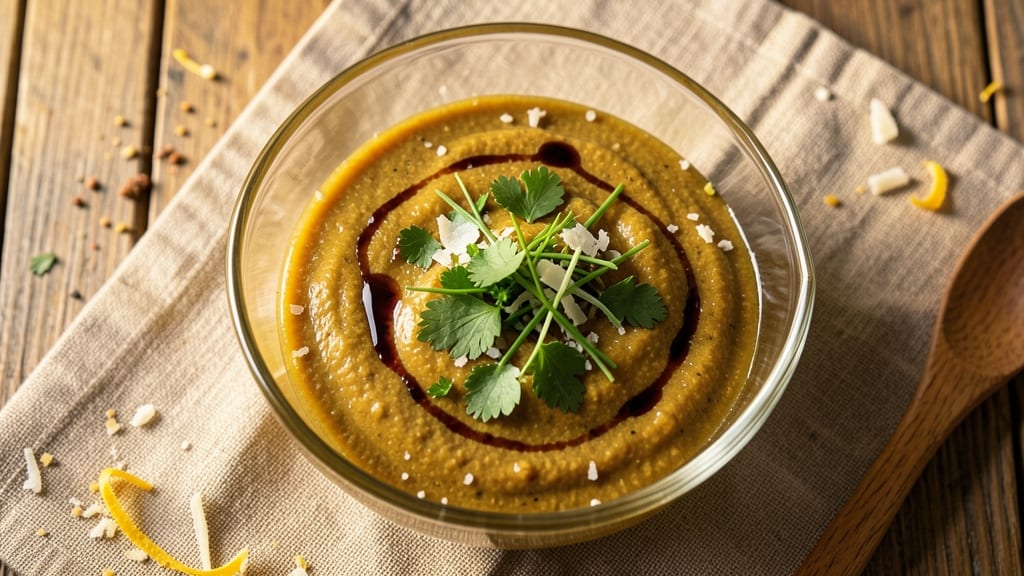
This Bonefish Grill house salad dressing delivers the restaurant's signature bright, herb-forward flavor at home with a perfectly balanced parmesan emulsion.
The secret lies in combining fresh herbs with high-quality olive oil and a touch of aged balsamic vinegar, creating a dressing that's tangy, aromatic, and rich without overpowering the salad. I've replicated the restaurant's technique of emulsifying the dressing with parmesan and mustard for that signature creamy texture.
The recipe requires just seven simple ingredients that work together to create a dressing with depth and complexity. Fresh herbs like parsley and chives provide the signature freshness, while Dijon mustard and aged balsamic vinegar add tangy brightness.
The key to achieving that restaurant-quality emulsion is combining the ingredients carefully and whisking vigorously to create a smooth, velvety dressing that clings beautifully to greens.
What sets this dressing apart is its perfect balance of flavors—herbaceous, tangy, and slightly sweet from the balsamic. The parmesan adds a subtle umami richness that rounds out the bright acidity, creating a dressing that enhances rather than overpowers your greens.
This is the kind of dressing that transforms a simple salad into a restaurant-worthy meal with every pour.
Once you've mastered this emulsion technique, you'll never buy store-bought dressing again. The dressing keeps well in the refrigerator for up to a week, making it perfect for meal prep. Use it on your favorite greens, grain bowls, or even as a marinade for grilled chicken or fish.
Let's make this dressing that brings Bonefish Grill's signature flavor to your kitchen.
Ingredients for bonefish grill house salad dressing
Seven ingredients transform your kitchen into Bonefish Grill's dressing magic with perfect herbaceous balance.
| Ingredient | Amount | Notes |
|---|---|---|
| Extra-Virgin Olive Oil 🫒 | ¾ cup | High-quality, fruity, cold-pressed |
| Fresh Flat-Leaf Parsley 🌿 | ½ cup | Finely chopped, stems included |
| Fresh Chives 🌱 | ¼ cup | Finely chopped, mild onion flavor |
| Aged Balsamic Vinegar 🍷 | ¼ cup | 12+ years aged for richness |
| Dijon Mustard 🌶️ | 1 tbsp | High-quality, whole-grain preferred |
| Parmesan Cheese 🧀 | ½ cup | Freshly grated, fine grade |
| Granulated Garlic 🧄 | 1 tsp | Or 1 finely minced garlic clove |
The olive oil is non-negotiable—California extra-virgin like Corto or Kirkland delivers that signature fruity brightness. Fresh herbs are where the magic happens: flat-leaf parsley from the grocery store's produce section (not the sad plastic containers) and chives from the refrigerated section at Whole Foods or Trader Joe's. For the balsamic, San Marzano brand's aged vinegar takes this to restaurant level—don't cut corners here. The Parmesan? Grab a wedge from the deli counter and grate it yourself. Pre-grated tastes like sawdust and won't emulsify properly.
No fresh parsley? Dried parsley at half the amount works in a pinch, but you'll miss that vibrant freshness. Chives missing? Green onion tops substitute beautifully. Short on aged balsamic? Regular balsamic plus 1 tsp honey mimics the depth. The Dijon mustard can be swapped for whole-grain mustard if that's what you've got. For the garlic, fresh clove is ideal, but the granulated is a great shortcut. Pro tip: Toast the granulated garlic in a dry pan for 30 seconds before adding to deepen the flavor—worth the extra minute.
This dressing keeps for 1 week in an airtight jar in the fridge, but it actually improves with age as the flavors meld. For meal prep, divide into small containers—it's perfect for lunches or quick dinners. If it separates, just whisk vigorously before using. The emulsion technique makes this dressing restaurant-quality, so don't be afraid to shake it up before each use. Freezes beautifully for 3 months if you want to make a big batch.
Why You'll Love This Recipe
- No-Fuss Blender Magic: I swear by this recipe because it’s the only dressing I make that actually stays put—no separating, no shaking like a snow globe. Just toss those fresh herbs, a splash of aged balsamic, and a whisk of Dijon into the blender, and boom. Done. Even my lazy Sundays thank me.
- Herb-Packed Punch: That bright, grassy kick from the parsley and chives? It’s the secret weapon. The aged balsamic vinegar adds this deep, caramelized sweetness that makes it taste like you slaved over it for hours—when really, it’s just a few minutes of blending. Honestly, I’ve sent this in jars as gifts, and people think I’m a genius.
- Weeknight Workhorse: This dressing doesn’t just work on salads—it’s my go-to for drizzling over grilled chicken, roasted veggies, or even as a marinade for shrimp. (Yes, even on a Tuesday night.) And because it keeps in the fridge for a solid week, I’m never scrambling to make something fresh last-minute.
- Budget Brightener: Extra-virgin olive oil and fresh herbs might sound fancy, but a little goes a long way here. I buy parsley and chives in bunches, chop them all at once, and freeze half for later. That aged balsamic? A small bottle lasts me months. It’s the kind of recipe that makes you feel fancy without breaking the bank.
Step-by-step instructions for Bonefish Grill house salad dressing
This herb-infused oil emulsion delivers the signature Bonefish Grill balance every time.
Whisk Together the Herb and Mustard Base
In a medium bowl, combine the 0.5 cup finely chopped fresh flat-leaf parsley and 0.25 cup finely chopped fresh chives. Add the 1 tablespoon Dijon mustard and 1 teaspoon granulated garlic, then whisk vigorously for 30 seconds until the herbs and mustard form a smooth paste. This step is crucial—it ensures the herbs are fully incorporated and the mustard emulsifies the oil later.
The reason we whisk first is that herbs release their oils when combined with fat, and the mustard acts as an emulsifier. You'll see the mixture transform from chunky to silky as the mustard begins to break down. If you notice any stubborn herb stems, use a fork to press them into the mixture for maximum flavor extraction.
Gradually Incorporate the Olive Oil
With the motor running on low speed in a blender or using a whisk, slowly drizzle in the 0.75 cup extra-virgin olive oil while continuing to whisk. Add the oil in a thin, steady stream—about 1 tablespoon at a time—to prevent the mixture from breaking. This gradual approach is key to creating a stable emulsion rather than a separated dressing.
Watch for the texture to transform from a thick paste to a smooth, creamy consistency. If you're whisking by hand, this might take 2-3 minutes of continuous whisking. The goal is to create tiny oil droplets suspended in the herb mixture, which will later combine with the vinegar and cheese to form the perfect emulsion.
Blend in the Aged Balsamic Vinegar
Transfer the herb-oil mixture to a blender and add the 0.25 cup aged balsamic vinegar. Blend on high speed for 15-20 seconds until completely smooth. The vinegar adds acidity and depth, cutting through the richness of the olive oil and herbs. This is where the dressing starts to take on its signature Bonefish Grill tang.
After blending, taste the mixture—it should be tangy, herby, and slightly sharp. If it tastes too acidic, add a pinch more of the granulated garlic or a drizzle of olive oil to balance it. The vinegar should be well incorporated, but if you see any separation, give it another quick pulse in the blender.
Incorporate the Parmesan Cheese
Remove the blender lid and add the 0.5 cup freshly grated Parmesan cheese. Using a spatula, fold the cheese into the dressing until fully melted and creamy. This step is best done by hand to avoid over-blending, which can create a grainy texture. The cheese should dissolve completely, adding a rich, umami depth that rounds out the dressing.
Here's the thing—freshly grated Parmesan makes all the difference. Pre-shredded cheese contains anti-caking agents that prevent it from melting smoothly. If you notice any lumps, strain the dressing through a fine-mesh sieve to achieve a silky texture. The final dressing should be thick enough to coat the back of a spoon but still pourable.
Rest and Adjust for Perfection
Cover the dressing and let it rest at room temperature for 10-15 minutes. This resting period allows the flavors to meld and the emulsion to stabilize. After resting, give it one final taste and adjust the balance if needed—add a splash more balsamic vinegar for tang, a drizzle of olive oil for richness, or a pinch of salt to enhance the flavors.
The dressing should now have a luxurious, velvety texture with a perfect balance of herby, tangy, and cheesy notes. It's ready to drizzle over your favorite greens or use as a marinade. For best results, store any leftovers in an airtight container in the refrigerator for up to 5 days, shaking well before each use to re-emulsify.
Pro Tips For Making Bonefish Grill House Salad Dressing
- Whisk in stages: Start by mixing the Dijon mustard and aged balsamic vinegar—just these two—until smooth. Then drizzle in the olive oil slowly while whisking constantly. This prevents the dressing from breaking and ensures the mustard emulsifies properly. I used to dump everything in at once, and it always turned out greasy.
- Chop herbs fine: Pulse the flat-leaf parsley and chives in a food processor for 3-4 seconds, then finish by hand. This releases more flavor and prevents clumps in the dressing. I learned this the hard way—overchopping turns them to paste, and underchopping leaves bitter strands.
- Taste before thinning: Check the dressing’s balance after whisking all ingredients, but before adding water or more vinegar. The ratio of olive oil to balsamic should feel rich but not heavy. I once added water too early and ended up with a watery mess.
- Use cold ingredients: Chill the herbs and olive oil in the fridge for 10 minutes before mixing. Cold ingredients emulsify better and keep the dressing from separating. Sounds picky, but it makes a real difference—especially in warm kitchens.
Dietary considerations for this recipe
Gluten-Free Adaptation
This dressing is naturally gluten-free as written, but there are a few precautions to take. Always check your aged balsamic vinegar label—some brands process their vinegar in facilities that also handle gluten-containing products. I recommend San Marzano or Balsamic Vinegar of Modena brands, which are typically certified gluten-free.
The Dijon mustard should also be gluten-free; brands like Maille or French's are safe choices. If you're using granulated garlic with anti-caking agents, opt for a pure garlic powder without additives. 🌾
Dairy-Free Version
For a dairy-free adaptation, simply omit the Parmesan cheese and replace it with ½ cup nutritional yeast for a cheesy flavor without the dairy. Nutritional yeast adds a nutty, umami depth that mimics the Parmesan's richness. I recommend Bragg or Bob's Red Mill brands for the best flavor.
If you want extra creaminess, add 1 tablespoon tahini to help emulsify the dressing. This version works beautifully on dairy-free salads or vegan grain bowls.
Vegan Adjustments
To make this dressing fully vegan, use the dairy-free version above and ensure your aged balsamic vinegar is vegan-certified (some traditional vinegars use animal-derived fining agents). For extra richness, add 1 tablespoon vegan butter or avocado oil to help stabilize the emulsion.
The Dijon mustard should be vegan-friendly, and the nutritional yeast provides the perfect umami kick. This vegan version still delivers that signature Bonefish Grill tang and herby brightness. 🌱
Low-Fat Option
For a lighter dressing, reduce the extra-virgin olive oil to ½ cup and replace the remaining ¼ cup with low-fat Greek yogurt or vegan yogurt. The yogurt adds creaminess while cutting calories and fat. Use plain, unsweetened yogurt to avoid altering the flavor profile.
This version still clings beautifully to greens but with a lighter mouthfeel. It's perfect for those watching their fat intake but still wanting that signature restaurant taste. 🥗
Allergy-Friendly Considerations
If you have herb sensitivities, you can reduce the parsley and chives to ¼ cup each and boost the flavor with an extra ½ teaspoon granulated garlic or 1 teaspoon onion powder.
For those with mustard allergies, replace the Dijon with 1 tablespoon lemon juice and ½ teaspoon apple cider vinegar to maintain acidity. Always double-check ingredient labels for hidden allergens, especially in vinegars and mustards.
This dressing can be made allergy-friendly with simple swaps while keeping its signature tangy, herby profile. 💡
Nutrition facts
Frequently asked questions
Why does this dressing have Parmesan if it's not creamy?
The Parmesan is key for creating that signature Bonefish Grill emulsion texture. When freshly grated and folded in properly, it dissolves completely to add rich umami depth without making the dressing heavy. The aged balsamic vinegar and Dijon mustard work together with the cheese to create a stable, velvety consistency that clings beautifully to greens. Think of it as the secret ingredient that transforms this from a simple vinaigrette to a restaurant-quality dressing.
Can I make this dressing without a blender?
While a blender makes emulsification easier, you can achieve the same results with a whisk. Start by combining the herbs, mustard, and garlic in a bowl, then whisk vigorously while slowly drizzling in the olive oil. After adding the vinegar, use a hand mixer for 2-3 minutes to create the emulsion. The key is patience—whisk continuously until the dressing thickens and becomes creamy. You may need to strain it through a fine-mesh sieve to remove any stubborn herb bits for a silky texture.
What's the best way to store leftovers? Store this dressing in an airtight glass jar in the refrigerator for up to 5 days. Before using, give it a good shake or whisk to re-emulsify since the oil and vinegar may separate slightly over time. For longer storage, freeze in ice cube trays—thaw overnight in the fridge and whisk before using. The dressing actually improves with age as the flavors meld, so don't hesitate to make a batch ahead for meal prep. Just
Can I adjust the flavor if it tastes too tangy?
Yes! If the dressing tastes too acidic, simply add a drizzle of extra-virgin olive oil or a pinch of freshly grated Parmesan to balance the tang. For extra richness, stir in ½ teaspoon honey or maple syrup to mellow the acidity while maintaining the herb-forward profile. The recipe is designed to be flexible—taste as you go and adjust to your preference. The key is maintaining that perfect balance of herby, tangy, and cheesy notes that make this dressing so special.
How can I use this dressing beyond salads?
This versatile dressing works beautifully as a marinade for grilled chicken or fish, a drizzle for grain bowls, or even a dip for crudités. Try using it as a finishing sauce for seared scallops or grilled shrimp—the herbaceous notes complement seafood perfectly. For extra flair, whisk in 1 teaspoon lemon zest before serving. The dressing's balanced flavors make it a great all-purpose condiment that elevates any dish where you'd normally use a vinaigrette or creamy dressing.