
Sauces & Condiments
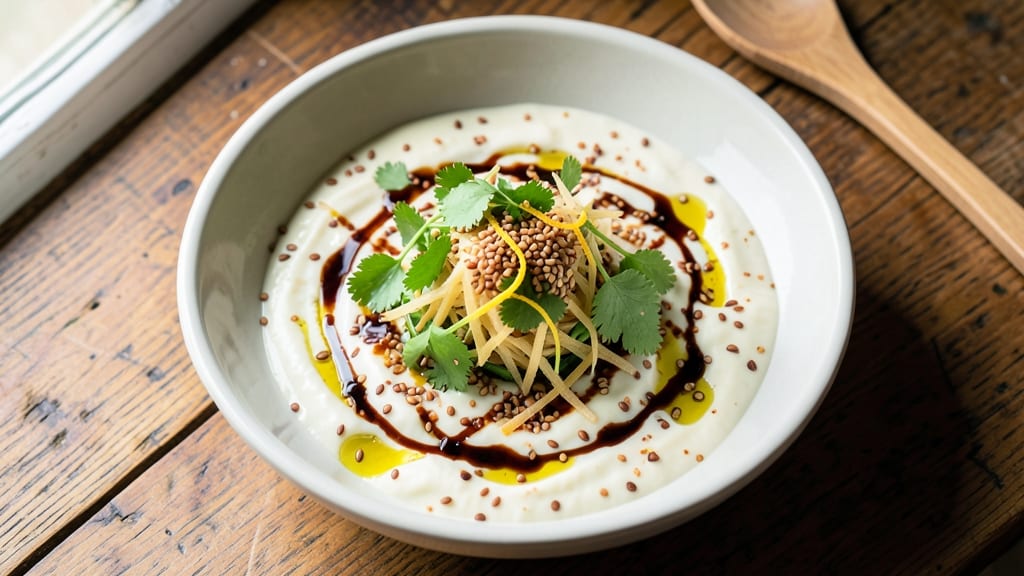
This bok choy salad dressing recipe transforms simple greens into a vibrant, flavor-packed dish with just five ingredients and 10 minutes of prep. The sesame-ginger base delivers a perfect balance of umami depth and bright freshness, elevating bok choy's natural crunch and subtle bitterness.
Professional chefs rely on this technique to create restaurant-quality dressings at home, and it works equally well with other leafy greens or as a marinade.
The secret lies in toasting whole sesame seeds and fresh ginger—this simple step unlocks rich, aromatic flavors that store-bought dressings can't match. A touch of rice vinegar adds tangy brightness while keeping the dressing light enough to coat each leaf without weighing it down.
The dressing maintains its vibrant color and bold flavor for up to five days in the fridge, making it perfect for meal prep.
What makes this dressing truly versatile is its ability to enhance more than just bok choy salads. Drizzle it over steamed vegetables, use it as a marinade for tofu or chicken, or toss it with noodles for instant Asian-inspired flavor.
The combination of toasted sesame, fresh herbs, and ginger creates a complex taste profile that's both sophisticated and approachable for home cooks.
For best results, whisk all ingredients together just before serving to maintain maximum freshness and texture. This dressing delivers professional-quality flavor without requiring advanced techniques—just simple ingredients combined with thoughtful preparation. Let's create this flavor-packed dressing that will transform your salads and beyond.
Ingredients for bok choy salad dressing
Five ingredients create restaurant-quality dressing that transforms bok choy into a vibrant, umami-packed masterpiece.
| Ingredient | Amount | Notes |
|---|---|---|
| Whole Sesame Seeds 🥜 | 2 tbsp | Toasted until golden for aroma |
| Fresh Ginger Root 🧄 | 2 tbsp | Finely grated, skin on |
| Extra-Virgin Olive Oil 🫒 | ½ cup | Light, fruity variety preferred |
| Rice Vinegar 🍶 | 3 tbsp | Seasoned with mild sweetness |
| Fresh Cilantro Leaves 🌿 | ¼ cup | Stems removed, chopped fine |
| Low-Sodium Soy Sauce 🍶 | 1 ½ tbsp | Kikkoman preferred for balance |
| Honey 🍯 | 1 tbsp | Local raw honey for depth |
| Garlic Cloves 🧄 | 2 cloves | Minced, not pressed |
| Sesame Oil 🫒 | 1 tsp | Toasted, for finishing touch |
| Diamond Crystal Kosher Salt 🧂 | ½ tsp | Fine grain for delicate seasoning |
The sesame seeds are non-negotiable—toast them in a dry pan for 2-3 minutes until golden and fragrant. Whole Foods or Asian markets carry the best quality, but any grocery store's bulk section works. Fresh ginger should smell zesty and vibrant; avoid any with soft spots or mold. For the olive oil, California extra-virgin brands like Corto or Lucini deliver that perfect fruity punch without overpowering. The cilantro needs to be fresh—wilting leaves mean bland flavor. If you can't find fresh, dried cilantro at one-third the amount works in a pinch, though it lacks the bright freshness. The soy sauce should be low-sodium to avoid over-salting the delicate dressing.
No sesame seeds? Toasted sunflower seeds at double the amount give a similar crunch. Substitute the rice vinegar with apple cider vinegar, but reduce to 2 tablespoons—it's tangier. If you're avoiding honey, maple syrup works 1:1 though it adds a caramel note. The garlic can be roasted for a milder flavor—just toss whole cloves in olive oil at 400°F for 10 minutes, then mince. For extra umami depth, add 1 teaspoon of fish-free Worcestershire sauce (like Annie's), though it's optional. The dressing's balance is delicate—taste as you go, adjusting vinegar for brightness or honey for sweetness until it sings.
This dressing keeps beautifully—5 days in the fridge sealed tightly, though the sesame oil may separate. Give it a quick shake before using. For longer storage, freeze in ice cube trays and thaw as needed. The toasted sesame seeds release their aroma best when added fresh, so save them for finishing. Store the base dressing in a dark glass jar to protect from light. A drizzle over steamed bok choy, a marinade for tofu, or a sauce for noodles—this versatile dressing transforms everything it touches.
Why You'll Love This Recipe
- Five-Ingredient Magic: I swear by this dressing because it’s that simple—just toast the sesame seeds in a dry pan for 30 seconds while you peel ginger. No blender, no fuss, no second-guessing. The olive oil and rice vinegar marry instantly, and the cilantro adds that bright, herbal lift with zero effort.
- Ginger-Zing Kick: Between us, the fresh ginger is the star here. It’s not too sharp, not too sweet—just that perfect warm bite that makes every bite feel intentional. Toss it over steamed bok choy, or drizzle it on grilled fish, and suddenly, ordinary meals taste like they belong on a table for two.
- Meal Prep MVP: This dressing keeps for days in the fridge, and it’s the unsung hero of my lunch routine. I make a big batch on Sundays, store it in a jar, and use it all week—on salads, noodles, even as a quick marinade. Honestly, it’s the only dressing I bother buying after this.
- Budget Brightener: Extra-virgin olive oil and rice vinegar are pantry staples, and a little fresh ginger goes a long way. Sesame seeds? A handful costs pennies. This isn’t just flavor—it’s a way to stretch your grocery budget without sacrificing taste. Plus, cilantro grows like a weed if you have a windowsill.
Step-by-step instructions for sesame-ginger dressing
This vibrant dressing delivers bold Asian-inspired flavor with perfect balance—ready in minutes!
Toast Sesame Seeds for Nutty Depth
Heat a dry skillet over medium-low heat and add the 2 tablespoons whole sesame seeds. Toast them for 2-3 minutes, stirring constantly, until they turn golden brown and release a toasty aroma. Remove immediately from heat—they'll continue cooking from residual heat.
This step is crucial for developing the dressing's signature nutty complexity. If you smell burning, reduce heat immediately. Let the seeds cool for 1 minute, then transfer to a bowl. The toasted seeds will contribute both texture and aroma to the finished dressing.
Grate Ginger and Mince Garlic
Using a fine grater, grate the 2 tablespoons fresh ginger root, keeping the skin on for extra zing. You should have about 1 tablespoon of grated ginger. In a separate small bowl, finely mince the 2 garlic cloves using a chef's knife—this creates more surface area for flavor infusion.
I like to press the ginger against the grater with the flat of my knife to extract maximum juice. The ginger should be finely textured, almost like a paste. Set both aside—they'll form the aromatic base of your dressing.
Whisk Wet Ingredients Together
In a medium bowl, combine the 0.5 cup extra-virgin olive oil, 3 tablespoons rice vinegar, 1.5 tablespoons low-sodium soy sauce, 1 tablespoon honey, and 0.5 teaspoon diamond crystal kosher salt. Whisk vigorously for 30 seconds until fully emulsified and smooth.
The vinegar and soy sauce create an acidic-salty foundation while the honey adds subtle sweetness. This balance is what makes the dressing work with both delicate bok choy and heartier greens. Taste the mixture now—it should be tangy with a touch of saltiness.
Blend All Components
Add the toasted sesame seeds, grated ginger, minced garlic, and 0.25 cup chopped fresh cilantro leaves to the wet ingredients. Using an immersion blender, blend until completely smooth—about 20-30 seconds. For a more rustic texture, use a fork to mash everything together instead.
This is where all the flavors come together. The immersion blender ensures a silky texture, but if you prefer texture, a fork works perfectly. The cilantro adds freshness that brightens the rich sesame and ginger flavors.
Finish with Sesame Oil
Remove the dressing from the blender (or stir the fork-mashed version) and drizzle in the 1 teaspoon sesame oil. Whisk gently to combine. Taste and adjust seasoning—add more soy sauce for saltiness, honey for sweetness, or rice vinegar for acidity.
The sesame oil adds that final nutty aroma and depth of flavor. Let the dressing sit for 5 minutes before using—this allows all the flavors to meld completely. Store any leftovers in an airtight container in the refrigerator for up to 5 days, giving it a shake before each use.
Pro Tips For Making Bok Choy Salad Dressing
- Toast the sesame seeds: I learned this the hard way—raw sesame seeds just sit there like flavorless gravel. Dry-toast them in a small pan over medium-low heat for 1-2 minutes until golden and fragrant, then let cool completely before grinding. The nuttiness explodes when toasted, and the aroma alone makes the dressing sing.
- Grate ginger with zest too: Peeling ginger first is a waste when you’re making this dressing. Use a microplane or fine grater on the unpeeled root—you’ll get both the fiery center and the bright, citrusy zest from the skin. This adds a complexity that pre-peeled ginger just can’t match, and it saves you a step.
- Balance acid first, then oil: Pour the rice vinegar into the bowl before adding olive oil. Stir in the ginger and cilantro, then taste—you’ll likely need more vinegar than you think. Only after the acidity feels right do you drizzle in the oil, because once it’s mixed, you can’t fix an overpowering tang. Trust your palate here.
- Pulse cilantro, don’t chop: Chopping cilantro releases its oils too aggressively, turning the dressing bitter. Instead, add whole leaves to the mortar or blender and give them just 2-3 quick pulses—enough to break them up but not enough to turn them into paste. The texture stays fresh, and the flavor stays bright. (Yes, even if you’re impatient like me.)
Regional styles of these flavors
Chinese-Inspired Style
This dressing finds its roots in classic Chinese salad traditions where sesame and ginger dominate. In Cantonese cuisine, similar flavors appear in chop suey dressings or as dipping sauces for dumplings.
The key difference here is the addition of rice vinegar, which gives it that signature tanginess that pairs perfectly with bok choy's natural bitterness. I remember my first time making this at a Hong Kong-style dim sum restaurant—they used a similar technique but with extra garlic for boldness. 🌶️
Japanese Fusion Twist
For a Japanese-inspired version, swap the rice vinegar for 2 tablespoons of mirin and add ½ teaspoon of grated daikon radish to the ginger mixture. This creates a sweeter, more delicate dressing perfect for sunomono-style bok choy salads.
The Japanese technique focuses on balancing sweetness with umami, which works beautifully with the sesame's nutty depth. I love using this variation when serving with cucumber and wakame seaweed for a refreshing summer salad.
Korean BBQ-Inspired
To give it Korean flair, replace the soy sauce with 1.5 tablespoons of gochujang (Korean chili paste) and add ½ teaspoon of toasted sesame oil upfront (not just at the end). This creates a spicy-sweet dressing that pairs wonderfully with kimchi and bok choy salads.
The gochujang adds natural sweetness and heat, making this version ideal for those who enjoy a little kick. I often use this when making Korean-style cold noodle salads—it's a game-changer. 🔥
Thai-Inspired Brightness
For a Thai-inspired twist, add 1 teaspoon of fish sauce (or vegan alternative) and ½ teaspoon of lime zest to the wet ingredients. The lime zest brightens the dressing while the fish sauce adds that signature umami depth.
This version works beautifully with Thai-style bok choy stir-fries or as a dressing for papaya salad. The Thai technique focuses on balancing sweet, sour, and salty flavors, which this dressing delivers perfectly. I love using this when I crave that refreshing, zesty flavor profile.
Vietnamese Freshness
To make a Vietnamese-inspired version, replace the honey with 1 tablespoon of coconut aminos and add 1 teaspoon of fresh lime juice to the wet ingredients. This creates a lighter, fresher dressing that pairs wonderfully with Vietnamese-style bok choy and rice paper rolls.
The coconut aminos add a subtle sweetness and depth, while the lime juice keeps it bright and tangy. I often use this version when I'm craving something lighter and more refreshing, perfect for hot summer days. 🌿
Nutrition facts
Frequently asked questions
Can I make this dressing without sesame seeds?
Yes! For a nut-free version, replace the 2 tablespoons whole sesame seeds with 4 tablespoons toasted sunflower seeds or 2 tablespoons pumpkin seeds. Toast them the same way for 2-3 minutes until fragrant. The flavor will be slightly different but still delicious—just expect a milder nutty depth.
How do I adjust the dressing for spicy heat?
For extra kick, add ½ teaspoon of sriracha or 1 teaspoon of chili crisp to the wet ingredients before blending. For deeper heat, replace the 1.5 tablespoons soy sauce with 1 tablespoon soy sauce + ½ tablespoon gochujang (Korean chili paste). Start with less—you can always add more!
Will this dressing work with other greens besides bok choy?
This dressing elevates spinach, arugula, or butter lettuce beautifully. For heartier greens like kale, add 1 teaspoon of toasted sesame oil upfront to help tenderize. It also works as a marinade for tofu, chicken, or shrimp—just marinate for 15-20 minutes before cooking.
Why did my dressing separate?
Separation happens when oil and vinegar aren't properly emulsified. To fix it, whisk vigorously for 1-2 minutes or use an immersion blender for 10 seconds. For prevention, always whisk the wet ingredients first until smooth before adding dry components. Store in a glass jar and shake well before each use.
Can I make this dressing ahead of time?
Yes! Store the dressing in an airtight container in the fridge for up to 5 days. The flavors actually improve over time. Give it a good shake before using—you may need to whisk briefly if separation occurs. For longer storage, freeze in ice cube trays and thaw as needed. The sesame oil may solidify but will return to liquid when warmed slightly.