
Sauces & Condiments
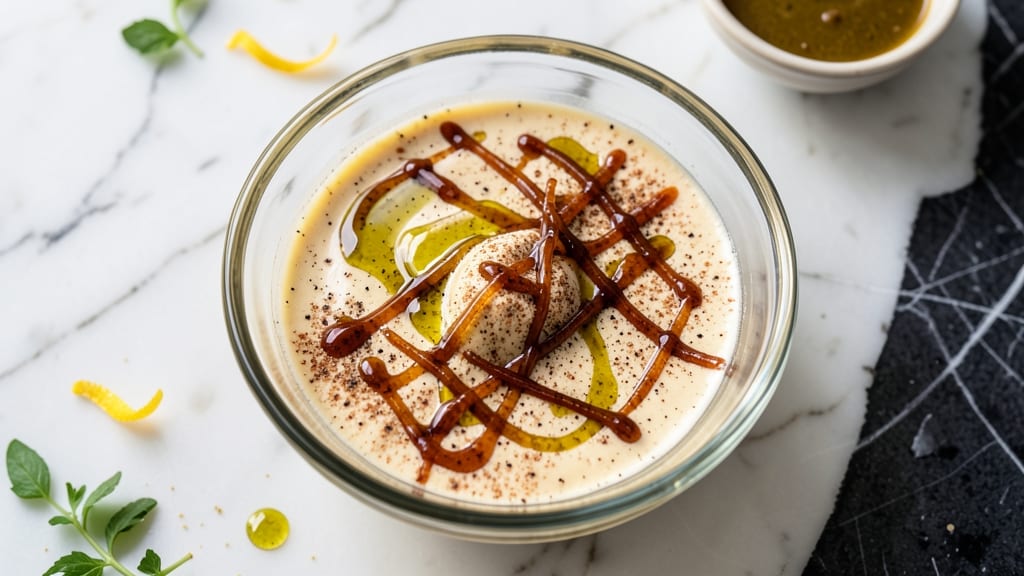
This boiled salad dressing recipe delivers a velvety, creamy contrast that transforms summer salads into refreshing centerpieces. 💛 The secret lies in a slow-cooked emulsion of vinegar, sugar, and spices that thickens into a glossy, tangy base—perfect for balancing crisp greens and bold flavors.
Unlike store-bought versions, this dressing develops depth through controlled boiling, creating a texture that clings beautifully to lettuce without overwhelming it.
The process is simpler than it sounds: simmer vinegar, sugar, and spices until syrupy, then whisk in oil gradually to create a stable emulsion. This method ensures the dressing stays creamy even after chilling, making it ideal for meal prep.
The result? A dressing that’s rich enough for hearty salads but light enough for delicate greens, with just the right balance of sweetness and acidity.
What makes this dressing truly versatile is its adaptability—drizzle it over grain bowls, use it as a dip for fresh veggies, or toss it with pasta for an instant upgrade.
The creamy texture remains intact for up to a week in the fridge, so you can make a batch and enjoy it all summer long. No special equipment is needed, just patience and a steady hand.
For extra flair, finish with fresh herbs or a pinch of salt before serving. This dressing is the ultimate summer companion, turning simple salads into restaurant-worthy dishes with minimal effort. Let’s get started!
Ingredients for boiled salad dressing
Nine simple ingredients create a velvety dressing that elevates summer salads effortlessly.
| Ingredient | Amount | Notes |
|---|---|---|
| White Vinegar 🍶 | 1 cup | Distilled white vinegar preferred |
| Granulated Sugar 🍚 | ½ cup | White or light brown sugar |
| Dijon Mustard 🌶️ | 1 tbsp | High-quality for tangy depth |
| Dried Mustard 🌶️ | ½ tsp | For subtle earthy flavor |
| Ground Black Pepper 🌶️ | ½ tsp | Freshly ground preferred |
| Extra-Virgin Olive Oil 🫒 | 1 ½ cups | Light and fruity preferred |
| Salt 🧂 | 1 ½ tsp | Kosher or sea salt preferred |
| Fresh Dill 🌿 | 1 tbsp | Chopped, for finishing (optional) |
| Fresh Parsley 🌿 | 1 tbsp | Chopped, for finishing (optional) |
The vinegar and sugar form the backbone of this dressing. Distilled white vinegar ensures clarity without overpowering flavors, while granulated sugar creates a smooth syrup. For the best results, use high-quality vinegar from a specialty store—the difference in acidity is noticeable. Dijon mustard adds depth, so don't skip it; Maille or Colman's are reliable brands. The dried mustard might seem minor, but it rounds out the flavor profile beautifully. If you're short on time, you can use an extra half-teaspoon of Dijon mustard instead, though the texture will be slightly less refined.
No Dijon mustard? Yellow mustard at half the amount works in a pinch, though the flavor won't be as nuanced. Short on fresh herbs? Dried dill or parsley at one-third the amount adds a similar brightness. If you prefer a sweeter dressing, increase the sugar to 0.75 cups, but keep the vinegar-to-sugar ratio balanced for the right tang. For a spicier kick, add a pinch of cayenne or red pepper flakes to the hot mixture. The olive oil should be light and fruity—California-grown brands like Corto or Bertolli are excellent choices for this recipe.
This dressing thickens as it cools, so it's best to whisk it thoroughly before serving. Store in an airtight jar in the fridge for up to 1 week, though it often lasts longer if properly sealed. If the dressing separates, simply whisk vigorously to re-emulsify. For meal prep, divide into small containers—this keeps the texture consistent and makes it easy to grab for salads throughout the week. The herbs, if using, can be added fresh just before serving to preserve their vibrancy.
Why You'll Love This Recipe
- I’ll be real: this dressing comes together with five ingredients and a saucepan. No whisking, no straining—just toss everything in, simmer until smooth, and you’re done. The sugar dissolves fast, the mustard blends effortlessly, and the vinegar sharpens up without overpowering.
- No-Fuss Simplicity: I’ll be real: this dressing comes together with five ingredients and a saucepan. No whisking, no straining—just toss everything in, simmer until smooth, and you’re done. The sugar dissolves fast, the mustard blends effortlessly, and the vinegar sharpens up without overpowering.
- Tangy-Sweet Balance: Here’s what sold me—Dijon and dried mustard team up to cut through greens without tasting like a science experiment. The sugar’s not just sweet; it rounds out the vinegar’s bite so it’s bright but never harsh. (Yes, even on a Tuesday night when you’re craving something that actually tastes like dressing.)
- Pantry Staple Magic: Between us, this recipe uses stuff you already own. No specialty jars or weird substitutions—just vinegar, sugar, and mustard. That means it’s my go-to for last-minute salads, potlucks, or when I forget to buy store-bought. (It’s happened. Twice.)
Step-by-step instructions for creamy boiled dressing
This classic technique transforms simple ingredients into a velvety, tangy dressing perfect for summer salads.
🍳 Step 1: Combine Vinegar, Sugar, and Mustards
In a medium saucepan, whisk together the 1 cup white vinegar, 0.5 cup granulated sugar, 1 tablespoon Dijon mustard, 0.5 teaspoon dried mustard, and 0.5 teaspoon ground black pepper. I like to use a wire whisk for this step—it helps dissolve the sugar completely and creates a smooth base. The mixture should bubble slightly as the sugar begins to dissolve.
Bring the mixture to a gentle boil over medium-high heat, stirring constantly to prevent scorching. You'll notice the sugar dissolving quickly, creating a clear, golden liquid. Once boiling, reduce heat to medium-low and let it simmer for 5-7 minutes until slightly thickened. Watch for bubbles forming around the edges—that's your signal it's ready for the next step.
🔥 Step 2: Slowly Incorporate Olive Oil
Remove the pan from heat and let it cool slightly for 2-3 minutes. This cooling step is crucial—adding hot oil to hot vinegar mixture can cause separation. Now, very slowly drizzle in the 1.5 cups extra-virgin olive oil while whisking continuously. I use a slow, steady stream to prevent the dressing from breaking.
After adding about half the oil, return the pan to low heat and continue whisking gently. You'll see the mixture transform from separate strands into a creamy emulsion. If it starts to look too thick, add 1-2 tablespoons of hot vinegar mixture to loosen it. The dressing should become smooth and glossy, with a velvety texture that coats the back of a spoon.
⏰ Step 3: Season and Finish with Herbs
Return the pan to low heat and stir in the 1.5 teaspoons salt. Taste the dressing and adjust seasoning if needed—you might want to add a touch more sugar or vinegar to balance the flavors. Let it simmer gently for 2-3 minutes to meld all the ingredients together. The dressing should now have a rich, tangy depth with just the right amount of sweetness.
Remove from heat and stir in the 1 tablespoon chopped fresh dill and 1 tablespoon chopped fresh parsley. These herbs add a bright, fresh finish that cuts through the richness. Let the dressing cool completely before using—this allows the flavors to fully develop and the texture to set properly. For best results, refrigerate for at least 1 hour before serving.
Pro Tips For Making Boiled Salad Dressing
- Whisk Until Clear: DESCRIPTION: Don’t just stir—whisk the sugar and vinegar over low heat until the mixture turns completely translucent. I used to walk away too soon, and the dressing always ended up grainy. Keep it moving and watch for that moment when it looks like liquid gold.
- Toast the Mustard: DESCRIPTION: Bloom the dried mustard in the vinegar first—just sprinkle it in and let it sit for 2 minutes before adding heat. This wakes up its flavor and prevents clumping later. (Yes, even if you’re impatient like me.)
- Skip the Boil: DESCRIPTION: The goal isn’t to boil—it’s to simmer gently. A rolling boil burns the sugar and turns the dressing bitter. Keep it at a steady, barely-bubbling simmer, and you’ll avoid that vinegary aftertaste.
- Pepper Last: DESCRIPTION: Add the black pepper after the dressing cools slightly—right before bottling. Freshly ground pepper loses its kick when exposed to heat, and doing it last keeps the flavor sharp. (Your future self will notice the difference.)
Common mistakes when making great boiled salad dressing
Overheating the Base
Boiling the vinegar-sugar mixture too vigorously can scorch it, creating a bitter, off-putting flavor that ruins the dressing. I’ve found that maintaining medium-low heat after the initial boil prevents scorching while still allowing the sugar to fully dissolve.
If you see browned bits forming, immediately reduce heat or remove the pan from the stove. A clear, golden liquid means you’re on the right track—anything darker means you’ve gone too far. 🔥
Adding Oil Too Quickly
The biggest mistake I see is pouring oil into the hot vinegar mixture too fast, which causes the emulsion to break and the dressing to separate. Instead, drizzle the 1.5 cups olive oil very slowly—about 1 tablespoon at a time—while whisking constantly.
If the mixture starts to look grainy or curdled, stop immediately and let it cool slightly before continuing. Patience here is key to that silky, creamy texture.
Skipping the Cooling Step
Adding hot oil to a hot vinegar mixture is a recipe for disaster—it’ll cause the dressing to split into oil and liquid layers. Always let the vinegar mixture cool for 2-3 minutes before drizzling in the oil.
This small pause ensures the oil incorporates smoothly and creates a stable emulsion. I’ve learned this the hard way: rushing this step leads to a dressing that looks and tastes like a failed mayonnaise experiment. ⏰
Ignoring the Salt Timing
Adding all the 1.5 teaspoons salt at the beginning can make the dressing taste bland or overly salty as it cools. Instead, add the salt after the oil is fully incorporated and the dressing has thickened.
This lets you taste and adjust the seasoning at the end, ensuring perfect balance. I usually add the salt in two stages—half during the simmer and the rest at the end—for the best results.
Not Whisking Enough
Whisking is non-negotiable in this recipe—it’s what creates that velvety texture. If you’re not whisking vigorously enough, the oil won’t emulsify properly, and the dressing will end up thin and oily. Use a wire whisk and keep it moving continuously, especially when adding the oil.
If the dressing starts to look too thick, add 1-2 tablespoons of hot vinegar mixture to loosen it up. A good emulsion should coat the back of a spoon without dripping. 💫
Using Low-Quality Oil
Not all olive oils are created equal, and using a cheap or poor-quality oil can make your dressing taste dull or rancid. Stick with a light, fruity extra-virgin olive oil like Corto or Bertolli—these brands have the right balance of flavor and acidity to complement the vinegar and sugar.
Avoid heavy, peppery oils or those with a strong taste, as they’ll overpower the delicate balance of this dressing. Trust me, the difference is noticeable!
Nutrition facts
Frequently asked questions
Why boil the vinegar mixture in this dressing?
Boiling the vinegar and sugar creates a concentrated syrup that thickens the dressing and enhances its flavor. This step ensures the dressing stays creamy and clings well to salads, even after chilling. The heat also helps dissolve the sugar completely for a smooth texture. Without boiling, the dressing might be too thin or lack depth of flavor.
Can I make this dressing without a stove?
This recipe requires boiling, but you can adapt it by using a microwave-safe bowl. Heat the vinegar-sugar mixture in 30-second bursts while stirring, then let it cool slightly before adding oil. However, the texture may not be as stable as stove-made versions. For a true boiled dressing, the stovetop method is best.
How do I fix a separated dressing?
If your dressing separates, simply whisk vigorously to re-emulsify. If that doesn't work, place the jar in a bowl of warm water for 10 minutes to gently reheat, then whisk again. The key is patience—don't pour the separated oil out, as it can be reincorporated with proper technique. Most separations fix easily with a little effort!
What are the best salads to pair with this dressing?
This creamy dressing works beautifully with crisp greens like romaine or arugula, but it also shines on heartier salads like potato or grain bowls. Its tangy-sweet balance complements grilled chicken, roasted veggies, and even fruit salads. For extra flair, try it with warm quinoa or as a dip for fresh veggie sticks.
Can I make this dressing spicier?
Add ½ teaspoon cayenne pepper or 1 teaspoon hot sauce to the simmering vinegar mixture for heat. For smoky depth, stir in ½ teaspoon smoked paprika> after removing from heat. Adjust to taste—this dressing handles bold flavors wonderfully while maintaining its creamy texture.