
Sauces & Condiments
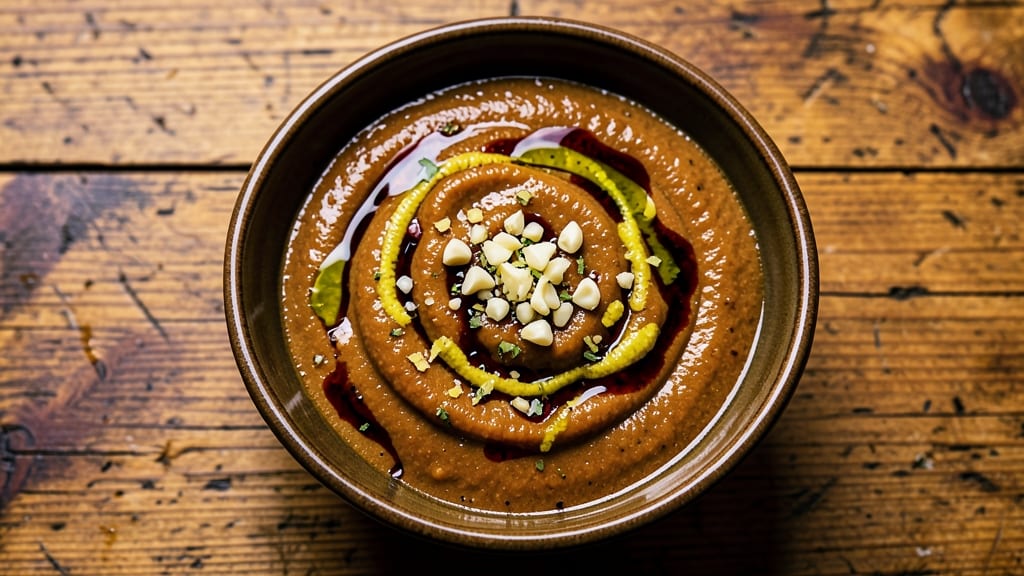
Bobby Parrish's Caesar salad dressing transforms ordinary greens into a restaurant-worthy masterpiece with its anchovy-infused velouté and perfect Parmesan crunch.
This isn't your typical bottled dressing—it's a rich, tangy emulsion where every ingredient plays a crucial role, from the umami depth of anchovies to the nutty sharpness of freshly grated Parmesan. The secret lies in the slow emulsification process, which creates that signature creamy texture without separation.
The recipe begins with a flavor base of Worcestershire sauce, Dijon mustard, and lemon juice, which balances the dressing's richness with bright acidity. Garlic and anchovies add layers of savory complexity, while a raw egg yolk acts as the natural emulsifier, binding everything together into a silky-smooth sauce.
What sets this apart is the final touch: a generous amount of freshly grated Parmesan, toasted lightly for extra depth and texture.
What you'll achieve is a dressing that's rich yet balanced, with a velvety mouthfeel and a perfect harmony of tangy, savory, and umami flavors. It clings to romaine like it was made for it, elevating even the simplest salad into a gourmet experience.
The best part? This recipe keeps beautifully in the refrigerator for up to a week, making it perfect for meal prep.
For those avoiding anchovies or eggs, modern variations use vegan Worcestershire and aquafaba as a substitute, proving this classic can adapt without losing its soul. Whether you're serving it at a dinner party or packing it for lunches, this Caesar dressing delivers restaurant-quality results every time.
Ingredients for bobby parrish caesar salad dressing
Nine ingredients transform ordinary Caesar dressing into Bobby Parrish's legendary velvety masterpiece.
| Ingredient | Amount | Notes |
|---|---|---|
| Anchovy Fillets 🐟 | 4 whole | High-quality, packed in oil |
| Extra-Virgin Olive Oil 🫒 | ½ cup | Fruity, high-quality preferred |
| Worcestershire Sauce 🍶 | 1 ½ tbsp | High-quality, anchovy-free if needed |
| Fresh Garlic Cloves 🧄 | 2 whole | Minced for maximum flavor |
| Dijon Mustard 🌶️ | 1 tbsp | High-quality, smooth texture |
| Fresh Lemon Juice 🍋 | 2 tbsp | Freshly squeezed, no pulp |
| Large Egg Yolks 🥚 | 2 whole | Fresh, room-temperature |
| Freshly Grated Parmesan Cheese 🧀 | ½ cup | High-quality, freshly grated |
| Granulated Garlic 🧄 | ½ tsp | For extra depth of flavor |
| Kosher Salt 🧂 | ½ tsp | Fine grain preferred |
The anchovies and Worcestershire sauce are the heart of this dressing—they bring that unmistakable umami punch. High-quality anchovies (like Buitoni or Cristal) make all the difference, so don't skimp. I always grab mine at Whole Foods or Trader Joe's—they carry the good stuff. The Parmesan? Freshly grated from a wedge is non-negotiable; pre-grated tastes like sawdust. For the olive oil, go for something fruity and robust—California Olive Ranch or Colavita are my go-tos. The garlic needs to be fresh; no jarred minced stuff here.
No anchovies? Vegan Worcestershire sauce plus a dash of soy sauce gets you close. Fresh egg yolks are ideal, but aquafaba (chickpea brine) works perfectly for a vegan version—just whisk it vigorously. Short on lemon juice? Lime juice at half the amount adds a different but still bright tang. The Dijon mustard can be swapped for whole-grain mustard if you prefer a nuttier flavor. For extra richness, add a splash of vegetable broth—it deepens the savory notes without overpowering. And if you're feeling adventurous, a pinch of smoked paprika adds a smoky depth that pairs beautifully with the anchovies.
This dressing keeps like a dream—up to 1 week in the fridge, sealed tightly in a jar. The egg yolks make it rich, so it thickens slightly over time; just whisk before using. For meal prep, I divide it into small containers—perfect for tossing with salads all week. If it separates, just give it a good whisk. Pro tip: Toast the Parmesan in a dry pan for 30 seconds before adding it—that crispy crunch is what makes this dressing feel like a restaurant secret.
Why You'll Love This Recipe
- Five-Ingredient Magic: I swear by this recipe because it’s that simple—just mash anchovies with garlic, stir in Worcestershire, mustard, and olive oil, then whisk. No measuring cups, no stress, just pure, umami-packed sauce in minutes.
- Umami Bomb: That first bite? The anchovies and Worcestershire hit like a flavor grenade—salty, savory, with a kick of garlic that lingers. It’s the kind of dressing that makes you actually want more romaine.
- Weeknight Superhero: I keep a jar of this in my fridge for lazy nights when I need a Caesar but don’t want to fuss. Drizzle it over grilled chicken, toss it with pasta, or even slather it on a steak—it’s the MVP of quick meals.
- Budget Hack: Anchovies and Worcestershire stretch this recipe into a money-saver. A tiny can of fillets makes way more dressing than store-bought, and the flavor? Way more complex. My wallet and taste buds thank me.
Step-by-step instructions for Bobby Parrish's Caesar salad dressing
Here's the method that delivers that signature velvety texture and umami depth you crave.
Create the Anchovy-Infused Base
In a small saucepan, combine the 4 whole anchovy fillets, 0.5 cup extra-virgin olive oil, and 1.5 tablespoons Worcestershire sauce. Heat over medium-low heat for 3-4 minutes, stirring constantly until the anchovies dissolve completely and the mixture becomes a smooth, glossy paste. You'll notice the oil will take on a deeper golden hue and develop an intense, savory aroma—this is your flavor foundation.
Remove from heat immediately to prevent the oil from overheating. Let it cool for 5 minutes while you prepare the remaining ingredients. This step is crucial because the anchovies carry the signature umami punch that makes this dressing exceptional. Don't skip the cooling time—it allows the flavors to meld properly before combining with the eggs.
Build the Garlicky Mustard Emulsion
In a separate bowl, whisk together the 2 whole large egg yolks, 1 tablespoon Dijon mustard, 2 tablespoons fresh lemon juice, 0.5 teaspoon granulated garlic, and 0.5 teaspoon kosher salt. The mixture should be pale yellow and slightly thick—almost like a custard. This is your emulsifying base that will create the velvety texture.
Gradually whisk in the cooled anchovy oil mixture from Step 1, adding it 1 tablespoon at a time while whisking vigorously. You're creating an emulsion here, so patience is key. The goal is to incorporate the oil without breaking the yolks—this will give you that signature creamy texture. If the mixture starts to curdle, add 1 teaspoon of warm water to help stabilize it.
Incorporate the Parmesan for Crunch and Depth
Now comes the moment that matters: adding the 0.5 cup freshly grated Parmesan cheese. Using a fine-mesh sieve, sprinkle the cheese directly into the dressing while whisking continuously. This technique ensures you get those beautiful cheese shards that add both texture and flavor. The dressing should thicken noticeably as the cheese melts into the emulsion.
Taste and adjust the seasoning if needed. You might find it needs a touch more salt or lemon juice to balance the richness. The dressing should be tangy, savory, and just slightly peppery from the Worcestershire and Dijon. If it's too thick, thin it with 1 teaspoon of warm water at a time until you reach your desired consistency—it should coat the back of a spoon but still flow freely.
Rest and Refine the Dressing
Transfer the dressing to a clean jar and let it rest at room temperature for at least 30 minutes—this allows the flavors to fully meld and the emulsion to stabilize. I know it's tempting to use it immediately, but this resting period makes all the difference in the final texture and flavor.
After resting, give it one final taste and adjust the seasoning if needed. The dressing should be perfectly balanced—bright from the lemon, rich from the anchovies, and creamy from the egg yolks. If you're using it immediately, whisk vigorously before drizzling. For best results, store any leftovers in the refrigerator for up to 5 days, giving it a good stir before each use to maintain that perfect velvety consistency.
Pro Tips For Making Bobby Parrish Caesar Salad Dressing
- Mash Those Anchovies: Don’t just chop them—give those anchovy fillets a good smash with the flat side of your knife or a heavy spoon. This releases more flavor into the oil and saves you from dealing with tiny fish bones later. (Yes, even if you’re impatient like me, take the extra 10 seconds.)
- Toast the Garlic Slow: Cook the garlic in the olive oil over low heat until it’s just golden—no brown, no burning. I learned this the hard way after one batch tasted bitter. If you’re nervous, pull the pan off heat for the last 30 seconds and let the residual heat finish it.
- Whisk in Stages: Start with the mustard and Worcestershire, then slowly drizzle in the olive oil while whisking like your life depends on it. Adding oil too fast = lumps. This isn’t a smoothie—patience here makes the dressing actually emulsify instead of separating later.
- Skip the Bottled Anchovies: Jarred anchovies taste like a sad, salty afterthought. Fresh fillets (or high-quality canned ones in oil) add depth and a buttery richness that changes the whole dish. If you’re using canned, drain them well—no one wants fish water in their dressing.
Essential equipment for this recipe
Emulsification Essentials
You don't need fancy equipment for this dressing, but a few key tools make emulsification effortless. Start with a high-quality whisk—I swear by the OXO Good Grips Balloon Whisk—its sturdy wires handle thick mixtures like a dream.
For the anchovy base, a small saucepan with sloped sides (like All-Clad Stainless) prevents spills when stirring. The whisk and saucepan combo is non-negotiable for that velvety texture. 🥄
Cheese Grating Game
Freshly grated Parmesan is the secret weapon here. Skip the pre-grated stuff—it's full of anti-caking agents that ruin texture. Invest in a microplane (I love the Barbour Microplane) or a fine-hole box grater (like Acme) to get those perfect shards.
Pro tip: Toast your cheese in a dry skillet for 30 seconds before adding it—this creates irresistible crunch. Store your grated cheese in an airtight container for up to 3 days to preserve freshness.
Storage Solutions
For meal prep, portion your dressing into small glass jars (like Le Parfait 8oz jars)—they stack neatly in your fridge and keep the dressing fresh for up to 5 days. The glass preserves flavor better than plastic, and the wide mouth makes whisking easy.
Label each jar with the date to track freshness. If you're making a big batch, consider a mason jar with a tight-sealing lid for longer storage. Always leave ½ inch headspace to prevent spills when whisking later.
Temperature Control Tools
Precision matters when heating the anchovy oil. Use a digital kitchen thermometer (like Thermoworks Thermapen) to monitor the oil temperature—it should never exceed 160°F. This prevents the egg yolks from scrambling later.
For whisking, work in a heatproof bowl (like CorningWare) placed over an ice bath if needed to keep the mixture cool. A small mixing bowl (6-8oz capacity) gives you enough room to whisk without spills while maintaining control over the emulsion process.
Backup Equipment
Got a blender? You can make a quick version by blending all ingredients (except Parmesan) until smooth, then folding in the cheese. Use a high-speed blender (like Vitamix) for best results—it handles the emulsion better than basic models.
For those without a whisk, a hand mixer (like KitchenAid KHM521ER) works in a pinch, though it requires more attention to prevent curdling. Always have warm water on hand to rescue broken emulsions—just add 1 teaspoon at a time while whisking vigorously.
Cleanup Made Easy
Anchovy oil and egg yolks can be messy, so keep paper towels and a small bowl of warm water nearby for quick cleanup. A silicone spatula (like OXO Good Grips) helps scrape every last bit of dressing from jars and bowls.
For the whisk, I rinse it immediately after use—hot water and dish soap (like Dawn Platinum) cut through the oil residue. Store your tools in a drying rack to prevent bacteria buildup from damp whisk wires. Trust me, this makes your next batch stress-free. ✨
Nutrition facts
Frequently asked questions about Bobby Parrish's Caesar dressing
Why does this recipe use anchovies when store-bought Caesar dressing doesn't?
Anchovies are the secret to that signature umami depth found in Bobby Parrish's version. They dissolve completely into the oil, creating a rich, savory foundation that store-bought dressings can't replicate. The high-quality anchovies (like Buitoni) provide the perfect balance of saltiness and complexity that makes this dressing stand out from bottled versions.
Can I make this dressing without raw egg yolks?
For a vegan version, replace the egg yolks with 2 tablespoons aquafaba (chickpea brine) whisked until frothy. This creates the same emulsifying properties while keeping the dressing creamy. You might need to add an extra 1 teaspoon of Dijon mustard to help stabilize the emulsion without eggs.
What's the best way to fix a broken emulsion?
If your dressing separates, don't panic! Add 1 teaspoon of warm water at a time while whisking vigorously. The warmth helps the oil and liquid phases re-emulsify. For extra insurance, add a pinch of salt or lemon juice to help bind the mixture back together. If it's still too thick, thin with another ½ teaspoon of lemon juice.
How much dressing should I make for a Caesar salad?
This recipe yields about 1 cup of dressing, which is perfect for 2-4 servings of Caesar salad. For a single serving, use about ¼ cup of dressing. The ratio works well for both classic romaine salads and heartier versions with croutons and chicken. Store leftovers in the fridge for up to 5 days in an airtight container.
Can I use this dressing on other salads besides Caesar?
While it's designed for Caesar salads, this dressing works beautifully on kale salads, grilled chicken salads, or even as a marinade for seafood. The rich, tangy flavor pairs well with leafy greens and protein-based dishes. For a lighter option, thin it with an extra 1 tablespoon of lemon juice before using on non-Caesar salads.