
Sauces & Condiments
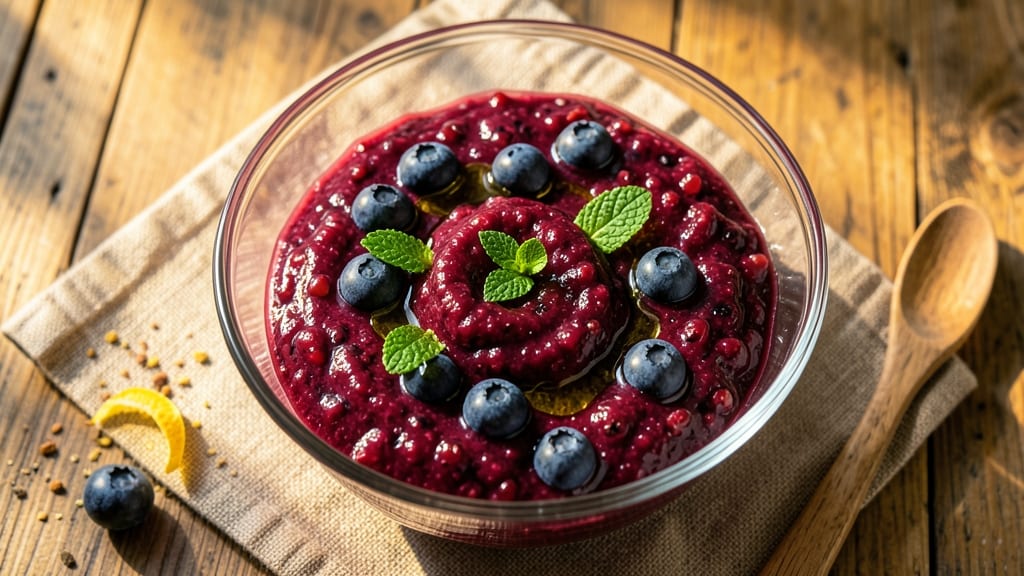
This blueberry pomegranate salad dressing transforms simple greens into a vibrant, tangy-sweet masterpiece with just five ingredients and no cooking required. The bright tartness of blueberries and pomegranate seeds creates a dressing that's perfect for spring salads, grain bowls, or even as a marinade for grilled chicken.
I developed this recipe after craving a dressing that was both refreshing and bold—no cloying sweetness or artificial flavors here.
The secret lies in balancing the natural tartness of blueberries with the sweetness of pomegranate seeds and a touch of apple cider vinegar for acidity. Olive oil provides richness without overpowering the fruit flavors, while fresh herbs add an aromatic lift.
This dressing stays fresh in the fridge for up to a week, making it ideal for meal prep or spontaneous lunches.
What makes this dressing truly special is its versatility—it elevates everything from mixed greens to roasted vegetables or even as a drizzle over avocado toast. The texture is silky yet lightly textured from the pomegranate seeds, ensuring every bite feels fresh and dynamic. No blender required; just whisk and enjoy.
For an extra boost, add a pinch of salt or a dash of smoked paprika to deepen the flavor profile. Store in an airtight container in the refrigerator, and shake before each use to redistribute the seeds.
Ready in just 5 minutes, this dressing is the perfect way to bring bright, summery flavors to any dish.
Ingredients for blueberry pomegranate salad dressing
Five vibrant ingredients create this refreshing vegan dressing with no cooking required.
| Ingredient | Amount | Notes |
|---|---|---|
| Fresh Blueberries 🫐 | ½ cup | Pitted if large, fresh preferred |
| Pomegranate Seeds 🍇 | ¼ cup | Fresh seeds, no sugar added |
| Extra-Virgin Olive Oil 🫒 | ½ cup | Light fruity variety preferred |
| Apple Cider Vinegar 🍏 | 2 tbsp | Raw, unfiltered preferred |
| Fresh Mint Leaves 🌿 | ¼ cup | Finely chopped, stems removed |
| Sea Salt 🧂 | ½ tsp | Fine grain preferred |
| Maple Syrup 🍁 | 1 tbsp | Pure, grade A preferred |
The blueberries and pomegranate seeds are the stars—look for plump, vibrant berries at the grocery store, not shriveled ones. Trader Joe's and Whole Foods often carry the best quality, but any supermarket will do. Fresh pomegranate seeds can be pricey, so buy the whole fruit and crack it open yourself—it's easier than it looks. For the mint, grab the freshest bunch you can find; the leaves should be bright green with no wilting. If you're short on time, frozen mint works too, but thaw and drain it well before using.
No fresh mint? Fresh basil or cilantro can sub at the same amount, though flavor will differ slightly. Running low on maple syrup? Agave nectar or date syrup work in a pinch, but maple adds a subtle depth. The apple cider vinegar should be raw and unfiltered for the best flavor—Bragg or Texas Pete are solid choices. For extra tang, add a splash more vinegar, but don’t overdo it or the dressing will become too sharp. The olive oil should be extra-virgin; California or Italian varieties tend to have the best balance of fruity and peppery notes.
Store this dressing in an airtight container in the fridge for up to 1 week. The seeds will settle, so give it a good shake before each use. For longer storage, divide into ice cube trays and freeze—3 months max. The texture will thicken slightly when chilled, so let it sit at room temperature for 5 minutes before shaking and using. This dressing keeps beautifully, making it perfect for meal prep or spontaneous lunches.
Why You'll Love This Recipe
- No Blender Needed: I swear by this—just toss whole blueberries and pomegranate seeds into a jar with olive oil and vinegar, then crush them with a wooden spoon. The seeds burst open, releasing that jewel-toned juice without a single dish to wash.
- Sweet-Tart Magic: That first bite of apple cider vinegar cutting through the blueberries’ jammy sweetness? It’s like summer in a jar. The mint ties it all together with a bright, herbal whisper—no heavy spices, just pure fruit-forward punch.
- Weeknight Superhero: Drizzle it over greens for a 5-minute lunch, toss it with grilled chicken for dinner, or even stir it into yogurt for breakfast. I keep a jar in the fridge because it’s the one dressing that never lets me down—no matter what’s on the menu.
- Lasts All Week: Honestly, this stuff tastes better after a day or two. The flavors meld like old friends, and since it’s just fruit and oil, there’s no spoilage drama. I make a big batch on Sundays and use it until it’s gone—no sad leftovers here.
Step-by-step instructions for blueberry pomegranate salad dressing
This vibrant dressing comes together in minutes with no cooking required.
Prepare the Fruit Components
In a small food processor or blender, combine the 0.5 cup fresh blueberries and 0.25 cup pomegranate seeds. Pulse until you achieve a chunky puree with some small pieces remaining—this texture adds beautiful pops of color and flavor to your dressing. Avoid over-processing, as you want to maintain some texture and visual appeal.
Transfer the blueberry-pomegranate mixture to a medium bowl. Here's the thing—if you're using particularly large blueberries, give them a quick check to ensure none are underripe or tough. The dressing should have a bright, jewel-toned appearance with visible fruit pieces throughout. This is where the magic happens: the natural sweetness of the blueberries balances the tartness of the pomegranate seeds perfectly.
Add Wet Ingredients
To the bowl with the fruit mixture, add the 0.5 cup extra-virgin olive oil, 2 tablespoons apple cider vinegar, and 1 tablespoon maple syrup. Stir vigorously with a whisk or fork until all ingredients are fully incorporated and the dressing begins to emulsify slightly. The olive oil should coat the fruit pieces evenly, creating a glossy appearance.
This is where you'll notice the dressing start to come together. The vinegar acts as an emulsifier, helping the oil and fruit blend smoothly. If you're using a raw, unfiltered apple cider vinegar, you'll get that extra depth of flavor that makes this dressing truly special. The maple syrup here is subtle—just enough to round out the tartness without overpowering the bright fruit flavors.
Incorporate the Mint and Salt
Add the 0.25 cup finely chopped fresh mint leaves and 0.5 teaspoon sea salt to the bowl. Using your whisk or fork, stir until the mint is evenly distributed throughout the dressing. The mint should be finely chopped—no large stems or whole leaves—so it blends seamlessly without overpowering the other flavors.
Taste the dressing at this point. You might find it needs a touch more sweetness or acidity. If it's too tart, add a tiny bit more maple syrup—just ½ teaspoon at a time. If it needs more brightness, a splash of apple cider vinegar will do the trick. The salt should be balanced but noticeable, enhancing all the other flavors rather than dominating them. This is your chance to adjust before the dressing fully emulsifies.
Emulsify and Rest
Transfer the dressing to a clean jar with a tight-fitting lid. Seal the jar and shake vigorously for 30 seconds to fully emulsify the ingredients. The dressing should look creamy and uniform with no visible separation. If you notice any separation after shaking, give it another quick shake—this dressing is meant to be vibrant and cohesive.
Let the dressing rest at room temperature for 10-15 minutes before using. This resting period allows the flavors to meld together perfectly. The colors will deepen slightly, and the dressing will develop a more complex taste profile. Real talk: this step is crucial. Skipping it means you'll miss out on that perfect balance of flavors that makes this dressing truly exceptional.
Serve and Store
Give the dressing one final shake before serving. Pour it over your favorite greens, grain bowls, or fresh fruit salads. The dressing should coat your ingredients lightly, adding a bright, tangy contrast to whatever you're serving it over. The blueberry and pomegranate seeds will add beautiful pops of color and texture, making your dish visually stunning.
Store any unused dressing in an airtight container in the refrigerator for up to 5 days. Before using, give it a good shake—sometimes the oil and vinegar can separate slightly when stored. If you notice any separation, just shake it up again, and it'll come back together beautifully. This dressing keeps well and makes a fantastic gift for friends who love fresh, vibrant flavors.
Pro Tips For Making Blueberry Pomegranate Salad Dressing
- STRAIN THE SEEDS: Pomegranate seeds are tiny but stubborn—don’t just eyeball them. Use a fine-mesh sieve or cheesecloth to strain out the pulp after crushing the seeds, or you’ll end up with a dressing that’s more like jam. I learned this the hard way when my first batch turned into a thick, syrupy mess that stuck to the whisk like glue.
- MUDDLE THE MINT: Tear the mint leaves first, then press them hard against the side of your bowl or jar before adding liquid. This releases more flavor and aroma than just chopping and stirring—it’s the difference between a hint of mint and a full-on burst. (Yes, even if you’re impatient like me, give it a solid 10 seconds of pressure.)
- BALANCE THE ACID: Apple cider vinegar is bold, so start with 1 tablespoon and taste before adding more. If your dressing tastes too sharp, a drizzle of honey or a pinch of sugar (even ½ teaspoon) will smooth it out without killing the brightness. I was skeptical until I tried it—now I keep a tiny bowl of sugar on hand for dressings.
- WHISK IN STAGES: Don’t dump all the olive oil in at once—add it gradually while whisking vigorously. This emulsifies the dressing better and prevents separation later. If you’re lazy (like I sometimes am), at least whisk for 30 seconds after mixing to give the flavors time to marry. Your salad will thank you.
Serving suggestions for this blueberry pomegranate salad dressing
Salad Pairings
This dressing shines brightest on spring greens like arugula, spinach, or mixed baby lettuces. I love tossing it with shaved fennel and radicchio for a sweet-tart contrast that makes every bite sing. For heartier salads, add toasted walnuts or crumbled goat cheese—both balance the dressing’s vibrant acidity beautifully. 🥗
Grain Bowls
Use this dressing to elevate quinoa bowls, farro salads, or couscous dishes. I often layer it with roasted sweet potatoes, avocado slices, and grilled chicken for a meal that’s as visually stunning as it is delicious.
The dressing’s natural sweetness complements the earthy grains perfectly, while the pomegranate seeds add a satisfying crunch. ✨
Protein Pairings
This isn’t just for salads—it’s a fantastic marinade for grilled shrimp or chicken skewers. Let the protein marinate for 30 minutes before cooking to infuse it with the dressing’s bright flavors.
I also drizzle it over seared salmon or pan-seared tofu for a refreshing finish that cuts through the richness. 🍽️
Breakfast Boost
Start your day with this dressing drizzled over avocado toast or yogurt parfaits. The tartness balances the creaminess of yogurt, while the fruit seeds add a delightful texture. For a heartier breakfast, toss it with scrambled eggs and sautéed kale—it’s a game-changer for morning meals. 💛
Dessert Twist
Yes, you read that right! This dressing works as a drizzle for fresh fruit salads or even as a glaze for baked apples. The acidity brightens the natural sweetness of fruits like strawberries or peaches, making them taste even fresher.
It’s a fun, unexpected way to use leftovers creatively. 🍓
Global Flavors
For a Middle Eastern twist, serve this dressing with hummus and warm pita. In Mexico, it pairs beautifully with tacos al pastor or ceviche, adding a fruity contrast to the bold spices. The versatility is what makes this dressing a pantry staple—it travels well with any cuisine. 🌍
Nutrition facts
Frequently asked questions
Can I make this dressing without a food processor?
You can mash the blueberries and pomegranate seeds with a fork or potato masher until they reach a chunky consistency. For extra texture, leave some whole seeds intact. The dressing will still be delicious—just slightly less smooth. A mortar and pestle works too for a rustic touch!
How do I adjust the sweetness if my blueberries are very tart?
Add an extra ½ teaspoon of maple syrup at a time until you reach the perfect balance. If your blueberries are especially tart, you can also reduce the apple cider vinegar by ½ teaspoon to soften the acidity. Taste as you go—this dressing is all about personal preference!
Will this dressing thicken when refrigerated?
Yes, it may thicken slightly when chilled, which is normal. Just give it a good shake before using—it should return to its original consistency. For a thinner texture, add 1 teaspoon of warm water and whisk. The dressing is designed to be versatile, so both textures work beautifully!
Can I substitute pomegranate seeds with something else?
For a similar tart-sweet balance, try diced strawberries or raspberries (use ¼ cup instead). If you prefer a nutty flavor, toasted pecans or walnuts work well too—just reduce the olive oil slightly to maintain balance. The texture will differ, but the dressing will still shine!
How long can I store this dressing in the freezer?
Freeze in ice cube trays for up to 3 months. Once frozen, transfer the cubes to a sealed bag. Thaw overnight in the fridge and shake well before using. The texture may separate slightly, but it’ll re-emulsify when shaken. Perfect for meal prep!