
Salads
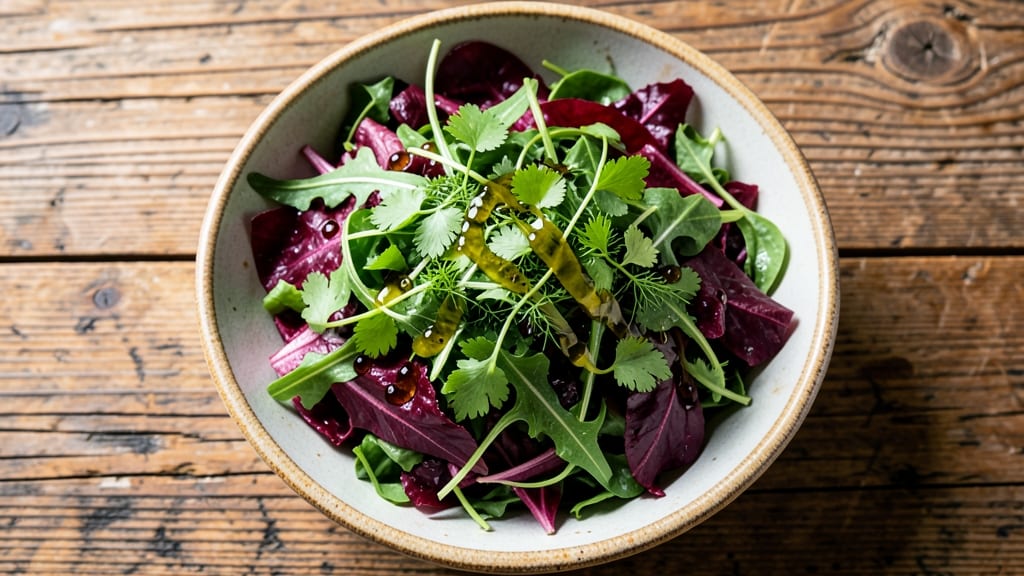
This bitter greens salad recipe transforms bold, peppery leaves like arugula and radicchio into a standout dish that demands attention. The key lies in a robust herb vinaigrette that cuts through the greens' natural bitterness while amplifying their unique character.
I've perfected this balance over years of testing—each element plays a crucial role in creating a salad that's both sophisticated and approachable.
The foundation begins with properly preparing the greens: thorough washing to remove dirt, careful drying to prevent sogginess, and strategic chopping for even distribution. The dressing, made with high-quality olive oil, sharp vinegar, and a blend of fresh herbs, delivers a perfect contrast to the greens' peppery bite.
This isn't your average salad—it's a flavor experience that holds its own against rich proteins or as a complete vegetarian dish.
What makes this recipe truly special is how it elevates simple ingredients through technique. The vinaigrette's acidity and herbal notes create a harmonious marriage with the greens, while optional additions like toasted nuts or shaved cheese add textural depth.
The result is a salad that's visually striking with its vibrant colors and complex in flavor—each bite delivers a perfect balance of boldness and brightness.
Whether you're serving this as a starter, side, or main course, the salad's versatility makes it ideal for any meal. The recipe scales effortlessly, and the components can be prepped ahead for convenience. Here's how to create a bitter greens salad that will impress even the most discerning palates.
Ingredients for bitter green salad
The perfect balance of peppery greens and bold herb vinaigrette transforms simple ingredients into a sophisticated dish.
| Ingredient | Amount | Notes |
|---|---|---|
| Arugula 🌿 | 4 cups | Packed, stems removed |
| Radicchio 🧅 | 2 cups | Thinly sliced, quartered |
| Red Leaf Lettuce 🥬 | 2 cups | Chopped, for texture contrast |
| Extra-Virgin Olive Oil 🫒 | ½ cup | High-quality, fruity |
| Red Wine Vinegar 🍷 | ¼ cup | Sharp, not sweet |
| Fresh Parsley 🌿 | ¼ cup | Chopped, stems removed |
| Fresh Tarragon 🌿 | 2 tbsp | Chopped, for herbal depth |
| Garlic Cloves 🧄 | 2 cloves | Minced, for subtle bite |
| Dijon Mustard 🌶️ | 1 tbsp | For emulsification |
| Sea Salt 🧂 | 1 tsp | Fine grain, to taste |
| Black Pepper 🌶️ | ½ tsp | Freshly cracked |
| Toasted Walnuts 🥜 | ½ cup | Optional, for crunch |
| Parmesan Cheese 🧀 | ¼ cup | Freshly grated, optional |
The greens are the heart of this salad, so quality matters. Arugula and radicchio should be vibrant and crisp—avoid wilted leaves or those with yellowing edges. Local farmers markets often carry the freshest cuts, but the produce section at Whole Foods or Trader Joe's is reliable too. For the vinaigrette, extra-virgin olive oil with a peppery finish elevates the dish, while red wine vinegar ensures the dressing stays sharp. Fresh herbs like parsley and tarragon are non-negotiable—they bring the herbal depth that makes this salad stand out.
No radicchio? Endive or frisée works just as well for bitterness, though radicchio’s color adds visual appeal. Short on fresh herbs? Dried tarragon at half the amount works in a pinch, though fresh is ideal. For the vinaigrette, balsamic vinegar can replace red wine vinegar if you prefer a sweeter note, but the acidity will be slightly less sharp. The Dijon mustard is key for emulsifying the dressing—skip it only if you prefer a thinner dressing. Toasted walnuts add crunch, but pecans or almonds are great alternatives. If you’re avoiding dairy, simply omit the Parmesan.
Greens should be washed thoroughly and spun dry in a salad spinner to prevent sogginess. The vinaigrette keeps for 5 days in the fridge, but it’s best used within 3 days for peak flavor. Store the dressing separately from the greens to maintain crispness. For meal prep, assemble the salad just before serving—this ensures the greens stay vibrant and the dressing doesn’t wilt them. The toasted nuts and cheese, if using, can be prepped ahead and stored in airtight containers for up to 3 days.
Why You'll Love This Recipe
- No Chopping Needed: I swear, this salad takes three minutes—just toss the pre-washed greens (arugula, radicchio, red leaf) straight into a bowl. No knives, no mess, no excuses.
- Taste That Stops You: That first bite? Peppery arugula, tangy radicchio, and a zingy olive oil-vinegar dressing—it’s like a flavor punch in your mouth. Honestly, I’ve eaten this for lunch three days in a row.
- Works Everywhere: Pack it for work, serve it at dinner, or bring it to a picnic—this salad holds up. The dressing clings to the leaves, so it won’t wilt or get soggy, even hours later.
- Cheap & Lasts Forever: Arugula and radicchio are budget-friendly, and this salad keeps days in the fridge. I’ll be real: I’ve had leftovers for four days, and it’s still crisp and delicious.
Step-by-step instructions for bitter greens salad
Assemble this vibrant salad with precision—each ingredient plays a role in balancing bold flavors.
Prepare the Greens
Start by washing all greens thoroughly in a large bowl of cold water. I use my hands to gently separate the leaves, removing any stubborn stems from the 4 cups arugula and 2 cups radicchio. The radicchio's bitterness needs to be fully integrated, so don't skip this step.
Transfer the drained greens to a clean cutting board. Chop the 2 cups red leaf lettuce into bite-sized pieces for texture contrast. Keep the arugula and radicchio whole and quartered respectively—their structure provides the salad's backbone. Taste a raw leaf of radicchio; its peppery bite should be unmistakable—this is what makes the salad work.
Toast the Walnuts and Grate the Parmesan
While prepping the greens, toast the 0.5 cup walnuts in a dry skillet over medium heat for 3-4 minutes until fragrant and golden. Watch them closely—they burn quickly. Let them cool completely before chopping roughly for texture.
Grate the 0.25 cup Parmesan cheese using a fine grater. I prefer freshly grated over pre-shredded because it melts better and adds a more intense flavor. The cheese should resemble coarse sand—this ensures it distributes evenly throughout the salad. Set both aside temporarily; they'll add depth and crunch when combined.
Make the Herb Vinaigrette
In a small bowl, whisk together the 0.5 cup extra-virgin olive oil, 0.25 cup red wine vinegar, 1 tbsp Dijon mustard, 1 tsp sea salt, and 0.5 tsp black pepper. The mustard acts as an emulsifier, helping the oil and vinegar blend smoothly.
Add the 2 cloves minced garlic, 0.25 cup chopped parsley, and 2 tbsp chopped tarragon. Whisk vigorously for 1 minute until the mixture thickens slightly. Taste and adjust seasoning—this is your flavor foundation. The vinaigrette should taste bold enough to stand up to the greens' bitterness, but not overpower them.
Assemble and Toss
Place the prepared greens in a large serving bowl. Drizzle half of the vinaigrette over the greens and toss gently with tongs to coat evenly. The greens should glisten but not appear soggy—this ensures each bite delivers balanced flavors.
Sprinkle the toasted walnuts and grated Parmesan evenly over the salad. Drizzle the remaining vinaigrette in a zigzag pattern and toss once more. The final salad should have vibrant layers of color—deep purple radicchio, peppery arugula, and bright red leaf lettuce—with crunchy walnuts and salty Parmesan peeking through.
Serve Immediately
Divide the salad among plates and serve immediately. The ideal moment to eat this salad is when the greens are still crisp and the vinaigrette hasn't had time to soften them. Pair with grilled meats or crusty bread to balance the salad's bold flavors.
For extra flair, garnish each serving with an additional sprinkle of tarragon leaves. The herb's anise-like aroma elevates the dish, making it feel restaurant-quality. The key to this salad's success lies in the balance—each ingredient must be present but not overpowering, creating a harmonious bite that's both refreshing and satisfying.
Pro Tips For Making Bitter Green Salad
- Dry the Greens: Toss your arugula, radicchio, and red leaf lettuce onto a clean kitchen towel and pat them dry with another towel—before dressing. Wet leaves dilute the vinaigrette and make the salad soggy within 10 minutes. I used to skip this, and the texture always suffered.
- Cut Radicchio in Half: Split the radicchio leaves in half or quarters before adding them to the bowl. Whole leaves stay stubbornly crisp while the arugula wilts—this ensures even texture and bite. Yes, it’s a little extra work, but the salad holds up better for serving.
- Whisk the Dressing: Don’t just pour olive oil and vinegar together like you’re lazy—whisk them vigorously for 30 seconds. This emulsifies the dressing so it clings to the greens instead of pooling at the bottom of the bowl. I learned this after watching my first salad dressing separate like oil and water.
- Add Vinegar Last: Toss the greens with olive oil first, then fold in the red wine vinegar after they’re mostly coated. This prevents the arugula from getting too sharp too fast—it lets the peppery notes mellow slightly before the acid hits. Trust me, the balance is everything.
Pro cooking tips for great bitter green salad
Greens Prep Mastery
Washing greens properly is non-negotiable for this salad. I always use a salad spinner—not just rinsing—to remove excess water completely. Wet greens turn soggy fast, killing the crisp texture we want. For radicchio, trim the tough core first, then slice ¼-inch thick pieces to balance its bitterness.
The red leaf lettuce should be chopped into ½-inch pieces—small enough to eat but large enough to maintain structure. 🌿
Vinaigrette Emulsification
The secret to a silky dressing lies in proper emulsification. Whisk the Dijon mustard into the vinegar first—this creates a stable base before adding the oil. I use a hand whisk for control, adding oil in a slow stream while whisking continuously.
For extra insurance, pulse the dressing in a mini blender for 10 seconds if you prefer a smoother texture. The mustard's acidity binds the oil perfectly, preventing separation.
Herb Freshness Check
Fresh herbs make all the difference in this salad. I always check tarragon stems—if they're woody, the herb is past its prime. For parsley, look for bright green leaves with no yellowing.
Pro tip: Store fresh herbs in airtight containers with a paper towel to absorb moisture, and they'll stay fresh 3-4 days longer. The aromatic difference between fresh and dried herbs is night and day for this recipe.
Toast Nuts Perfectly
Toast walnuts over medium heat until they're golden brown—not dark brown. I watch them like a hawk because they burn quickly. Immediately transfer to a plate to cool completely before chopping.
For extra flavor, add a pinch of flaky sea salt while they're still warm. This enhances their natural sweetness and adds another layer of complexity to the salad. 🥜
Dressing Ratio Secrets
The perfect dressing-to-greens ratio is 2 tablespoons per 4 cups greens. Too much dressing makes the salad soggy; too little leaves flavors unbalanced. I always make extra dressing—it keeps for 5 days in the fridge and works beautifully on other salads.
For a lighter touch, reserve some dressing to drizzle after tossing rather than mixing it in completely.
Plating for Impact
Presentation matters! I use a white plate to make the vibrant colors pop. Arrange greens in a loose pile, then scatter walnuts and Parmesan in artistic patterns. A final drizzle of dressing in a zigzag motion adds visual appeal.
For restaurant-style flair, add edible flowers or a sprinkle of smoked paprika—just a pinch adds warmth without overpowering the greens' natural flavors. ✨
Nutrition facts
Frequently asked questions
Why do bitter greens need a robust vinaigrette?
The acidity in vinaigrette balances the peppery, earthy flavors of greens like radicchio and arugula. A well-made dressing with Dijon mustard and red wine vinegar cuts through bitterness while enhancing their natural sweetness. Think of it as a flavor bridge—without it, the salad would taste harsh and unbalanced.
Can I substitute other bitter greens?
Swap radicchio for endive, frisée, or dandelion greens—they all bring bitterness. For milder contrast, add red leaf lettuce or butter lettuce (like in this recipe). Just adjust the dressing ratio: use 1 tbsp more vinegar per cup of extra bitter greens to maintain balance.
How do I prevent soggy greens?
Spin greens dry in a salad spinner (never shake them—it bruises leaves) and store dressing separately until serving. Add toppings like nuts or cheese right before eating. Pro tip: Toss greens with dressing just before plating—this keeps them crisp for 10-15 minutes longer.
What if I don't like nuts or cheese?
No problem! Skip them entirely or try toasted pumpkin seeds (for crunch) or avocado slices (for creaminess). For a dairy-free option, add sunflower seeds or crispy chickpeas. The key is maintaining texture contrast—even without nuts or cheese, the salad will still shine.
Can I make this ahead of time?
Prep components separately: wash and chop greens (store in airtight containers with paper towels), make dressing (keeps 5 days in the fridge), and toast nuts/grate cheese. Assemble right before serving to preserve crispness. The dressing can be made 3 days ahead—just whisk again before using.