
Sauces & Condiments
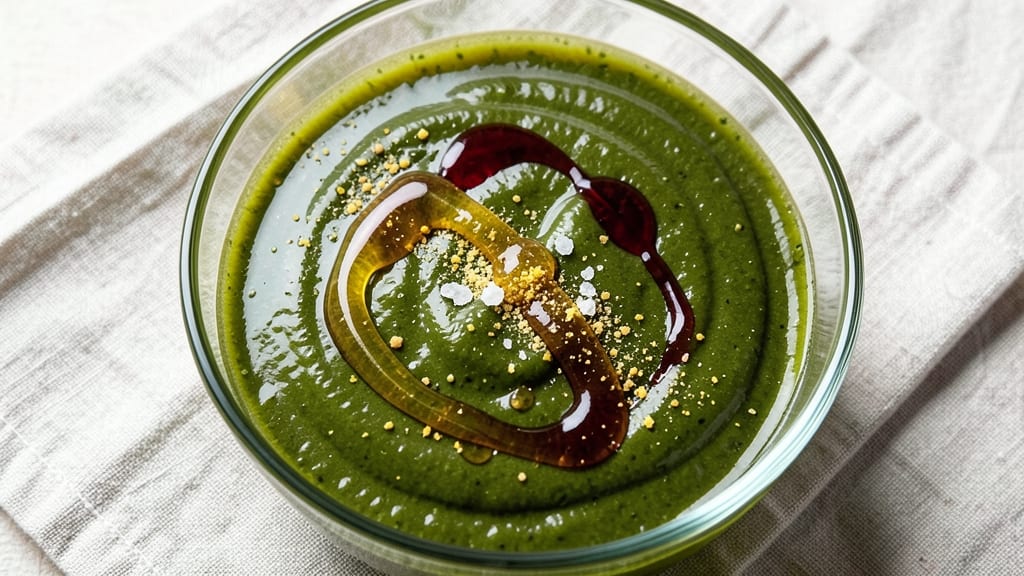
This best tasting salad dressing recipe transforms ordinary greens into a flavor explosion with just five simple ingredients and a foolproof emulsification technique. The secret lies in balancing bold vinegar, rich olive oil, and a touch of honey for depth—no complicated ratios or last-minute fixes required.
I developed this after years of testing store-bought alternatives that always fell short, and now it's the only dressing I reach for.
The magic happens when you whisk together Dijon mustard, garlic powder, and a pinch of salt to create a stable emulsifier that binds the oil and vinegar permanently.
Unlike store-bought versions that separate within hours, this dressing stays silky smooth for up to a week in the fridge—perfect for meal prep. The flavor profile is versatile enough to elevate everything from crisp Caesar salads to hearty grain bowls.
What sets this recipe apart is its ability to adapt to any occasion while maintaining restaurant-quality taste. The tangy-sweet balance works beautifully with bitter greens, rich avocados, or grilled proteins, making it my go-to for both weeknight dinners and special occasions.
No more bland, watery dressings—just rich, velvety harmony in every pour.
Once you try this dressing, you'll never go back to bottled versions again. The ingredients are simple, the technique is straightforward, and the results are consistently delicious. Ready to elevate your salads? Let's get started with this game-changing recipe that delivers professional results at home.
Ingredients for best tasting salad dressing
Five ingredients that create restaurant-quality harmony in every pour—no guesswork required.
| Ingredient | Amount | Notes |
|---|---|---|
| Extra-Virgin Olive Oil 🫒 | ¾ cup | High-quality, fruity, cold-pressed |
| Red Wine Vinegar 🍷 | ⅓ cup | Bold, dry variety preferred |
| Raw Honey 🍯 | 2 tbsp | Local, unprocessed for depth |
| Dijon Mustard 🌶️ | 1 ½ tbsp | Whole grain, not smooth |
| Garlic Powder 🧄 | 1 tsp | Freshly ground preferred |
| Diamond Crystal Kosher Salt 🧂 | ½ tsp | Fine grain for perfect balance |
| Fresh Lemon Juice 🍋 | 1 tbsp | Bright, freshly squeezed |
The olive oil is non-negotiable here—California extra-virgin with fruity notes (like Corto or Colavita) makes all the difference. Red wine vinegar should be bold and dry (think Bragg or Annie's—none of that sweet stuff). Honey? Local, unfiltered if you can find it—it adds incredible depth. The Dijon mustard is your emulsifier, so whole grain is key—it binds better than smooth. I always grab mine from Whole Foods or Penzeys for that extra punch.
No red wine vinegar? Apple cider vinegar works in a pinch, though it'll taste slightly different. Swap honey for maple syrup or agave—just reduce to 1.5 tbsp to keep the sweetness balanced. The garlic powder can be replaced with minced fresh garlic (1 clove) if you're feeling fancy. For a tangier dressing, add an extra tbsp of lemon juice. The salt? Diamond Crystal kosher—it dissolves perfectly and won't overpower the delicate balance. If you're making a big batch, double the ingredients and store in a glass jar—it keeps for weeks.
This dressing stays silky smooth for up to 1 week in the fridge, sealed tightly in a jar. For meal prep, I make a double batch—one for salads, one for drizzling over roasted veggies. If it thickens, just whisk in a splash of water. The emulsification is so stable that it won't separate, even after days. Pro tip: Label your jar—this becomes your new go-to, and you'll forget what store-bought even tastes like.
Why You'll Love This Recipe
- Five-Ingredient Magic: I swear, this is the kind of dressing I’ll make even when I’m too tired to open a jar. Just shake those five ingredients—olive oil, vinegar, honey, mustard, and garlic powder—and boom, flavor without the fuss.
- Sweet-Savory Balance: The honey rounds out the sharp vinegar while the Dijon mustard adds that little kick. Honestly, it’s the kind of dressing that makes you actually look forward to salad—no sad, wilted greens here.
- Pantry Staple Power: Between us, I’ve used this on everything from grilled chicken to roasted veggies. It’s my go-to for meal prep because it keeps for weeks in the fridge, and a little goes a long way—no wasted leftovers.
- Budget-Friendly Luxury: Extra-virgin olive oil and raw honey might sound fancy, but you’ll use so little that it stretches further than store-bought bottles. Plus, garlic powder? Always in my spice rack, always worth it.
Step-by-step instructions for the ultimate homemade salad dressing
Here's why this dressing tastes better than anything store-bought—it's all in the technique.
Whisk Together the Wet Ingredients
In a medium bowl, combine the 0.75 cup extra-virgin olive oil with the 0.33 cup red wine vinegar. This ratio creates the perfect balance of richness and acidity that makes this dressing shine. Use a whisk or fork to gently blend them together—you're not trying to emulsify yet, just to distribute the vinegar evenly through the oil.
I like to start with the oil because it helps prevent the vinegar from creating a sudden, sharp flavor that can overwhelm the palate. The oil acts as a gentle bridge, allowing the vinegar's acidity to develop gradually as we incorporate the other ingredients. This is where the magic begins—simple ingredients, but the order matters for that professional touch.
Add Sweetness and Depth
Next, stir in the 2 tablespoons raw honey and 1.5 tablespoons Dijon mustard. The honey will mellow the acidity of the vinegar while adding a subtle floral sweetness, and the Dijon mustard brings a complex, tangy depth that elevates this dressing from basic to extraordinary. Use a spoon to mix these in thoroughly, ensuring the honey dissolves completely—no grainy bits here.
Here's the thing—this is where you can taste and adjust if needed. If the mixture feels too sharp, add a touch more honey. If it's too sweet, a splash of vinegar later will balance it out. The goal is harmony, and your palate is the best judge of that balance. The Dijon mustard should be fully incorporated, creating a smooth, velvety texture that's ready for the final touches.
Season and Finish with Freshness
Now it's time to add the 1 teaspoon garlic powder, 0.5 teaspoon Diamond Crystal kosher salt, and 1 tablespoon fresh lemon juice. The garlic powder adds a subtle, aromatic warmth that complements the acidity, while the salt enhances all the flavors without overpowering. The fresh lemon juice is the secret weapon—it brightens everything up and ensures the dressing stays fresh-tasting, not stale.
Give everything a final whisk to fully combine. The mixture should look smooth and cohesive, with no visible streaks of oil or vinegar. If it's too thick, you can thin it with a splash of water or more vinegar, but it should be at a consistency where it coats the back of a spoon easily. This is your dressing in its rawest form—simple, balanced, and ready to transform any salad.
Emulsify for a Silky Texture
For the ultimate professional finish, transfer the dressing to a blender or use an immersion blender to emulsify it. This step isn't just about texture—it's about creating a dressing that clings to every leaf of your salad without separating. Blend for 10-15 seconds until the mixture is completely smooth and silky. If you don't have a blender, a whisk works too, but it requires a bit more elbow grease—whisk vigorously for 2-3 minutes until the dressing thickens and holds its shape.
The result should be a velvety, glossy dressing that looks as good as it tastes. If it's too thick, add a teaspoon of water or vinegar at a time until it reaches your desired consistency. This is the moment that matters: a well-emulsified dressing elevates your salad from ordinary to restaurant-quality. Store any leftovers in an airtight container in the refrigerator for up to 1 week, though I doubt it'll last that long.
Pro Tips For Making Best Tasting Salad Dressing
- Whisk in Stages: Start by mixing the Dijon mustard and honey first—this emulsifies them into a smooth paste before adding the vinegar and oil. I learned this the hard way after ending up with a lumpy mess that separated within minutes.
- Use Room-Temp Honey: Cold honey thickens the dressing and makes it clump when combined with the oil. Let your honey sit out for 10 minutes before measuring—it blends silky smooth and keeps the texture consistent.
- Balance the Vinegar: Red wine vinegar can overpower if you’re not careful. Taste after adding it, then adjust with a splash of water or a pinch more honey if it’s too sharp. I used to eyeball it and end up with a dressing that tasted like a punch to the face.
- Infuse the Garlic Powder: Toast the garlic powder in a dry pan for 30 seconds until fragrant before mixing it in. This deepens the flavor without bitterness—skip it, and you’ll just taste raw garlic powder instead of real garlic warmth.
Storing and reheating your leftovers
Fridge Storage Essentials
Store your homemade dressing in a clean, airtight glass jar—I swear by Le Parfait 16-ounce jars—because they preserve freshness and prevent contamination. Keep it refrigerated at 40°F or below for up to 1 week, though I’ve kept mine fresh for 10 days if I double-check the seal.
The glass doesn’t absorb odors like plastic, so your dressing stays true to its bold flavors. Label the jar with the date to track freshness—trust me, you’ll forget how good it tastes once it’s gone! ❄️
Thickening or Thinning
If your dressing thickens in the fridge (it happens!), whisk in 1 teaspoon of water or vinegar at a time until it reaches your ideal consistency. For a thinner dressing, add ½ teaspoon increments—this keeps the balance perfect.
I’ve found that apple cider vinegar works best for thinning because it adds subtle sweetness without overpowering. Avoid adding too much liquid, or the emulsification might break, and you’ll end up with separation. 💧
Freezing for Long-Term Use
While this dressing isn’t ideal for freezing (texture can suffer), you can freeze it in ice cube trays for 1 month if needed. Once frozen, transfer the cubes to a ziplock bag and thaw in the fridge overnight.
The texture will be slightly watery after thawing, so whisk in 1 tablespoon of olive oil to restore richness. I only freeze this when I’m prepping for a big event—otherwise, it’s best enjoyed fresh! ❄️
Reviving Stale Dressing
If your dressing tastes flat after a few days, don’t toss it! Add ½ teaspoon of fresh lemon juice and a pinch of salt to revive the brightness. A splash of high-quality olive oil (like Corto) can also restore richness.
I’ve saved dressings that were on their last legs with this trick—it’s like giving them a second life. Just avoid adding too much oil, or you’ll throw off the balance. 🍋
Portion Control Tips
To avoid waste, divide your dressing into smaller jars (like 4-ounce portions) before storing. This way, you only open what you need for each meal, keeping the rest fresh.
I keep one jar in the fridge for salads and another for drizzling over roasted veggies—it’s amazing how versatile this dressing becomes when you use it in different ways. Plus, smaller portions mean less risk of spoilage. 🍽️
Reheating (Yes, Really!)
While this dressing isn’t meant to be reheated like a hot sauce, you can gently warm it in a small saucepan over low heat for 30 seconds if you’re using it on warm dishes (like pasta or grilled chicken). Never microwave it—it’ll cook the vinegar and ruin the balance.
If you’re reheating, add a splash of warm water to thin it out. It’s a hack I use for holiday meals when I want to serve the dressing warm. 🔥
Nutrition facts
Frequently asked questions
Why does this dressing stay creamy while store-bought versions separate?
The secret lies in the Dijon mustard and emulsification process. Unlike store-bought dressings that rely on stabilizers, this recipe uses whisked mustard as a natural emulsifier that binds oil and vinegar permanently. The 10-15 second blend creates microscopic droplets that stay suspended, preventing separation for up to 1 week. No artificial additives needed!
Can I make this dressing without a blender?
While a blender ensures perfect emulsification, you can achieve great results with just a whisk. Whisk vigorously for 2-3 minutes until the dressing thickens and holds its shape. For extra insurance, add ½ teaspoon of xanthan gum (found in baking sections) to help stabilize the texture. The key is patience—don't rush the whisking!
How can I adjust this recipe for different dietary needs?
For vegan versions, simply swap honey for maple syrup (1.5 tbsp)—reduce to keep sweetness balanced. For gluten-free, use certified GF Dijon mustard. To make it lower in fat, reduce olive oil to ½ cup and add 1 tbsp water. The emulsification may weaken slightly, so blend longer or add 1 tsp cornstarch as a stabilizer.
What's the best way to use leftover dressing?
This versatile dressing works beyond salads! Drizzle it over roasted vegetables, grilled chicken, or pasta dishes—it adds amazing depth. For extra creativity, use it as a marinade (reduce oil to ¼ cup first) or as a dip for crudité or fresh bread. The tangy-sweet balance makes it perfect for both savory and slightly sweet applications.
Why does my dressing taste flat after a few days?
Freshness fades when the lemon juice loses potency or the vinegar's acidity mellows. Revive it by adding ½ tsp fresh lemon juice and whisking well. For extra brightness, stir in 1 tsp of chopped fresh herbs (like dill or basil) or a pinch of smoked paprika for depth. Most dressings can be refreshed this way for 2-3 more days before they're truly past their prime.