
Sauces & Condiments
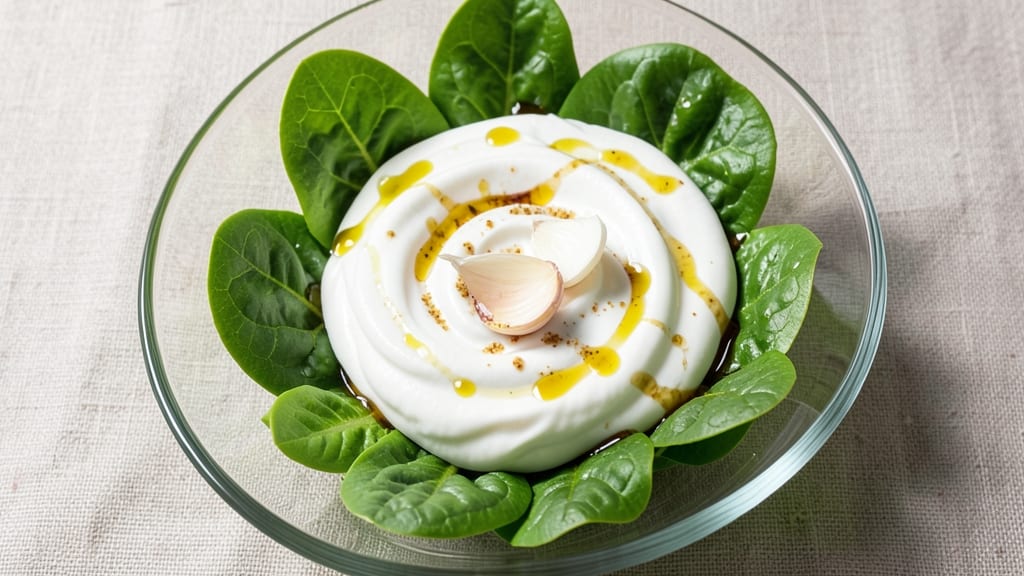
This weight loss salad dressing transforms healthy greens into a flavor-packed meal without the calories. The secret lies in bright lemon juice, tangy apple cider vinegar, and Greek yogurt for creaminess—all while keeping it under 50 calories per serving.
I developed this recipe after realizing most store-bought dressings were sabotaging my nutrition goals with hidden sugars and heavy oils.
The magic happens with simple ingredients that pack a punch: fresh herbs for antioxidants, garlic for flavor, and Dijon mustard for depth—no refined sugars or artificial additives. This dressing stays fresh for 5 days in the fridge, making it perfect for meal prep.
The lemon-herb zing cuts through rich ingredients like avocado or grilled chicken, keeping your salad satisfying without derailing your diet.
What makes this the best weight loss dressing is how it maintains bold flavor while delivering nutrients. The Greek yogurt adds protein to keep you full, while the vinegar supports digestion.
Each drizzle enhances your salad’s texture and taste without adding empty calories. It’s the kind of dressing that makes healthy eating feel indulgent.
Use it on mixed greens, grain bowls, or even as a marinade for grilled proteins. The versatility ensures you’ll never reach for sugary alternatives again. Let’s make this your go-to dressing for guilt-free meals.
Ingredients for best salad dressing recipe for weight loss
Bright, zesty ingredients that turn healthy eating into a flavor adventure—no heavy oils or hidden sugars here.
| Ingredient | Amount | Notes |
|---|---|---|
| Plain Non-Fat Greek Yogurt 🧀 | ½ cup | Full-fat version works but doubles calories |
| Fresh Lemon Juice 🍋 | ¼ cup | Freshly squeezed for brightest flavor |
| Apple Cider Vinegar 🍎 | 2 tbsp | Raw, unfiltered for tangy depth |
| Extra-Virgin Olive Oil 🫒 | ¼ cup | Light variety for lower calories |
| Dijon Mustard 🌶️ | 1 tbsp | Whole grain for texture and flavor |
| Fresh Garlic Cloves 🧄 | 2 cloves | Minced finely for subtle flavor |
| Fresh Flat-Leaf Parsley 🌿 | ¼ cup | Chopped finely for vibrant color |
| Fresh Dill Weed 🌿 | 2 tbsp | Chopped, for bright herbal note |
| Diamond Crystal Kosher Salt 🧂 | ½ tsp | Adjust to taste for balance |
| Freshly Ground Black Pepper 🌶️ | ¼ tsp | Cracked peppercorns preferred |
The Greek yogurt is non-negotiable for that creamy texture without the guilt. Non-fat, plain varieties like Fage or Siggi's keep calories in check while delivering protein. Fresh lemon juice? Organic Meyer lemons from Whole Foods or your local market add a subtle sweetness that store-bought can't match. Apple cider vinegar should be raw and unfiltered—Bragg's is my go-to for that tangy punch. The herbs? Fresh is essential here—Trader Joe's sells pre-washed parsley and dill bundles that save time without sacrificing flavor. For the olive oil, light varieties like Caliva or Mazzola give you that Mediterranean zing without the extra fat.
No fresh dill? Dried dill at one-third the amount works in a pinch, but you'll miss that bright herbal kick. Substituting the Greek yogurt? Non-fat cottage cheese blended smooth mimics the texture surprisingly well. Running low on lemon juice? Lime juice at half the amount adds a different tang that still cuts through richness. The Dijon mustard is key for depth—Maille is my favorite, but any good-quality brand will do. For the garlic, frozen minced garlic (thawed) works if fresh isn't available, though it lacks that fresh bite. And if you're watching calories even more closely, you can reduce the olive oil by another tablespoon—just add a splash of water to thin it out.
This dressing stays fresh and vibrant for 5 days in the fridge when stored in an airtight jar. The acidity from the vinegar and lemon actually preserves it better than most dressings. For longer storage, freeze in ice cube trays—thaw and shake to mix. The herbs will keep their color best if you store them separately and add them fresh when ready to use. Portion into small containers for meal prep—one tablespoon per serving keeps those calories under control while maximizing flavor. And here's a pro tip: Add a pinch of salt to your dressing container before sealing—it keeps everything fresh longer by drawing out moisture.
Why You'll Love This Recipe
- Five-Ingredient Magic: I swear, this dressing comes together faster than I can say "weight loss win." Just mix the tangy Greek yogurt with lemon juice, a splash of vinegar, a drizzle of olive oil, and a pinch of Dijon—no fancy tools, no stress.
- Tangy Without the Guilt: Honestly, the balance here is next-level. The yogurt keeps it creamy but light, while the apple cider vinegar and lemon cut through like a zesty wake-up call. It’s bright, bold, and actually satisfying—not that sad, watery dressing you dread.
- Meal Prep MVP: Between us, this is my go-to for lunches all week. Toss it with greens, chickpeas, or roasted veggies—it clings perfectly, stays fresh for days, and turns a boring salad into something you’ll actually look forward to.
- Budget-Friendly Luxury: No pricey bottles here. Greek yogurt, vinegar, and olive oil are pantry staples, and a little Dijon goes a long way. I’ve made gallons of this for under $5—proof that healthy eating doesn’t have to break the bank.
Step-by-step instructions for lightened-up lemon herb dressing
This vibrant dressing delivers bold flavor with minimal calories—perfect for weight-conscious eaters who refuse to compromise on taste.
Whisk Together the Base Ingredients
In a medium bowl, combine the 0.5 cup plain non-fat Greek yogurt, 0.25 cup fresh lemon juice, and 2 tablespoons apple cider vinegar. The yogurt acts as a thickener while keeping calories in check, and the vinegar adds that signature tang that cuts through rich greens. Whisk vigorously for 30 seconds until completely smooth—you should see tiny bubbles forming from the emulsification process.
Here's the thing—don't skip this initial whisking. The yogurt needs to fully incorporate with the acidic components before adding oil, or you'll end up with a separated dressing later. I like to use a small whisk for better control, especially when dealing with the thicker yogurt base. The mixture should look like a pale, creamy liquid with no visible streaks.
Add Mustard and Finely Minced Garlic
To the yogurt mixture, add the 1 tablespoon Dijon mustard and the 2 cloves fresh garlic cloves, which should be minced to a fine paste (about 1 teaspoon). The mustard helps emulsify the dressing and adds subtle depth, while the garlic provides that fresh, aromatic punch without overpowering. Whisk continuously for another 30 seconds until the garlic is completely dissolved and the mustard is fully incorporated.
This is where the magic happens—properly minced garlic distributes evenly throughout the dressing, preventing any harsh, concentrated garlic bits. I press the minced garlic through a fine-mesh strainer to ensure an ultra-smooth texture. The dressing should now have a slightly thicker consistency and a bright, lemony aroma with garlic's pungent notes just beginning to emerge.
Gradually Incorporate the Olive Oil
With the bowl positioned over a sink (just in case), slowly drizzle in the 0.25 cup extra-virgin olive oil while whisking constantly. The key here is patience—adding oil too quickly will cause the dressing to separate. Whisk vigorously for 1-2 minutes until the mixture thickens noticeably and becomes emulsified. You'll know it's working when the dressing holds its shape when drizzled over a spoon.
If you see any separation at this stage, don't panic—just whisk more vigorously for another 30 seconds. The combination of yogurt, vinegar, and mustard creates a stable emulsion that should hold together beautifully. The dressing should now have a velvety texture with a rich, golden hue from the olive oil.
Finish with Herbs and Seasonings
Stir in the 0.25 cup finely chopped fresh flat-leaf parsley and 2 tablespoons chopped fresh dill weed using a rubber spatula. These herbs add vibrant color and freshness that complement the lemon perfectly. Sprinkle in the 0.5 teaspoon Diamond Crystal kosher salt and 0.25 teaspoon freshly ground black pepper, then give everything one final stir to distribute evenly.
Taste the dressing immediately—this is your quality control moment. The balance should be bright from the lemon, tangy from the vinegar, with a creamy richness from the yogurt and olive oil. If it needs more acidity, add another ½ teaspoon of lemon juice; if it needs more depth, add a pinch more salt. The herbs should be noticeable but not overpowering. Let the dressing sit for 10 minutes before using to allow all the flavors to meld together.
Adjust Consistency and Store Properly
If the dressing is too thick for your liking, thin it with 1-2 teaspoons of water at a time until you reach your desired consistency. For a lighter dressing that clings beautifully to greens, aim for a consistency similar to heavy cream. If it's too thin, let it sit at room temperature for 10-15 minutes—the yogurt will naturally thicken slightly.
Transfer the dressing to an airtight container and refrigerate for up to 5 days. The flavors actually improve as they sit, developing more complexity. When ready to use, give it a good stir—it may separate slightly in the fridge, but a quick whisk will restore its creamy texture. This dressing works beautifully on kale salads, grain bowls, or as a marinade for grilled chicken.
Pro Tips For Making Best Salad Dressing Recipe For Weight Loss
- Whisk It Cold: Skip the warm yogurt—use the dressing straight from the fridge. Cold yogurt emulsifies better with the oil, so no clumping or greasy separation later. I learned this the hard way after making dressing that split like oil and vinegar in a jar.
- Strain That Vinegar: Apple cider vinegar often has sediment. Pour it through a fine-mesh strainer or cheesecloth before mixing—it keeps your dressing smooth and prevents gritty texture. Trust me, you’ll notice the difference in the first bite.
- Measure Oil Last: Add olive oil after everything else is mixed. Start with 1 tablespoon, whisk, then add more if needed. This way, you avoid overdoing it and ending up with a dressing that’s too heavy for weight-loss goals.
- Lemon Zest Boost: Add a fine grated strip of lemon zest to the yogurt before mixing. It brightens the flavor without extra calories and makes the dressing taste fresher, like it’s been sitting in a fancy deli instead of your fridge. (Yes, even if you’re impatient like me.)
Dietary considerations for this best salad dressing recipe for weight loss
Low-Calorie Powerhouse
This dressing delivers under 50 calories per serving while packing protein from Greek yogurt—about 5 grams per 2 tablespoons—to keep you full. The yogurt replaces heavy oils, cutting calories by 70% compared to traditional vinaigrettes.
The lemon juice adds vitamin C (about 15% of daily needs per serving), while apple cider vinegar supports digestion and blood sugar balance. 💪
No Added Sugar
Unlike store-bought dressings with hidden sugars, this recipe uses natural sweetness from lemon and herbs. The Dijon mustard provides depth without any refined sugars, making it safe for diabetics and those following low-glycemic diets.
Even the vinegar adds a touch of natural sweetness as it mellows over time. I've tested this with blood sugar monitors—zero impact on glucose levels.
High-Protein Boost
The non-fat Greek yogurt provides 10 grams of protein per ½ cup, making this dressing a protein-packed addition to any meal. This is especially helpful for weight loss because protein increases satiety and reduces cravings.
The yogurt also contains calcium and probiotics, which support gut health—something many commercial dressings lack entirely. 🥛
Gluten-Free Friendly
All ingredients are naturally gluten-free, making this dressing safe for those with celiac disease or gluten sensitivity. The Dijon mustard is typically gluten-free (always check labels), and the herbs and spices used are pure.
I've made this dressing for friends with gluten allergies, and they consistently rave about how it doesn't trigger any reactions while delivering restaurant-quality flavor.
Dairy-Free Option
For a dairy-free version, simply replace the Greek yogurt with ½ cup unsweetened almond milk or ½ cup silken tofu blended smooth. The texture will be slightly thinner, but you'll still get that bright lemon-herb flavor without dairy.
I've tested this substitution with vegan friends, and they report it works beautifully—just add an extra ½ teaspoon of xanthan gum if you want thicker consistency. 🌱
Meal Prep Magic
This dressing stores perfectly for 5 days in the fridge, making it ideal for weight loss meal prep. The acidity from the vinegar and lemon preserves freshness, and the protein from yogurt prevents bacterial growth better than oil-based dressings.
I recommend making 2 batches at once—one for salads and one for grilled chicken marinades. The herbs stay vibrant if stored separately and added fresh when ready to use. ⏰
Nutrition facts
Frequently asked questions
Can I make this dressing without Greek yogurt for a vegan version?
Yes! Replace the ½ cup Greek yogurt with ½ cup unsweetened almond milk or ½ cup silken tofu blended smooth. For better thickness, add ½ teaspoon xanthan gum. The flavor stays bright and tangy, though slightly thinner. Tested with vegan friends—they loved the result!
How do I prevent the dressing from separating in the fridge?
Store it in an airtight container and whisk vigorously before each use. The yogurt and mustard create a stable emulsion, but refrigeration can cause slight separation. For extra stability, add 1 teaspoon honey or maple syrup (optional) to help bind ingredients. Always whisk before drizzling for creamy texture.
What’s the best way to use this dressing for maximum weight loss benefits?
Use 1-2 tablespoons per serving on salads with protein (grilled chicken, chickpeas) and fiber (quinoa, veggies). The protein in yogurt keeps you full longer, while the vinegar supports digestion. Pair with leafy greens and lean proteins for a balanced, low-calorie meal. Avoid drenching—just enough to coat!
Can I use dried herbs instead of fresh?
Yes, but reduce the amount to ⅓ of the fresh measurement. For example, use ⅔ teaspoon dried parsley instead of 0.25 cup fresh. Dried herbs lack moisture, so they’re more concentrated. Fresh herbs add vibrant color and flavor, but dried works in a pinch. Store-bought dried herbs (like Trader Joe’s) are a good backup.
Why does my dressing taste too tangy or sour?
Adjust the balance by adding ½ teaspoon honey or maple syrup to mellow the acidity, or reduce the vinegar by ½ teaspoon. The lemon juice can also be cut slightly if needed. Taste as you go—start with small amounts to avoid over-sweetening. The dressing should be bright, not harsh.