
Salads
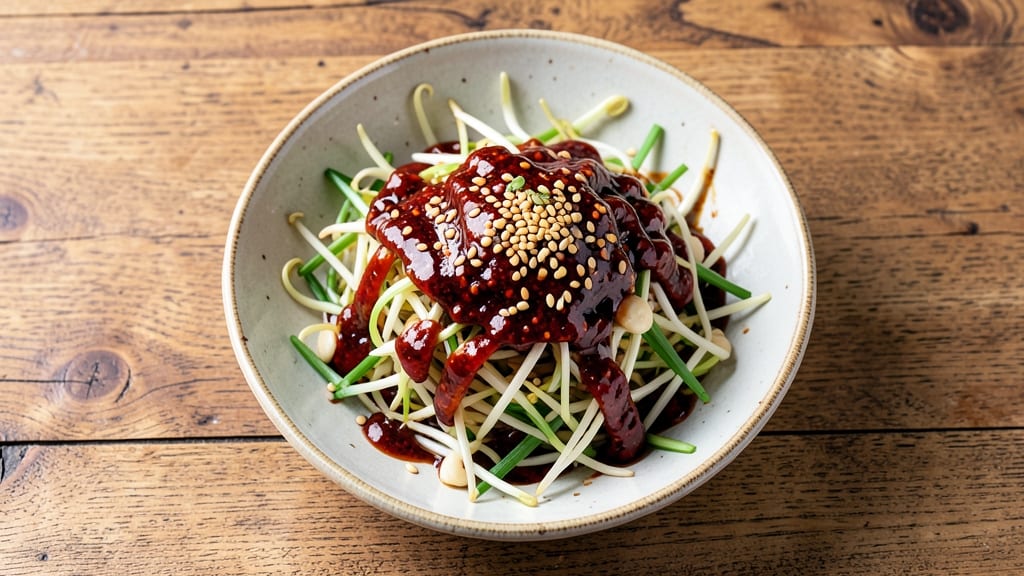
This Korean bean sprout salad recipe delivers the perfect balance of crunchy texture, tangy flavors, and umami depth that defines Korean cuisine. The dish, known as kongnamul muchim, transforms simple bean sprouts into a vibrant, refreshing salad that pairs beautifully with rice or grilled proteins.
What sets this recipe apart is its simplicity—just a few fresh ingredients and a foolproof seasoning technique that brings out the natural sweetness of the sprouts.
The foundation of this salad lies in properly preparing the bean sprouts: soaking them briefly to soften while maintaining their signature crunch. A bright dressing made with simple ingredients—garlic, sesame oil, and a touch of vinegar—elevates the dish with layers of flavor.
For an extra kick, a dash of gochugaru (Korean red pepper flakes) adds heat without overpowering the freshness. The result is a vegan-friendly salad that’s as nutritious as it is delicious.
What makes this recipe stand out is its versatility—it works as a light main dish or a refreshing side. The crisp texture of the sprouts contrasts beautifully with the softness of optional garnishes like toasted sesame seeds or thinly sliced green onions.
Whether you’re serving it at a family gathering or meal prepping for the week, this salad is a game-changer for anyone craving bold, fresh flavors.
Traditionally, this dish is served at room temperature, allowing the flavors to meld and intensify. The key to success? Fresh ingredients and a gentle hand when tossing—overmixing can turn the sprouts mushy.
With just 15 minutes of prep time, you’ll have a dish that’s as impressive as it is easy. Let’s get started!
Ingredients for bean sprout salad recipe korean
Fresh Korean bean sprouts and simple pantry staples create this vibrant, umami-rich salad in minutes.
| Ingredient | Amount | Notes |
|---|---|---|
| Fresh Korean Bean Sprouts 🌱 | 4 cups | Organic preferred, rinsed thoroughly |
| Sesame Oil 🫒 | 1 ½ tbsp | Toasted for nutty aroma |
| Rice Vinegar 🍶 | 3 tbsp | Seasoned preferred for depth |
| Gochugaru (Korean Red Pepper Flakes) 🌶️ | 1 tsp | Adjust for heat preference |
| Garlic Cloves 🧄 | 3 cloves | Minced for aromatic base |
| Soy Sauce 🍶 | 1 ½ tbsp | Low-sodium preferred |
| Sesame Seeds 🌰 | 1 tbsp | Toasted for garnish |
| Green Onions 🧅 | 3 whole | Thinly sliced for garnish |
| Sugar 🍚 | 1 tsp | White granulated |
| Salt 🧂 | ½ tsp | Diamond Crystal preferred |
| Sesame Oil (for toasting) 🫒 | ½ tbsp | Separate batch for seeds |
| Sesame Seeds (for toasting) 🌰 | ½ tbsp | Extra for garnish |
The Korean bean sprouts are the heart of this dish—look for bright green, firm sprouts at your local Asian grocery store or produce section. H-Mart or 99 Ranch Market carry the freshest varieties, but the regular supermarket works if you rinse them well. Avoid wilted or yellowing sprouts—they’ll compromise texture. For extra crunch, soak them in ice water for 10 minutes before draining, then pat completely dry. The gochugaru (Korean red pepper flakes) should be a vibrant red, not dull brown—Maesil Chuchae is the gold standard. Toast your sesame seeds in a dry pan over medium heat for 30 seconds until fragrant, then cool before using.
No gochugaru? Smoked paprika at half the amount works in a pinch, though it lacks the signature depth. Substitute rice vinegar with apple cider vinegar (reduce by 1 tsp) for a tangier profile. The garlic can be roasted at 400°F for 5 minutes before mincing for a sweeter flavor. For a nutty boost, swap half the sesame oil with toasted walnut oil. If you’re short on time, pre-minced garlic from a jar is fine—just drain it well. The sugar balances acidity; coconut sugar adds caramel notes if you prefer. Always taste before tossing—adjust vinegar or salt as needed.
Prep ahead by making the dressing separately—it keeps in the fridge for up to 5 days. Store the sprouts in a damp paper towel-lined container for 3 days max to maintain crispness. For meal prep, assemble the salad just before serving to prevent sogginess. The toasted sesame seeds stay fresh for 2 weeks in an airtight container. Double the batch—this salad holds up beautifully for lunches or as a light dinner with grilled tofu. Garnish with extra sesame seeds right before eating for maximum crunch.
Why You'll Love This Recipe
- No-Cook Crunch: I swear by this when I’m too tired to chop—just rinse the bean sprouts, toss them with the dressing, and call it a day. The garlic and gochugaru do all the heavy lifting while I sit there pretending to be a grown-up.
- Umami Bomb: Between the nutty sesame oil and that first bite of fresh garlic? It’s like a flavor explosion without any effort. Honestly, I’ll take this over a fancy salad any day—it’s got character.
- Lunchbox Legend: Pack it in jars for work or school—it stays crisp for days, and the vinegar keeps it fresh longer than my willpower to eat healthy. My kids actually finish their lunches now, so there’s that.
- Pocketbook Hero: A bag of bean sprouts and a bottle of rice vinegar cost less than a single coffee, but this feeds four people. I’ll be real: this salad saved me from takeout more times than I can count.
Step-by-step instructions for Korean bean sprout salad
This vibrant salad delivers perfect balance—crisp bean sprouts, nutty sesame depth, and bright acidity.
Toast Sesame Seeds for Maximum Flavor
Heat a dry skillet over medium-low heat and add the 0.5 tablespoon sesame oil and 0.5 tablespoon sesame seeds designated for toasting. Stir constantly for 2-3 minutes until the seeds turn a rich golden brown and release their nutty aroma.
Watch closely—they'll darken quickly. Remove immediately when fragrant to prevent burning. Let cool for 1 minute before transferring to a small bowl. These toasted seeds will become your salad's finishing touch, adding both texture and aroma.
Prepare the Dressing Components
In a medium bowl, whisk together the 3 tablespoons rice vinegar, 1.5 tablespoons soy sauce, 1 teaspoon sugar, and 0.5 teaspoon salt until the sugar and salt dissolve completely. This forms the base of your dressing.
In a separate small bowl, mince the 3 cloves garlic finely using a knife or garlic press. Add the minced garlic to the dressing mixture and whisk again. The garlic should be completely incorporated but still visible as tiny flecks. Set the dressing aside while you prepare the bean sprouts.
Blanch the Bean Sprouts for Crisp-Tender Perfection
Bring a large pot of water to a rolling boil. Add the 4 cups fresh Korean bean sprouts and cook for exactly 1 minute. You'll see them wilt slightly but maintain their bright green color.
Drain immediately using a fine-mesh strainer and rinse under cold water to stop the cooking process. This quick blanching removes any bitterness while preserving their satisfying crunch. Drain thoroughly and transfer to a large mixing bowl.
Combine Sprouts with Dressing and Seasoning
Add the prepared dressing to the blanched bean sprouts and toss gently but thoroughly to coat evenly. Sprinkle the 1 teaspoon gochugaru over the sprouts and toss again, being careful not to crush the delicate sprouts.
Let the salad sit for 5 minutes at room temperature. This allows the flavors to meld while the gochugaru develops its signature warmth. The sprouts should now have a vibrant pinkish hue from the red pepper flakes.
Finish with Garnishes and Serve Immediately
Thinly slice the 3 whole green onions and sprinkle them over the salad. Add the toasted sesame seeds and remaining 1 tablespoon sesame seeds for garnish. Drizzle with the remaining 1.5 tablespoons sesame oil and toss one final time.
Serve immediately while the sprouts maintain their crisp texture. The salad should have a perfect balance of tangy, nutty, slightly spicy, and umami flavors with each bite. For best results, consume within 30 minutes to enjoy the freshest crunch.
Pro Tips For Making Bean Sprout Salad Recipe Korean
- Blanch Sprouts First: Drop the bean sprouts into boiling water for exactly 30 seconds—no more, no less—then shock them in ice water. This stops cooking instantly and keeps them crisp, which is the whole point of this salad. I used to skip this and ended up with soggy, sad sprouts every time.
- Toast Garlic Lightly: Smash the garlic cloves with the flat side of your knife first, then toast them in a dry pan over medium heat until golden but not brown. This adds depth without bitterness—raw garlic just tastes like raw garlic. (Yes, even if you’re impatient like me.)
- Mix Gochugaru Last: Toss the gochugaru in after everything else is combined, and do it gently. Stirring it in too early can make the oil separate, and you’ll end up with a sad, streaky mess instead of a vibrant, even coating. Think of it like dusting powdered sugar—light hands.
- Use Cold Sesame Oil: Chill the sesame oil in the fridge for 10 minutes before drizzling it over the salad. Warm oil makes the sprouts greasy and dulls the bright flavors. Cold oil keeps everything crisp and lets the nutty aroma shine. (Your future self will notice the difference.)
Essential equipment for great bean sprout salad recipe korean
Essential Prep Tools
Start with a fine-mesh strainer—I recommend the OXO Good Grips model—for draining blanched sprouts efficiently. A small skillet with sloped sides (like Made In or All-Clad) ensures even toasting of sesame seeds.
For mincing garlic, a garlic press saves time, but a sharp chef's knife works just as well. 🌱
Mixing and Serving Gear
A large mixing bowl (at least 8-inch diameter) prevents overcrowding when tossing sprouts. I use Vitamix storage containers for their airtight lids—perfect for storing prepped ingredients.
For serving, wide shallow bowls (like Corelle stoneware) showcase the salad's vibrant colors beautifully. A small whisk (or fork) blends the dressing smoothly.
Optional Upgrades
For precision, a digital kitchen scale measures gochugaru accurately—critical for heat control. A mandoline with a thin-slice attachment creates perfect green onion ribbons. For extra crunch, a cast-iron skillet (like Lodge) toasts sesame seeds to deeper perfection. These aren't essential, but they elevate the process. ✨
Budget-Friendly Substitutes
No fancy tools? A colander works for draining sprouts, and a mortar and pestle crushs garlic beautifully. A wooden spoon tosses salads just as well as a whisk. The key is thorough rinsing—use a mesh produce bag in your sink for efficient cleaning. Every kitchen has these basics!
Storage Essentials
Store prepped sprouts in a damp paper towel-lined container (like Rubbermaid FreshWorks) to maintain crispness. For dressing, a small glass jar keeps flavors fresh for 5 days.
Label containers with dates—this salad stays best when eaten within 3 days of full prep. Airtight containers are non-negotiable for texture preservation. 💡
Nutrition facts
Frequently asked questions
Can I make this Korean bean sprout salad without blanching?
Blanching is key for removing bitterness and softening the sprouts slightly while keeping their crunch. For a no-cook version, soak the sprouts in ice water for 10 minutes, drain well, and pat dry. This won't remove bitterness completely but works in a pinch. The texture will be slightly softer than blanched sprouts.
How do I adjust the spice level?
Start with ½ teaspoon gochugaru for mild heat, or 1½ teaspoons for a spicier kick. For extra depth without heat, add ½ teaspoon toasted sesame powder. The dressing's vinegar and garlic already provide bright, tangy flavor—adjust gradually to taste before tossing.
Can I use regular bean sprouts instead of Korean bean sprouts?
Yes, but there are key differences. Regular mung bean sprouts are milder and slightly less crunchy. For best results, soak them for 15 minutes in cold water before using and increase the gochugaru to 1½ teaspoons to compensate for their milder flavor. Korean bean sprouts have a more robust, slightly bitter edge that pairs perfectly with the dressing.
Why does my salad turn soggy after sitting?
Overmixing or storing the salad too long causes sogginess. Toss just until evenly coated, and serve immediately. For meal prep, store the dressing and sprouts separately in airtight containers. Combine them right before eating—the sprouts stay crisp for up to 3 days when stored properly in a damp paper towel.
What are the best ways to serve this salad?
This salad pairs beautifully with steamed rice, grilled proteins like tofu or chicken, or even as a topping for banchan-style dishes. For a complete meal, serve it alongside kimchi and a bowl of miso soup. It also works as a refreshing appetizer or light lunch—just double the batch for a crowd!