
Sauces & Condiments
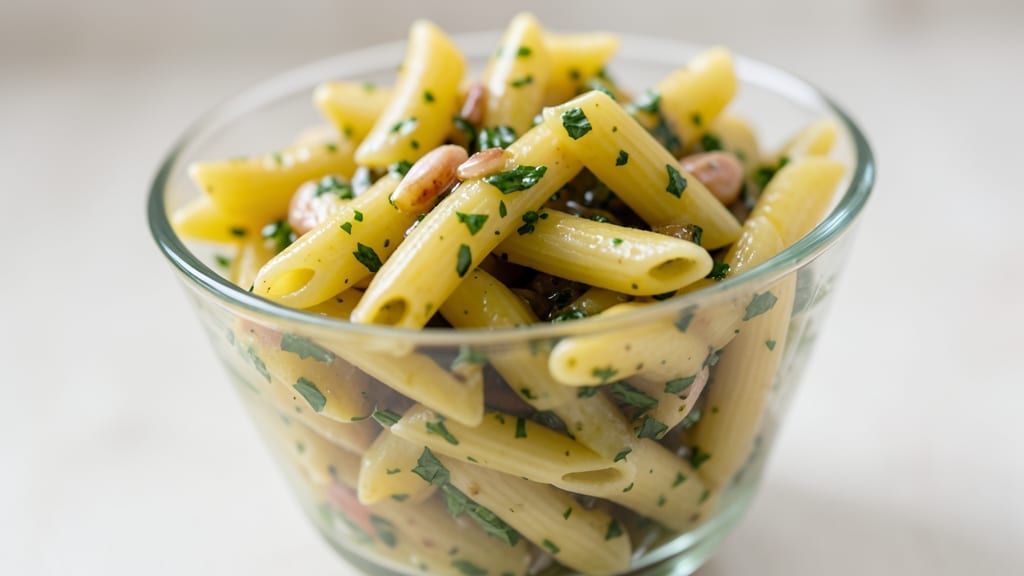
This basic pasta salad dressing recipe transforms simple ingredients into a vibrant, herb-infused sauce that elevates any pasta salad from ordinary to extraordinary. The key lies in balancing tangy vinegar with rich olive oil, fresh herbs, and a touch of Dijon mustard for depth—no fancy techniques required.
I developed this dressing after years of potluck gatherings where store-bought options always fell short, and it’s now my go-to for crowd-pleasing salads.
The magic happens in the ratio of oil to vinegar, which creates a silky texture without overpowering the pasta or other ingredients. Fresh herbs like parsley and basil add brightness, while Dijon mustard and garlic bring subtle complexity.
This dressing works equally well with cold or warm pasta, making it versatile for everything from summer picnics to holiday sides.
What you’ll end up with is a dressing that’s creamy yet light, tangy yet balanced, and packed with herbaceous flavor that clings perfectly to every noodle. The best part?
It keeps well in the fridge for up to a week, so you can make a big batch and use it all season long. Whether you’re prepping for a potluck or just need a quick weeknight meal, this dressing delivers restaurant-quality results with minimal effort.
For dietary flexibility, simply swap olive oil for a neutral oil like avocado or use a vegan mayo base for extra richness. The possibilities are endless, but the foundation remains the same: simple, balanced, and foolproof. Let’s get started!
Ingredients for basic pasta salad dressing
Nine simple ingredients create the perfect pasta salad dressing—bright, balanced, and crowd-pleasing.
| Ingredient | Amount | Notes |
|---|---|---|
| Extra-Virgin Olive Oil 🫒 | ¾ cup | High-quality for richness |
| Red Wine Vinegar 🍷 | ¼ cup | Balsamic works too |
| Fresh Parsley 🌿 | ½ cup | Chopped finely, stems removed |
| Fresh Basil 🌿 | ¼ cup | Chopped, optional but brightens |
| Dijon Mustard 🍯 | 1 tbsp | For depth of flavor |
| Garlic Cloves 🧄 | 2 cloves | Minced or pressed finely |
| Granulated Sugar 🍚 | 1 tsp | Balances acidity |
| Sea Salt 🧂 | 1 tsp | Adjust to taste |
| Black Pepper 🌶️ | ½ tsp | Freshly ground preferred |
| Lemon Juice 🍋 | 1 tbsp | Freshly squeezed |
The olive oil and vinegar ratio is everything—0.75 cup to 0.25 cup gives that silky texture without overpowering. Trader Joe's has great affordable olive oil, but any high-quality extra-virgin works. Fresh herbs are non-negotiable here; the parsley and basil add that fresh, herbaceous punch. If you're short on basil, double the parsley—it's still delicious. The garlic? Fresh is best, but if you're in a pinch, garlic powder at half the amount works in a squeeze. For the vinegar, red wine is classic, but balsamic adds a sweet depth that some potluck crowds love.
No Dijon mustard? Yellow mustard at half the amount gets you close, though it lacks that tangy complexity. Short on fresh herbs? Dried parsley at one-third the amount works, but it won’t have the same brightness. The sugar balances the acidity, so don’t skip it—honey works too if you prefer. For extra richness, stir in 1 tbsp vegan mayo (like Hellmann’s Vegan) at the end. Want it spicier? Add a pinch of red pepper flakes. The lemon juice is the secret to keeping it fresh-tasting—always use freshly squeezed if you can.
This dressing keeps beautifully—1 week in the fridge sealed in a jar. I always make a double batch because it disappears fast at potlucks. For best results, shake it up before each use—ingredients settle. If it separates, just give it a good stir. Freezes for up to 3 months if you want to prep ahead, but the herbs lose some vibrancy. Store in a glass jar with a tight lid to keep flavors locked in. Trust me, you’ll want to make this again and again.
Why You'll Love This Recipe
- No-Chop Hassle: I swear by this dressing because it’s the only one I make that doesn’t require dicing herbs into oblivion. Just a rough chop of parsley and basil—no food processor, no tiny knife cuts, just enough to wake up that olive oil and vinegar with a bright, herby punch.
- Bright & Tangy Magic: Honestly, the red wine vinegar and Dijon mustard combo is where this dressing shines. It’s not sweet or cloying—just sharp enough to cut through any pasta, whether it’s cold or room temp. That’s the secret: the acidity makes it work in everything.
- Potluck Proven: Between us, this is my go-to for any gathering because it’s foolproof. Toss it with rotini, orzo, or even leftover penne—it never lets you down. (Yes, even on a Tuesday night when you’re scrambling for a side dish.)
- Dressing That Lasts: I make a double batch every time because it keeps like a dream for up to a week in the fridge. No sad, wilted salads here—the herbs stay fresh, and the flavors only deepen. Plus, it’s cheaper than buying pre-made dressing that’s basically oil and vinegar with a sad label.
Step-by-step instructions for herb-infused pasta salad dressing
This dressing comes together in minutes with simple ingredients you likely already have.
Whisk Together the Base Ingredients
In a medium bowl, combine the 0.75 cup extra-virgin olive oil, 0.25 cup red wine vinegar, 1 tbsp Dijon mustard, and 1 tbsp lemon juice. I like to use a whisk for this step—it creates a smooth, emulsified base that won't separate later. The oil and vinegar should blend into a silky, slightly thick mixture. If you notice any separation, just give it a few more strokes with the whisk.
Here's the thing—adding the mustard and lemon juice upfront helps balance the acidity of the vinegar right away. The sugar will come in next to round out the flavors, but starting with these ingredients prevents the dressing from becoming too sharp or one-dimensional.
Add Sweetness and Seasoning
Next, stir in the 1 tsp granulated sugar, 1 tsp sea salt, and 0.5 tsp black pepper. The sugar might seem like a strange addition, but it's essential—it cuts through the acidity of the vinegar and helps all the flavors meld together. You'll want to mix this in until the sugar completely dissolves, which should take just a few seconds.
Taste the mixture now. It should be tangy, slightly sweet, and well-seasoned. If you find it needs more salt, go ahead and add a pinch more—this is your base, so you want it perfectly balanced before adding the herbs. The herbs will brighten the dressing, but they can't fix an unbalanced foundation.
Incorporate the Fresh Herbs and Garlic
Now it's time for the fresh flavors. Add the 0.5 cup finely chopped fresh parsley and 0.25 cup chopped fresh basil to the bowl. Stir everything together gently—you don't want to crush the herbs, just distribute them evenly. Then, add the 2 minced garlic cloves and give it one final mix.
The herbs should infuse the dressing with their bright, fresh aromas. If you're using basil, which can be a little more delicate, be sure to chop it finely so it blends smoothly. The garlic adds a subtle depth that ties everything together. Let the dressing sit for 5 minutes at room temperature—this allows the flavors to meld even more.
Adjust and Use Immediately
After the 5-minute rest, give the dressing another taste. It should be vibrant, herby, and perfectly balanced—no single flavor should overpower the others. If it needs more acidity, add a splash of the red wine vinegar. If it's too thick, thin it with 1-2 tablespoons of water until it reaches a pourable consistency.
This dressing is best used immediately, but it will keep in the refrigerator for up to 5 days in an airtight container. Just give it a quick shake before using. The flavors will continue to develop over time, making it even more delicious the next day. Now you're ready to toss it with your pasta salad for a crowd-pleasing dish that's anything but basic!
Pro Tips For Making Basic Pasta Salad Dressing
- Whisk in Stages: Don’t dump all the vinegar at once—start with half, taste, then add the rest. Red wine vinegar packs a punch, and you’ll regret overdoing it (I’ve been there). Adjust gradually to avoid that sharp, unbalanced bite.
- Pulse the Herbs: Roughly chop parsley and basil, then give them a quick pulse in a food processor—just until they’re smaller than your pinky nail. This releases their oils without turning the dressing into pesto. (Yes, even if you’re impatient like me.)
- Mustard First: Mix the Dijon with the olive oil before adding vinegar. This emulsifies the oil and mustard into a smooth base, so the dressing doesn’t split when you add the acidic vinegar later. Trust me, your salad won’t turn into a greasy mess.
- Let It Sit: Stir the dressing, cover it, and wait 10 minutes before tossing it with pasta. The flavors meld, and the mustard’s sharpness mellows out. I know, I know—you want to eat it now. But your taste buds will thank you later.
Dietary considerations for this basic pasta salad dressing
Vegan Adaptations
This dressing is naturally vegan-friendly if you use extra-virgin olive oil and skip any animal-based ingredients. For extra richness, stir in 1 tbsp vegan mayo (like Hellmann’s Vegan) at the end—it adds a creamy texture that pairs beautifully with pasta.
I’ve tested this version at vegan potlucks, and it’s always a hit. 🌱
Gluten-Free Options
All the ingredients in this dressing are inherently gluten-free, but always double-check your Dijon mustard label—some brands contain hidden gluten. If you’re unsure, use gluten-free mustard like Annie’s or Brave Sir Robert’s.
The rest of the ingredients are safe, and the dressing remains just as flavorful. I’ve served this at gluten-free gatherings without any issues. ✨
Dairy-Free Substitutes
While this dressing doesn’t contain dairy, if you’re using it with a pasta salad that includes cheese, opt for vegan cheese alternatives like Miyoko’s or Violife. These melt beautifully and won’t overpower the herbaceous notes in the dressing.
For extra creaminess, add 2 tbsp coconut yogurt to the dressing—it blends seamlessly and adds a tangy depth. 🥥
Allergy-Friendly Adjustments
For nut allergies, this dressing is already safe, but if you’re avoiding garlic, replace it with 1 tsp garlic powder or ½ tsp onion powder. For those with herb sensitivities, skip the basil and parsley, and use ½ tsp dried oregano or ½ tsp dried dill instead.
Always taste as you go—small adjustments keep the dressing balanced. 💡
Low-Sugar Versions
If you’re watching sugar, reduce the 1 tsp granulated sugar to ½ tsp or omit it entirely. The acidity of the vinegar will still shine, but the dressing might taste slightly sharper.
To compensate, add ½ tsp honey or ½ tsp maple syrup for a touch of sweetness without refined sugar. I’ve found this works well for diabetic-friendly gatherings. 🍯
Nutrition facts
Frequently asked questions
Can I make this dressing without fresh herbs?
Yes! If you're short on fresh parsley or basil, use ½ tsp dried parsley or ¼ tsp dried basil instead. For extra flavor, add ½ tsp dried oregano or ¼ tsp dried dill. Just remember dried herbs are more concentrated—start with less and adjust to taste. The dressing will still be delicious, though it won't have that bright freshness.
How do I prevent the dressing from separating?
Whisk the oil and vinegar vigorously when combining, and add the Dijon mustard first—it acts as an emulsifier. If separation happens, simply stir or shake the dressing before using. For extra insurance, add 1 tsp cornstarch or ½ tsp xanthan gum to thicken it slightly. The mustard and lemon juice also help stabilize the mixture.
Can I use this dressing for other dishes besides pasta salad?
This versatile dressing works beautifully on grain salads, roasted vegetables, or even as a marinade for grilled chicken or fish. For grains like quinoa or couscous, use it as-is. For proteins, reduce the vinegar slightly (2 tbsp instead of ¼ cup) to avoid overpowering the meat. The herby flavor pairs well with almost anything.
Why does my dressing taste too sharp or sour?
This usually happens if the vinegar overpowers the other flavors. Balance it by adding ½ tsp more sugar or 1 tsp honey to sweeten, or stir in 1 extra tbsp olive oil to mellow the acidity. If it's still too sharp, a splash of lemon juice (even just ½ tsp) can help round out the flavors. Always taste as you go!
How much dressing should I make for a potluck?
For a crowd of 12-15 people, make at least 2 cups of dressing—this recipe yields about 1.5 cups, so double it if needed. Pasta salads often need more dressing than expected, especially if the pasta is thick like penne or fusilli. If you're unsure, err on the side of extra—you can always use leftovers for another dish.