
Sauces & Condiments
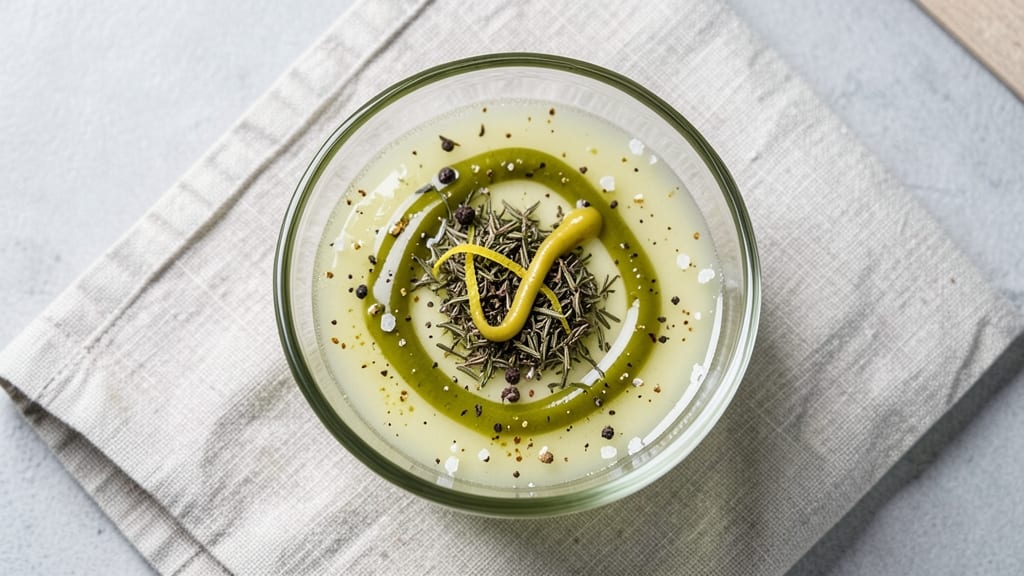
This basic oil and vinegar salad dressing recipe is the foundation of any great salad—bright, balanced, and ready in just 5 minutes. The perfect ratio of high-quality olive oil to tangy vinegar creates a dressing that enhances every bite without overpowering.
I’ve tested countless variations, and this simple formula delivers consistent, restaurant-quality results every time.
The beauty of this dressing lies in its versatility—it works as a marinade, a drizzle for roasted vegetables, or the perfect finish for fresh greens. A pinch of salt and freshly cracked black pepper elevates the flavors, while optional herbs like dried oregano or basil add depth.
The key is using equal parts oil and vinegar by volume, ensuring a harmonious balance of richness and acidity.
What makes this recipe truly foolproof is its simplicity—no emulsifiers or complicated techniques required. Simply whisk together the ingredients, taste, and adjust to your preference. The dressing keeps well in the refrigerator for up to 1 week, making it a pantry staple for quick, healthy meals.
Whether you're prepping a weeknight dinner or planning a summer salad bar, this dressing is your secret weapon. It’s light enough for delicate greens but bold enough to stand up to heartier salads. Let’s get started—your salads will never taste the same again.
Ingredients for basic oil and vinegar salad dressing
Eight simple ingredients create the perfect foundation for any salad—bright, balanced, and ready in minutes.
| Ingredient | Amount | Notes |
|---|---|---|
| Extra-Virgin Olive Oil 🫒 | ½ cup | High-quality, fruity variety preferred |
| White Wine Vinegar 🍷 | ½ cup | Bright and crisp for balance |
| Dijon Mustard 🍯 | 1 tbsp | For subtle tang and emulsification |
| Dried Oregano 🌿 | ½ tsp | Optional for Mediterranean depth |
| Sea Salt 🧂 | ½ tsp | Fine grain preferred for dissolving |
| Freshly Ground Black Pepper 🌶️ | ¼ tsp | Freshly cracked for maximum flavor |
| Garlic Powder 🧄 | ¼ tsp | Optional for subtle garlic note |
| Maple Syrup 🍁 | ½ tsp | Optional for subtle sweetness |
The extra-virgin olive oil makes or breaks this dressing—look for cold-pressed, fruity varieties at specialty stores or the olive oil aisle of grocery chains like Whole Foods or Trader Joe's. White wine vinegar should be crisp and tangy; Bragg or Annie's are reliable brands. Dijon mustard adds subtle emulsification without overpowering—Maille is my go-to, but any good-quality Dijon works. For herbs, dried oregano is ideal, but if you prefer fresh, use half the amount of basil or parsley. The garlic powder and maple syrup are optional but enhance depth—Penzeys or Spicewalla for premium spices, but grocery store brands are fine for everyday use.
No Dijon? Yellow mustard at half the amount works in a pinch, though it lacks the subtle tang. No maple syrup? Agave nectar or a pinch of sugar does the trick. Fresh herbs? Chopped basil or parsley at double the dried amount adds freshness. For a bolder dressing, swap white wine vinegar for balsamic or apple cider vinegar. The key is balance—start with equal parts oil and vinegar, then adjust to taste. If it separates, whisk vigorously or add a splash more mustard to help emulsify.
This dressing keeps beautifully in the fridge for up to 1 week, though it’s best within 5 days for maximum freshness. Store it in a clean glass jar with a tight seal—the oil will separate, but whisk before using. For longer storage, transfer to an airtight container and refrigerate. It’s also perfect for meal prep: double the batch and use it all week for salads, roasted veggies, or even as a marinade. Freezing isn’t recommended, as the texture changes, but it reheats beautifully if you prefer it warm over grains.
Why You'll Love This Recipe
- Five-Ingredient Magic: I swear by this combo—just oil, vinegar, mustard, oregano, and salt. No fancy gadgets, no waiting for anything to bloom. Honestly, I measure while I’m already cooking something else, then shake it up when I’m ready.
- Bright and Tangy: That Dijon mustard cuts through the richness of the olive oil, while the vinegar keeps it sharp. Sprinkle in fresh oregano, and suddenly your greens taste like a Mediterranean vacation. Between us, it’s the simplest way to make salad dressing feel special.
- Pantry Staple Power: I keep this in my fridge at all times—it’s my go-to for quick lunches, charcuterie boards, or even drizzled over roasted veggies. No last-minute store runs, no expired bottles of pre-made dressing. It’s my secret weapon for effortless flavor.
- No Waste, All Win: Make a big batch—it stays fresh for weeks in the fridge. Use it on everything from grain bowls to grilled chicken, and you’ll never buy overpriced salad mixes again. Plus, the ingredients cost pennies, so your wallet stays happy too.
Step-by-step instructions for perfectly balanced salad dressing
This simple method delivers a silky, flavorful dressing every time—no fancy techniques required.
Whisk Together the Base Ingredients
In a medium bowl, combine the 0.5 cup extra-virgin olive oil and 0.5 cup white wine vinegar. I always use a whisk for this step—it creates tiny air pockets that help emulsify the dressing later. Give it a few vigorous strokes to blend, but don't overdo it yet. You're just breaking up the oil's surface tension so it can better incorporate with the vinegar.
Here's the thing—if you mix too aggressively at this stage, you'll end up with a separated dressing later. Think of this as a gentle introduction between the oil and vinegar, letting them mingle without forcing the issue. The olive oil should still appear slightly cloudy from the vinegar, but no distinct separation should form yet.
Add the Mustard and Dry Seasonings
Next, stir in the 1 tablespoon Dijon mustard, 0.5 teaspoon dried oregano, 0.5 teaspoon sea salt, 0.25 teaspoon freshly ground black pepper, and 0.25 teaspoon garlic powder. The mustard acts as our emulsifier—its natural tang helps bind the oil and vinegar together. I always add this before the maple syrup because the mustard's acidity needs to be balanced first.
Use a fork or small whisk to combine everything thoroughly. You'll notice the mixture will start to thicken slightly as the mustard begins to activate. The oregano and garlic powder will dissolve completely, but don't worry if you see tiny specks—they'll disappear when fully emulsified. This is where the Mediterranean depth comes through, so don't skip these optional but flavorful additions.
Incorporate the Sweetener and Final Emulsification
Add the 0.5 teaspoon maple syrup and whisk vigorously for about 30-45 seconds. This is the moment that matters: the syrup helps balance the acidity of the vinegar while adding a subtle sweetness that rounds out the flavors. As you whisk, you should see the mixture start to thicken and become more cohesive—this is your emulsification happening right before your eyes.
Real talk: if you're not seeing immediate emulsification, that's okay. The dressing will come together when you let it rest for a minute. The key is to whisk continuously until the mixture reaches a smooth, creamy consistency. It should coat the back of a spoon without feeling greasy. If it's still too thin, whisk in another ½ teaspoon of Dijon mustard—this extra binding agent will help stabilize the emulsion.
Taste and Adjust the Balance
Taste the dressing immediately—this is crucial for getting the balance right. You should notice a bright acidity from the vinegar, a rich depth from the olive oil, and a subtle sweetness from the maple syrup. If it's too sharp, add another ¼ teaspoon of maple syrup. If it's too mild, add ¼ teaspoon more white wine vinegar. The mustard's tang should be present but not overpowering.
I know it seems weird, but trust me—this tasting step is what transforms a good dressing into a great one. Adjust one element at a time and taste between additions. Your goal is that perfect harmony where no single flavor dominates. Once balanced, give it one final whisk to incorporate any adjustments. The dressing should now have a velvety texture that clings beautifully to greens and other salad ingredients.
Pro Tips For Making Basic Oil And Vinegar Salad Dressing
- STIR AFTER EACH ADDITION: Mix the Dijon mustard into the vinegar first—this emulsifies it instantly and prevents clumping. I learned this the hard way after scraping mustard globs out of my jar for the third time.
- USE COLD OIL: Pour the olive oil in slowly while stirring, but keep everything chilled. Warm oil won’t emulsify properly, and you’ll end up with a separated mess. Pop the jar in the fridge for 10 minutes if your kitchen’s too warm.
- SALT THE MUSTARD: Add the sea salt directly to the Dijon before mixing it with vinegar. This dissolves the salt completely and distributes it evenly—no gritty surprises later.
- TOAST THE OREGANO: Lightly crush the dried oregano between your palms or a mortar before adding it. This releases the oils and aroma, making the dressing taste fresher and more vibrant without overpowering. (Yes, even if you’re impatient like me.)
Dietary considerations for basic oil and vinegar salad dressing
Vegan-Friendly Foundation
This dressing is naturally vegan—no animal products are used in the base recipe. The combination of extra-virgin olive oil and white wine vinegar creates a rich, tangy flavor without dairy or eggs.
For extra protein, toss your salad with chickpeas or tofu cubes after dressing. The mustard adds a subtle tang that mimics the depth of creamy dressings, making it perfect for plant-based meals. 🌱
Gluten-Free Adaptations
All ingredients in this recipe are inherently gluten-free, but always check labels on your Dijon mustard and dried herbs for cross-contamination warnings. I recommend Annie's Organic or Maille for certified gluten-free mustard.
For added thickness, substitute the mustard with 1 teaspoon ground flaxseed mixed with 1 tablespoon water—let it sit for 5 minutes to thicken before whisking into the dressing. This works beautifully for grain bowls and hearty salads. ✨
Low-Sodium Options
If you're watching your sodium intake, reduce the sea salt to ¼ teaspoon and boost flavor with 1 teaspoon lemon juice or an extra ¼ teaspoon garlic powder. For a salt-free version, omit the salt entirely and rely on the vinegar's acidity and pepper's heat to enhance flavors.
This works especially well for salads with naturally salty ingredients like sun-dried tomatoes or olives. 💡
Allergy Considerations
This dressing is nut-free and dairy-free, making it safe for most common allergies. For soy-free diets, ensure your Dijon mustard is soy-free (many brands contain soy lecithin). If you're avoiding mustard, replace it with 1 teaspoon apple cider vinegar or 1 teaspoon tahini for a nutty depth.
Always double-check labels on store-bought ingredients to avoid hidden allergens. 🚫
Sweetness Adjustments
For diabetic-friendly versions, skip the maple syrup entirely or replace it with stevia or erythritol to taste. If you prefer a sugar-free option, add ½ teaspoon vanilla extract for a subtle sweetness without carbohydrates.
The dressing still balances beautifully—just taste as you go to adjust acidity with extra vinegar if needed. 🍯
Storage for Dietary Needs
Store this dressing in an airtight glass jar in the refrigerator for up to 1 week. For meal prep, portion into small containers to avoid repeated opening. If you're using it for low-carb diets, the absence of maple syrup makes it automatically compliant.
For keto diets, ensure your vinegar is sugar-free (like apple cider vinegar) and stick to the basic oil-vinegar ratio for optimal fat content. ❄️
Nutrition facts
Frequently asked questions
Can I use any type of vinegar for this dressing?
White wine vinegar works best for this classic ratio, but you can experiment! For a bolder flavor, try apple cider vinegar or balsamic vinegar. Red wine vinegar adds depth, while rice vinegar keeps it mild. Just remember—stronger vinegars may need more sweetener to balance the acidity.
Why does my dressing separate?
Oil and vinegar naturally separate because they don't mix—it's not a mistake! The mustard helps bind them, but vigorous whisking for 30-45 seconds is key. If it still separates, whisk again before using or add ½ teaspoon more mustard to stabilize. Give it a shake right before dressing your salad.
How can I make this dressing thicker?
For a thicker consistency, whisk in 1 teaspoon ground flaxseed mixed with 1 tablespoon water (let sit for 5 minutes first). Or reduce the oil slightly to ¼ cup while keeping the vinegar at ½ cup. For instant thickness, add ½ teaspoon cornstarch mixed with 1 teaspoon water and whisk until smooth.
Can I use this dressing for non-salad dishes?
This versatile dressing works as a marinade for grilled chicken or tofu, a drizzle for roasted vegetables, or even a dip for crusty bread. Try it with grilled shrimp or as a finishing sauce for pasta dishes. The key is balancing the flavors—add extra herbs or spices to complement the main dish.
What's the best way to store leftovers?
Keep your dressing in an airtight glass jar in the fridge for up to 1 week. Before using, give it a good shake or whisk to recombine. For longer storage, transfer to a sealed container with minimal air exposure. Freezing isn't recommended as it alters the texture, but if you must, freeze in ice cube trays for single-use portions.