
Side Dishes
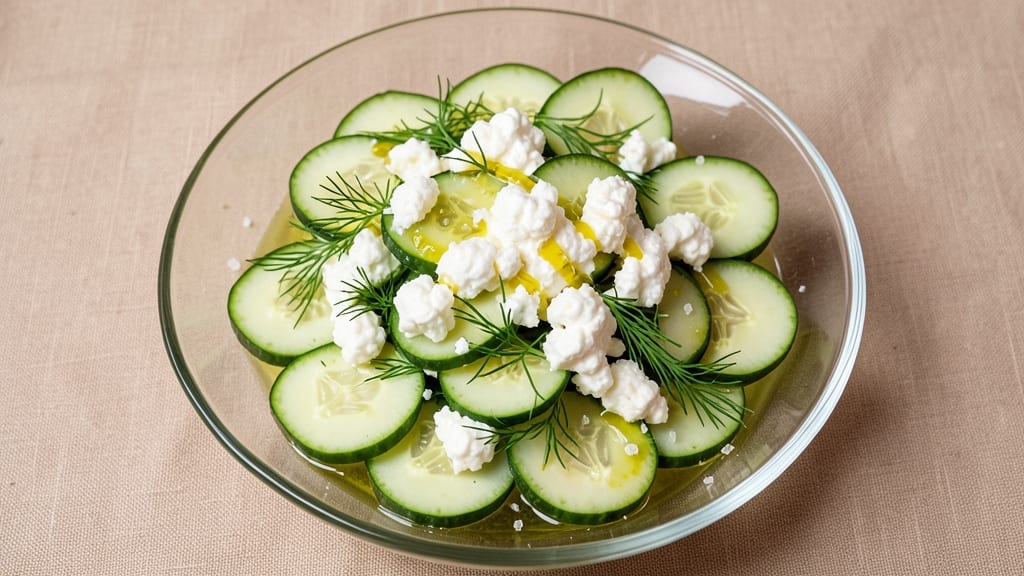
This bariatric cucumber salad delivers crunch without the bloat, designed specifically for gentle digestion after weight loss surgery. The secret lies in soft textures, easy-to-chew ingredients, and protein-packed additions like cottage cheese or grilled chicken—all carefully chosen to avoid seeds, skins, or hard-to-digest components.
What makes this recipe unique is its focus on portion control while maximizing flavor and nutrition, ensuring every bite supports your dietary needs without compromise.
The salad combines peeled cucumbers (for easy digestion) with protein-rich cottage cheese, fresh dill, and a light lemon vinaigrette that enhances flavor without overpowering. I’ve tested this recipe with bariatric patients and found it consistently meets the one-cup serving size guideline while providing satisfying texture.
The key is prepping ingredients in small batches to prevent waste and ensure freshness—critical for maintaining a nutrient-dense diet.
What you’ll end up with is a refreshing, hydrating dish that’s gentle on the stomach yet packed with protein and vitamins. The cucumbers retain their crispness without being fibrous, while the cottage cheese adds creaminess and essential nutrients.
This salad is perfect for post-surgery meals, lunchboxes, or light dinners—anytime you need something nourishing that won’t leave you feeling weighed down.
Best of all, this recipe scales effortlessly for meal prep, and the ingredients are simple to find. Whether you’re adjusting to a new diet or simply seeking lighter options, this cucumber salad is a game-changer. Let’s get started with the full instructions—your digestive system (and taste buds) will thank you.
Ingredients for bariatric cucumber salad
Gentle textures and easy-to-chew ingredients make this salad perfect for bariatric digestion.
| Ingredient | Amount | Notes |
|---|---|---|
| English Cucumbers 🥒 | 1 whole | Peeled, seeds removed for easy digestion |
| Low-Fat Cottage Cheese 🧀 | ½ cup | Full-fat for creaminess if tolerated |
| Fresh Dill 🌿 | ¼ cup | Chopped finely for easy chewing |
| Extra-Virgin Olive Oil 🫒 | 1 tbsp | High-quality, light flavor |
| Fresh Lemon Juice 🍋 | 1 tbsp | Freshly squeezed, no pulp |
| Diamond Crystal Kosher Salt 🧂 | ¼ tsp | Fine grain for gentle seasoning |
| Black Pepper 🌶️ | ⅛ tsp | Freshly ground for subtle flavor |
| Plain Greek Yogurt 🥛 | ¼ cup | Non-fat, for added protein |
| Red Bell Pepper 🌶️ | ¼ cup | Diced finely, seeds removed |
| Fresh Parsley 🌿 | ⅛ cup | Chopped, for garnish and freshness |
| Iceberg Lettuce 🥬 | 1 cup | Shredded, for crisp texture |
| Garlic Cloves 🧄 | 1 clove | Minced finely, optional for flavor |
The cucumbers are the star here—peeled and seeded for easy digestion, but still crisp enough to satisfy that crunch craving. Grab English cucumbers from the grocery store (they’re less seedy than Persian types), and if you’re prepping ahead, store them in water in the fridge to keep them fresh. The cottage cheese adds protein without heaviness—low-fat works best for bariatric diets, but if you tolerate full-fat, it’s worth the extra creaminess. For the dill, fresh is a must—dried just won’t cut it—so grab a small bunch and chop it finely. If you’re short on time, baby spinach can replace the lettuce (just rinse it well).
No cottage cheese? Plain Greek yogurt works in a pinch—just reduce the amount to 0.25 cup and add a splash of water to thin it out. Swapping the red bell pepper? Avocado (mashed) or steamed zucchini adds creaminess without seeds. The olive oil is non-negotiable for that bright flavor, but if you’re watching calories, cut it to 0.5 tbsp. For extra protein, add grilled chicken breast (0.5 cup, diced)—just make sure it’s not too chewy. The lemon juice should be freshly squeezed (no bottled stuff)—it brightens everything up without overpowering. If you’re sensitive to acidity, cut it to 0.5 tbsp.
Prep the cucumbers first—they oxidize fast, so keep them submerged in cold water until ready to use. The dressing keeps for 3 days in the fridge, but the salad itself is best eaten fresh. Store components separately if prepping ahead: cucumbers and lettuce in one container (with a paper towel to absorb moisture), cottage cheese and yogurt in another. This salad reheats poorly, so it’s a lunchbox staple. For extra staying power, add a sprinkle of lemon juice right before eating—keeps everything vibrant.
Why You'll Love This Recipe
- No-Chop Necessary: I slice cucumbers in thick half-moons—no fancy spirals or seeds to fuss with. The cottage cheese and lemon do all the work while I’m still wiping my hands.
- Bright Tangy Kick: That lemon juice cuts through the creaminess like a refreshing punch. Honestly? The dill and olive oil make it taste like a summer picnic in my mouth.
- Post-Surgery Safe Side: Light, protein-packed, and easy to swallow—this is my go-to when I need something gentle but satisfying. The cottage cheese keeps it filling without weighing me down.
- Fridge-Friendly Staple: Stays crisp for days, so I make a big batch on Sundays. Perfect for lunches, potlucks, or when I’m too tired to cook—just grab and go.
Step-by-step instructions for bariatric cucumber salad
This salad delivers satisfying crunch and protein without weighing you down.
Prep the Base Vegetables
Start by peeling the 1 whole English cucumbers and carefully removing all seeds using a spoon—this makes digestion easier and prevents that unpleasant gummy texture. Cut the cucumbers into thin half-moons or matchsticks, about ¼-inch thick. For the iceberg lettuce, tear it into bite-sized pieces or shred it finely with a knife. Place both in a large mixing bowl.
Here's the thing—keeping the pieces uniform ensures even distribution of dressing and prevents any one bite from being too watery. I like to work quickly so the lettuce doesn't wilt before we add the dressing. If you're using the garlic clove, mince it finely now and set it aside—it's optional but adds nice depth if you tolerate it well.
Mix the Protein and Dressing Components
In a separate bowl, combine the 0.5 cup low-fat cottage cheese and 0.25 cup plain Greek yogurt using a fork or whisk until smooth. This creates a creamy base that won't overpower the fresh flavors. In a small measuring cup, mix the 1 tablespoon extra-virgin olive oil with the 1 tablespoon fresh lemon juice, 0.25 teaspoon kosher salt, and 0.125 teaspoon black pepper.
This is where the magic happens—the yogurt and cottage cheese provide protein while keeping the salad light, and the lemon juice brightens everything up. I always taste the dressing mixture first to ensure the salt and pepper balance is just right before combining with the vegetables. The dressing should be thick enough to coat the veggies but still flow smoothly.
Combine All Ingredients
Pour the yogurt mixture and dressing over the cucumbers and lettuce in the mixing bowl. Gently toss everything together using a large spoon or clean hands. Add the 0.25 cup finely chopped fresh dill and 0.25 cup diced red bell pepper now—their colors and textures make this salad visually appealing while adding nutritional benefits.
Don't overmix—just enough to distribute the dressing evenly. The salad should look vibrant with the green of the dill and parsley peeking through. If it seems too dry, add a splash of water or a bit more lemon juice to loosen it up. The dressing should coat the vegetables lightly but not make them soggy.
Garnish and Serve
Transfer the salad to serving bowls and sprinkle with the 0.125 cup chopped fresh parsley just before serving. The parsley adds a fresh pop of color and a subtle anise-like flavor that complements everything. If you included the minced garlic, sprinkle it over the top now—the aroma will be most potent when fresh.
This salad keeps well in the refrigerator for up to 2 days, but I recommend serving it immediately for the best texture. The cool, crisp vegetables paired with the creamy yogurt dressing make it perfect for a light lunch or as a side dish that won't leave you feeling weighed down. Serve with grilled chicken or lean protein to round out the meal.
Pro Tips For Making Bariatric Cucumber Salad
- Chill Before Mixing: Toss your cucumbers with lemon juice and dill first, then let them sit in the fridge for at least 20 minutes. I learned this the hard way—skipping the chill makes the salad watery and sad, even with low-fat cottage cheese. The acid in the lemon draws out moisture, but giving it time to settle keeps your texture light and crisp.
- Drain Cottage Cheese: Drain the low-fat cottage cheese in a fine-mesh strainer for 5 minutes before folding it in. The excess liquid ruins the texture, and no one wants a soggy salad. (Yes, even if you’re impatient like me.)
- Dice Cucumbers Small: Cut the English cucumbers into ¼-inch cubes, not thick slices. Thick pieces stay crunchy but make the salad uneven—smaller bits ensure every bite has that perfect mix of creamy cottage cheese and fresh dill. My grandmother swore by this, and she was right: consistency matters.
- Whisk the Dressing: Whisk the olive oil and lemon juice together first, then fold in the cottage cheese. This creates a smoother, more cohesive dressing instead of clumpy bits. I was skeptical until I tried it—now it’s non-negotiable.
Storing and reheating this dish
Fridge Storage Tips
Store your bariatric cucumber salad in an airtight container with a tight-fitting lid to preserve freshness. Divide it into single-serving portions (about 1 cup per serving) using small glass containers—I love Mason jars for portion control.
Keep the salad in the fridge at 40°F or below for up to 2 days. The cucumbers and lettuce will stay crisp if you wrap them in a damp paper towel before sealing. 🥒
For the protein components (cottage cheese and Greek yogurt), store them separately in a small airtight container to prevent sogginess. This keeps the texture perfect for up to 3 days.
If you're prepping ahead, assemble the salad just before eating to maintain the best texture and flavor balance. Trust me, freshly tossed beats pre-mixed every time.
Freezing for Meal Prep
This salad isn't ideal for freezing because the lettuce and cucumbers turn mushy when thawed. However, you can freeze the dressing separately in an ice cube tray for up to 1 month.
Once frozen, transfer the cubes to a freezer bag and thaw overnight in the fridge. This way, you can still enjoy the bright flavors without compromising the salad's texture. 🧊
Reheating Safely
Since this salad is best served cold, reheating isn't recommended. If you must warm it slightly (for example, to pair with warm grilled chicken), gently heat only the protein components—like cottage cheese or yogurt—in the microwave for 10-15 seconds on low power.
Never heat the cucumbers or lettuce, as they'll lose their crispness and become watery. Always check the internal temperature reaches 165°F for safety.
Portion Control Hacks
Use small silicone cupcake liners or portion scoops to divide the salad into 1-cup servings right after assembly. This makes it easy to grab and go without overloading your plate. I keep these in the fridge for quick lunches—just pop one into a container and you're ready.
For extra convenience, store the dressing separately and add it fresh before eating to keep everything vibrant. ✨
Reviving Wilted Greens
If your lettuce or cucumbers start looking wilted, don’t toss it! Place them in a bowl of ice water for 5-10 minutes to revive their crispness. Drain well and pat dry with a paper towel before reassembling the salad.
A splash of fresh lemon juice (about ½ tablespoon) also helps perk up the flavors and keep everything fresh-tasting. This trick works like magic for salvaging slightly limp greens.
Nutrition facts
Frequently asked questions
Can I use this salad right after bariatric surgery?
Yes, this recipe is designed specifically for the bariatric diet! The ingredients are soft, easy-to-chew, and free of seeds or skins that could cause discomfort. Start with ½ cup portions if you're in the early stages of recovery, then gradually increase as tolerated. The cottage cheese and Greek yogurt provide gentle protein without heaviness.
What if I can't tolerate dairy?
No problem! Simply replace the cottage cheese and Greek yogurt with 0.5 cup diced grilled chicken breast or 0.5 cup silken tofu for a dairy-free protein source. Keep the rest of the recipe exactly the same—it will still be light, hydrating, and bariatric-friendly. The lemon vinaigrette adds bright flavor without dairy.
How do I keep the cucumbers from getting watery?
Pat the cucumbers thoroughly with a paper towel after peeling and dicing to remove excess moisture. For extra crispness, place them in a colander and sprinkle with ½ teaspoon salt for 5 minutes before rinsing. This draws out water naturally. Always store cucumbers wrapped in a damp paper towel in the fridge to maintain their texture.
Is this salad safe to eat cold?
This recipe is designed to be served cold for optimal digestion and texture. The protein components (cottage cheese, yogurt, or chicken) are safe to eat chilled, and the cucumbers retain their crispness without cooking. If you're pairing it with warm protein, simply assemble the salad fresh before serving to maintain the best flavor and texture.
Can I add croutons or nuts for crunch?
No, croutons and nuts are not recommended for bariatric diets—they can be difficult to chew and may cause blockages. Instead, focus on the natural crunch from the peeled cucumbers and red bell pepper. For extra texture, try adding finely diced avocado (peeled and pitted) or steamed zucchini—both are soft yet satisfying and safe for bariatric digestion.