
Sauces & Condiments
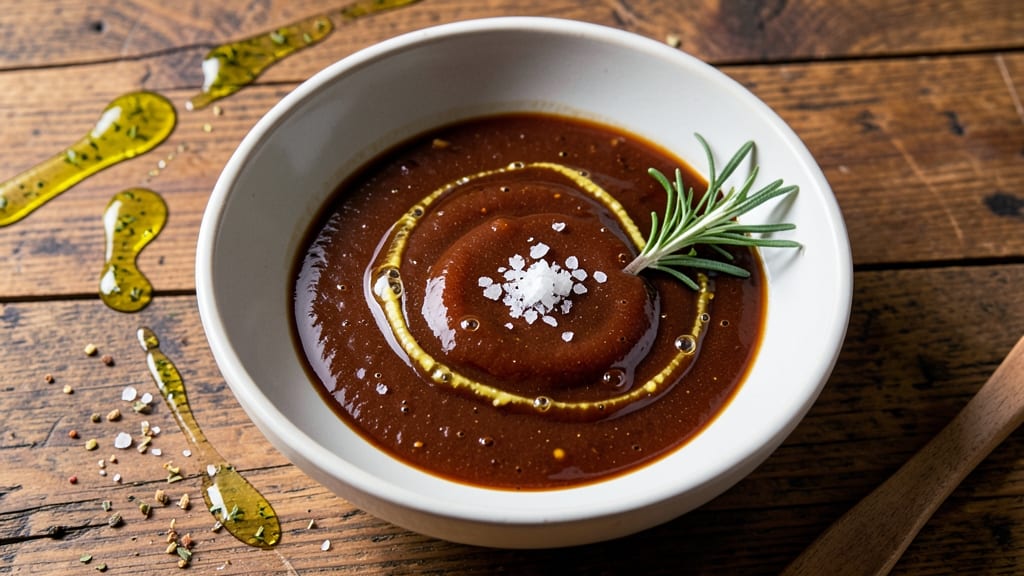
This balsamic glaze salad dressing recipe transforms simple greens into a gourmet masterpiece with just five ingredients and 10 minutes of prep time. The secret lies in balancing sweetness and acidity—reducing balsamic vinegar creates a rich, syrupy glaze that clings beautifully to leaves while enhancing their natural flavors.
I developed this recipe after struggling to find a store-bought version that didn't taste artificial or overly sweet, and it's now my go-to for everything from Caprese salads to roasted vegetable bowls.
The dressing's versatility makes it a kitchen essential: drizzle over arugula with shaved Parmesan for an elegant starter, toss with grilled chicken and cherry tomatoes for a hearty lunch, or use as a marinade for pork tenderloin.
The key to success is patience—simmering the balsamic vinegar until thickened creates that signature glossy finish that sets this apart from basic vinaigrettes. Unlike traditional salad dressings, this glaze thickens as it cools, making it perfect for meal prep.
What you'll end up with is a sweet-tart drizzle that adds depth to any dish without overpowering delicate flavors. The texture is silky-smooth with just enough body to coat greens evenly, while the flavor profile balances rich balsamic notes with a bright finish from Dijon mustard.
This isn't just another salad dressing—it's a flavor multiplier that elevates simple ingredients to restaurant-quality levels. The best part? It keeps beautifully in the fridge for up to two weeks, ready to transform your next meal.
For those who love customization, the recipe easily adapts: swap honey for maple syrup for a different depth of sweetness, or add a pinch of red pepper flakes for subtle heat.
Whether you're dressing a salad, glaze for roasted vegetables, or finishing touch for grilled meats, this balsamic glaze delivers professional results with minimal effort. Let's create it—your taste buds will thank you.
Ingredients for balsamic glaze salad dressing
Five ingredients transform ordinary salads into gourmet masterpieces with minimal effort.
| Ingredient | Amount | Notes |
|---|---|---|
| Balsamic Vinegar 🍷 | ½ cup | High-quality aged variety |
| Honey 🍯 | ¼ cup | Wildflower or clover preferred |
| Dijon Mustard 🌶️ | 1 tbsp | Mild or strong depending on taste |
| Extra-Virgin Olive Oil 🫒 | ¼ cup | Fruity, high-quality preferred |
| Salt 🧂 | ½ tsp | Kosher or sea salt |
The balsamic vinegar is non-negotiable here—look for aged varieties at Whole Foods or specialty stores for deeper flavor. I always grab the Barolo balsamic from Trader Joe's when I'm in a hurry, but the real stuff from Italy takes this to another level. Honey adds the sweetness, but don't grab just any jar. Local honey from farmers markets has distinct flavors that make this glaze unique. The Dijon mustard brings the tang—Maille is my go-to because it's consistent batch to batch. Olive oil should be fruity and robust; California brands like Corto work perfectly.
No honey? Maple syrup or agave nectar works in a pinch (use the same amount). Short on balsamic? Reduce apple cider vinegar with a splash of balsamic reduction for similar depth. The mustard can be skipped entirely if you prefer a smoother glaze, but I always include it—it's what makes this dressing pop. For extra richness, stir in 1 tsp of vanilla extract after simmering. And if you're feeling adventurous, add a pinch of red pepper flakes for subtle heat that pairs beautifully with grilled meats.
This glaze thickens as it cools, so don't worry if it looks runny right after simmering. Store in a glass jar with a tight seal—keeps for 2 weeks in the fridge. I like to portion mine into small containers for easy drizzling. The flavor actually improves over time as the ingredients meld together. Freeze extras in ice cube trays for quick single-use portions. Perfect for meal prep—just thaw and drizzle.
Why You'll Love This Recipe
- Here’s what sold me: I make a big batch on Sundays, and it lasts all week. Toss it with pre-cut veggies, keep it in the fridge for quick lunches, or pack it in mason jars for salads on the go. No last-minute scrambling, just flavor ready to go.
- Five-Ingredient Magic: I swear by this combo—just vinegar, honey, mustard, oil, and salt. No fancy gadgets, no measuring cups that never fit, just a whisk and a jar. Honestly, I’ve made it blindfolded (okay, maybe not, but close).
- Sweet-Savory Balance: That honey and balsamic glaze? It’s like a hug for your taste buds—rich, tangy, and just enough kick from the Dijon to wake it up. Drizzle it over greens, toss it with grilled chicken, or even stir it into pasta water. Every time, it’s ridiculously good.
- Meal Prep MVP: Here’s what sold me: I make a big batch on Sundays, and it lasts all week. Toss it with pre-cut veggies, keep it in the fridge for quick lunches, or pack it in mason jars for salads on the go. No last-minute scrambling, just flavor ready to go.
Step-by-step instructions for balsamic glaze salad dressing
Here's how to create a silky, sweet-tart glaze that elevates any green salad.
Simmer Vinegar and Honey to Thicken
Pour the 0.5 cup balsamic vinegar and 0.25 cup honey into a small saucepan over medium heat. Stir occasionally as they heat, watching for the mixture to bubble gently. You'll notice it thicken slightly as the vinegar begins to reduce—this is when the magic starts happening.
Simmer for 8-10 minutes until the liquid reduces by about half and becomes syrupy. It should coat the back of a spoon and smell richly caramelized. If it reduces too quickly, lower the heat slightly to prevent burning. This step transforms raw vinegar into a deep, concentrated glaze.
Whisk in Mustard and Salt
Remove the pan from heat and let it cool for 2-3 minutes. Then whisk in the 1 tbsp Dijon mustard and 0.5 tsp salt until completely dissolved. The mustard adds a subtle tang that balances the sweetness, while the salt enhances all the flavors.
Here's the thing—don't worry if the mixture looks slightly lumpy at first. The heat from the next step will fully incorporate everything into a smooth, velvety texture. Taste and adjust the salt if needed, but remember the glaze will mellow as it cools.
Slowly Incorporate Olive Oil
With the pan still off the heat, begin adding the 0.25 cup extra-virgin olive oil very slowly while whisking constantly. Start with just a few drops at first—this prevents the oil from separating and creates an emulsified dressing.
As you add more oil, the mixture will transform from a thick syrup to a glossy, pourable glaze. Keep whisking vigorously for 1-2 minutes after all the oil is incorporated. The result should be silky and uniform, with no visible separation. If it does separate, simply whisk again—this glaze is forgiving.
Cool and Thicken Further
Transfer the glaze to a clean jar and let it cool completely at room temperature. The longer it sits, the thicker it becomes—this resting period allows the flavors to meld and the texture to perfect.
I like to refrigerate any leftovers for at least 1 hour before using. This extra step ensures the glaze reaches its ideal consistency. When ready to use, give it a quick stir—it should be thick enough to cling beautifully to greens but still drizzle smoothly from a spoon.
Pro Tips For Making Balsamic Glaze Salad Dressing
- Simmer the Vinegar: Start with 2 tablespoons of balsamic vinegar in a small saucepan and reduce it over medium heat until it thickens to about half its volume—this concentrates the flavor and cuts the sharpness. I learned this the hard way by just tossing everything in cold; the glaze ends up thin and clings like syrup instead of coating.
- Use Real Honey: Skip the cheap, overly processed honey—it won’t caramelize the same way. A good, local honey (like clover or wildflower) adds depth when heated, while the cheaper stuff just turns into sticky sugar. Trust me, your dressing will taste like it came from a fancy bottle.
- Emulsify Like a Pro: Whisk the Dijon mustard into the warm vinegar-honey mix first, then slowly drizzle in the olive oil while whisking vigorously. If you pour the oil too fast, the dressing will split—no amount of shaking later will fix it. Patience here makes all the difference.
- Salt in Stages: Add half the salt at the beginning, taste, then adjust as you go. Balsamic vinegar is already salty, and honey can mask flavors, so don’t overdo it. I used to dump it all in and end up with a dressing that tasted like a vinegar bomb—now I taste as I mix.
Perfect pairings for balsamic glaze salad dressing
Salad Pairings
Arugula gets the spotlight with this glaze—toss 4 cups baby arugula with 1 tbsp olive oil and 1 tbsp glaze, then top with shaved Parmigiano-Reggiano and toasted pine nuts. The peppery greens cut through the sweetness beautifully.
For heartier salads, try it with mixed greens, cherry tomatoes, and crumbled feta—the glaze clings perfectly to all components. 🥗
Protein Pairings
Use this glaze as a marinade for grilled chicken breast or pork tenderloin—just brush on 2 tbsp before cooking. The caramelized flavors intensify on the grill.
For a quick weeknight dinner, drizzle over seared salmon with lemon and fresh dill. The sweet-tart balance complements seafood beautifully without overpowering delicate flavors.
Vegetable Pairings
Roasted brussels sprouts become irresistible when tossed with 1 tbsp glaze and a sprinkle of balsamic reduction after roasting. The glaze also elevates grilled asparagus—drizzle 1 tbsp over steamed or roasted asparagus for an elegant finish. For a complete meal, pair with roasted sweet potatoes and crispy prosciutto.
Bread and Cheese
Drizzle this glaze over garlic bread or fresh baguette slices for an instant appetizer. The sweetness pairs perfectly with goat cheese on crostini—just spread 1 tbsp goat cheese on toasted bread, drizzle with 1 tbsp glaze, and top with arugula.
For a dessert twist, drizzle over ricotta cheese with honeycomb pieces and walnuts.
Drink Pairings
A crisp Sauvignon Blanc from New Zealand complements the glaze's acidity beautifully. For red wine lovers, try a Pinot Noir—its light body matches the glaze's sweet-tart profile.
Sparkling water with a splash of lemon juice makes a refreshing non-alcoholic pairing. The effervescence cleanses your palate between bites of glaze-dressed dishes. 🍷
Nutrition facts
Frequently asked questions
Can I make this balsamic glaze without honey?
Swap the honey for 0.25 cup maple syrup or agave nectar for a similar sweetness level. For a more savory glaze, reduce 0.25 cup apple cider vinegar with 1 tbsp balsamic reduction**> instead—it adds depth without sweetness. The key is maintaining the same liquid volume to keep the glaze balanced.
Why does my glaze separate when I add the olive oil?
This happens when the oil is added too quickly or the mixture isn't hot enough. Always whisk the warm balsamic-honey mixture until cool enough to handle, then add oil drop by drop while whisking vigorously. If separation occurs, simply reheat the glaze gently (just until warm) and whisk again—it'll re-emulsify perfectly.
How can I use this glaze on non-salad dishes?
This versatile glaze works beautifully as a marinade for grilled chicken or pork chops—brush on 2 tbsp before cooking. Drizzle over roasted vegetables like brussels sprouts or carrots after roasting, or use as a finishing sauce for pasta with 1 tbsp per serving. The reduced balsamic adds incredible depth to any protein or vegetable dish.
Can I make this glaze ahead of time?
Yes! This glaze actually tastes better after 24 hours in the fridge as the flavors meld. Store in an airtight jar, and it'll keep for up to 2 weeks—the texture thickens further as it sits. For meal prep, portion into small containers so you can grab exactly what you need for each use.
What's the difference between this and regular balsamic vinaigrette?
This glaze is reduced (cooked down) to create a syrupy consistency, while traditional vinaigrettes are raw emulsions. The reduction process intensifies the balsamic flavor and creates that signature glossy finish. Plus, this version thickens as it cools, making it perfect for drizzling without soaking through greens.