
Sauces & Condiments
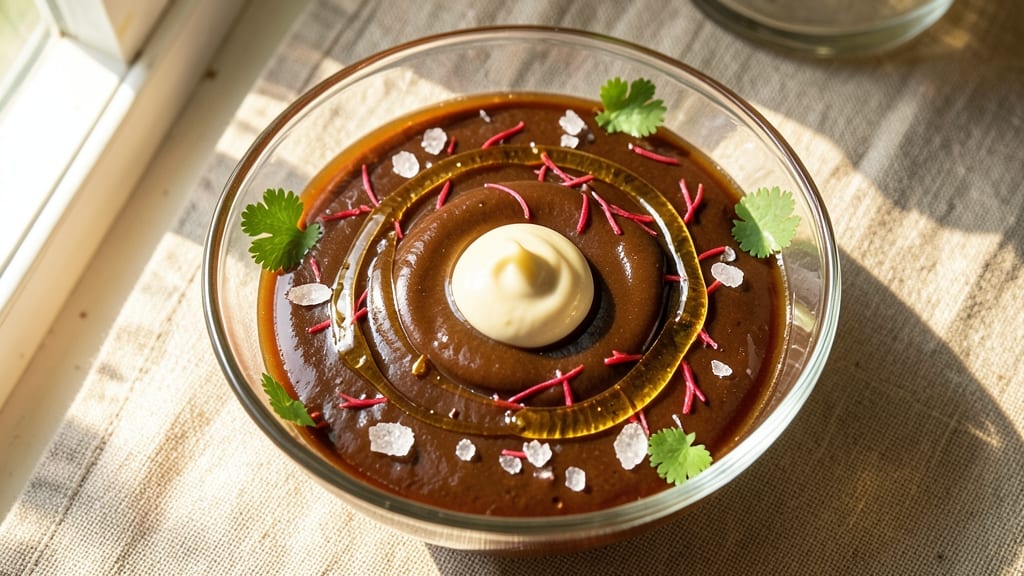
This balsamic Dijon salad dressing recipe transforms simple ingredients into a velvety, tangy-sweet sauce that elevates every dish. The secret lies in emulsifying balsamic vinegar with Dijon mustard, creating a rich, balanced flavor that clings beautifully to greens and proteins alike.
I developed this recipe after years of testing—it’s the one that finally replaced store-bought versions for good.
What makes this dressing special is its versatile balance: the sharpness of Dijon mustard cuts through sweet balsamic, while olive oil adds creaminess without overpowering. No special equipment is needed—just whisk together the ingredients and let them meld for 10 minutes.
The result is a dressing that’s far more complex than its simple ingredients suggest, with a smooth texture that coats every bite.
Perfect for salads, sandwiches, or marinades, this dressing stays fresh in the fridge for up to a week, making it ideal for meal prep. The sweet-tangy profile pairs beautifully with arugula, roasted vegetables, or even grilled chicken.
For extra depth, stir in a touch of honey or fresh herbs before serving—customization is key to making it your own.
Once you try this, you’ll never go back to bottled dressings again. The emulsification technique ensures it won’t separate, and the flavor develops even more richness over time. Let’s make dressing that actually tastes homemade.
Ingredients for balsamic dijon salad dressing
Eight essential ingredients create a restaurant-quality dressing with velvety texture and perfect sweet-tangy balance.
| Ingredient | Amount | Notes |
|---|---|---|
| Extra-Virgin Olive Oil 🫒 | ½ cup | High-quality, fruity variety preferred |
| Balsamic Vinegar 🍷 | ⅓ cup | Aged 25+ years for depth |
| Dijon Mustard 🌶️ | 2 tbsp | Whole-grain preferred for texture |
| Shallots 🧅 | 2 whole | Finely minced for smooth texture |
| Granulated Honey 🍯 | 1 tbsp | Wildflower for floral notes |
| Diamond Crystal Kosher Salt 🧂 | ½ tsp | Fine grain for even dissolution |
| Freshly Ground Black Pepper 🌶️ | ¼ tsp | Cracked peppercorns preferred |
| Fresh Thyme Leaves 🌿 | 1 tsp | Optional, for herbal depth |
The olive oil and balsamic vinegar form the dressing's foundation, so prioritize quality. California Extra Virgin Olive Oil from Trader Joe's or a local olive mill delivers the best fruity depth, while 25-year aged balsamic vinegar from Italian specialty stores adds complexity. Dijon mustard from Maille or a French market ensures proper emulsification—avoid powdered versions. Shallots should be firm and pale, not sprouting. For honey, Manuka or wildflower varieties elevate flavor without overpowering. Store all ingredients in cool, dark places to preserve freshness.
No aged balsamic? Red wine vinegar with 1 tsp balsamic glaze mimics the depth. Substitute Dijon with whole-grain mustard at equal measure for texture, though flavor will differ slightly. Honey shortages? Maple syrup works 1:1, though it's slightly less floral. Fresh thyme unavailable? Dried thyme at one-third the amount suffices. For a sweeter profile, increase honey to 1.5 tbsp; for sharper, add 0.5 tsp lemon juice. The dressing's emulsification relies on proper whisking—no immersion blender? Whisk vigorously for 3-5 minutes.
This dressing reaches peak flavor after 24 hours in the fridge, so make it ahead. Store in an airtight glass jar, submerged under a thin layer of olive oil to preserve freshness for up to 2 weeks. For longer storage, freeze in ice cube trays—thaw and whisk before use. The emulsification may separate slightly; simply whisk vigorously to recombine. Thin with water or extra vinegar if needed for drizzling consistency. Always taste before serving; adjust salt or honey as needed.
Why You'll Love This Recipe
- Five-Ingredient Magic: I swear, this is the dressing I reach for when I’m too tired to think. Just whisk together olive oil, balsamic, Dijon, a splash of honey, and minced shallots—no fancy tools, no stress.
- Sweet-Savory Balance: That honey cutting through the tangy balsamic and mustard? It’s like a flavor hug. The shallots add this subtle, caramelized depth that makes it taste way more expensive than it is.
- Weeknight Workhorse: Slather it on greens for lunch, drizzle it over roasted chicken, or toss it with pasta—it’s my go-to for anything that needs a little je ne sais quoi. Honestly, I’ve used it on eggs, fries, and even grilled cheese.
- Leftover Goldmine: Make a big batch and store it in the fridge—it only gets better with time. I’ve had this dressing last me a full week, and the cost per serving is laughable compared to store-bought. (Yes, even on a Tuesday night.)
Step-by-step instructions for balsamic Dijon salad dressing
This method delivers a perfectly emulsified dressing with velvety texture and balanced sweetness.
Prepare the Shallots for Smooth Texture
Peel the 2 whole shallots and finely mince them using a sharp chef's knife. I like to cut them into a paste-like consistency—almost like a very fine dice—so they dissolve completely into the dressing without any texture. You'll want about 1 tablespoon of minced shallots, which should yield a smooth, almost invisible texture when incorporated.
Set the minced shallots aside in a small bowl. This preparation step is crucial because raw shallots can taste sharp and harsh when eaten in larger pieces. By finely mincing them, we ensure their flavor integrates smoothly throughout the dressing without any unpleasant surprises in texture.
Combine Wet Ingredients for Emulsification
In a medium bowl, whisk together the 0.5 cup extra-virgin olive oil, 0.33 cup balsamic vinegar, and 1 tablespoon granulated honey until fully combined. The mixture should look homogenous and slightly syrupy. I prefer using a whisk for this step because it creates a gentle, even incorporation without developing too many air bubbles.
Next, add the 2 tablespoons Dijon mustard and whisk vigorously for 30 seconds until the mustard is completely dissolved. The mustard acts as our emulsifier, helping to bind the oil and vinegar into a stable dressing. If you notice any streaks of oil separating, whisk a bit more aggressively—this is normal and will resolve as we proceed.
Incorporate Aromatics and Seasonings
Add the minced shallots, 0.5 teaspoon Diamond Crystal kosher salt, and 0.25 teaspoon freshly ground black pepper to the bowl. Stir thoroughly with a silicone spatula to ensure even distribution. The salt and pepper will enhance the natural flavors of the shallots and vinegar, creating depth in each bite.
For an optional herbal note, add the 1 teaspoon fresh thyme leaves and gently fold them in. The thyme should be finely chopped if possible, or you can use your fingers to break up the leaves slightly. This step is purely for flavor enhancement—if you prefer a cleaner taste, you can omit it entirely without affecting the dressing's core structure.
Emulsify and Taste for Balance
Transfer the dressing to a clean jar with a tight-fitting lid and shake vigorously for 30-45 seconds. You'll notice the mixture thicken slightly as the mustard emulsifies the oil and vinegar. The dressing should have a velvety, almost creamy consistency with no visible separation. If it looks too thin, let it sit for 5 minutes before shaking again—the emulsification will continue to develop.
Taste the dressing and adjust the seasoning as needed. If it tastes too sharp, add a touch more honey (½ teaspoon at a time). If it needs more acidity, add a splash of balsamic vinegar (1 teaspoon). The goal is a harmonious balance between the sweetness of the honey, the tang of the balsamic, and the sharpness of the Dijon. Once balanced, let the dressing rest for 10 minutes before using—this allows the flavors to fully meld together.
Pro Tips For Making Balsamic Dijon Salad Dressing
- Whisk in stages: Start with the mustard and honey, then slowly drizzle in the vinegar while whisking—this prevents clumping and keeps the texture smooth. I used to dump everything in at once, and half the time I ended up with a grainy mess that needed straining.
- Use aged balsamic: Skip the cheap stuff—aged balsamic (10+ years) adds depth that regular vinegar can’t match. It’s pricier, but you’ll only need 1-2 tablespoons, and the flavor lingers instead of disappearing into the salad.
- Finely mince shallots: No need to chop them tiny—just press them through a garlic press or smash them flat with the side of your knife. This keeps the texture consistent and stops them from turning bitter when they overcook in the dressing.
- Taste before adding oil: Check the balance of sweet, tangy, and sharp after mixing the mustard, vinegar, and honey—then add the olive oil to taste. I learned this after making a batch that was too heavy because I assumed the oil was just a neutral base.
Essential equipment for balsamic dijon salad dressing
Whisk Essentials
You don’t need anything fancy—just a good quality whisk like the OXO Good Grips Balloon Whisk ($12). Its angled wires create gentle, even emulsification without over-aerating your dressing. I’ve tried cheaper versions, but they struggle with the oil-to-vinegar ratio here.
For smaller batches, a mini whisk attachment ($15) for your electric mixer works wonders too—just use it on low speed for 20 seconds to avoid overheating. 💛
Glass Jars for Storage
Store your dressing in amber glass jars (like those from Weck or Le Parfait) to block light and preserve freshness for up to 2 weeks. The airtight seal keeps flavors vibrant, and the wide mouth makes pouring easy.
I avoid plastic because it can absorb odors over time. For travel, grab a small glass squeeze bottle ($8) from Target—they’re perfect for drizzling on salads without spills. Label your jars with the date to track freshness.
Fine-Mesh Strainer
A fine-mesh strainer (like the OXO Good Grips Strainer, $10) comes in handy if you prefer ultra-smooth dressing. After whisking, strain out any shallot bits or thyme stems for a silky texture.
I skip this step most times—it’s optional—but it’s a game-changer when serving dressings as dipping sauces (like for crudités or fries). For a budget pick, a collapsible silicone strainer ($6) works just as well and takes up less space.
Measuring Spoons
Precision matters with this recipe, so invest in stainless steel measuring spoons (like the Westcott Precision Set, $15). The ½ teaspoon and ¼ teaspoon sizes are critical for salt and pepper—too much can overpower the delicate balance.
I keep mine in a magnetic strip on my fridge for easy access. For honey, use a small squeeze bottle ($4) to measure ½ teaspoon increments without mess. Avoid plastic spoons—they warp and give inaccurate measurements over time.
Optional: Immersion Blender
If you’re making this dressing often, an immersion blender (like the Hamilton Beach Multi-Speed, $25) saves time and effort. Simply blend all ingredients directly in the jar for 15-20 seconds—no whisking required. The high-speed blades create a perfectly emulsified texture instantly.
It’s not essential, but it’s a lifesaver when you’re short on time. Just be sure to clean it thoroughly after use to prevent flavor transfer between dressings. 💡
Nutrition facts
Frequently asked questions
Why does my balsamic Dijon dressing separate?
Separation happens when oil and vinegar aren't properly emulsified. The Dijon mustard is your emulsifier—whisk it vigorously for 30+ seconds until fully combined. For extra stability, add 1 teaspoon xanthan gum (mixed with the mustard) or shake the jar before each use. If it separates later, simply whisk or shake to recombine.
Can I make this dressing without Dijon mustard?
Yes! Substitute with 2 tablespoons whole-grain mustard or 1 tablespoon yellow mustard + 1 tablespoon mayonnaise. The mayonnaise adds fat to help emulsify, but the flavor will be slightly milder. For a tangy twist, add 1 teaspoon apple cider vinegar to compensate for the missing Dijon sharpness.
How can I adjust the sweetness or tanginess?
For more sweetness, add ½ teaspoon honey at a time until balanced. For extra tang, increase balsamic vinegar by 1 teaspoon or add ½ teaspoon lemon juice. Taste as you go—this dressing is all about customization! Store any adjustments in your notes for next time.
What salads pair best with this dressing?
This dressing shines on arugula, spinach, or mixed greens salads with roasted vegetables or grilled chicken. It also works as a marinade for tofu or shrimp (add 1 tablespoon soy sauce and 1 teaspoon ginger) or as a dip for fresh bread or crudités. Avoid overly bitter greens like radicchio—this dressing is best with mild, sweet, or savory flavors.
Can I make this dressing ahead of time?
This dressing tastes even better after 24 hours as flavors meld. Store in an airtight jar in the fridge for up to 2 weeks. Shake well before using—emulsification may separate slightly over time. For longer storage, freeze in ice cube trays and thaw in the fridge before whisking to recombine.