
Side Dishes
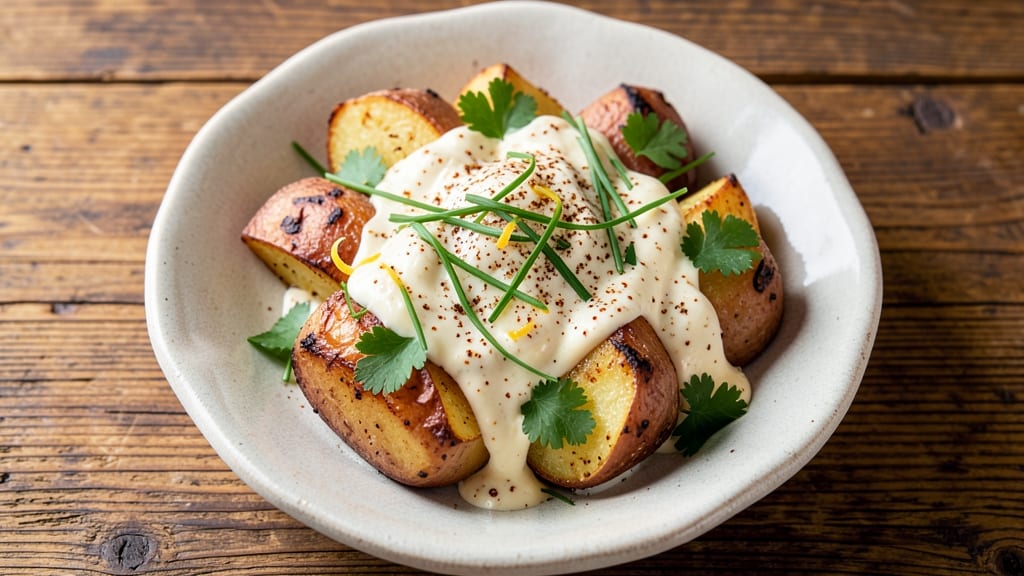
This baked potato salad recipe with mayonnaise delivers the perfect marriage of warm, creamy spuds and herby mayo that's become a picnic and potluck staple.
The secret lies in baking the potatoes until tender yet firm, then tossing them with a rich, tangy mayo base that binds everything together without overpowering the natural potato flavor.
I've perfected this version after years of testing—no soggy sides here, just a harmonious blend of textures and flavors that keeps everyone asking for seconds.
The foundation starts with baking the potatoes at 400°F until fork-tender but still holding their shape—about 45 to 60 minutes, depending on size.
While they roast, we build the dressing: a creamy mayo base infused with fresh herbs like chives and parsley, a touch of Dijon mustard for depth, and just enough vinegar to brighten the richness.
This isn't your grandmother's heavy potato salad; it's a balanced, restaurant-quality side that still feels comforting and familiar.
What sets this recipe apart is the textural contrast—warm, fluffy potatoes meet cool, creamy dressing in every bite, while optional add-ins like crispy bacon or diced celery can be customized to your taste.
The salad holds together beautifully for 4 hours in the fridge, making it ideal for meal prep or large gatherings. Whether you're serving it at a backyard BBQ or packing it for a lunchbox, this version delivers consistent, foolproof results every time.
For those watching their intake, a simple swap of regular mayo for Greek yogurt or vegan mayo keeps the same creamy texture while cutting calories. The key to success? Timing—let the potatoes cool slightly before mixing, and don't skip the herb garnish for that fresh finish.
Ready to elevate your next meal? Let's get started.
Ingredients for baked potato salad recipe with mayonnaise
Warm baked potatoes meet herby mayo in this perfect picnic side dish—just 12 ingredients for maximum flavor.
| Ingredient | Amount | Notes |
|---|---|---|
| Russet Potatoes 🥔 | 3 lb | Medium size, baked whole |
| Mayonnaise 🥫 | 1 ½ cups | High-quality, full-fat preferred |
| Fresh Chives 🌿 | ¼ cup | Finely chopped, mild onion flavor |
| Fresh Parsley 🌿 | ¼ cup | Curly or flat-leaf, chopped |
| Dijon Mustard 🌶️ | 1 tbsp | For depth and tang |
| White Vinegar 💧 | 1 tbsp | Brightens the flavor |
| Salt 🧂 | 1 ½ tsp | Diamond Crystal preferred |
| Black Pepper 🌶️ | ½ tsp | Freshly cracked |
| Celery 🥬 | 1 whole | Diced, optional for crunch |
| Crispy Bacon 🥓 | 4 oz | Diced, optional protein boost |
| Butter 🧈 | 2 tbsp | Unsalted, for basting potatoes |
| Garlic Cloves 🧄 | 2 cloves | Minced, optional aromatic |
The potatoes are everything here. Russets are ideal—they're waxy and hold their shape when baked. Buy them fresh (the day you plan to cook) from a reputable grocer like Whole Foods or your local market's produce section. Medium-sized potatoes (about 6-8 oz each) cook evenly and yield perfect chunks. If you're prepping ahead, par-cook them and store in the fridge for up to 2 days before baking. The butter? Unsalted is key—you control the seasoning here. I like to use Land O'Lakes unsalted because it's reliable and melts beautifully.
No mayo? Greek yogurt or vegan mayo works just as well for a lighter texture. Fresh herbs are non-negotiable—they make the dressing sing. Penzeys bulk herbs are my go-to for parsley and chives, but the grocery store's fresh section works too. For the vinegar, Apple cider vinegar adds a subtle sweetness that pairs perfectly. The celery and bacon are optional but add fantastic texture contrast. Trader Joe's has pre-cooked bacon bits that save time, and their celery is always crisp. If you're skipping the bacon, add an extra pinch of salt to compensate for the missing smokiness.
Baked potatoes keep best at room temperature for up to 4 hours after baking, but refrigerate leftovers for up to 5 days. The salad itself holds together beautifully in the fridge for 4-5 days, though the texture gets slightly softer after 2 days. For meal prep, I like to assemble the salad the night before and let it marinate overnight—the flavors meld beautifully. If you're making this for a crowd, double the herbs—they wilt slightly when mixed with the warm potatoes, and you want that fresh finish. Store any extra dressing separately and stir it in just before serving.
Why You'll Love This Recipe
- No Chopping Chaos: I swear by this recipe because you only need to dice the potatoes and roughly chop the herbs—no fancy techniques, no stress. The chives and parsley add brightness without demanding precision, and honestly? That’s my kind of cooking.
- Creamy with Crunch: The mayo keeps it rich and satisfying, but the Dijon mustard cuts through the fat while adding a tangy depth. Toss in those fresh herbs right before serving, and you’ve got that perfect contrast—creamy, herby, and just a little bite.
- Picnic to Potluck: This salad holds up beautifully whether you’re packing it for a beach day or bringing it to a backyard barbecue. It’s sturdy enough to travel, stays fresh for hours, and even gets better the next day—(yes, even on a Tuesday night).
- Budget-Friendly Feast: Russet potatoes are cheap, mayo stretches far, and a bunch of chives lasts weeks. I’ve fed a crowd of six for under $10, and the leftovers? They disappear faster than I can say “seconds, please.”
Step-by-step instructions for warm baked potato salad
This method transforms simple baked potatoes into a creamy, herby masterpiece with crispy bacon and bright vinegar notes.
Bake the Potatoes to Perfect Tenderness
Preheat your oven to 425°F and line a baking sheet with parchment paper. Pierce each of the 3 lb Russet Potatoes with a fork about 8 times per potato to allow steam to escape. Rub the potatoes with the 2 tbsp Butter to help crisp the skin and prevent drying.
Place the potatoes directly on the baking sheet and bake for 45-50 minutes until they feel light when shaken and a fork slides in easily. Real talk: your oven might run hot, so start checking at the 40-minute mark. The potatoes should be fork-tender but still hold their shape when pierced. If the skin starts browning too quickly, tent them loosely with foil during the last 15 minutes of baking.
Prepare the Herby Mayo Dressing
While the potatoes bake, combine the 1.5 cups Mayonnaise, 1 tbsp Dijon Mustard, 1 tbsp White Vinegar, 1.5 tsp Salt, and 0.5 tsp Black Pepper in a large mixing bowl. The vinegar brightens the mayo and cuts through its richness, balancing the flavors perfectly.
Add the 0.25 cup Fresh Chives and 0.25 cup Fresh Parsley, then stir in the 4 oz Crispy Bacon and 1 whole Celery that you've diced into small pieces. If you're using the 2 cloves Garlic Cloves, mince them finely and add them now for a subtle aromatic depth. Here's the thing—taste the dressing before combining with potatoes. You might want to add a pinch more salt or vinegar depending on your mayo's saltiness.
Fluff the Potatoes and Combine
Let the baked potatoes cool for 10 minutes after removing them from the oven. This resting period prevents them from breaking apart when you handle them. Cut each potato in half lengthwise and use a fork to gently fluff the insides, creating a rough texture that will hold the dressing beautifully.
Transfer the fluffed potatoes to the bowl with the herby mayo mixture. Using two forks or a sturdy spoon, gently fold everything together until the potatoes are evenly coated and the dressing is fully distributed. You'll see the potatoes start to absorb the creamy mixture—this is when the magic happens. Don't overmix or you'll mash the potatoes instead of creating a salad texture.
Chill and Serve for Maximum Flavor
Cover the salad and refrigerate for at least 1 hour before serving. This chilling time allows the flavors to meld together perfectly. The potatoes will firm up slightly, and the dressing will become more cohesive. I know it's tempting to eat it immediately, but trust me—waiting makes all the difference in the final result.
When ready to serve, give the salad one final gentle toss to redistribute everything evenly. The ideal baked potato salad should have creamy, herby dressing clinging to each fluffy spud, with crispy bacon bits and fresh herbs throughout. Serve with a side of crusty bread or a simple green salad for a complete meal that's perfect for picnics or family gatherings.
Pro Tips For Making Baked Potato Salad Recipe With Mayonnaise
- Bake at 375°F: DESCRIPTION: That’s the magic number for Russets—hot enough to cook through without turning to mush. I used to blast them at 425°F, thinking faster was better, but they’d dry out by the time I mixed the dressing. Lower heat = even, fluffy potatoes that hold up to the mayo.
- Cool Before Chopping: DESCRIPTION: Let the potatoes sit 15 minutes after baking—yes, even if you’re starving. Cold potatoes slice cleaner, soak up less mayo, and won’t turn your salad into a watery mess. I learned this after watching my first batch disintegrate mid-mixing.
- Whisk the Dressing: DESCRIPTION: Don’t just dump mayo and mustard together—whisk them first until smooth. That’s how you get the creamy texture without lumps. I was lazy once and ended up with a salad that tasted like it had grit in it. Two minutes of whisking makes all the difference.
- Toast the Herbs: DESCRIPTION: Dry the chives and parsley thoroughly, then pulse them briefly in a food processor before adding to the salad. The slight texture contrast cuts through the richness of the mayo, and it keeps them from wilting into a sad, soggy pile. (Trust me, your guests won’t notice the effort.)
Dietary considerations for this dish
Lighter Mayo Swaps
If you're watching calories or fat, swap regular mayo for Greek yogurt (use a 2:1 ratio of yogurt to mayo) or vegan mayo like Hellmann's Vegan or Sir Kensington's.
Greek yogurt adds protein and tanginess while cutting calories by about 30%. For extra creaminess, blend in 1 tbsp sour cream—it mimics the richness without the heaviness. 🥄
Gluten-Free Adaptations
This recipe is naturally gluten-free, but always double-check your mayo and bacon labels. Duke's and Hellmann's both offer gluten-free mayonnaise options. For the bacon, look for brands like Applegate or Butterball that specify gluten-free processing. The fresh herbs and vinegar are inherently gluten-free, so no additional swaps are needed.
Dairy-Free Options
To make this fully dairy-free, replace the butter with olive oil (use 2 tbsp) for basting the potatoes. For the dressing, choose a dairy-free mayo like Just Mayo or Primal Kitchen.
The flavor stays bright and herby—just ensure your bacon is also dairy-free, as some brands add milk solids for crispiness.
Lower-Carb Versions
For a lower-carb twist, replace half the potatoes with cauliflower mash (steam 2 cups cauliflower florets until tender, then mash with 1 tbsp butter and 2 tbsp cream cheese).
Mix the cauliflower mash into the potato salad for a lighter texture. Keep the same dressing ratio, but reduce the mayo to 1 cup to balance the moisture. 🥬
Allergen-Friendly Tips
For nut allergies, this recipe is already safe, but always verify mayo brands—some contain trace nuts. For egg allergies, use egg-free mayo like Hellmann's Egg-Free or Primal Kitchen. If you're avoiding mustard, replace the Dijon with an extra ½ tbsp vinegar and a pinch of smoked paprika for depth.
The herbs and bacon remain allergen-free in their standard forms.
Nutrition facts
Frequently asked questions
Why do the potatoes need to cool before mixing with the dressing?
Warm potatoes release excess moisture when mixed with mayo, creating a soggy texture. Letting them cool for 10 minutes after baking prevents this while keeping them tender. The salad will hold together better, with creamy dressing clinging to each fluffy spud rather than pooling at the bottom.
Can I make this potato salad ahead of time?
This salad actually tastes better when made 1-2 days ahead because the flavors meld beautifully in the fridge. Store it covered for up to 4 days, though the texture becomes slightly softer after 2 days. The key is to keep the dressing separate until ready to serve if prepping more than a day ahead.
What's the secret to keeping the potatoes from turning mushy?
Three things: don't overmix, use firm potatoes, and chill before serving. Russets hold up best, and folding gently with two forks preserves their texture. The 1-hour chill time before serving firms everything up beautifully—this is what prevents that sad, wet potato salad experience.
How can I make this recipe lighter without sacrificing flavor?
Swap half the mayo for Greek yogurt (keep the same total volume) and add 1 tbsp lemon juice instead of vinegar. This cuts calories by 25% while keeping the creamy texture. The lemon brightens the flavor, balancing the richness perfectly—no one will miss the full-fat mayo!
What's the best way to reheat leftovers?
This salad isn't meant to be reheated—it's designed to be served cold or at room temperature. However, if you must warm it slightly, use the microwave for 30-second intervals while stirring between each. The potatoes will soften further, so it's best enjoyed fresh from the fridge for optimal texture.