
Side Dishes
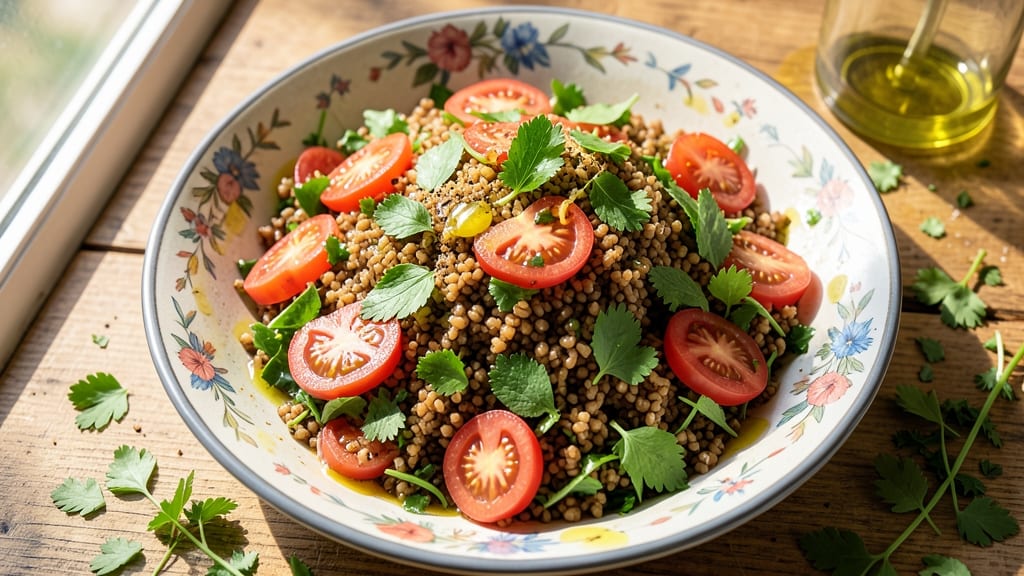
This authentic Lebanese tabbouleh salad recipe brings the vibrant flavors of the Mediterranean to your table with its signature parsley-packed freshness and perfectly crunchy bulgur. 🌿 The secret lies in soaking fine bulgur until it reaches that ideal texture—neither mushy nor hard—while balancing bright lemon, tangy tomatoes, and fragrant herbs.
I've perfected this version after years of testing, ensuring every bite delivers the authentic taste of Lebanese home cooking.
What sets this recipe apart is the careful ratio of ingredients—fresh parsley and mint create the aromatic base, while bulgur provides that essential crunch. The dressing, made with olive oil and lemon juice, penetrates every component, creating a salad that's both refreshing and deeply flavorful.
Unlike many modern versions, this one stays true to tradition without sacrificing simplicity.
The result is a dish that's as visually stunning as it is delicious—bright green, herby, and perfectly balanced between tender bulgur and crisp vegetables. It's the kind of salad that pairs beautifully with grilled meats, fresh bread, or even as a standalone meal.
The flavors develop as it sits, making it even more delicious when served slightly chilled.
Whether you're serving it at a family gathering or enjoying it as a light lunch, this tabbouleh salad delivers restaurant-quality authenticity with minimal effort. The key is patience—letting the bulgur soak properly and the flavors meld together. Here's everything you need to make it perfectly every time.
Ingredients for authentic lebanese tabbouleh salad
These vibrant ingredients transform into Lebanon's most beloved salad—bright, herby, and perfectly balanced.
| Ingredient | Amount | Notes |
|---|---|---|
| Fine Bulgur Wheat 🌾 | 1 cup | Rinsed thoroughly before soaking |
| Fresh Flat-Leaf Parsley 🌿 | 2 cups | Stems removed, finely chopped |
| Fresh Mint Leaves 🍃 | ½ cup | Finely chopped, stems removed |
| Medium Tomatoes 🍅 | 2 whole | Ripe, seeded, finely diced |
| Extra-Virgin Olive Oil 🫒 | ½ cup | High-quality, fruity variety |
| Fresh Lemon Juice 🍋 | ¼ cup | About 2 medium lemons |
| Red Onion 🧅 | ¼ whole | Thinly sliced, soaking in cold water |
| Garlic Cloves 🧄 | 3 cloves | Minced finely for subtle flavor |
| Diamond Crystal Kosher Salt 🧂 | 1 ½ tsp | Adjust to taste after combining |
| Freshly Ground Black Pepper 🌶️ | ½ tsp | Freshly cracked for best flavor |
| Toasted Pine Nuts 🥜 | ¼ cup | Optional for added crunch |
The bulgur is non-negotiable here—fine bulgur soaks up flavors beautifully, but medium or coarse stays too firm. Grab it from the international aisle at Whole Foods or Middle Eastern markets for authentic quality. Fresh parsley and mint? Stemmed and chopped is key—no wilting leaves. The tomatoes should be ripe but firm; heirloom varieties add that extra burst of flavor. For lemon juice, freshly squeezed is a must—bottled just won't cut it. Look for bright green herbs and vibrant red tomatoes at your local farmers market for peak freshness.
No fresh parsley? Cilantro works in a pinch, but the flavor will differ. Short on mint? Fresh dill at half the amount gives a similar brightness. The tomatoes can be substituted with cherry tomatoes, but seed and dice them carefully. For the bulgur, quinoa or couscous in a 1:1 ratio keeps the crunch. The pine nuts? Walnuts or almonds toasted are great alternatives—just be sure to toast them first for that nutty depth. And if you're missing the lemon juice, lime juice works too—just reduce the amount slightly since it's more acidic.
This salad tastes even better the next day—flavors meld beautifully when chilled. Store it in an airtight container for up to 3 days in the fridge, though I recommend making it fresh for maximum crunch. For serving, I like to toss it gently right before plating so the bulgur stays tender. The dressing separates slightly after mixing—just stir it up before serving. And if you're prepping ahead, keep the dressing separate until the last minute to prevent sogginess.
Why You'll Love This Recipe
- No-Soaking Needed: I’ll admit, I used to dread the long soak for bulgur—until I discovered soaking it for just 15 minutes in hot water (not boiling) gives that perfect chewy texture without the wait. The parsley and mint take over after that, so you’re not stuck staring at a bowl of grain.
- Herb Explosion: That bright, grassy punch of parsley and mint? It’s the star. I’ll be real: the first time I skipped the mint, I missed it—turns out, it’s what makes this salad dangerously addictive. The tomatoes add just enough sweetness to balance the lemon’s tang, and the olive oil ties it all together like a hug.
- Lunchbox Hero: Between us, this is my go-to for packed lunches—it stays fresh for days in the fridge, and I swear, it tastes even better the next day. (Yes, even on a Tuesday.) The bulgur holds up, the herbs keep their vibrancy, and my kids actually eat it—no complaints about "boring salads" here.
- Budget Brightener: Fresh herbs can be pricey, but a big bunch of parsley and mint stretches across multiple meals. I buy them in bulk, chop extra, and freeze what I won’t use—no waste, just flavor. Plus, bulgur is cheaper than quinoa, and tomatoes? You can’t beat the deal. It’s a win for my wallet and my taste buds.
Step-by-step instructions for authentic Lebanese tabbouleh salad
This is how Lebanese families make tabbouleh—bright, herby, and perfectly balanced every time.
👨🍳 Step 1: Soak and Prepare the Bulgur
Place the 1 cup fine bulgur wheat in a medium bowl and rinse it thoroughly under cold water, rubbing it between your fingers to remove any fine particles. This ensures your tabbouleh has that signature crunchy texture without being gritty. Drain well in a fine-mesh strainer.
Transfer the drained bulgur to a heatproof bowl and pour over 1½ cups hot water (just boiled). Let it soak for 15 minutes, then fluff with a fork. The bulgur should absorb the water and become tender but still retain a slight bite—this is key for authentic texture. If it feels too wet, drain off any excess liquid after fluffing.
🍳 Step 2: Chop and Soften the Vegetables
Finely chop the 2 cups fresh flat-leaf parsley and 0.5 cup fresh mint leaves, removing stems first. You want tiny, uniform pieces—this is what gives tabbouleh its vibrant green color and fresh flavor. Place the chopped herbs in a large mixing bowl.
For the 2 whole medium tomatoes, cut them in half, scoop out the seeds with a spoon, then finely dice the flesh. Thinly slice the 0.25 whole red onion and place it in a small bowl of cold water to soak for 5 minutes—this mellows the sharpness. Drain before adding to the bowl. Minced 3 cloves garlic can go in now or later, depending on your garlic tolerance.
🥘 Step 3: Combine and Season the Salad
Add the fluffed bulgur, diced tomatoes, and drained onion to the bowl with herbs. Pour over the 0.5 cup extra-virgin olive oil and 0.25 cup fresh lemon juice, then sprinkle with 1.5 tsp diamond crystal kosher salt and 0.5 tsp freshly ground black pepper. Gently fold everything together with your hands or a large spoon—don't overmix or you'll bruise the herbs.
Taste and adjust seasoning. Authentic tabbouleh should be bright, tangy, and slightly salty. If the lemon feels too sharp, add a pinch more salt. If it needs more acidity, squeeze in another 1 tablespoon lemon juice. Let it sit at room temperature for 10 minutes—this allows the flavors to meld beautifully.
⏰ Step 4: Toast the Pine Nuts and Finish
While the tabbouleh rests, toast the 0.25 cup toasted pine nuts in a dry skillet over medium-low heat, stirring constantly for 2-3 minutes until golden and fragrant. Remove from heat immediately—they burn quickly. Let them cool slightly, then sprinkle over the salad just before serving.
Give everything one final gentle toss. The tabbouleh should be vibrant green with visible flecks of herbs, bulgur, and tomatoes. Serve immediately while still fresh—this salad tastes best when eaten within 2 hours of preparation. The contrast of warm pine nuts against the cool, herby salad is pure Lebanese comfort.
Pro Tips For Making Authentic Lebanese Tabbouleh Salad
- Rinse Bulgur Twice: Most recipes say "rinse," but I learned this the hard way—one quick rinse leaves too much starch, making your tabbouleh gummy. Fill a bowl with cold water, dump in the bulgur, stir, then drain. Repeat. The water should run clear after the second rinse, or you’ll regret it later when the texture turns mushy.
- Chop Parsley Coarse: Fine parsley turns tabbouleh into parsley paste. Use the flat side of your knife to crush stems lightly (they’re packed with flavor), then chop into ¼-inch pieces. You want texture—this isn’t a smoothie. If you’re lazy, tear leaves by hand, but chopping guarantees even distribution.
- Salt the Bulgur: Skipping salt here is a mistake. Toss the rinsed bulgur with ½ teaspoon salt before adding lemon juice—it helps break down the starches and gives the final salad a deeper, brighter flavor. Trust me, your taste buds will notice the difference, even if the recipe doesn’t mention it.
- Rest Before Mixing: After toasting the bulgur, let it sit for 10 minutes off the heat. This lets the lemon juice and oil fully absorb instead of turning the salad into a wet, sad pile. I know, I know—you’re eager to eat it. But wait. Your future self will thank you when the bulgur stays fluffy and the herbs stay vibrant.
Essential equipment for this dish
Bulgur Soaking Bowl
Your heatproof glass bowl is non-negotiable for soaking bulgur—it needs to handle hot water without warping. I use a pyrex mixing bowl (8-cup size) because it distributes heat evenly and won't retain odors.
The wide rim makes it easy to fluff with a fork after soaking. Avoid metal bowls—they can react with acidic lemon juice later. 🌾
Fine-Mesh Strainer
A stainless steel fine-mesh strainer (like the OXO Good Grips) is essential for rinsing bulgur thoroughly. The tiny holes remove all fine particles that would make your salad gritty.
I rinse bulgur under cold water for 30 seconds, rubbing grains between fingers to ensure no dust remains. This step makes the difference between authentic texture and mushy disappointment.
Sharp Chef's Knife
For chopping parsley and mint, a 8-inch chef's knife (I recommend Shun Premier) with a honesuki finish gives clean cuts without bruising the herbs. The goal is tiny, uniform pieces—about ⅛-inch chunks—so every bite has that vibrant green color.
A mandoline works for onions but requires careful handling. Never use a dull knife—it crushes leaves and releases bitter juices.
Lemon Juiceror Reamer
Fresh lemon juice is mandatory, and a handheld reamer (like OXO Good Grips) extracts 25% more juice than squeezing by hand. For maximum efficiency, roll lemons on the counter first to soften them.
The reamer's strainer basket catches pulp, giving you clean juice without seeds. I measure ¼ cup juice by filling a liquid measuring cup to the 4-ounce mark—this ensures consistent acidity every time. 🍋
Mixing Tools
Use wooden salad tongs (not metal) to combine ingredients gently—metal can oxidize and affect flavor. For the initial mix, I use clean hands to fold ingredients carefully without crushing herbs.
A large ceramic bowl (like Le Creuset) keeps everything at room temperature while flavors meld. Avoid plastic—it can absorb odors from previous meals.
Skillet for Pine Nuts
A 10-inch cast iron skillet (preferably Lodge) is ideal for toasting pine nuts—it retains heat evenly and prevents burning. Heat on medium-low (about 300°F) and stir constantly with a spoon to avoid scorching.
The nuts should turn golden in 2-3 minutes—any darker and they'll taste bitter. Let them cool on a wire rack before sprinkling over the salad for that perfect crunch contrast. 🥜
Nutrition facts
Frequently asked questions
Why is my bulgur turning mushy?
Mushy bulgur happens when it soaks too long or gets overcooked. Use hot water (not boiling) and soak for exactly 15 minutes—no longer. Drain any excess liquid after fluffing, and always use fine bulgur (medium/coarse stays firm). Rinsing it thoroughly before soaking also removes excess starch that causes mushiness.
Can I make tabbouleh without parsley?
While parsley is the star, you can substitute with cilantro (though flavor differs) or flat-leaf parsley + dill at a 3:1 ratio. For authenticity, use 2 cups parsley + ½ cup mint—the mint adds brightness, but parsley gives that signature green color. If you're missing both, try baby spinach (finely chopped) but expect a milder taste.
How do I prevent the dressing from making the salad soggy?
Add the olive oil and lemon juice just before serving to keep the bulgur crisp. If prepping ahead, store dressing separately and toss it in 10 minutes before eating. For extra insurance, chill the salad for 30 minutes before adding dressing—cold temperatures slow moisture absorption. The pine nuts should always go on last for maximum crunch!
What's the best way to store leftover tabbouleh?
Store in an airtight container for up to 3 days, but flavors peak within 24 hours. Keep the dressing separate until ready to eat. For reheating, microwave for 30 seconds (covered) to revive texture, then toss with fresh herbs. Freezing isn't recommended—bulgur becomes mushy when thawed. The best strategy? Make a double batch and enjoy within 2 days!
Can I use quinoa instead of bulgur?
Yes, but texture will differ! Use ½ cup uncooked quinoa (rinsed well) and soak in 1 cup hot water for 15 minutes. Quinoa stays firmer and has a nuttier flavor—great for those who dislike bulgur's earthiness. For authenticity, stick with bulgur, but quinoa works as a gluten-free alternative. Just reduce lemon juice slightly (quinoa absorbs less acid).