
Appetizers
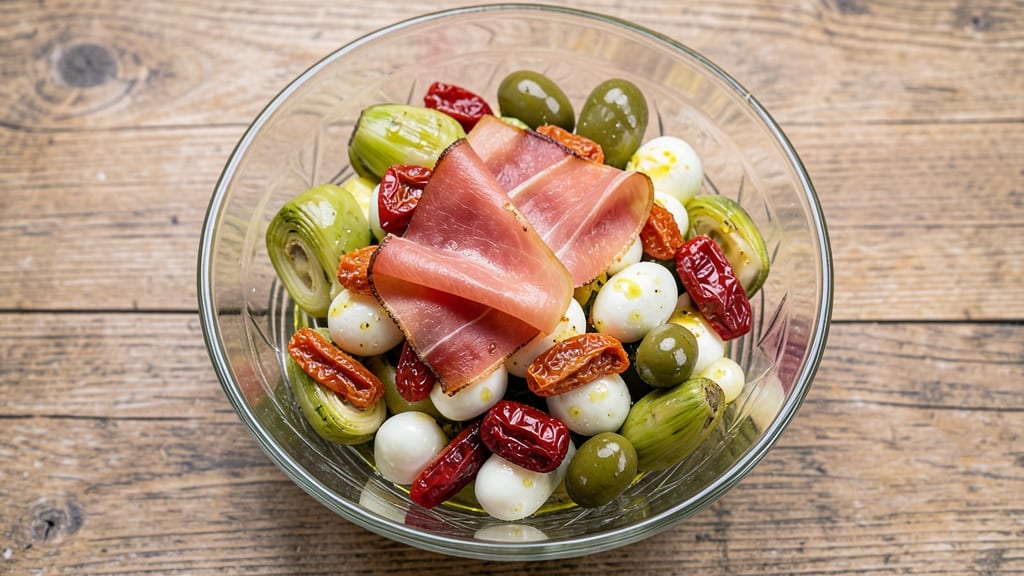
This authentic antipasto salad recipe brings the vibrant flavors of Italy to your table with traditional ingredients like prosciutto, mozzarella, and marinated artichokes.
The key to authenticity lies in balancing textures—crisp vegetables, tender meats, and briny olives—all arranged to create a visually stunning dish that tastes as good as it looks.
I developed this recipe after years of traveling through Italian markets, carefully selecting components that honor the classic antipasto experience while remaining approachable for home cooks.
The beauty of antipasto lies in its simplicity: no cooking required beyond roasting peppers and assembling with fresh ingredients. Prosciutto adds a delicate saltiness, while mozzarella provides creamy contrast, and sun-dried tomatoes bring a deep, concentrated sweetness.
Roasted red peppers add a smoky richness that ties everything together. The result is a salad that's as satisfying as it is elegant, perfect for gatherings or a light yet flavorful meal.
What sets this antipasto salad apart is its authentic Italian roots, achieved through careful ingredient selection and traditional preparation methods.
The components are arranged in layers—crunchy vegetables at the base, cured meats and cheeses in the middle, and fresh herbs on top—to create a dish that's both visually appealing and bursting with flavor.
Every bite delivers a harmonious blend of textures and tastes, from the salty bite of prosciutto to the creamy pull of mozzarella.
Serve this antipasto salad as a refreshing appetizer or a light main course, garnished with a drizzle of high-quality olive oil and a sprinkle of fresh basil. The dish is easily customizable—swap in your favorite cured meats or seasonal vegetables—while still maintaining its authentic Italian essence.
Let's bring a taste of Italy to your kitchen with this timeless recipe.
Ingredients for authentic antipasto salad
Sixteen ingredients that capture the essence of Italy's most beloved antipasto tradition.
| Ingredient | Amount | Notes |
|---|---|---|
| Prosciutto di Parma 🥓 | 6 oz | Thinly sliced, high-quality preferred |
| Fresh Mozzarella 🧀 | 1 lb | Whole ball, cut into bite-sized pieces |
| Marinated Artichoke Hearts 🍃 | 1 jar | High-quality, oil-packed preferred |
| Roasted Red Peppers 🌶️ | 1 jar | Oil-packed, drained well |
| Sun-Dried Tomatoes 🍅 | ½ cup | Oil-packed, sliced |
| Kalata Olives 🫒 | 1 cup | Pitted, preferably green |
| Fresh Basil Leaves 🌿 | ½ cup | Torn, not chopped |
| Extra-Virgin Olive Oil 🫒 | ½ cup | High-quality, fruity |
| Red Wine Vinegar 🍷 | 2 tbsp | For dressing |
| Diamond Crystal Kosher Salt 🧂 | 1 ½ tsp | For seasoning |
| Freshly Ground Black Pepper 🌶️ | ½ tsp | Freshly cracked |
| Red Bell Pepper 🧅 | 1 whole | Roasted, skin removed |
| Cucumber 🥒 | 1 whole | English, thinly sliced |
| Red Onion 🧅 | 1 whole | Thinly sliced |
The foundation of an authentic antipasto lies in its ingredients—each must be of the highest quality to honor Italian tradition. Prosciutto di Parma should be thinly sliced and sourced from specialty markets or trusted Italian delis, where you'll find the authentic, unadulterated product. Fresh mozzarella from a local dairy or Italian specialty store is non-negotiable—pre-shredded versions lack the creamy texture and authentic flavor. For marinated artichokes and roasted red peppers, Mutti or La Valle brands are excellent choices, offering consistent quality and authentic Italian taste. Kalata olives, with their distinctively briny flavor, elevate the dish beyond typical green olives—seek them out at Mediterranean markets or specialty grocers like Whole Foods or Eataly.
No prosciutto? High-quality salami or soppressata can substitute, though the flavor profile will differ. Fresh mozzarella unavailable? Burrata or fresh burrata offers a similar creamy texture, though it's pricier. For sun-dried tomatoes, Trader Joe's offers excellent oil-packed options that are easy to find. The roasted red peppers can be homemade by roasting a red bell pepper over an open flame, then peeling and slicing. For the dressing, balsamic glaze can replace red wine vinegar if you prefer a sweeter touch. Kalata olives hard to find? Castelvetrano olives provide a similar briny punch. The cucumber and red onion should be crisp—English cucumbers are ideal for their lack of seeds.
Fresh mozzarella and basil should be used within 2 days for optimal texture and flavor. The prosciutto and cured meats keep for up to 2 weeks in the fridge, while marinated artichokes and roasted peppers remain fresh for up to 3 months when stored in their oil. For presentation, assemble the salad just before serving to maintain crispness. This dish is best enjoyed immediately after assembly, though the components can be prepped separately and arranged within 30 minutes of serving. Leftovers, if any, should be consumed within 1 day—the mozzarella and basil won't hold their texture beyond that.
Why You'll Love This Recipe
- No Chopping Needed: I swear, the only knife work here is slicing the mozzarella—and even that’s optional if you buy pre-sliced. Everything else? Store-bought jars, cured meats, and pre-marinated artichokes. Honestly, I’ve made this while scrolling through emails.
- Salty-Sweet Magic: That first bite of salty prosciutto, briny artichokes, and sweet sun-dried tomatoes? It’s like a flavor explosion in your mouth. The mozzarella’s creaminess ties it all together—no fancy dressing needed.
- Party in a Bowl: Serve it at game day, brunch, or even as a side for dinner. Between us, I’ve used it to impress guests, pack for picnics, and feed my book club without stress. It’s the one dish that always gets eaten first.
- Leftovers? Better Than New: This salad actually tastes better the next day—yes, really. The mozzarella firms up slightly, the prosciutto gets even more flavorful, and the artichokes soak up any leftover dressing. I’ve had it for lunch three days in a row, and no one complained.
Step-by-step instructions for authentic antipasto salad
This classic Italian spread delivers bold flavors and perfect textures—every element matters.
Prepare the Fresh Vegetable Base
Begin by roasting the red bell pepper over an open flame or under a broiler for 3-4 minutes until the skin blisters and chars in spots. Immediately wrap it in plastic wrap and let it steam for 10 minutes, then peel off the skin and remove the seeds. This technique concentrates the pepper's natural sweetness while adding smoky depth.
Next, thinly slice the cucumber and red onion using a mandoline or sharp knife for even, paper-thin pieces. Arrange them on a platter and sprinkle immediately with 1 teaspoon of the kosher salt—this draws out excess moisture, preventing a soggy salad. Let them sit for 15 minutes while you prepare the remaining components, then pat dry with paper towels for crisp texture.
Assemble the Cured and Marinated Components
Drain the marinated artichoke hearts and roasted red peppers thoroughly, patting them dry with paper towels to remove excess oil. Arrange them on the platter alongside the cucumber and onion, spacing them evenly for visual appeal. The artichokes should be whole or halved lengthwise, while the peppers can be sliced into ½-inch strips for bite-sized pieces.
Lay out the 6 oz prosciutto di Parma in a loose, slightly overlapping arrangement—this creates an elegant visual while ensuring each serving gets a generous portion. The thin slices should fan out naturally without crowding the other components. For the sun-dried tomatoes, slice them into ¼-inch strips and scatter them over the prosciutto for bursts of tangy sweetness.
Add the Kalata Olives and Fresh Mozzarella
Spread the 1 cup Kalata olives evenly across the platter, alternating green and black varieties if available. Their briny intensity contrasts beautifully with the milder components. For the mozzarella, cut the 1 lb ball into 1-inch cubes—larger pieces hold their shape better and provide satisfying texture with each bite.
Arrange the mozzarella cubes in a loose cluster near the center of the platter, leaving space around them. This creates a natural focal point while maintaining the salad's balanced composition. The fresh mozzarella's creamy texture will complement the crisp vegetables and salty cured meats perfectly when combined with the dressing.
Create the Signature Dressing
In a small bowl, whisk together the ½ cup extra-virgin olive oil, 2 tablespoons red wine vinegar, 1 teaspoon kosher salt, and ½ teaspoon freshly ground black pepper. The ratio of oil to vinegar is critical—this balance delivers bright acidity without overpowering the delicate flavors. Taste and adjust seasoning, adding a pinch more salt or pepper if needed.
Just before serving, drizzle the dressing lightly over the entire platter, focusing on the vegetables and mozzarella while avoiding the prosciutto to prevent it from becoming soggy. The dressing should coat the components lightly, enhancing their natural flavors rather than overwhelming them. Tear the ½ cup fresh basil leaves and scatter them over the top for a final touch of aromatic freshness.
Final Presentation and Serving
Gently rearrange any components that may have shifted during preparation, ensuring the platter maintains its balanced composition. The antipasto should look abundant yet harmonious, with each element visible and accessible. Serve immediately while the mozzarella remains fresh and the vegetables retain their crisp texture.
This authentic antipasto delivers the perfect balance of textures—crisp vegetables, creamy mozzarella, salty prosciutto, and briny olives—all unified by the bright dressing. The key to success lies in proper preparation and timing, particularly the salting of vegetables and the careful arrangement of components. Each bite should offer a symphony of Italian flavors, from the smoky roasted peppers to the delicate prosciutto.
Pro Tips For Making Authentic Antipasto Salad
- Drain Artichokes Properly: The jarred marinated artichoke hearts come swimming in oil and vinegar—don’t just dump them in. Drain them, then pat them dry with a paper towel, especially the stems. Wet artichokes make the salad soggy within 30 minutes, and nobody wants a mushy antipasto.
- Slice Mozzarella Thin: Fresh mozzarella’s texture is everything—too thick, and it’s rubbery; too thin, and it disappears. Aim for ¼-inch slices, then tear them slightly at the edges so they soften evenly. Skip pre-shredded; it’s always been a crime against Italian cuisine.
- Rest Prosciutto Before Tearing: That beautiful Parma prosciutto? Don’t tear into it straight from the fridge. Let it sit at room temp for 10-15 minutes—it becomes pliable and tears cleanly into delicate ribbons. Cold prosciutto snaps like brittle paper, and you’ll end up with uneven, chewy bits.
- Toss Dressing Last: You’re building layers here, not a wet salad. Assemble everything—meats, cheeses, veggies—then drizzle the dressing (olive oil, balsamic, maybe a splash of lemon) just before serving. Otherwise, the prosciutto gets soggy, and the mozzarella turns to mush within an hour. Trust the process.
Regional styles of this recipe
Northern Italian Style
In Northern Italy, antipasto salads often feature lighter, more delicate ingredients that highlight the region's love for fresh dairy and cured meats.
Swap the Kalata olives for Ascolana olives, a smaller, meatier variety from the Marche region, and add fresh ricotta pearls (available at Italian specialty stores) for a creamy contrast.
Use speck alpin instead of prosciutto di Parma—its nutty, smoky flavor pairs beautifully with the region's heartier vegetables like shaved fennel and radicchio. Finish with a drizzle of honey-infused olive oil for a touch of sweetness that's characteristic of Northern Italian antipasti. 🌿
Southern Italian Twist
Southern Italy brings bold, briny flavors to antipasto with ingredients like caponata, a sweet-and-sour eggplant relish, and anchovies for umami depth. Replace the mozzarella with buratta or caciocavallo cheese, which holds up better to the region's more aggressive flavors.
Add marinated capers and cherry tomatoes for acidity, and include crispy fried calamari rings for texture. The dressing should be more robust—mix extra-virgin olive oil with aged balsamic vinegar and a pinch of red pepper flakes for heat. 🌶️
Tuscan Farmhouse Style
Tuscany's antipasto salads reflect the region's rustic, hearty traditions with ingredients like pecorino cheese (Tuscan sheep's milk cheese) and wild boar salami. Replace the prosciutto with finocchiona salami, a fennel-infused pork sausage, and add roasted eggplant slices for earthy depth.
Use black olives from Gaeta for their intense, briny flavor. The dressing should be simple—just extra-virgin olive oil, Tuscan sun-dried tomatoes, and a touch of aged balsamic vinegar. Top with fresh rosemary sprigs for an aromatic finish. 🌟
Venetian Market Style
Venetian antipasto salads often include seafood elements, reflecting the region's coastal location. Add seared scallops or grilled shrimp alongside the prosciutto, and include marinated sardines for a salty, umami kick. Swap the Kalata olives for Venetian-style green olives (often stuffed with anchovies).
Use radicchio and endive leaves for bitter contrast, and finish with a drizzle of lemon-infused olive oil and a sprinkle of fresh parsley. The presentation should be abundant and slightly messy, reflecting the lively, bustling markets of Venice. ✨
Sicilian Sun-Dried Focus
Sicily's antipasto salads emphasize sun-dried ingredients due to the island's Mediterranean climate. Replace the roasted red peppers with sun-dried eggplant strips and add salted almonds for crunch.
Use Sicilian anchovy fillets instead of olives, and include cubed fresh ricotta mixed with chopped pistachios and a drizzle of orange blossom honey. The dressing should be a mix of extra-virgin olive oil, Sicilian lemon juice, and a pinch of crushed fennel seeds.
Finish with fresh mint leaves for a bright, citrusy note. 🍊
Nutrition facts
Frequently asked questions
Can I make this antipasto salad ahead of time?
Prep the components separately and store them in the fridge for up to 24 hours. Assemble only 30 minutes before serving to keep the mozzarella fresh and vegetables crisp. The dressing should be made fresh to prevent sogginess.
What's the best way to store leftover antipasto ingredients?
Fresh mozzarella and basil should be used immediately, but cured meats like prosciutto keep for 2 weeks in the fridge. Marinated artichokes and roasted peppers last 3 months in their oil. Store vegetables separately in airtight containers with paper towels to absorb moisture.
How do I adjust this for a vegetarian antipasto?
Replace prosciutto with marinated mushrooms or grilled eggplant, and swap mozzarella for pecorino or ricotta salata. Add roasted cherry tomatoes and white beans for heartiness. The dressing and olive-heavy components remain the same.
Why does my antipasto salad get soggy?
Sogginess happens when dressing soaks into components too long. Always pat vegetables dry and assemble last-minute. Store components separately until serving, and use minimal dressing—just enough to lightly coat.
What's the difference between antipasto salad and bruschetta?
Antipasto salad is a cold, mixed platter of cured meats, cheeses, and vegetables arranged on a platter, while bruschetta is a single topping (like tomato and basil) served on toasted bread. Both are Italian appetizers, but antipasto is more about variety and texture contrast.