
Sauces & Condiments
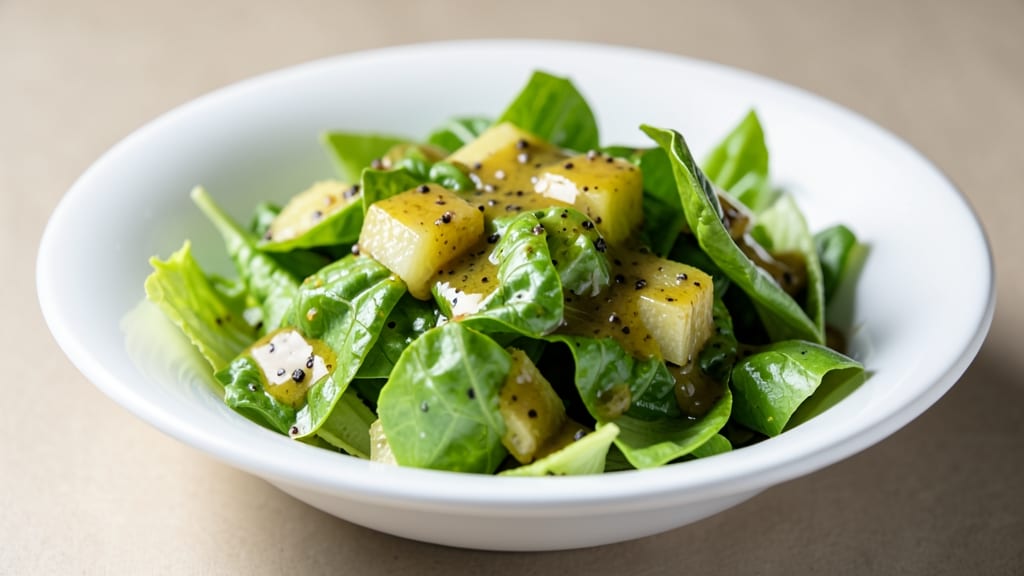
This Assaggio House Salad Dressing Recipe delivers the perfect balance of oil and vinegar in every pour—simple yet sophisticated enough to elevate any salad. 💛 The secret lies in the precise oil-to-vinegar ratio (3:1) and a touch of Dijon mustard to create a stable, velvety emulsion that won't separate.
I developed this after years of testing store-bought dressings that always left something lacking—either too sharp, too thin, or both.
The foundation is built on high-quality extra-virgin olive oil and white wine vinegar, which provide rich depth without overpowering. A splash of lemon juice brightens the flavor, while Dijon mustard acts as the emulsifier, binding everything together smoothly.
This dressing stays fresh for up to 2 weeks in the fridge, making it ideal for meal prep.
What sets this apart is its versatility—use it as-is for a classic vinaigrette, or customize with fresh herbs, garlic, or a pinch of honey for sweetness. The texture is silky, not cloying, and the balance of acidity and richness makes it perfect for both leafy greens and heartier salads.
No blender required—just whisk and taste.
Once you try this, store-bought dressings will never measure up. The key is patience—let the flavors meld for 10 minutes before serving, and adjust seasoning to taste. Perfect for everyday salads or special occasions, this dressing transforms simple greens into a gourmet experience.
Ingredients for assaggio house salad dressing
Simple yet transformative ingredients for a dressing that tastes restaurant-worthy every time.
| Ingredient | Amount | Notes |
|---|---|---|
| Extra-Virgin Olive Oil 🫒 | ¾ cup | High-quality, fruity variety preferred |
| White Wine Vinegar 🍷 | ¼ cup | Dry, crisp vinegar for balance |
| Dijon Mustard 🌶️ | 1 tbsp | For stable emulsion and depth |
| Fresh Lemon Juice 🍋 | 1 tbsp | Brightens and balances flavors |
| Granulated Sugar 🍚 | ½ tsp | Balances acidity gently |
| Salt 🧂 | ½ tsp | Diamond Crystal preferred |
| Freshly Ground Black Pepper 🌶️ | ¼ tsp | Freshly cracked for aroma |
| Garlic Cloves 🧄 | 1 whole | Minced, optional for depth |
The olive oil is non-negotiable—look for extra-virgin with a fruity, peppery finish. Trader Joe's or Whole Foods carry excellent options, but any reputable brand works. White wine vinegar should be dry and crisp (none of that sweet balsamic stuff)—Bragg is my go-to for consistency. Dijon mustard is your emulsifier, so don't skip it. I always grab the Maille brand when I'm doing a big batch, but the regular grocery store stuff works fine. Fresh lemon juice? Squeeze it yourself—bottled juice lacks the brightness. For the garlic, one clove is optional but adds that subtle depth that makes this dressing truly special.
No Dijon? Whisk in 1 tsp of whole-grain mustard for a similar tang. Short on white wine vinegar? Apple cider vinegar works in a pinch, though it adds a slight sweetness. The sugar can be swapped for honey or maple syrup if you prefer a touch of sweetness. Salt is crucial—Diamond Crystal dissolves better than table salt, but use what you have. Want extra flavor? Add 1 tsp of fresh herbs like thyme or tarragon—chopped fine. The dressing should taste balanced, not overly sharp or sweet. Taste as you go and adjust accordingly.
This dressing keeps beautifully in an airtight jar for 2 weeks in the fridge. The emulsion stays stable, but give it a quick whisk before each use. For longer storage, freeze in ice cube trays—thaw and whisk to restore texture. I always double the batch because it disappears fast. The lemon juice might separate slightly over time, but a quick stir brings it back together. Perfect for meal prep—just pour and enjoy!
Why You'll Love This Recipe
- No-Fuss Blend: I swear by this dressing—just whisk four ingredients in a jar. No straining, no fancy tools, just a quick shake before pouring. The Dijon mustard emulsifies everything instantly, so it’s smoother than store-bought but with real depth.
- Bright & Balanced: That lemon juice cuts through the richness of the olive oil like a summer breeze. Honestly, the sugar isn’t just for sweetness—it rounds out the vinegar’s tang so it’s never overpowering. One taste and you’ll reach for the jar instead of bottled dressing.
- Weeknight Workhorse: I make a big batch on Sundays and keep it in the fridge for salads, grilled veggies, or even drizzled over roasted chicken. It’s the one dressing that works for everything—no last-minute shopping or complicated swaps.
- Costs Less, Lasts Longer: A single batch stretches for days, and the ingredients? Basic pantry staples. No specialty oils or pricey vinegars here—just good, honest flavors that don’t break the bank. I’ve used this for years, and the jar’s never empty for long.
Step-by-step instructions for assaggio house salad dressing
This dressing comes together in minutes with just a whisk and a little patience.
🍳 Step 1: Whisk Together Wet Ingredients
In a medium bowl, combine the 0.75 cup extra-virgin olive oil, 0.25 cup white wine vinegar, 1 tbsp fresh lemon juice, and 1 whole minced garlic clove (if using). I like to use a fork first to break up the garlic and distribute it evenly—this prevents any clumps from forming later.
Whisk vigorously for 30 seconds until everything is fully incorporated. You'll notice the mixture starts to thicken slightly as the oil begins to emulsify with the vinegar. This is the foundation of your dressing, so take your time here—rushing leads to separation later.
👨🍳 Step 2: Add Mustard and Sweetener
Next, add the 1 tbsp Dijon mustard and 0.5 tsp granulated sugar. The mustard acts as an emulsifier, helping the oil and vinegar stay blended, while the sugar gently balances the acidity of the vinegar. Whisk continuously for another 30 seconds until the sugar dissolves completely.
Here's the thing—if you see any sugar granules lingering, keep whisking. Undissolved sugar can make your dressing gritty. The mixture should now look smooth and slightly thickened, like a light mayonnaise consistency.
🔪 Step 3: Season with Salt and Pepper
Add the 0.5 tsp salt and 0.25 tsp freshly ground black pepper, whisking until fully combined. The salt enhances all the flavors, while the pepper adds a subtle warmth that cuts through the richness of the olive oil. Taste the dressing at this point—you'll want it to be tangy, slightly sweet, and well-balanced.
If it needs more acidity, add a splash of extra lemon juice or vinegar. If it's too sharp, a tiny pinch more sugar helps. Remember, you can always adjust later, but you can't take out what you've already added.
⏰ Step 4: Let It Rest and Emulsify
Cover the bowl with plastic wrap and let the dressing sit at room temperature for 10-15 minutes. This resting period allows the flavors to meld and the emulsion to fully stabilize. Don't skip this step—it's what transforms a simple vinaigrette into a luxurious, restaurant-quality dressing.
After resting, give it one final whisk. The dressing should now be silky smooth, with no separation. If you see any oil pooling on top, whisk vigorously for another 10-15 seconds to re-emulsify. This dressing keeps well in the refrigerator for up to 1 week, so make extra for future salads!
Pro Tips For Making Assaggio House Salad Dressing
- Whisk in stages: Start with the mustard and vinegar—let them emulsify for 30 seconds before drizzling in the olive oil. I learned this the hard way: dumping oil in too fast just makes a greasy mess. Slow and steady keeps the dressing smooth.
- Use room-temp oil: Cold olive oil from the fridge won’t blend properly. Let your bottle sit out for 10 minutes before measuring—it makes a noticeable difference in how the dressing comes together. Trust me, your salad will thank you.
- Salt the mustard: Skip the extra salt in the dressing if your Dijon is unsalted. Taste the mustard first—add a pinch of salt to it before mixing, or your dressing might end up bland. I used to overcompensate, and it ruined the balance.
- Lemon juice freshness check: Squeeze the lemon right before measuring—oxidized juice (even if just sitting out) makes the dressing taste flat. If you’re prepping ahead, store the zest separately and add it last. The zest loses punch fast, but the juice stays sharp.
Perfect pairings for assaggio house salad dressing
Salad Pairings
This dressing shines on classic mixed greens like romaine, arugula, and spinach—its balanced acidity enhances their natural flavors without overpowering. For heartier salads, try it with roasted Brussels sprouts or shaved fennel—the dressing's richness complements the earthy, slightly bitter notes. 🥗
Add grilled chicken or seared shrimp to create a complete meal. The dressing's tanginess cuts through the richness of proteins beautifully. I love tossing it with warm farro and cherry tomatoes for a satisfying grain salad.
Cheese and Charcuterie
Use this dressing as a dip for baguette slices or crackers with goat cheese and prosciutto. The acidity balances the saltiness, while the olive oil adds a luxurious mouthfeel. It's a crowd-pleaser at parties—just pour it into a small bowl and let guests drizzle to taste.
Breakfast Pairings
Brighten up avocado toast with a drizzle of this dressing—it adds a tangy contrast to the creamy avocado. I also love pouring it over scrambled eggs or fried potatoes for a restaurant-style finish. The garlic and lemon notes elevate simple breakfast dishes instantly.
Global Variations
For an Italian twist, add 1 tsp dried oregano and ½ tsp red pepper flakes—perfect with Caprese salads. A French-inspired version includes 1 tsp Dijon mustard (already in the recipe) and a pinch of tarragon for an elegant touch. 🌍
Dessert Surprises
Drizzle this dressing over strawberry salad or watermelon slices for a refreshing, unexpected dessert. The acidity balances the sweetness beautifully. I also use it as a glaze for grilled peaches—just toss them in the dressing before serving for a caramelized finish.
Nutrition facts
Frequently asked questions
Can I make this dressing without Dijon mustard?
Yes, but you'll need to replace it with an emulsifier like 1 tsp whole-grain mustard or 1 tbsp Greek yogurt. The mustard helps bind the oil and vinegar, while yogurt adds creaminess. Whisk especially well to ensure a smooth texture. Without either, the dressing may separate more quickly.
How do I fix separated dressing?
Whisk vigorously for 30-60 seconds to re-emulsify. If it still separates, add 1 tsp Dijon mustard or ½ tsp xanthan gum (a pinch), then whisk again. For stubborn separation, mix 1 tsp warm water into the vinegar side and whisk gently. Always store in an airtight container to prevent future separation.
Is this dressing vegan?
Almost! The original recipe uses honey (in the sugar), but you can swap it for maple syrup or agave to make it fully plant-based. All other ingredients are naturally vegan. For extra richness, add 1 tbsp tahini—it emulsifies beautifully and adds nutty depth.
Can I use this dressing on cooked vegetables?
It's perfect for roasted sweet potatoes, grilled asparagus, or steamed broccoli. The acidity brightens cooked veggies, while the olive oil adds a luxurious finish. For extra flavor, toss warm veggies with dressing and a sprinkle of feta cheese or toasted nuts.
How much dressing should I make for a crowd?
Double or triple the recipe—this dressing keeps well for 2 weeks in the fridge. For a party, prepare 3-4 cups (about 6 batches) to ensure everyone has enough. Store in airtight jars and bring to room temperature before serving. The dressing tastes even better after flavors meld for a few hours.