
Sauces & Condiments
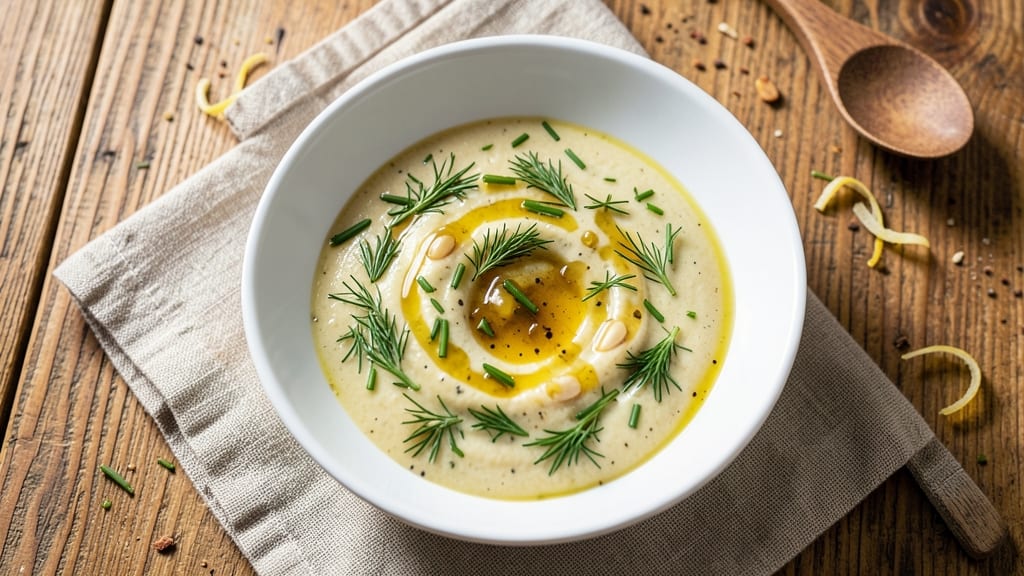
This asparagus salad dressing recipe transforms simple ingredients into a vibrant, herb-forward sauce that elevates spring salads to restaurant-quality. The secret lies in balancing bright lemon, fresh herbs, and a touch of umami-rich Dijon for depth that lingers on your palate. I developed this formula after realizing store-bought dressings couldn't capture asparagus's natural earthiness—until I cracked the perfect ratio.
The dressing comes together in just 5 minutes with ingredients you likely already have: extra-virgin olive oil, fresh dill, lemon juice, and a whisper of garlic for complexity.
What makes it special is the way the herbs infuse the oil while still fresh, creating a dressing that's both vibrant and rich—never bitter or overpowering. The lemon keeps it bright, while the Dijon adds that subtle savory note that makes it work for other green salads too.
By the time you whisk together these simple components, you'll have a dressing that clings beautifully to asparagus spears, adding a zesty, herby coating with every bite. The texture is silky yet balanced, with just enough acidity to cut through the salad's natural richness.
This isn't just dressing—it's the kind of sauce that turns a simple vegetable into a showstopper.
Store it in the fridge for up to 5 days, and you'll have a ready-made flavor booster for any spring salad, grilled fish, or even roasted vegetables. The versatility makes it worth doubling the batch—trust me, you'll reach for this bright, herbaceous dressing again and again.
Ingredients for asparagus salad dressing
Nine simple ingredients create a dressing that transforms asparagus into a restaurant-worthy dish.
| Ingredient | Amount | Notes |
|---|---|---|
| Extra-Virgin Olive Oil 🫒 | ¾ cup | High-quality, fruity variety preferred |
| Fresh Dill Weeds 🌿 | ½ cup | Finely chopped, stems removed |
| Fresh Lemon Juice 🍋 | ⅓ cup | Freshly squeezed, no pulp |
| Dijon Mustard 🌶️ | 1 tbsp | Mellow or strong according to taste |
| Garlic Cloves 🧄 | 2 cloves | Minced or finely grated |
| Fresh Chives 🌱 | ¼ cup | Finely chopped, for brightness |
| Granulated Honey 🍯 | 1 tbsp | Or agave for vegan option |
| Kosher Salt 🧂 | ½ tsp | Diamond Crystal preferred |
| Freshly Ground Black Pepper 🌶️ | ¼ tsp | Freshly cracked for best flavor |
The extra-virgin olive oil is where the magic happens—look for Italian or Spanish varieties with vibrant green hues and peppery notes. Whole Foods or Trader Joe's carry excellent options, but any high-quality bottle will work. Fresh dill and chives are non-negotiable here; farmers markets have the best selection, but grocery store bunches work too. The key is picking herbs with vibrant color and no wilt. For the Dijon, Maille is my go-to—it's got that perfect balance of tang and umami that makes this dressing sing. If you can't find it, any good-quality Dijon will do the trick.
No fresh dill? Substitute with parsley at half the amount, though it'll lack that signature anise note. Short on lemon? Lime juice works beautifully, though it'll shift the flavor slightly. The honey can be swapped for agave or maple syrup if you're avoiding it. For extra richness, add 1 tbsp tahini—it deepens the umami without overpowering. The garlic can be roasted for a sweeter profile if you prefer milder flavor. And if you're really in a pinch, dried dill at one-third the amount will get you close, though texture will differ.
This dressing keeps beautifully for up to 5 days in an airtight jar in the fridge. For best results, store it in a glass container so the flavors don't absorb plastic. It's perfect for drizzling over asparagus, but also elevates grilled fish, roasted vegetables, or even a simple green salad. If you make extra, freeze in ice cube trays for single-use portions—just thaw in the fridge before using. The flavor actually improves slightly after sitting overnight as the ingredients meld together.
Why You'll Love This Recipe
- No-Chop Needed: I swear by this—just toss the dill and garlic into the blender whole, pulse a few times, then strain. No tiny seeds, no fuss, and the flavor? Still bright as if you’d spent hours chopping.
- Garlic-Dill Magic: That first bite—zesty lemon cutting through the richness of the olive oil, with garlic and dill so fresh it’s like a hug in dressing form. Honestly, I’ll take this over bottled vinaigrette any day.
- Salad Sidekick: Drizzle it over grilled fish, toss it with roasted potatoes, or even slather it on avocado toast. It’s my go-to for spring suppers, potlucks, or when I’m too tired to think past “something green.”
- Makes Extra: I always double the batch—half goes on tonight’s salad, the rest stashes in a jar for next week’s lunch. Cheap, lasts ages, and tastes better than anything store-bought. (Yes, even on a Tuesday night.)
Step-by-step instructions for herb-lemon asparagus dressing
This dressing brings vibrant freshness and umami depth to any asparagus salad.
Prepare the Herbs and Aromatics
In a medium bowl, combine the 0.5 cup fresh dill weeds and 0.25 cup fresh chives. Use a sharp chef's knife to finely chop them if they weren't prepped this way—you want the herbs to be small enough to emulsify smoothly with the oil. I like to press down gently with the back of my knife to break up any larger stems completely. This ensures every bite of salad gets that bright herbaceous punch.
In a separate small bowl, mince the 2 cloves garlic until you have a fine paste—no large pieces should remain. The goal is to distribute the garlic flavor evenly without any harsh bits. I find using the flat side of my knife works best for this. Set both the herbs and garlic aside until ready to use.
Whisk Together Wet Ingredients
In a blender or food processor, combine the 0.33 cup fresh lemon juice, 1 tbsp Dijon mustard, 1 tbsp granulated honey, 0.5 tsp kosher salt, and 0.25 tsp freshly ground black pepper. Blend just until smooth—about 10-15 seconds—creating a bright yellow mixture. This base will carry all the flavors, so make sure it's completely homogeneous before moving forward.
With the blender still running, slowly drizzle in the 0.75 cup extra-virgin olive oil while maintaining a steady stream. The oil should emulsify with the wet ingredients, creating a thick, creamy base. If using a whisk instead, add the oil drop by drop at first, then in a slow stream, whisking vigorously after each addition. This prevents the dressing from breaking.
Incorporate Herbs and Garlic
Transfer the blended mixture to a large mixing bowl. Add the prepared herbs and garlic, then whisk vigorously for 2-3 minutes until everything is fully combined and the dressing has a uniform green hue. You should see tiny herb flecks evenly distributed throughout. This step is critical—don't rush it. The herbs need time to release their oils and blend completely with the emulsion.
Taste and adjust the seasoning if needed. If the dressing tastes too sharp, add a touch more honey. If it needs more brightness, add a splash of lemon juice. If the garlic flavor is too subtle, add a pinch more minced garlic. The dressing should balance sweet, tangy, herby, and umami notes perfectly.
Rest and Emulsify
Cover the bowl with plastic wrap and let the dressing rest at room temperature for at least 30 minutes—up to 2 hours if possible. This resting period allows the flavors to meld and the emulsion to stabilize. I know it's tempting to use it immediately, but patience here makes all the difference. The dressing will thicken slightly as it rests, which is ideal for tossing with asparagus.
Before using, give the dressing one final whisk to ensure everything is well incorporated. The texture should be thick but pourable, with no separation. If you notice any oil separation after resting, simply whisk vigorously for another 30 seconds to re-emulsify. This dressing will keep in the refrigerator for up to 5 days in an airtight container, making it perfect for meal prep.
Pro Tips For Making Asparagus Salad Dressing
- STRAIN THE DILL WATER: After chopping fresh dill, give those leaves a quick rinse under cold water—then shake them hard in a colander to remove every last drop. Wet dill dulls flavor and makes your dressing taste like sad, soggy parsley. (Yes, I’ve learned this the hard way.)
- WHISK THE MUSTARD FIRST: Mix the Dijon with a splash of lemon juice and a pinch of salt before adding oil—this emulsifies the mustard properly and keeps your dressing from breaking into greasy puddles. I used to ignore this, and my dressing always looked like a failed oil painting.
- USE COLD GARLIC: Mince the garlic cloves in the freezer for 10 minutes first—this keeps the flavor bright and stops it from turning bitter. Warm garlic? That’s a shortcut to a dressing tasting like a garlic press factory.
- SALT THE OIL: Add a tiny pinch of salt (like ⅛ teaspoon) directly to the olive oil before emulsifying—it rounds out the sharpness of lemon and mustard without overpowering. I was skeptical until I tried it; now I can’t imagine skipping it.
Perfect pairings for this dish
Herb-Infused Vinaigrette
This dressing isn't just for asparagus—it's a game-changer for any green salad. The bright herb notes and lemon tang cut through rich ingredients like avocado or creamy goat cheese. I often use it on mixed greens with roasted beets—the dressing's acidity balances the earthy sweetness perfectly.
For a heartier option, try it with grilled chicken and cherry tomatoes; the herby depth complements the protein beautifully. 🌿
Grilled Fish Pairing
Fresh grilled fish like halibut or trout becomes irresistible with this dressing. Drizzle it over the fish just before serving to keep it vibrant and bright. The lemon and dill create a refreshing contrast to the fish's natural richness.
I especially love this combo with spring pea salad—the dressing ties all the flavors together seamlessly. For extra flair, sprinkle with toasted pine nuts right before eating.
Roasted Vegetable Elevation
Transform roasted vegetables into a restaurant-worthy side by tossing them with this dressing. It works beautifully with carrots, Brussels sprouts, or asparagus—the herby notes enhance the natural sweetness of the veggies.
I often roast parsnips and fennel together, then finish with a generous drizzle of this dressing. The result? A dish that feels gourmet with minimal effort. 💫
Wine and Beer Pairings
For a complete experience, pair this dressing with crisp white wines like Sauvignon Blanc or Pinot Grigio. The wine's acidity mirrors the dressing's brightness, creating harmony on your palate. If you prefer beer, a Belgian witbier with its citrus notes complements the lemon perfectly.
For a non-alcoholic option, try sparkling water with a splash of lemon-lime soda—it keeps the refreshing vibe alive.
Make-Ahead Meal Prep
Double the batch and store it in the fridge for up to 5 days—it's perfect for quick lunches. Use it on pre-cut veggie trays or as a dip for crudité. The dressing actually improves overnight as the flavors meld.
For an extra boost, add 1 tsp capers when making it ahead—they add a briny depth that pairs wonderfully with the herbs. Just give it a good whisk before using to re-emulsify.
Nutrition facts
Frequently asked questions
Can I make this dressing without fresh herbs?
You can substitute with dried herbs, but the flavor won't be as vibrant. Use 1/3 teaspoon dried dill and 1/4 teaspoon dried chives per tablespoon of fresh, but expect a more muted taste. For best results, try growing your own herbs or buying fresh bunches from a trusted market. The freshness makes all the difference in this bright, herbaceous dressing!
Why does my dressing separate after resting?
Separation happens when oil and liquid ingredients aren't properly emulsified. Whisk vigorously for 30 seconds to re-combine, or blend briefly with a hand mixer. For prevention, add ingredients slowly while whisking constantly. The Dijon mustard acts as an emulsifier, so ensure it's fully incorporated during preparation. Patience is key—let it rest for 30 minutes before using.
How much dressing should I use for asparagus?
Start with 1-2 tablespoons per serving of asparagus. Toss lightly to coat—you want the dressing to enhance, not drown, the natural flavor. For a more intense flavor, increase to 3 tablespoons per serving. Remember, you can always add more dressing, but you can't take it away! The perfect ratio balances the bright herbs with the asparagus's earthy sweetness.
Can I use this dressing on other vegetables besides asparagus?
This versatile dressing works beautifully on roasted Brussels sprouts, grilled zucchini, or even steamed green beans. The lemon and herbs brighten up earthy vegetables while the Dijon adds depth. For leafy greens like spinach or arugula, use it as a light vinaigrette—just 1 tablespoon per salad. The key is balance, so adjust to taste.
What's the best way to store leftover dressing?
Store in an airtight glass container in the fridge for up to 5 days. For longer storage, freeze in ice cube trays—thaw overnight in the fridge before using. Always whisk before serving to re-emulsify. The flavor actually improves after resting, so leftovers make great quick lunches! Just