
Side Dishes
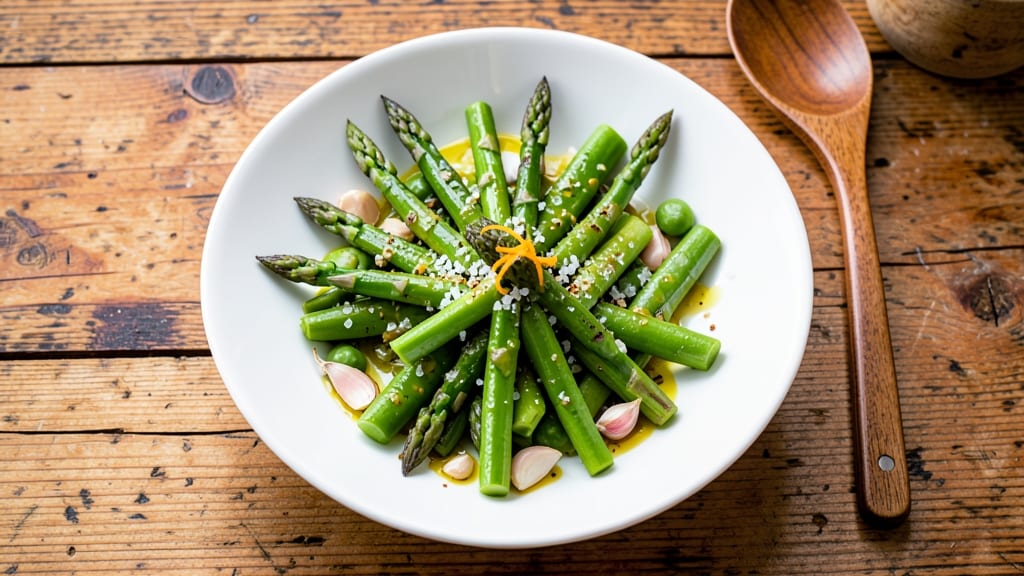
This asparagus and snow pea salad delivers crisp-tender bites that balance freshness with vibrant citrus flavors—perfect for elevating any meal. The secret lies in blanching asparagus just until bright green and snapping snow peas for that signature crunch.
I developed this recipe after realizing how often store-bought salads lack texture and brightness, so I focused on techniques that preserve freshness while adding depth.
What makes this salad special is the bright citrus dressing—a zesty blend of lemon, garlic, and olive oil that cuts through the vegetables without overpowering their natural flavors.
The key is timing: blanching the asparagus for exactly 1 minute ensures it stays tender-crisp, while the snow peas add a satisfying snap. This dish is vegetarian-friendly, packed with protein from the peas, and ready in 15 minutes—ideal for weeknight dinners or spring entertaining.
By the time you plate this salad, you’ll have a visually striking dish with vibrant green hues and contrasting textures—tender asparagus, crisp snow peas, and a glossy dressing that ties everything together.
The lemon-garlic dressing not only enhances flavor but also keeps the vegetables fresh-tasting, even after sitting for a bit. Serve it as a side to grilled chicken or fish, or let it shine as a light main course on its own.
For extra flair, top with toasted sesame seeds or thinly sliced red onion, but keep it simple if you prefer the natural flavors to stand out. This salad proves that vegetarian dishes can be just as satisfying as their meat-heavy counterparts—bold, fresh, and full of texture. Let’s get started!
Ingredients for asparagus and snow pea salad
Fresh asparagus, snappy snow peas, and a zesty citrus dressing make this salad vibrant and full of texture.
| Ingredient | Amount | Notes |
|---|---|---|
| Asparagus Spears 🌱 | 1 lb | Medium thickness, trimmed ends |
| Snow Peas 🌿 | 1 ½ cups | Fresh, unshelled, snapping required |
| Extra-Virgin Olive Oil 🫒 | ¼ cup | Light, fruity variety preferred |
| Fresh Lemon Juice 🍋 | ⅓ cup | About 1 large lemon, freshly squeezed |
| Garlic Cloves 🧄 | 3 cloves | Fresh, minced or finely grated |
| Diamond Crystal Kosher Salt 🧂 | ½ tsp | For seasoning and dressing |
| Freshly Ground Black Pepper 🌶️ | ¼ tsp | Freshly cracked preferred |
| Toasted Sesame Seeds 🌰 | 1 tbsp | For garnish, optional but recommended |
| Red Onion 🧅 | ¼ cup | Thinly sliced, for garnish |
| Honey 🍯 | 1 tbsp | Raw preferred for delicate flavor |
| Fresh Dill 🌿 | ¼ cup | Chopped, for garnish |
| Ice Water 💧 | 4 cups | For blanching asparagus |
The asparagus and snow peas are the stars here—look for bright green, firm asparagus spears with tightly closed tips, and plump, fresh snow peas that snap easily. Whole Foods or local farmers markets usually have the best quality, but any grocery store's produce section will do if you pick carefully. For the asparagus, trim the woody ends by snapping them off (they'll break naturally at the tender spot)—no need for a knife. The snow peas should be fresh, not wilted, and you'll snap them in half yourself for that signature crunch. If you're prepping ahead, store them separately in airtight containers with paper towels to absorb moisture.
No fresh dill? Substitute with chopped parsley or basil—just know it'll have a slightly different flavor profile. Running low on honey? Agave nectar works in a pinch, though it has a more neutral taste. For the dressing, if you don't have Diamond Crystal kosher salt, any fine sea salt will do—just taste as you go. The garlic can be roasted for a milder flavor if you prefer, and the lemon juice can be zested for extra brightness. If you're prepping the dressing ahead, store it separately from the vegetables until ready to serve to keep everything crisp. The sesame seeds can be swapped for toasted sunflower seeds if you're avoiding gluten.
This salad keeps best when assembled right before serving—the asparagus stays crispest when blanched last-minute. If prepping ahead, store the blanched asparagus and raw snow peas separately in the fridge for up to 2 days, and keep the dressing in a sealed container. The toasted sesame seeds and red onion can be prepped a day ahead and stored in the fridge. When ready to serve, quickly blanch the asparagus for 1 minute in boiling water, then shock in ice water to stop cooking. The snow peas should be snapped in half just before tossing with the dressing to maintain their crunch. This dish reheats poorly, so enjoy it fresh!
Why You'll Love This Recipe
- No-Cook Core: I swear by this when I’m too tired to heat up the oven—just trim the asparagus, snap the snow peas, and toss. The garlic gets a quick mincing while the oil warms (if you’re feeling fancy), but honestly? I’ve done it straight from the fridge to the bowl with zero prep.
- Bright & Crispy Magic: That lemon-zest punch cuts through the richness of the olive oil, while the garlic adds this just-right bite. The snow peas stay snappy, and the asparagus? Perfectly al dente—no mushy ends, no overcooked disappointment.
- Picnic to Potluck: Between us, this is my go-to for office lunches (packs like a dream) and summer BBQs (elevates any spread). Add grilled chicken or toss in chickpeas for extra protein—it’s the blank canvas I didn’t know I needed.
- Budget Bright Spot: Fresh asparagus and snow peas might sound fancy, but they’re cheaper than takeout and way healthier. A single lemon and a head of garlic stretch across multiple meals, and leftovers? Still taste fresh three days later—no sad wilted greens here.
Step-by-step instructions for asparagus and snow pea salad
Here's how to transform fresh spring vegetables into a vibrant, restaurant-quality salad.
Blanch the Asparagus Spears
Fill a large pot with the 4 cups ice water and bring to a rolling boil over high heat. While waiting, trim the tough ends from the 1 lb asparagus spears by snapping them at their natural break points—this ensures even cooking and perfect texture. When the water boils vigorously, add the asparagus and cook for exactly 1 minute and 30 seconds until bright green and just tender when pierced with a knife.
Immediately drain in a colander and plunge into an ice bath to stop the cooking process. This quick blanching preserves their vibrant color and crisp-tender texture. Let them drain completely before proceeding—any excess water will dilute your dressing later. I like to spread them on a kitchen towel to absorb moisture thoroughly.
Blanch and Prepare the Snow Peas
Return the same pot of water to a boil and add the 1.5 cups snow peas. Blanch for exactly 1 minute until they remain bright green but still retain a satisfying crunch. Drain immediately and refresh in the ice bath alongside the asparagus. This dual blanching ensures both vegetables reach perfect doneness simultaneously.
While the peas cool, snap off the fibrous ends and discard. The peas should be vibrant green with a slight snap when bitten. If you're using fresh peas, this blanching step is crucial—it removes any bitterness while maintaining their signature crunch. Don't skip it, even if they look perfect raw.
Create the Bright Citrus Dressing
In a small bowl, whisk together the 0.25 cup extra-virgin olive oil, 0.33 cup fresh lemon juice, 1 tbsp honey, 0.5 tsp diamond crystal kosher salt, and 0.25 tsp freshly ground black pepper. The honey should dissolve completely into the oil, creating a silky emulsion. Add the 3 cloves minced garlic and stir until fully incorporated.
Taste the dressing and adjust seasoning—you want it bright, tangy, and slightly sweet with just a hint of garlic's punch. The dressing should coat the back of a spoon but remain pourable. I find that letting it sit for 5 minutes before using allows the flavors to meld perfectly. This dressing is the heart of your salad, so don't rush this step.
Assemble the Salad
In a large mixing bowl, gently combine the blanched asparagus spears and snow peas. Add the dressing in a slow stream while tossing with tongs to ensure even coating. The vegetables should glisten with the citrus dressing but not appear soggy. If the dressing seems too thick, add 1-2 tablespoons of ice water to loosen it slightly.
Divide the salad among 4 serving plates. Garnish each portion with 1 tablespoon toasted sesame seeds, 1 tablespoon chopped fresh dill, and 2 tablespoons thinly sliced red onion. The sesame seeds add a nutty crunch, the dill brings fresh herbal notes, and the red onion adds a subtle sharpness that cuts through the richness.
Serve Immediately for Peak Freshness
Serve the salad immediately while still chilled from the ice bath. The contrast of crisp-tender vegetables with the bright citrus dressing creates a perfect balance of textures and flavors. Each bite should deliver the satisfying crunch of blanched vegetables, the tangy sweetness of the dressing, and the aromatic finish from the fresh herbs.
For best results, serve within 15 minutes of assembly. The flavors will continue to develop slightly as they sit, but the ideal texture window is narrow. This salad makes an excellent light lunch or refreshing side dish for grilled meats. The blanching technique ensures you get that coveted crisp-tender texture without sacrificing freshness.
Pro Tips For Making Asparagus And Snow Pea Salad
- CHAR ASPARAGUS FIRST: Blanch the asparagus for exactly 1 minute in boiling salted water—no longer, or it’ll turn limp and sad. I used to rush this step and end up with mushy spears that ruined the salad’s crunch.
- TRIM PEAS CLEANLY: Snap off the stems where they naturally break, then give the pods a quick rinse under cold water to remove any hidden dirt or sand. My grandmother swore by this, and she was right: dirty peas make the whole dish taste off.
- USE MINCED GARLIC: Finely mince the garlic cloves (not just chopping them roughly) so they distribute evenly through the salad. I was skeptical until I tried it—now I can taste the garlic in every bite without it being overpowering.
- DRESS JUST BEFORE SERVING: Toss the salad with the lemon juice and olive oil right before eating, not hours ahead. The asparagus will stay vibrant and crisp, and the lemon won’t turn the snow peas mushy. (Yes, even if you’re impatient like me.)
Common mistakes when making your asparagus and snow pea salad
Overcooking Vegetables
Blanching asparagus for more than 1 minute 30 seconds turns them mushy instead of crisp-tender. I’ve ruined countless salads by leaving them in too long—always use a timer and test with a knife for tenderness. Snow peas should never soften; they’re meant to stay snappy. 🌱
Skipping the Ice Bath
After blanching, vegetables continue cooking in hot water. Skipping the ice bath means asparagus will turn limp and peas will lose their crunch. I learned this the hard way—now I keep a bowl of ice water ready before starting. The shock stops cooking instantly, preserving texture.
Using Stale Ingredients
Wilted asparagus or dried-out snow peas make any salad sad. Always choose bright green, firm vegetables with no soft spots. I check asparagus by bending it—if it snaps, it’s fresh.
Snow peas should be plump and vibrant, not shriveled. Store-bought peas often need a quick soak in cold water to revive them.
Overdressing the Salad
Dumping all the dressing at once makes vegetables soggy. Instead, add it gradually while tossing. I use tongs to coat each piece evenly—this keeps the salad vibrant, not drowned. If dressing pools at the bottom, it’s too much. Start with 2 tablespoons per serving and adjust.
Ignoring the Garnishes
Sesame seeds, dill, and red onion aren’t just decoration—they add layers of flavor. Skipping them means missing out on nutty crunch, fresh herbal notes, and sharp contrast. I always toast the sesame seeds in a dry pan for 30 seconds to enhance their aroma. Fresh garnishes elevate even simple salads.
Serving Too Late
This salad loses its magic after 15 minutes. The asparagus softens and dressing absorbs into vegetables. I serve it immediately after tossing, straight from the ice bath. For parties, assemble plates right before guests arrive—trust me, the texture difference is noticeable.
Nutrition facts
Frequently asked questions
Can I use frozen snow peas instead of fresh?
Fresh snow peas are ideal for that signature snap, but you can use frozen peas in a pinch. Thaw them completely first, then blanch for 1 minute to refresh their texture. Frozen peas may release more moisture, so drain them very well and pat dry before assembling the salad. The flavor won't be quite as vibrant, but it'll still taste delicious.
How do I adjust this recipe for a larger group?
Double all ingredients for 8 servings, but keep the blanching times the same. Use two large pots for blanching to maintain perfect texture. For the dressing, whisk in a larger bowl and adjust seasoning to taste—you may need an extra ½ teaspoon salt for the increased volume. Serve immediately to prevent sogginess.
What if I don't have fresh dill for garnish?
No problem! Swap dill for chopped parsley or basil—both work beautifully. For extra flavor, try thinly sliced mint or cilantro if you prefer. The key is to use fresh herbs for that bright, aromatic finish. If you're avoiding herbs entirely, omit them or use toasted pumpkin seeds for crunch instead.
Can I make this salad ahead of time?
For best texture, assemble it just before serving. However, you can prep components ahead: blanch asparagus and snap peas, store separately in airtight containers for up to 2 days, and make the dressing separately. When ready to serve, quickly refresh the vegetables in ice water and toss with dressing. The garnishes can be prepped a day ahead too.
Is this salad gluten-free?
Yes, this recipe is naturally gluten-free! Just ensure your sesame seeds are certified gluten-free (some brands process in shared facilities). The dressing ingredients are all gluten-free, and the vegetable base contains no hidden gluten. Always double-check labels for any potential cross-contamination if you're highly sensitive.