
Sauces & Condiments
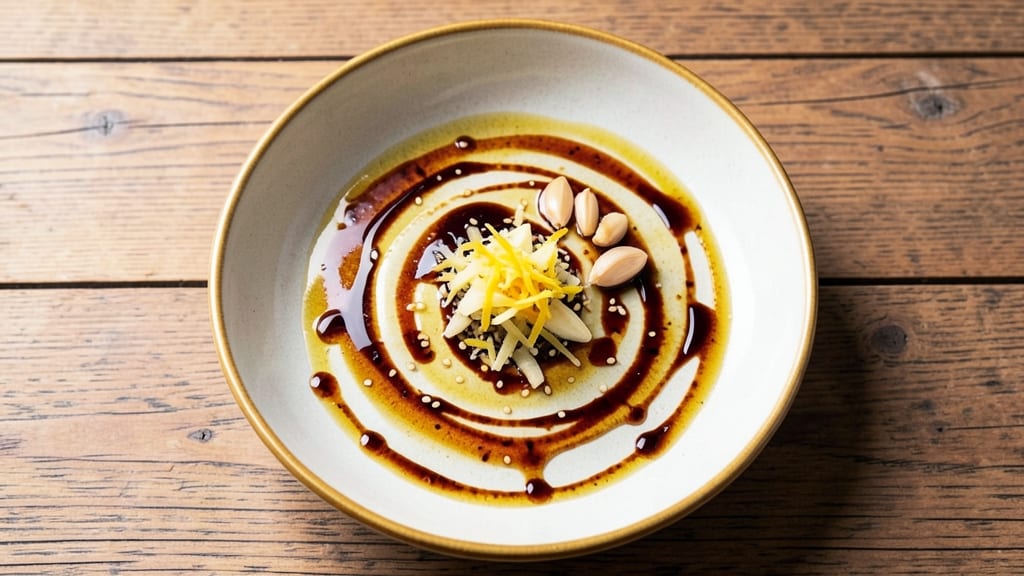
This Asian vinaigrette salad dressing recipe transforms ordinary greens into an umami-rich experience with just five simple ingredients. The balance of rice vinegar, sesame oil, and soy sauce creates a tangy, savory dressing that clings perfectly to every leaf.
I developed this after craving the bold flavors of Asian cuisine in my salads—it’s become my go-to for adding depth without overpowering delicate greens.
The foundation starts with a 3:1 ratio of oil to vinegar, where toasted sesame oil adds nutty richness and rice vinegar provides bright acidity. A splash of low-sodium soy sauce introduces umami, while freshly grated ginger and minced garlic infuse warmth.
This dressing stays fresh for up to a week in the refrigerator, making it ideal for meal prep.
What makes this recipe special is its versatility—drizzle it over mixed greens, toss with noodles, or use it as a marinade for grilled proteins. The flavors meld beautifully with cucumbers, shredded carrots, and crispy fried shallots, creating a perfect harmony of textures and tastes.
It’s the kind of dressing that elevates simple ingredients into something extraordinary.
For an extra layer of complexity, stir in a teaspoon of honey or maple syrup to balance the acidity, or add a dash of chili flakes for heat.
Whether you’re prepping for a week of lunches or dressing a quick weeknight salad, this Asian vinaigrette delivers restaurant-quality flavor with minimal effort.
Ingredients for asian vinaigrette salad dressing
Five core ingredients create this umami-packed dressing—simple yet transformative for any salad.
| Ingredient | Amount | Notes |
|---|---|---|
| Toasted Sesame Oil 🫒 | ½ cup | High-quality, nutty flavor preferred |
| Rice Vinegar 🍶 | 0.17 cup | Unseasoned, mild acidity |
| Low-Sodium Soy Sauce 🥢 | 2 tbsp | For umami depth without salt overload |
| Fresh Ginger 🌿 | 1 tbsp | Finely grated, aromatic |
| Garlic Cloves 🧄 | 2 cloves | Minced, for subtle garlic warmth |
| Honey or Maple Syrup 🍯 | 1 tsp | Optional, for acidity balance |
| Red Chili Flakes 🌶️ | ½ tsp | Optional, for subtle heat |
| Salt 🧂 | ¼ tsp | Adjust to taste |
The sesame oil is non-negotiable here—Kadoya brand or La Choy from the Asian aisle deliver the best nutty depth. Rice vinegar should be unseasoned; Miyoko's or Sushi Rice Vinegar are reliable choices. For the soy sauce, low-sodium options like Kikkoman prevent over-salting. Fresh ginger and garlic? Buy them pre-peeled from the produce section to save time. The optional honey or maple syrup balances acidity beautifully—local honey adds floral notes, while maple syrup keeps it neutral.
No sesame oil? Toasted peanut oil or walnut oil works in a pinch, though flavor will differ. Substitute apple cider vinegar for rice vinegar, but reduce by half since it's more acidic. Short on fresh ginger? Powdered ginger at one-third the amount adds warmth without moisture. Garlic powder lacks complexity, but if needed, use one teaspoon of garlic powder instead of two cloves. For heat, gochugaru or sriracha can replace chili flakes—just adjust to taste. The salt is flexible, but don't skip it entirely; it rounds out the flavors.
This dressing keeps for up to 1 week in an airtight jar in the fridge. For longer storage, freeze in ice cube trays, then transfer to a bag—perfect for single servings. Shake before each use to redistribute settled ingredients. The flavors actually improve after 24 hours as everything melds. Double the batch and store one jar in the pantry for quick salads; the acidity preserves it for up to 3 months unopened.
Why You'll Love This Recipe
- No Chopping Needed: I swear by this—just mince a tiny bit of ginger and garlic, then whisk. That’s it. No dicing, no peeling mountains of veggies, just pure, fast flavor.
- Umami Bomb: The combo of toasted sesame oil and low-sodium soy sauce? It’s like a flavor grenade—bright, savory, and just a little addictive. One taste and you’ll reach for it every time.
- Weeknight Magic: Drizzle this over greens for a 10-minute dinner, toss it with cold noodles for lunch, or even use it as a marinade. It’s my secret weapon for meals that feel fancy but take zero effort.
- Pantry Staple Power: Honestly, I make a big batch and keep it in the fridge. Uses up basic ingredients you already have, and it lasts forever. Budget-friendly, zero waste, and always ready when I am.
Step-by-step instructions for Asian vinaigrette salad dressing
This umami-rich dressing balances nutty, tangy, and aromatic flavors perfectly.
Prepare the Aromatics
In a small bowl, finely grate the 1 tablespoon fresh ginger using a microplane or fine grater. The zest should be bright yellow and aromatic—this is when you know it's ready. In the same bowl, carefully mince the 2 cloves garlic into a fine paste using a sharp knife. I press down firmly with the blade to release the juices, which helps distribute the garlic flavor evenly throughout the dressing.
Set these aside temporarily. The goal here is to maximize surface area for better flavor infusion. If you're using a food processor, pulse briefly just until minced—don't purée it completely. Over-processing releases bitter compounds from garlic that can overpower the delicate balance we're creating.
Whisk Together the Base Ingredients
In a medium bowl, combine the 0.167 cup rice vinegar, 2 tablespoons low-sodium soy sauce, 1 teaspoon honey or maple syrup, 0.5 teaspoon red chili flakes, and 0.25 teaspoon salt. Whisk vigorously for about 30 seconds until these ingredients are fully dissolved and the salt completely disintegrates. This step ensures even distribution of flavors before adding the oils.
Taste the mixture at this stage—it should be tangy, slightly sweet, and just beginning to develop umami depth. If you're using honey, the dressing will have a subtle floral note; maple syrup adds a deeper caramel complexity. Adjust the sweetness or acidity slightly now if needed, but remember we'll be balancing it with the nutty sesame oil next.
Gradually Incorporate the Toasted Sesame Oil
With the whisk moving continuously, very slowly drizzle in the 0.5 cup toasted sesame oil. Start with just a few drops at first, then gradually increase the flow as you whisk. This gradual approach creates an emulsified dressing rather than a separated one. You're looking for a smooth, velvety texture that coats the back of a spoon.
Continue whisking for another 1-2 minutes after all the oil is incorporated. The dressing should now have a rich, golden hue with visible flecks of chili and garlic. If it appears too thick, add 1-2 teaspoons of warm water to reach your desired consistency. The oil should be fully emulsified—no visible separation when you let the whisk rest for a moment.
Add the Aromatics and Final Adjustments
Gently fold in the prepared ginger and garlic mixture using a rubber spatula. This prevents overmixing which could break the emulsion. Taste again and make any final adjustments—perhaps a pinch more salt for depth, or a splash more vinegar if you prefer more tang. The dressing should now have a perfect balance of sweet, sour, umami, and subtle heat.
Transfer to a clean jar or airtight container. This dressing will keep in the refrigerator for up to 1 week, though I find it's best used within 3-4 days when the flavors are at their peak. Give it a good shake before each use, as the natural separation that occurs over time will re-emulsify quickly with agitation. This dressing elevates any green salad, grain bowls, or even as a marinade for grilled proteins.
Pro Tips For Making Asian Vinaigrette Salad Dressing
- Grind the Ginger Fine: I used to throw in random chunks of ginger and wonder why the dressing tasted uneven. Use a microplane or fine grater—you want it almost paste-like, not just shreds. This releases the flavor and blends smoothly without clumping.
- Toast the Garlic Low: Skip the high-heat charring—it burns fast and turns bitter. Instead, warm the minced garlic in the sesame oil over the lowest possible heat for 30 seconds, just until fragrant. You’ll taste the sweetness, not the smoke.
- Balance the Vinegar Gradually: Don’t dump all the rice vinegar in at once. Start with half, taste, then add more a teaspoon at a time. The dressing should brighten, not overwhelm—especially if you’re using strong soy sauce.
- Chill Before Using: Make the dressing at least 15 minutes ahead and refrigerate. The flavors meld better when cold, and it thickens slightly, coating greens more evenly. (Yes, I know you’re eager—just trust the wait.)
Creative variations of this recipe
Sesame-Ginger Twist
For a bolder flavor profile, boost the ginger to 2 tablespoons and add 1 teaspoon of toasted sesame seeds at the end. The seeds add crunch and visual appeal, while extra ginger deepens the aromatic warmth.
I find this works beautifully with shredded cabbage salads or cucumber-based dishes where texture matters. 🌿
Peanut Powerhouse
Swap ½ cup toasted sesame oil for ¼ cup creamy peanut butter (unsweetened) and add 1 tablespoon of peanut oil to maintain the oil-to-vinegar ratio. Stir in 1 teaspoon of lime juice and ½ teaspoon of smoked paprika for a Thai-inspired twist.
This version pairs perfectly with grilled chicken salads or rice noodle bowls.
Miso-Infused Depth
Replace 2 tablespoons soy sauce with 1 tablespoon white miso paste and reduce the vinegar to ⅓ cup to balance the saltiness. The miso adds a fermented umami that elevates the dressing to next-level complexity.
I recommend using Miyoko’s white miso for its clean, delicate flavor. This works exceptionally well with warm grain salads or roasted vegetable platters.
Spicy Chili-Lime
Add 1 tablespoon of lime juice and 1 teaspoon of chili crisp (like Lao Gan Ma) to the base before emulsifying. The lime brightens the dressing while the chili crisp adds smoky heat.
This variation is perfect for summer salads or as a dipping sauce for spring rolls. For extra zing, top with toasted cumin seeds before serving. 🌶️
Sweet & Smoky
Increase the honey or maple syrup to 2 teaspoons and add ½ teaspoon of liquid smoke. This creates a caramelized, slightly smoky dressing that pairs wonderfully with grilled meats or charred vegetables.
The sweetness balances the acidity while the smoke adds depth. I love using this on avocado salads or grilled corn platters.
Herb-Forward Refresh
Stir in 1 tablespoon of finely chopped cilantro and 1 teaspoon of fish sauce (like Red Boat) for a Vietnamese-inspired twist. The cilantro adds freshness, while the fish sauce deepens the umami.
This version shines with rice paper rolls or herb-heavy salads. For extra brightness, add ½ teaspoon of lime zest at the end. ✨
Nutrition facts
Frequently asked questions
Can I make this dressing without sesame oil? Yes, but the flavor will change significantly. Try substituting with toasted peanut oil or walnut oil for a similar nutty profile. For a lighter option, use avocado oil, though it lacks the toasted depth. Just
How do I prevent the dressing from separating?
Emulsification is key! Always whisk the vinegar and seasonings first, then slowly drizzle in the oil while whisking continuously. For extra stability, add 1 teaspoon of mustard or 1 teaspoon of xanthan gum to the vinegar mixture before emulsifying. Shake well before each use to recombine any separated layers.
What's the best way to store leftover dressing?
Keep it in an airtight jar in the fridge for up to 1 week. For longer storage, freeze in ice cube trays, then transfer to a bag. Thaw overnight in the fridge—never at room temperature. The flavors actually improve after 24 hours as everything melds together beautifully.
Can I use this dressing on non-salad dishes?
This versatile dressing works as a marinade for grilled chicken or tofu, a dipping sauce for spring rolls or dumplings, or even a flavor enhancer for stir-fries or noodle bowls. The umami balance makes it perfect for Asian-inspired dishes beyond salads.
Why does my dressing taste too salty?
Low-sodium soy sauce can still be salty—taste as you go! If needed, dilute with 1-2 teaspoons of water or add a splash more vinegar to balance. For future batches, reduce soy sauce by ½ teaspoon and add ½ teaspoon of coconut aminos for umami without extra salt.