
Salads
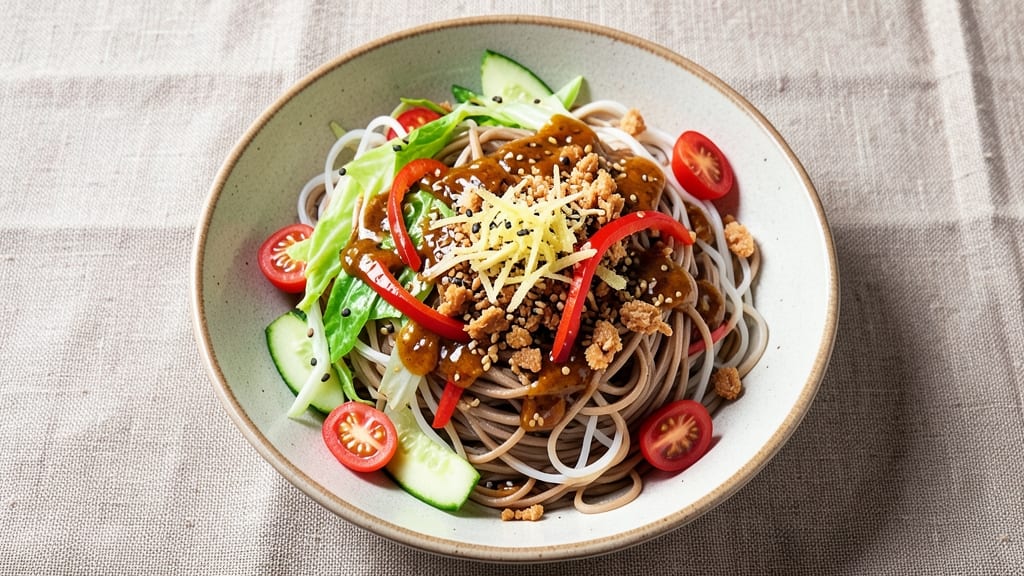
This Asian sesame noodle salad recipe delivers nutty-tangy crunch in just 15 minutes—perfect for a quick, vegetarian-friendly lunch that tastes like a restaurant takeout. The secret lies in balancing toasted sesame oil, fresh herbs, and crisp vegetables with chewy soba or rice noodles, all tossed together for maximum flavor.
I developed this version after testing countless combinations, ensuring every bite delivers that signature umami-packed sesame dressing without overpowering the fresh ingredients.
The beauty of this dish is its versatility—it works as a light main course or a refreshing side, and the dressing can be adjusted to suit your spice preference.
While traditional recipes often call for warm noodles, I prefer mine cold for that satisfying crunch, but you can easily swap to warm if you prefer.
The key is in the prep: cook the noodles al dente, rinse them in cold water to stop the cooking, and let them cool before tossing with the vibrant dressing and toppings.
What you’ll end up with is a harmonious blend of textures—slippery noodles, crisp vegetables, and crunchy toppings—all coated in a glossy sesame dressing that’s rich yet balanced.
The aroma of toasted sesame and fresh ginger will fill your kitchen, while the bright flavors of cilantro, green onions, and lime keep it fresh and invigorating. This salad is the ideal balance of comfort and freshness, making it a go-to for busy weekdays or lazy weekends.
Serve it chilled for a refreshing bite or at room temperature for a more comforting meal. The best part? It keeps well in the fridge for up to 3 days, so you can meal prep ahead and enjoy this flavorful dish all week long.
Ready to transform simple ingredients into something extraordinary? Let’s get started.
Ingredients for asian sesame noodle salad
Quick, fresh ingredients for a restaurant-style sesame noodle salad with bold flavors.
| Ingredient | Amount | Notes |
|---|---|---|
| Soba Noodles 🍜 | 8 oz | Dried, buckwheat or 100% soba |
| Rice Noodles 🍚 | 8 oz | Alternative to soba, uncooked |
| Toasted Sesame Oil 🫒 | ¼ cup | High-quality, nutty aroma |
| Fresh Ginger 🧅 | 2 tbsp | Grate finely, fresh preferred |
| Lime Juice 🍋 | ¼ cup | Freshly squeezed, seeds removed |
| Soy Sauce 🥢 | ¼ cup | Low-sodium preferred |
| Sesame Seeds 🌾 | 2 tbsp | Toasted, for garnish |
| Fresh Cilantro 🌿 | ½ cup | Chopped, stems removed |
| Green Onions 🧅 | ¼ cup | Sliced thin, white and green parts |
| Red Bell Pepper 🍅 | 1 whole | Thinly sliced, seeds removed |
| Carrot 🥕 | 1 whole | Julienned or thinly sliced |
| Edamame 🌱 | ½ cup | Shelled, frozen or fresh |
| Sesame Dressing Base 🥄 | ½ cup | Store-bought or homemade |
| Maple Syrup 🍯 | 1 tbsp | Pure, for subtle sweetness |
| Salt 🧂 | ½ tsp | Kosher or sea salt |
The noodles are the foundation—soba for authentic texture or rice noodles for a lighter bite. Koyo or King Soba brands are my go-to for buckwheat noodles, but any dried soba works. If you're short on time, Trader Joe's has pre-cooked rice noodles that save 5 minutes. For the sesame oil, look for 100% pure—the cheap stuff tastes like paint thinner. Fresh ginger is a must here; pre-grated loses flavor fast, so grab a small knob and zest it yourself. The lime juice should be freshly squeezed—bottled just doesn't cut it for this dish.
No sesame seeds? Toasted peanuts or crushed cashews work in a pinch, though they change the texture. Swapping the bell pepper for shredded cabbage or cucumber keeps it crunchy but lighter. The edamame can be skipped if you're avoiding soy, but substitute shelled peas for a similar protein boost. For extra heat, add a dash of Sriracha or chili crisp—start with 1/2 tsp and adjust. The dressing can be made ahead; store it in a jar in the fridge for up to 5 days. If you're using rice noodles, soak them in warm water for 10 minutes before rinsing—they thicken as they cool, so don't over-soak.
This salad tastes even better the next day—flavors meld beautifully when chilled. Store leftovers in an airtight container with a paper towel pressed on top to keep the noodles from getting soggy. It keeps well for 3 days in the fridge, making it perfect for meal prep. For extra crunch, add toppings like crispy fried shallots or sesame crackers right before serving. The dressing separates slightly when refrigerated—just give it a quick shake before using.
Why You'll Love This Recipe
- No Boil Fuss: I swear by the cold-soak method—just toss those soba and rice noodles in warm water for 10 minutes, then drain. No stove, no waiting, no sticky mess. The texture? Perfectly chewy without overcooking.
- Umami Bomb: That toasted sesame oil? It’s the magic. One drizzle and suddenly you’ve got nutty, toasty depth with zero effort. Pair it with fresh ginger and lime, and you’ve got a balance that’s bright, zesty, and impossible to resist.
- Lunchbox Hero: Between us, this salad keeps perfectly for days. Pack it in jars for work or school—no soggy bottoms, just layers of flavor that taste fresh even after three days. (Yes, even on a Tuesday night.)
- Budget Flex: I make this for under $5 a serving, and it feeds four. Swap in whatever veggies are on sale, use leftover chicken or tofu, and suddenly you’ve got a meal that’s both filling and wallet-friendly. No guilt, all satisfaction.
Step-by-step instructions for Asian sesame noodle salad
Here's how to assemble this vibrant, nutty-tangy salad with crisp textures and bold flavors.
Cook the Noodles Just Right
Bring a large pot of water to a rolling boil and add the 8 oz soba noodles and 8 oz rice noodles together. Cook for 6-8 minutes until noodles are tender but still have a slight bite—this prevents mushiness. The noodles should float and be bright in color, not translucent. Drain immediately in a colander and rinse briefly under cold water to stop cooking. Shake off excess water and transfer to a large mixing bowl.
I always cook soba and rice noodles together—they complement each other perfectly, with soba's earthy flavor balancing rice noodles' mild sweetness. Don't overcook or they'll turn into a gluey mess. The slight bite ensures they hold up well in the salad without becoming soggy.
Prepare the Crunchy Vegetable Mix
While the noodles cook, thinly slice the 1 whole red bell pepper (remove seeds first) and julienne the 1 whole carrot using a peeler or sharp knife. Thinly slice the 0.25 cup green onions and chop the 0.5 cup fresh cilantro. Add these to a separate bowl along with the 0.5 cup edamame (if using frozen, thaw first). Toss lightly with 1 tablespoon toasted sesame oil to help the flavors meld.
The key here is uniform texture—everything should be similar in size so it all cooks evenly when tossed with the dressing. If using frozen edamame, I recommend thawing and patting dry first to prevent excess moisture in the salad. This vegetable mix adds the essential crunch that makes this salad so satisfying.
Make the Nutty-Tangy Dressing
In a small bowl, whisk together the 0.5 cup sesame dressing base, 0.25 cup soy sauce, 0.25 cup lime juice, 1 tablespoon maple syrup, and 0.5 teaspoon salt. Thin with 1-2 tablespoons water if needed to reach a pourable consistency. The dressing should coat the back of a spoon but still be light enough to drizzle.
This is where the magic happens—the balance of sweet (maple syrup), salty (soy sauce), tangy (lime), and umami (sesame dressing) creates that signature Asian flavor profile. Taste as you go and adjust—more lime for brightness, more maple syrup for sweetness, or a pinch more salt for depth. I like to let the dressing sit for 5 minutes before using so flavors meld.
Combine Everything with Care
Add the cooked noodles and vegetable mix to the bowl with the dressing. Gently toss everything together with clean hands or tongs until everything is evenly coated. The noodles should absorb the dressing but still maintain their individual shapes. If the salad seems dry, add 1-2 teaspoons water to loosen it up.
I always work quickly at this stage to prevent the noodles from re-absorbing moisture. The goal is a harmonious mix where every bite has tender noodles, crisp vegetables, and that perfect dressing ratio. Taste and adjust seasoning—you might need a touch more soy sauce for saltiness or lime for tang.
Garnish and Serve Immediately
Transfer the salad to serving plates and sprinkle with 2 tablespoons toasted sesame seeds and any remaining fresh cilantro. Serve while still crisp—this salad tastes best when eaten immediately after assembly. The sesame seeds add that final nutty crunch that makes this dish so special.
For extra flair, I like to drizzle a little more toasted sesame oil around the edges of the plate before serving. This adds another layer of aroma and flavor that elevates the whole dish. The contrast of warm, toasted sesame against the cool, fresh salad components creates a perfect balance of temperatures and textures.
Pro Tips For Making Asian Sesame Noodle Salad
- Rinse Soba Cold: Toss cooked soba noodles under cold water for 10 seconds—just long enough to stop the cooking and cool them fast. I used to skip this and end up with gummy, overcooked strands that ruined the salad’s texture.
- Grate Ginger Fine: Use the smallest holes on your grater for ginger—you want it almost paste-like, not chunky. I learned this the hard way when my salad tasted like a background note instead of the star.
- Toss Noodles Dry: Drain rice noodles, then shake off excess water before tossing with dressing. Wet noodles turn mushy, and no one wants a sad, limp salad. (Yes, even if you’re impatient like me.)
- Dress in Stages: Start with half the sesame oil and lime juice, toss, then add the rest—this keeps the flavors balanced instead of overwhelming. I was skeptical until I tried it; now I never go back.
Wine and beer pairings for this dish
Light White Wine
A crisp Sauvignon Blanc from New Zealand or Loire Valley is my go-to pairing—its bright acidity and citrus notes mirror the lime and ginger in the salad while cutting through the richness of the sesame dressing.
Look for wines with honeydew and grapefruit undertones that complement the edamame and bell pepper. A chilled glass (45-50°F) enhances the refreshing quality of this dish, making it perfect for warm days. 🍷
Dry Riesling
For a slightly sweeter contrast, a dry German Riesling (like Dr. Loosen "Blue Slate") adds a mineral edge that balances the salad's umami flavors. The wine's apple and peach notes harmonize with the maple syrup in the dressing, while its lingering finish keeps each bite feeling vibrant.
Serve slightly cooler than room temperature (50-55°F) to preserve its crispness and prevent it from overwhelming the dish.
Asian-Inspired Beer
If you prefer beer, a Japanese lager like Sapporo or Asahi Super Dry works beautifully—their clean, crisp profiles won’t compete with the sesame and soy flavors.
For something bolder, try a light wheat beer with a hint of citrus, like Blue Moon or Hoegaarden, which adds a subtle effervescence that cleanses the palate between bites. Keep it well-chilled (38-42°F) to highlight its refreshing qualities. 🍺
Spicy Pairing Twist
For a spicier version of the salad (add 1 tsp chili crisp to the dressing), pair with a dry rosé or Sake—both handle heat well.
A chilled Japanese sake (like Dassai Junmai) with its clean, slightly nutty profile enhances the sesame flavors while its subtle dryness balances the spice. Serve in a small ceramic cup to maintain the traditional presentation and temperature.
Non-Alcoholic Options
Don’t drink alcohol? A sparkling yuzu soda (like San Pellegrino Aranciata) or cucumber-mint infused water with a splash of lime juice works wonders. For a more substantial option, try green tea (jasmine or sencha)—its earthy notes complement the soba noodles while the cool temperature refreshes the palate.
Serve the tea lightly chilled (not ice-cold) to preserve its delicate flavors. ✨
Nutrition facts
Frequently asked questions
Can I use regular pasta instead of soba or rice noodles?
While you can substitute regular pasta, it won't have the same authentic texture or flavor. For best results, use thin rice noodles (like vermicelli) or egg noodles—just cook them 1-2 minutes less than package instructions since they'll continue cooking when tossed with the dressing. Avoid thick pasta like penne, as it won't absorb the flavors well.
How do I make this salad spicier?
Add 1-2 teaspoons chili crisp or ½ teaspoon red pepper flakes to the dressing for heat. For extra depth, stir in 1 teaspoon gochujang (Korean chili paste) or a dash of sriracha. Start with less and adjust to taste—you can always add more, but you can't take it out! The spice pairs beautifully with the nutty sesame flavors.
Why does my sesame dressing separate?
This is completely normal! The dressing separates when refrigerated because of its oil content. Just give it a good shake or whisk before using. For a smoother texture, add 1 teaspoon honey or maple syrup to help emulsify. If it's too thick, thin with 1-2 teaspoons warm water while whisking vigorously.
Can I make this ahead of time?
Yes, but with a few tricks! Prepare the dressing and chop all veggies in advance, then store separately in the fridge for up to 3 days. Cook the noodles fresh or store them in cold water (like tapioca pearls) to prevent sticking. Assemble just before serving to maintain crispness. The flavors actually improve overnight as everything melds together!
What's the best way to store leftovers?
Transfer to an airtight container and press a paper towel on top to absorb excess moisture. Store in the fridge for up to 3 days. When reheating (if needed), use the microwave for 30 seconds with a damp paper towel over the top to prevent drying. For best texture, enjoy cold or at room temperature—this salad tastes even better the next day!