
Salads
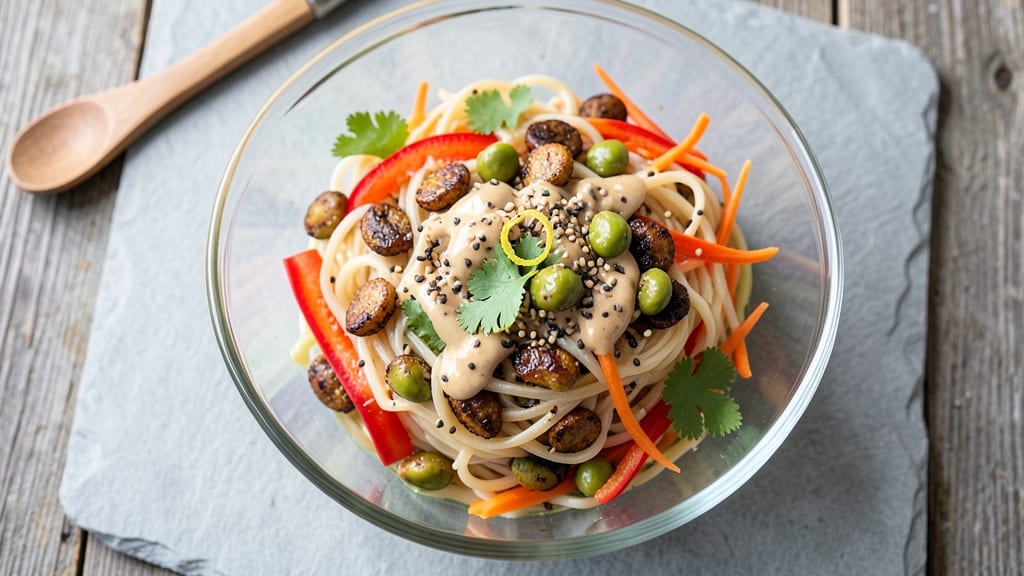
This Asian noodle salad delivers the bold, tangy flavors Pioneer Woman fans love—crispy sesame-edamame crunch over a perfectly balanced peanut dressing. The secret lies in stir-frying the edamame just until golden for that signature crunch, while the dressing's sweet-savory balance elevates every bite.
I've adapted this recipe to work with either rice noodles or soba for versatility, ensuring it's family-friendly yet restaurant-worthy.
The foundation is a simple yet impactful dressing that combines peanut butter, soy sauce, and lime for that signature tang. Cooking the edamame in a hot pan with sesame oil creates irresistible crispiness, and the noodles absorb the dressing beautifully when tossed while still warm.
This salad is packed with protein, texture, and flavor—no bland bites here.
What makes this recipe stand out is how it transforms basic ingredients into something extraordinary. The crispy sesame edamame adds a satisfying crunch, while the peanut dressing ties everything together with its rich, nutty depth.
It's the kind of dish that feels special yet comes together in minutes—ideal for meal prep or a quick weeknight dinner.
Serve it chilled for a refreshing lunch or at room temperature for a hearty dinner. The flavors only get better as it sits, making it perfect for parties or packed lunches. Let's get cooking!
Ingredients for asian noodle salad pioneer woman
These bold ingredients transform into a restaurant-quality Asian noodle salad with crispy texture and tangy depth.
| Ingredient | Amount | Notes |
|---|---|---|
| Rice Noodles 🍜 | 8 oz | Rice or soba variety preferred |
| Edamame 🌱 | 1 cup | Shelled, frozen works fine |
| Sesame Oil 🫒 | 1 tbsp | Toasted for deeper flavor |
| Peanut Butter 🥜 | ½ cup | Natural, unsweetened preferred |
| Lime Juice 🍋 | ¼ cup | Freshly squeezed for brightness |
| Soy Sauce 🥢 | ¼ cup | Low-sodium preferred |
| Sesame Seeds 🌾 | 2 tbsp | Toasted for extra crunch |
| Red Bell Pepper 🌶️ | 1 medium | Thinly sliced for texture |
| Cucumber 🥒 | 1 medium | Seedless, peeled and sliced |
| Carrot 🥕 | 1 medium | Julienned for crunch |
| Garlic Cloves 🧄 | 4 cloves | Minced for dressing |
| Honey 🍯 | 2 tbsp | For dressing sweetness |
| Sesame Seeds 🌾 | 1 tbsp | Extra for garnish |
| Salt 🧂 | ½ tsp | Kosher or sea salt |
| Black Pepper 🌶️ | ¼ tsp | Freshly ground |
The edamame is non-negotiable for that signature crunch—frozen works perfectly and saves money. Look for shelled edamame in the freezer section at Trader Joe's or Whole Foods. The sesame oil should smell nutty and toasted, not stale. For the noodles, rice or soba both work, but soba adds a subtle nutty flavor. If you can't find soba, vermicelli rice noodles are the next best thing. The red bell pepper should be firm and vibrant—avoid any with soft spots.
No sesame seeds? Toasted sunflower seeds work in a pinch, though they lack the nutty depth. Short on peanut butter? Almond butter or tahini keeps the dressing rich. The dressing's balance is key: if it tastes too sweet, add a splash more soy sauce; too salty? A touch of honey. For extra protein, toss in chopped roasted peanuts or crumbled tofu. The carrots can be left whole for extra crunch or julienned like the recipe suggests—both work.
Store the dressing separately in a sealed container for up to 5 days—it only gets better as the flavors meld. The edamame and veggies hold well for 3 days in the fridge, but the noodles soften over time, so assemble fresh if possible. For meal prep, portion the dressing and toppings separately—toss everything together just before eating to keep the crunch. This salad keeps 2 days in the fridge once fully assembled, though the texture suffers slightly after day one.
Why You'll Love This Recipe
- No Boil, No Stress: I swear by this trick—just soak the rice noodles in hot water for 10 minutes while I chop veggies. No stove, no waiting for a pot to boil, and zero cleanup. Honestly? That’s my kind of cooking.
- Peanut Butter Magic: The peanut butter isn’t just a binder—it’s the secret weapon. One spoonful turns this salad into something rich, nutty, and downright addictive. Pair it with lime juice, and suddenly you’ve got that perfect balance of creamy and bright.
- Lunchbox Hero: This salad keeps like a champ in the fridge for days, making it my go-to for packed lunches or last-minute dinners. Toss in extra edamame for protein, and you’ve got a meal that’ll hold up through even the busiest weeks.
- Budget Bright Spot: Sesame oil and peanut butter stretch this recipe far without breaking the bank. I make a big batch for under $10, and it feeds my family for days. Plus, rice noodles are cheaper than pasta—win, win.
Step-by-step instructions for crispy sesame edamame noodle salad
Here's how to create a perfectly balanced Asian-inspired noodle salad with crunchy edamame and a rich, tangy peanut dressing.
Prepare the Crispy Edamame and Vegetable Mix
Preheat your oven to 400°F. In a large bowl, combine the 1 cup shelled edamame, 2 tablespoons sesame seeds, 0.5 teaspoon salt, and 0.25 teaspoon black pepper. Toss everything together until the edamame and sesame seeds are evenly coated. Spread the mixture in a single layer on a parchment-lined baking sheet.
Roast for 12-15 minutes, stirring halfway through, until the edamame is golden brown and the sesame seeds are toasted. Watch closely during the last few minutes to prevent burning. Remove from the oven and let cool for 5 minutes—this prevents the edamame from becoming soggy when mixed with the dressing later.
Cook and Prepare the Rice Noodles
While the edamame roasts, bring a large pot of water to a rolling boil. Add the 8 ounces rice noodles and cook according to package instructions—typically 3-5 minutes—until they're tender but still slightly firm. Drain immediately and rinse under cold water to stop the cooking process and prevent sticking. Transfer the noodles to a large mixing bowl.
Add the 1 medium red bell pepper (thinly sliced), 1 medium cucumber (peeled and sliced), and 1 medium carrot (julienned) to the warm noodles. Toss gently to combine—you want the vegetables to retain some bite, not become mushy. Set the bowl aside while you prepare the dressing.
Make the Tangy Peanut Dressing
In a small saucepan, combine the 0.5 cup peanut butter, 0.25 cup soy sauce, 0.25 cup lime juice, 2 tablespoons honey, 1 tablespoon sesame oil, 4 minced garlic cloves, and 1 tablespoon water. Whisk over medium-low heat for 3-4 minutes until the mixture is smooth and fully combined.
Remove from heat and let cool for 5 minutes. The dressing should thicken slightly as it cools—if it's too thick, whisk in 1-2 teaspoons water to achieve a pourable consistency. Taste and adjust seasoning with additional lime juice for brightness or honey for sweetness if needed.
Combine Everything for Maximum Crunch
Pour the cooled peanut dressing over the noodle and vegetable mixture. Add the toasted edamame and sesame seeds, then toss everything together until the noodles are evenly coated. The dressing should cling to the noodles and vegetables without making them soggy—if it's too wet, add the edamame gradually to absorb excess liquid.
Let the salad sit for 10 minutes before serving. This allows the flavors to meld and the noodles to absorb the dressing fully. For extra crunch, sprinkle with an additional 1 tablespoon sesame seeds just before serving. The final salad should have a perfect balance of crispy edamame, tender noodles, and refreshing vegetables, all bound together by the rich, tangy peanut dressing.
Pro Tips For Making Asian Noodle Salad Pioneer Woman
- SOAK NOODLES UNTIL FLEXIBLE: I learned this the hard way—rice noodles need to be truly pliable, not just soft. Drop them in warm water (not boiling) and check after 10 minutes; they should bend easily when pinched. Over-soaking turns them mushy, but under-soaking means they’ll fight you when tossing with the dressing.
- TOAST EDAMAME FIRST: Skip the raw edamame—toss shelled pods in a dry pan over medium heat for 3-4 minutes until they smell nutty and develop tiny brown spots. This step makes the flavor pop and prevents a bland, bean-y aftertaste that can overpower the peanut dressing.
- EMULSIFY THE DRESSING: Peanut butter and lime juice? Stirring won’t cut it. Whisk in warm water (about ¼ cup) first to thin the peanut butter, then add lime juice and sesame oil slowly while whisking vigorously. This creates a silky, clingy dressing instead of a separated mess—trust me, your salad will thank you.
- USE LESS SESAME OIL: A splash is enough—just ½ teaspoon—any more and the dish tastes like perfume. Add it last after tossing everything else, so it coats the noodles lightly without overwhelming the peanut-lime base. (Yes, even if the bottle says "use generously.")
Flavor customization for asian noodle salad pioneer woman
Spicy Kick Options
Add ½ teaspoon chili flakes or 1 teaspoon Sriracha to the dressing for heat—start small, as peanut butter mellows the burn. For smoky depth, stir in 1 teaspoon gochujang (Korean chili paste) with the garlic. I love the contrast of heat with the sweet honey notes. 🌶️
Sweet Variations
Swap honey for maple syrup (same amount) for a deeper caramel note, or add 1 teaspoon grated ginger to the dressing for zesty brightness. For extra sweetness, fold in 2 tablespoons crushed peanuts—they add crunch and a nutty echo. The maple version works beautifully with soba noodles.
Umami Boosts
Stir 1 teaspoon fish sauce or 1 tablespoon soy sauce into the dressing for deeper savory layers. For a vegetarian option, add 1 tablespoon miso paste (whisked smooth). The umami richness balances the sweetness perfectly—trust me, it’s a game-changer. 💡
Herb Infusions
Toss in 2 tablespoons chopped cilantro or 1 tablespoon fresh mint for freshness. For a Thai-inspired twist, add 1 tablespoon lime zest and 1 teaspoon lemongrass paste (or finely minced fresh lemongrass). The herbs brighten the dish without overpowering the peanut flavor.
Protein Swaps
Replace edamame with crispy baked tofu (tossed in sesame oil) or grilled shrimp for extra protein. For a vegetarian option, use roasted chickpeas—toss them with the same sesame-spice mix as the edamame. The shrimp version is especially elegant for dinner parties.
Texture Play
Add ½ cup crushed roasted peanuts for extra crunch or thinly sliced jicama for a refreshing, watery crunch. For a creamy twist, fold in ¼ cup shredded coconut—it adds a tropical vibe. The texture variations keep every bite exciting. ✨
Nutrition facts
Frequently asked questions
Can I use fresh edamame instead of frozen?
Fresh edamame works, but it requires extra prep! Peel the pods first (or buy pre-shelled) and use 1.5 cups fresh to match the 1 cup frozen measurement. Fresh edamame is more delicate—roast at 375°F for 8-10 minutes instead of 400°F to prevent overcooking. The flavor is sweeter but less consistent in texture.
How do I prevent the noodles from getting soggy?
Rinse the cooked noodles immediately in cold water to stop cooking, then drain thoroughly and pat dry with a kitchen towel. Toss them with the dressing just before serving (not in advance) and keep the edamame separate until the last minute. For extra insurance, store components separately and assemble only when ready to eat.
What's the best way to store leftovers?
Store the dressing separately in an airtight container for up to 5 days—it actually improves! Keep the noodles, veggies, and edamame in another container for 3 days max. When reheating, microwave the noodles for 20-30 seconds with a splash of water to revive texture, then toss with dressing. The edamame will lose some crunch but still adds flavor.
Can I make this gluten-free?
Use tamari or coconut aminos instead of soy sauce, and verify your noodles are certified gluten-free (rice or soba noodles are typically safe). Check peanut butter labels too—some brands process in gluten-free facilities. The recipe remains 100% gluten-free with these swaps, and the flavors stay perfectly balanced.
Why does my dressing separate?
This happens when the peanut butter and liquid aren't properly emulsified. Whisk the dressing constantly while heating, then let it cool completely before adding to the salad. If it separates, whisk in 1 teaspoon water or 1 teaspoon honey to help bind it. For extra stability, blend the dressing ingredients first instead of whisking.