
Salads
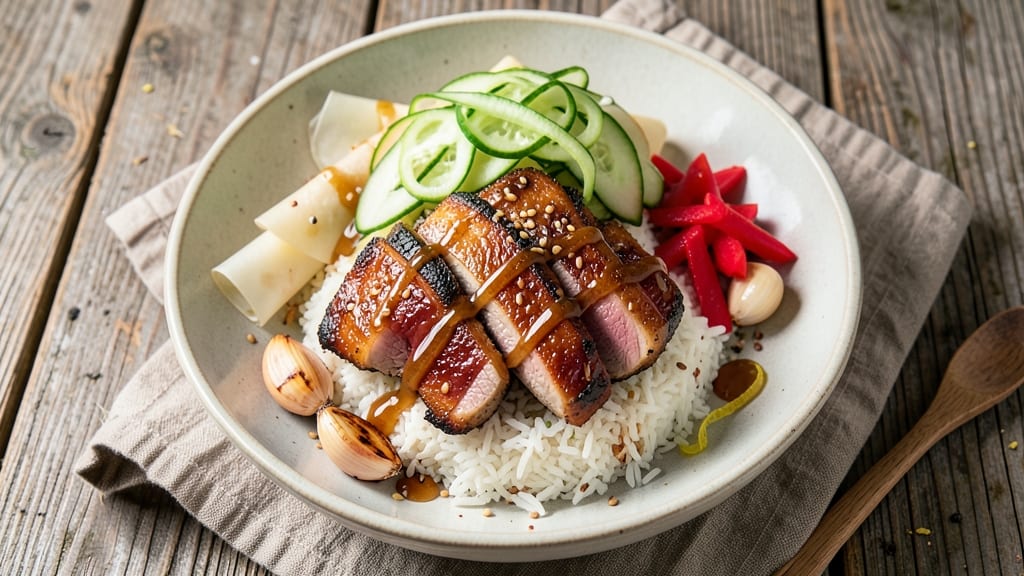
This Asian duck salad recipe delivers crispy pan-seared duck with a bright sesame-ginger dressing that balances sweet, savory, and umami flavors. The secret lies in marinating the duck overnight, then searing it until golden and caramelized—creating a texture that contrasts perfectly with the fresh greens and crunchy toppings.
What sets this dish apart is the fusion of traditional Asian techniques with modern plating, resulting in a salad that feels both elegant and approachable.
The duck is marinated in a blend of soy sauce, honey, and aromatics before being pan-seared to achieve that coveted crispy exterior while keeping the meat tender inside. The sesame-ginger dressing, made with fresh ginger, rice vinegar, and toasted sesame oil, ties everything together with its nutty, zesty profile.
This isn’t just a salad—it’s a complete dish that transforms simple ingredients into a restaurant-worthy meal.
By the time you assemble it, you’ll have a visually stunning plate: crispy duck slices fanned over mixed greens, topped with shredded cabbage, toasted sesame seeds, and thinly sliced scallions. The dressing clings to every component, creating a harmonious bite that’s both satisfying and refreshing.
Perfect for a weeknight dinner or an impressive lunch, this recipe proves that salads can be hearty, flavorful, and unforgettable.
Whether you’re serving it to guests or treating yourself, the key is balancing textures and flavors—crispy duck, tender greens, and a dressing that’s tangy yet rich.
The plating is simple but intentional, ensuring every bite feels intentional and delicious. Let’s bring this dish to life—your taste buds will thank you.
Ingredients for asian duck salad
Crispy duck, vibrant greens, and a nutty sesame-ginger dressing—this salad delivers restaurant-quality flavors with minimal effort.
| Ingredient | Amount | Notes |
|---|---|---|
| Duck Breast 🦆 | 1 ½ lb | Skin-on, evenly thick |
| Low-Sodium Soy Sauce 🍶 | ¼ cup | Kikkoman preferred |
| Honey 🍯 | 2 tbsp | Wildflower or clover |
| Fresh Ginger 🧄 | 2 tbsp | Grated, aromatic |
| Garlic Cloves 🧄 | 4 cloves | Minced, aromatic |
| Sesame Oil 🫒 | 1 tbsp | Toasted, for depth |
| Rice Vinegar 🍶 | ½ cup | Seasoned preferred |
| Toasted Sesame Seeds 🌾 | 2 tbsp | For garnish |
| Mixed Greens 🥬 | 8 cups | Baby spinach or butter lettuce |
| Red Cabbage 🥬 | 2 cups | Shredded, thinly |
| Scallions 🧅 | ¼ cup | Thinly sliced |
| Neutral Oil 🫒 | 2 tbsp | Avocado or vegetable |
| Salt 🧂 | 1 ½ tsp | Diamond Crystal preferred |
| Black Pepper 🌶️ | ½ tsp | Freshly ground |
The duck is non-negotiable for that signature crispy texture. Look for skin-on breasts at your local butcher or Whole Foods—they’ll slice it evenly for you. If you can’t find duck, chicken breast cutlets work in a pinch, but the flavor won’t be the same. The marinade is where the magic happens: Kikkoman soy sauce is my go-to, but any low-sodium brand will do. Fresh ginger and garlic are essential—dried won’t cut it here. Toast the sesame seeds in a dry pan for 2 minutes until fragrant, then cool before using.
No sesame oil? Avocado oil at half the amount works, but you’ll lose that nutty depth. Subbing honey? Maple syrup is the closest match, though it’s slightly less sweet. The rice vinegar should be seasoned—plain vinegar tastes harsh in this context. For the greens, baby spinach or butter lettuce hold up best, but any mixed greens will work. If you’re short on cabbage, shredded carrots add crunch. The neutral oil is key for searing—high smoke point prevents burning.
Marinate the duck overnight for maximum tenderness. Store leftovers in an airtight container with a paper towel pressed on top to keep it crispy. The dressing keeps for 5 days in the fridge, but the duck is best eaten fresh. For meal prep, portion the greens and toppings separately—dressing them just before serving keeps everything crisp. Freeze the duck slices for up to 3 months if you’re not using them all at once.
Why You'll Love This Recipe
- Pan-Fried Perfection: The duck breast renders so beautifully—crispy edges, tender inside—that I can’t resist searing it right on the stovetop. No fancy equipment, just a hot pan and 10 minutes of hands-off time.
- Sweet-Savory Magic: That honey-soy glaze? It’s the star. The ginger and garlic mellow into a warm, aromatic base while the honey cuts through the richness, leaving you with layers of flavor in every bite.
- Lunchbox Champion: Between us, this keeps perfectly for days. Pack the duck and salad separately, toss with a little dressing when ready, and you’ve got a restaurant-quality meal that doesn’t skimp on flavor.
- Budget-Friendly Luxe: Duck breast feels fancy, but it’s actually cheaper than chicken for the same serving size. Plus, the leftovers? I turn them into wraps or ramen the next day—zero waste, all satisfaction.
Step-by-step instructions for crispy pan-seared duck with sesame-ginger dressing
Here's how to achieve perfectly crispy duck skin and a vibrant, tangy dressing that ties everything together.
Prepare the Duck Breast for Optimal Crispiness
Remove the duck breast from the refrigerator and let it sit at room temperature for 30 minutes. This ensures even cooking. Pat the skin completely dry with paper towels—this is crucial for crispiness. I like to press down firmly, especially on the skin side, to remove any moisture that could prevent browning.
Season the duck generously with 1.5 teaspoons of salt and 0.5 teaspoon of black pepper on both sides, focusing on the skin. The salt helps draw out moisture, creating that perfect crackling crust. Let it rest, uncovered, for another 10 minutes while you prepare the pan.
Sear the Duck Skin to Golden Perfection
Heat a large skillet over medium-high heat until it's very hot. Add 2 tablespoons of neutral oil and let it shimmer for 1 minute. Place the duck breast skin-side down and press gently with a spatula for 1 minute to render the fat and create even contact. This prevents curling and ensures crispiness.
Cook undisturbed for 8-10 minutes until the skin is deep golden brown and crispy. You'll hear it crackling—this is your signal. Flip the duck and cook the meat side for 4-5 minutes until it reaches an internal temperature of 135°F. Remove from the pan and let it rest on a cutting board for 5 minutes before slicing.
Create the Sesame-Ginger Dressing
In a small bowl, whisk together 0.25 cup of low-sodium soy sauce, 2 tablespoons of honey, 2 tablespoons of grated fresh ginger, 4 minced garlic cloves, and 0.5 cup of rice vinegar. The mixture should smell vibrant and aromatic—this is where the flavor magic happens. Let it sit for 5 minutes to allow the ginger and garlic to infuse.
Stir in 1 tablespoon of toasted sesame oil and taste. Adjust seasoning if needed—you might want to add a touch more honey for sweetness or vinegar for tang. This dressing should be balanced, with bright acidity cutting through the richness of the duck.
Assemble the Salad with Crispy Duck and Fresh Vegetables
Slice the rested duck breast into ¼-inch thick pieces against the grain for maximum tenderness. In a large bowl, combine 8 cups of mixed greens, 2 cups of shredded red cabbage, and 0.25 cup of thinly sliced scallions. The cabbage adds a satisfying crunch and vibrant color that contrasts beautifully with the duck.
Drizzle the dressing over the salad and toss gently to coat. Add the sliced duck and toss again, being careful not to overmix so the greens stay crisp. Garnish with 2 tablespoons of toasted sesame seeds for extra texture and visual appeal.
Serve Immediately for Maximum Freshness
Divide the salad among plates and serve right away. The contrast of crispy duck skin with the cool, fresh greens and tangy dressing creates a perfect balance of textures and flavors. Each bite should deliver rich, savory duck, bright ginger heat, and a touch of sweetness from the honey.
This dish holds up well for 1-2 hours if stored properly, but the duck is best enjoyed immediately while still warm and crispy. Pair with a light beer or sparkling water to complement the flavors.
Pro Tips For Making Asian Duck Salad
- SEAR DUCK SKIN FIRST: Lay the duck breast skin-side down in a cold, dry pan—no oil—and turn the heat to medium. Let it render fat for 5-6 minutes until the skin is deep golden and crisp. This isn’t just for flavor; it’s the only way to get that perfect crunch without drowning it in grease. (Yes, even if you’re impatient like me.)
- GRATE GINGER FINE: Skip the slicing—use a microplane or the smallest holes on a box grater for ginger. You want it almost paste-like so it dissolves into the dressing without clumping. I learned this the hard way when my salad had visible ginger chunks looking like tiny yellow rocks.
- REST DUCK UNDER FOIL: After searing, transfer the duck to a plate, tent loosely with foil, and let it sit for 5-10 minutes. This keeps it from drying out while you finish the salad. I used to skip this, and the duck always turned out tougher—like overcooked chicken. (Your future self will thank you.)
- BALANCE SOY AND HONEY: Start with a 2:1 ratio of honey to soy (e.g., 2 tbsp honey to 1 tbsp soy) in the dressing, then taste. Adjust by adding a splash more soy for depth or a drizzle of honey for sweetness. The goal is a glossy, sticky glaze that coats the duck—not a sticky syrup. (Sounds weird, but it works.)
Dietary considerations for these flavors
Gluten-Free Adaptations
This salad is naturally gluten-free if you use certified gluten-free soy sauce and rice vinegar. I recommend Kikkoman Gluten-Free Tamari for the marinade and dressing—it has the same rich umami flavor without the gluten.
Always double-check labels on sesame oil and honey, as some brands may process ingredients in gluten-containing facilities. 💛
Dairy-Free Considerations
The original recipe contains no dairy, making it inherently dairy-free. However, if you're adding optional toppings like feta or yogurt-based dressings, skip them or use dairy-free alternatives. For extra creaminess, try a splash of coconut yogurt mixed into the dressing—it adds tang without dairy.
Nut-Free Variations
Sesame seeds and sesame oil are the only nut-based components here. For a nut-free version, omit the seeds and replace the sesame oil with avocado oil (use the same amount).
The flavor will be slightly less complex, but the dish remains delicious. Toasted pumpkin seeds make a great crunchy alternative if you're avoiding sesame.
Low-Carb Options
To reduce carbs further, replace the 8 cups of mixed greens with 4 cups of arugula or spinach—both are lower in carbs while still adding volume. For the cabbage, use ½ cup of shredded green cabbage instead of red, as it has fewer carbs.
The duck and dressing remain unchanged, keeping the dish rich and satisfying.
Allergen-Friendly Swaps
For egg allergies, this recipe is already safe—no eggs are used. If you're avoiding garlic, substitute with 1 tablespoon of garlic-infused oil (add it to the dressing). For ginger allergies, increase the rice vinegar by 1 tablespoon and add ½ teaspoon of citrus zest (like lemon or lime) for brightness.
Always test small amounts of new ingredients first.
Nutrition facts
Frequently asked questions
Why does the duck need to marinate overnight?
The overnight marinade is key for two reasons: it tenderizes the duck meat and infuses it with flavor. The soy sauce and honey work together to break down tough fibers while adding depth. Skipping this step can result in chewier duck and less flavorful bites. Pro tip: If you're short on time, marinate for at least 4 hours—just don't expect the same level of tenderness.
Can I use duck legs instead of breasts?
Duck legs will work, but they require a different cooking method. For legs, roast them at 375°F for 1.5 hours until crispy, then shred the meat. The skin will be crispier, but the texture will be more shredded than sliced. Adjust the marinade time to 6 hours since legs have more connective tissue to tenderize.
How do I prevent the duck skin from curling?
Press the duck skin firmly with a spatula for 1 minute when searing to flatten it. Use a heavy skillet and keep the heat at medium-high—too high causes curling. If it starts to curl, gently press it back down with tongs. A dry pan is crucial: pat the skin completely dry before cooking.
What's the best way to reheat leftover duck?
Reheat duck slices in a 350°F oven for 10 minutes on a wire rack over a baking sheet to maintain crispiness. For extra crunch, broil for 1-2 minutes at the end. Avoid microwaving—it makes the skin soggy. Store leftovers in an airtight container with a paper towel to absorb moisture.
Can I make this salad ahead of time?
Prepare the duck and dressing separately up to 1 day ahead, but assemble the salad just before serving. The greens will wilt if dressed too early. Store the duck at room temperature for 1 hour before slicing if it's chilled, then refrigerate until ready to use. Keep the dressing refrigerated and whisk before using.