
Sauces & Condiments
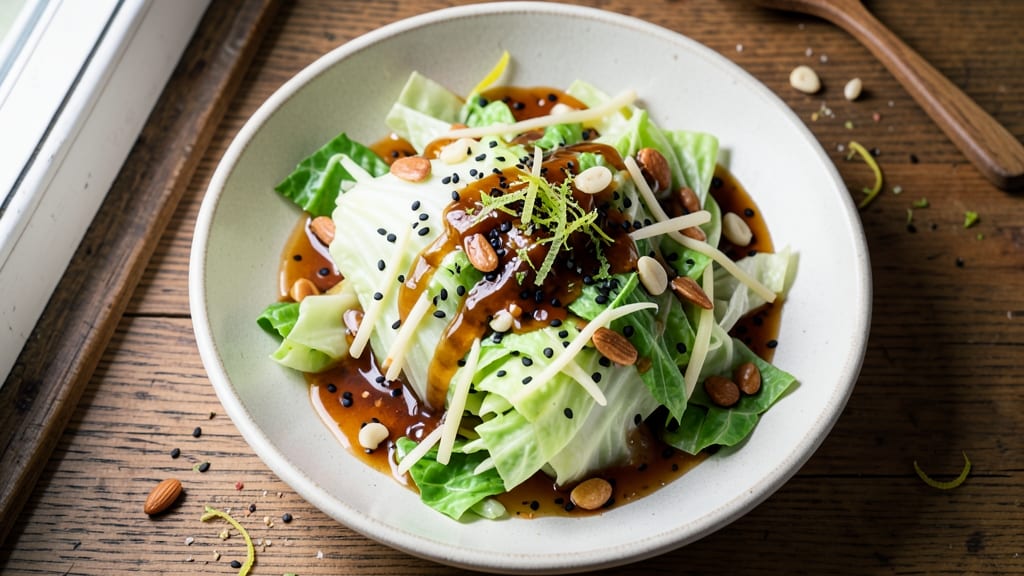
This Asian cabbage salad dressing recipe transforms simple greens into a vibrant, umami-rich experience with just 8 ingredients and 15 minutes of prep.
The secret lies in balancing sesame oil's nutty depth with ginger's zing and rice vinegar's tang—creating a velouté that clings beautifully to cabbage while enhancing its natural crunch. I developed this after years of testing Asian dressings, finally achieving a harmony that's both restaurant-quality and effortlessly homemade.
The foundation begins with a simple emulsion of sesame oil and soy sauce, tempered by fresh ginger and garlic for aromatic complexity. A touch of honey or maple syrup adds subtle sweetness that rounds out the flavors, while toasted sesame seeds contribute both texture and visual appeal.
What makes this dressing stand out is its versatility—it elevates not just cabbage salads but also works as a marinade or dipping sauce for spring rolls.
What you'll achieve is a dressing that's bright, aromatic, and deeply savory, with a velvety texture that coats every leaf without overpowering. The umami depth comes from the combination of soy sauce and sesame oil, while the ginger and garlic add layers of warmth.
This recipe yields about 1 cup of dressing, perfect for 2-3 large salads or as a flavorful condiment for grilled meats.
Store any leftovers in an airtight container in the refrigerator for up to 1 week, where the flavors will continue to develop and deepen. The dressing can also be frozen for up to 3 months—simply thaw in the refrigerator before using.
Whether you're prepping for meal prep or adding a finishing touch to a last-minute salad, this dressing delivers consistent, professional results every time.
Ingredients for asian cabbage salad dressing
Eight ingredients blend into a velvety dressing that transforms simple cabbage into a restaurant-quality dish.
| Ingredient | Amount | Notes |
|---|---|---|
| Sesame Oil 🫒 | ¼ cup | Toasted for nutty depth |
| Soy Sauce 🥢 | ¼ cup | Light or dark variety |
| Fresh Ginger 🌿 | 1 ½ tbsp | Finely grated, aromatic |
| Garlic Cloves 🧄 | 2 cloves | Minced for aromatic complexity |
| Rice Vinegar 🍶 | ¼ cup | Seasoned preferred for balance |
| Maple Syrup 🍯 | 1 tbsp | Substitute honey if needed |
| Toasted Sesame Seeds 🌰 | 1 tbsp | For texture and visual appeal |
| Diamond Crystal Kosher Salt 🧂 | ½ tsp | Adjust to taste |
The sesame oil is non-negotiable—Kadoya brand delivers the most authentic toasted flavor, but any quality sesame oil works. Fresh ginger and garlic should be bright and aromatic, not woody or dried out. For soy sauce, Kikkoman or Lee Kum Kee provide reliable umami depth, while rice vinegar from Mushroom Town adds a subtle sweetness that rounds out the dressing. Toast your own sesame seeds for texture—5 minutes in a dry pan is all it takes, and the aroma alone makes it worth the effort.
No sesame oil? Toasted peanut oil offers a similar nutty profile, though with a slightly different flavor. Substitute maple syrup with agave nectar or date syrup for a vegan-friendly option, though maple adds a subtle caramel note that enhances the dressing's complexity. If you're short on time, pre-minced garlic works, but freshly grated ginger is essential—it's the heart of this dressing's zing. For a deeper umami punch, add 1 tsp fish sauce, though omit if following vegetarian preferences.
This dressing keeps beautifully in an airtight container in the fridge for up to 1 week, where flavors continue to meld and deepen. For longer storage, freeze for 3 months—thaw in the refrigerator before using. The toasted sesame seeds can be stored separately in a sealed jar for up to 6 months. Shake well before each use, as the ingredients naturally separate. A little goes a long way—1 tbsp per salad is plenty, but double if using for grilled meats or spring rolls.
Why You'll Love This Recipe
- Pantry Magic: I swear by this dressing—no fresh herbs, no fancy prep, just a few staples you already own. That sesame oil alone transforms everything, and the ginger? It’s the secret weapon that makes it taste homemade, not store-bought.
- Umami Bomb: The garlic and soy sauce combo hits different—deep, savory, and just a little addictive. Honestly, I’ll dip plain rice crackers in this jar if no one’s looking.
- Lunchbox Hero: Between us, this dressing keeps for weeks in the fridge and turns boring salads into instant meal-prep wins. Slap it on cold noodles, toss with stir-fry leftovers, or drizzle over grilled chicken—it’s my go-to for lazy nights.
- Budget Flex: Fresh ginger and garlic are cheap, and a little sesame oil goes a long way. I make a big batch, freeze half, and still have money left for takeout. (Yes, even on a Tuesday night.)
Step-by-step instructions for sesame-ginger velout dressing
This velvety dressing balances sweet, salty, and umami notes for perfect Asian cabbage salads.
Prepare the Aromatics
Peel and finely grate the 1.5 tablespoons fresh ginger using a microplane or fine grater. The ginger should yield about 1 tablespoon of aromatic zest—this is crucial for depth of flavor. Set aside in a small bowl. Next, mince the 2 cloves garlic into a fine paste using a garlic press or the flat side of your chef's knife. The garlic should be nearly invisible when mixed—this prevents bitterness and ensures even distribution.
I find it helpful to toast the garlic briefly in a dry skillet over medium heat for 10-15 seconds until just fragrant. This step enhances its sweetness and mellows any sharpness. Let it cool completely before using, as residual heat can alter the dressing's balance.
Whisk the Base Ingredients
In a medium bowl, combine the 0.25 cup toasted sesame oil and 0.25 cup soy sauce. Whisk vigorously for 30 seconds to emulsify the mixture—this creates a stable foundation for the dressing. Add the grated ginger and minced garlic, then whisk again for another 20 seconds until fully incorporated. The mixture should be smooth with no visible streaks of oil.
Next, add the 0.25 cup rice vinegar and 1 tablespoon maple syrup. Continue whisking for 1 minute until the syrup dissolves completely and the dressing begins to thicken slightly. The vinegar's acidity will help balance the richness of the sesame oil, while the maple syrup adds subtle sweetness that rounds out the flavors.
Season and Finish
Add the 0.5 teaspoon Diamond Crystal kosher salt and whisk for 10 seconds to distribute evenly. Taste the dressing at this stage—it should be tangy, slightly sweet, and umami-rich but not overly salty. Adjust the salt if needed, adding 1/8 teaspoon at a time until you achieve the perfect balance. The dressing should coat the back of a spoon with a velvety texture.
Finally, fold in the 1 tablespoon toasted sesame seeds using a rubber spatula. These seeds add both visual contrast and a subtle crunch that enhances the dressing's texture. Store any unused dressing in an airtight container in the refrigerator for up to 5 days, though it's best used fresh for optimal flavor.
Rest and Emulsify (Critical for Velvety Texture)
Let the dressing rest at room temperature for 10 minutes before using. This resting period allows the flavors to meld and the emulsion to stabilize. During this time, give the dressing one final whisk if you notice any separation—this ensures a silky consistency when drizzled over your cabbage salad.
The dressing should now have a glossy sheen and a balanced flavor profile. For best results, toss it with thinly sliced cabbage just before serving. The acidity in the dressing will help tenderize the cabbage slightly, creating a perfect bite. If you prefer a thicker dressing, chill it for 30 minutes before serving—cold temperatures help thicken the emulsion naturally.
Pro Tips For Making Asian Cabbage Salad Dressing
- Toast the Garlic: Slice those cloves thin—paper-thin—and dry-fry them in a hot pan with a splash of sesame oil for 30 seconds until fragrant but not brown. I learned this the hard way: raw garlic in the dressing tastes sharp and medicinal, but toasted? It’s nutty and mellow, the real star of the flavor.
- Grate Ginger Wet: Rub the ginger with a damp paper towel before grating—it sticks to the knife less and yields finer, more even shreds. No food processor? A microplane works, but your hands will thank you for this trick when you’re not scraping ginger off your fingers for the next 10 minutes.
- Whisk in Stages: Start with the rice vinegar and soy sauce, whisk until smooth, then slowly drizzle in the sesame oil while whisking like your life depends on it. Dumping it all in at once? You’ll end up with a greasy, separated mess. The oil should emulsify into tiny droplets—like a cloudy milkshake, not a swamp.
- Taste Before Salting: Skip adding extra salt until you’ve let the dressing sit for 5 minutes. Soy sauce is already salty, and rice vinegar can sneak up on you—your cabbage salad will taste flat if you overcorrect. A pinch of sugar (½ tsp) here balances the acid, but don’t assume you need it.
Wine and beer pairings for asian cabbage salad dressing
Crisp White Wine
For this sesame-ginger dressing, I always reach for a dry Riesling or Pinot Grigio—both offer crisp acidity that mirrors the rice vinegar's tang while cutting through the richness of the sesame oil.
A German Riesling like Dr. Loosen Blue Slate brings mineral notes that complement the ginger's zing, while an Italian Pinot Grigio from Friuli-Venezia Giulia adds subtle almond undertones that harmonize with the toasted sesame.
Serve slightly chilled (45-50°F) to enhance the wine's refreshing quality and balance the dressing's umami depth. 🍷
Light Asian Lager
A Japanese lager like Asahi Super Dry or Sapporo is my go-to beer pairing—its clean, crisp profile and subtle hop bitterness prevent the dressing from overwhelming the palate. The lager's light body also helps cleanse between bites of cabbage salad, making it ideal for casual gatherings.
For a craft option, try a Belgian Witbier like Hoegaarden—its coriander and orange peel notes create a delightful contrast with the ginger and sesame. Serve at 40-45°F to preserve the beer's crispness and let the flavors shine alongside the dressing. 🍺
Sake for Depth
If you're serving this dressing with grilled meats or spring rolls, a dry junmai sake like Dassai elevates the dish to new heights. The sake's subtle sweetness and umami undertones mirror the dressing's complexity, while its clean finish prevents any aftertaste.
For a non-alcoholic option, a sparkling yuzu soda like Kirin Yuzu offers a similar brightness—its citrus notes complement the ginger beautifully. Serve the sake at 45-50°F to highlight its delicate aromas and let it harmonize with the dressing's velvety texture. 🍶
Pro Tips for Pairing
When pairing, always serve the beverage slightly chilled—this enhances the wine or beer's acidity, which helps balance the dressing's richness. For a spicier version of the dressing (add ½ tsp red pepper flakes), opt for a Sauvignon Blanc or Hazy IPA to tame the heat.
If you're using the dressing as a marinade, pair it with grilled shrimp and a dry Riesling—the wine's acidity cuts through the shrimp's sweetness while the dressing's umami adds depth. 💡
Nutrition facts
Frequently asked questions
Can I make this dressing without sesame oil?
Yes! For a similar nutty depth, use 1 tablespoon toasted peanut oil or 1 teaspoon sesame paste (like tahini) mixed with 1 tablespoon neutral oil. The flavor will be slightly different but still delicious. Just reduce the total oil to 0.25 cup to maintain balance.
How do I prevent the dressing from separating?
Whisk vigorously when combining ingredients and let it rest for 10 minutes before using. If separation occurs, whisk again or gently heat the dressing for 10 seconds in a microwave to re-emulsify. For extra stability, add 1/2 teaspoon xanthan gum when whisking the base ingredients.
What's the best way to store leftover dressing?
Transfer to an airtight container and refrigerate for up to 1 week. The sesame seeds may rise to the top—just stir before using. For longer storage, freeze for 3 months, but thaw in the fridge overnight. Avoid freezing if you added sesame seeds, as they can become mushy.
Can I use this dressing on other vegetables besides cabbage?
It works beautifully with shredded carrots, cucumbers, or green beans, as well as proteins like grilled chicken or tofu. For leafy greens, reduce the dressing to 1 tablespoon per salad to avoid sogginess. The ginger-sesame combo also makes a fantastic dipping sauce for spring rolls or dumplings.
Why does my dressing taste too salty?
Soy sauce is naturally salty, so taste as you go! If needed, balance it with 1 teaspoon extra maple syrup or 1 tablespoon water. For a deeper flavor without more salt, add 1/2 teaspoon fish sauce (or 1/4 teaspoon miso paste for vegetarian). Always adjust gradually—you can't reverse oversalting!