
Salads
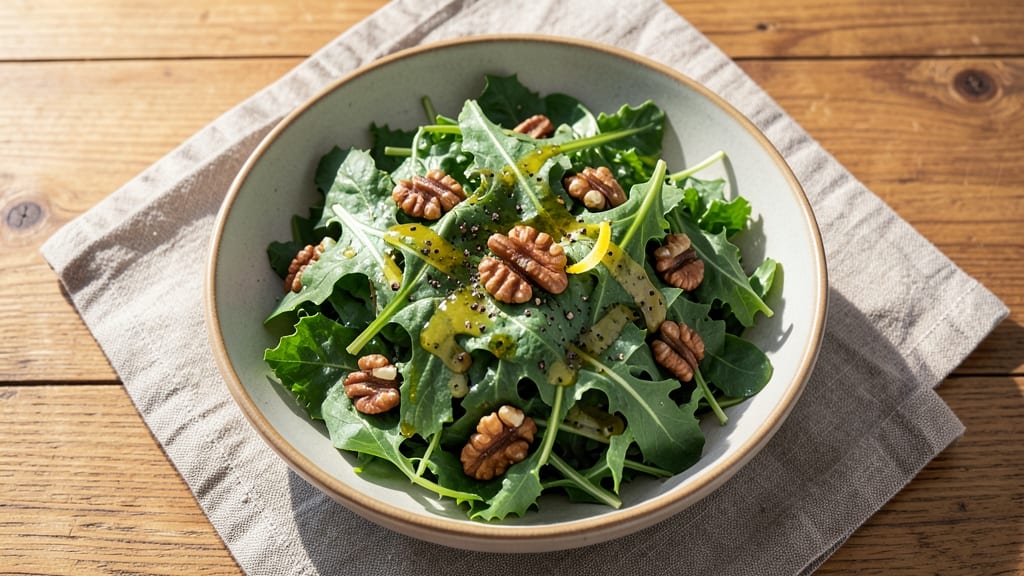
This arugula and kale salad recipe transforms bold, peppery greens into a vibrant dish that balances earthy flavors with bright, nutty dressing. The secret lies in properly massaging the leaves to soften their texture while preserving that signature peppery bite—no soggy salad here.
I developed this recipe after years of experimenting with greens salads, and it’s now my go-to for quick, nutrient-packed meals that feel indulgent. What sets this salad apart is the nutty lemon vinaigrette, where toasted walnuts and lemon juice create a rich, tangy contrast to the greens.
The dressing clings perfectly to the leaves, ensuring every bite delivers that perfect balance of crunch, creaminess, and zing. Plus, it’s fully customizable—swap in sunflower seeds for nuts, or add roasted chickpeas for extra protein.
By the time you’re done, you’ll have a salad that’s visually stunning with deep green layers and golden walnut flecks, while the flavors sing with every crisp bite. The lemon vinaigrette cuts through the greens’ bitterness, leaving behind a satisfying, well-rounded taste that’s both refreshing and hearty.
This is a salad that feels like a meal, not just a side dish. Perfect for lunch, dinner, or even as a light appetizer, this recipe comes together in 15 minutes with minimal prep.
Whether you’re meal prepping for the week or craving a fresh, vibrant dish, this salad delivers restaurant-quality results at home. Let’s get started!
Ingredients for arugula and kale salad
These fresh, peppery greens and nutty dressing create a vibrant salad that tastes like a restaurant meal.
| Ingredient | Amount | Notes |
|---|---|---|
| Baby Kale Leaves 🥬 | 4 cups | Thick stems removed, roughly chopped |
| Arugula Leaves 🌿 | 2 cups | Whole leaves, no stems |
| Walnuts 🥜 | ½ cup | Toasted, roughly chopped |
| Extra-Virgin Olive Oil 🫒 | ½ cup | Light, fruity variety |
| Fresh Lemon Juice 🍋 | 3 tbsp | Freshly squeezed |
| Dijon Mustard 🍯 | 1 tsp | Mild variety preferred |
| Honey 🍯 | 1 tbsp | Raw or local preferred |
| Apple Cider Vinegar 🍶 | 1 tbsp | For tangy brightness |
| Salt 🧂 | ½ tsp | Kosher or sea salt |
| Black Pepper 🌶️ | ¼ tsp | Freshly ground |
| Pomegranate Seeds 🍇 | ¼ cup | For crunch and color |
| Shaved Parmesan Cheese 🧀 | ¼ cup | Freshly shaved preferred |
| Fresh Thyme Leaves 🌿 | ¼ tsp | Chopped, for garnish |
The kale and arugula are the stars here. Baby kale is ideal—it’s tender enough to eat raw without massaging, but if you’re using regular kale, remove the thick stems first. I grab mine from the organic section at Whole Foods or Trader Joe's—they keep it fresh longer. Arugula should be vibrant green, not wilted. If your greens are a little tough, give them a quick massage with a fork and a splash of lemon juice (about 1 tbsp) to soften them up. Walnuts? Toast them yourself—toss in a dry pan for 3-4 minutes until fragrant. That’s the secret to the nutty flavor in the dressing.
No walnuts? Sunflower seeds or pecans work just as well—just toast them first. Short on lemon juice? Lime juice works too, but it’s more tart. The honey adds balance, but if you’re avoiding it, maple syrup at half the amount does the trick. For extra protein, toss in roasted chickpeas or crumbled feta. The dressing keeps for 5 days in the fridge, so make extra—it’s perfect on grilled chicken or fish too. And if you’re worried about soggy greens, assemble the salad right before serving. Trust me on this one.
This salad holds up beautifully for 2 days in the fridge, but the greens get a little wilted after day one. To keep them crisp, store the dressing separately and toss it in right before eating. The pomegranate seeds and Parmesan add crunch and richness, so don’t skip them if you can get them fresh. If you’re prepping ahead, keep the dressing and toppings separate until the last minute. The flavor actually improves after sitting for an hour—all the ingredients get a chance to meld together. Perfect for meal prep, but best enjoyed fresh.
Why You'll Love This Recipe
- I’ll be real: kale can be a pain to prep, but baby kale leaves? Just tear them like lettuce. No knives, no fuss—just a big handful of greens ready in seconds.
- No Chopping Nightmare: I’ll be real: kale can be a pain to prep, but baby kale leaves? Just tear them like lettuce. No knives, no fuss—just a big handful of greens ready in seconds.
- Crunchy-Lemon Magic: That walnut crunch paired with bright lemon juice? It’s the kind of bite that makes you reach for seconds. The olive oil ties it all together—simple, but ridiculously satisfying.
- Lunchbox Hero: Pack it for work or school—it holds up better than you’d think. Toss in a few extra walnuts for protein, and you’ve got a meal that’s fresh, filling, and way cheaper than takeout.
Step-by-step instructions for arugula and kale salad
Here's how to assemble this vibrant, nutrient-packed salad with perfect balance.
Prep and Massage the Greens
Start by removing any thick stems from the 4 cups baby kale leaves and roughly chop them. Spread the kale on a large plate or cutting board and add the 2 cups arugula leaves on top. This layering makes it easier to massage everything evenly.
Drizzle the greens with 1 tablespoon of the 0.5 cup extra-virgin olive oil and sprinkle with half of the 0.5 teaspoon salt. Using your clean hands, gently massage the greens for about 1 minute until they soften slightly and release their natural oils. This step is crucial—it removes bitterness and makes the salad more tender. You'll see the leaves start to wilt and become more pliable.
Toast the Walnuts
While the greens are massaging, heat a dry skillet over medium heat. Add the 0.5 cup walnuts and toast them for 3-4 minutes, stirring frequently, until they're fragrant and lightly golden. Watch them carefully—they'll go from pale to golden in seconds, so don't walk away.
Remove the walnuts from the pan and let them cool for 2 minutes before roughly chopping them with a knife. The warm walnuts will release their nutty aroma, which pairs beautifully with the peppery greens. Set them aside for the final assembly.
Whisk Together the Dressing
In a small bowl, combine the remaining 0.4 cup extra-virgin olive oil, 3 tablespoons fresh lemon juice, 1 teaspoon Dijon mustard, 1 tablespoon honey, and 1 tablespoon apple cider vinegar. Whisk vigorously for about 30 seconds until everything is fully emulsified and smooth.
Season the dressing with the remaining 0.25 teaspoon salt and 0.25 teaspoon black pepper. Taste it right away—it should be tangy, slightly sweet, and well-balanced. If you prefer more acidity, add a tiny splash of lemon juice. This dressing is the heart of your salad, so don't rush the whisking.
Assemble the Salad
Return the massaged greens to their plate and pour the dressing over them. Use your hands to gently toss everything together until the greens are evenly coated. The dressing should cling to the leaves without pooling at the bottom. If it looks too thick, add 1 teaspoon of water and toss again.
Sprinkle the toasted walnuts, 0.25 cup pomegranate seeds, and 0.25 cup shaved Parmesan cheese evenly over the top. The pomegranate seeds add a burst of color and sweetness, while the Parmesan contributes a salty, umami depth. Finish with the 0.25 teaspoon chopped fresh thyme leaves for a bright, herbal note.
Serve Immediately
Transfer the salad to serving plates right away—this dish is best enjoyed fresh. The greens should be vibrant, the dressing clinging to each leaf, and the toppings distributed evenly. If you're serving it as a side, let guests add their own protein to keep the salad light and refreshing.
This salad keeps well in the refrigerator for up to 2 days, but the greens will wilt slightly. If you notice the dressing separating, just give it a quick whisk before serving. The flavor combination of peppery greens, nutty walnuts, and bright citrus dressing makes this a perfect light lunch or side dish.
Pro Tips For Making Arugula And Kale Salad
- Massage Those Greens: Baby kale and arugula are tough little divas—literally. Rub them between your palms with a pinch of salt (yes, even the baby kale) to soften the fibers and wake up their flavor. I used to just toss them in, and they’d sit there like limp wet socks. This takes 10 seconds but makes the texture actually enjoyable.
- Toast Walnuts Low and Slow: Crank the oven to 300°F, not 350°F, and spread walnuts in a single layer. They burn faster than you’d think, and charred nuts taste bitter. Stir every 3 minutes until they’re just golden—about 8 minutes total. Overcooked walnuts ruin the whole salad, and nobody wants that.
- Dress It Last: Toss the greens and walnuts dry first, then drizzle the olive oil and lemon juice right before serving. The acid in lemon cuts the greens faster when they’re fresh, and the oil won’t turn rancid sitting in a soggy pile. I learned this after leaving a salad dressed for 20 minutes—yuck.
- Use Half the Lemon: Fresh lemon juice is bright, but arugula’s peppery bite doesn’t need much help. Start with 1 tablespoon per serving, then adjust. Too much lemon flattens the greens’ natural flavor, and you’ll end up with a sad, one-note salad. Trust the greens—they’re louder than you think.
Dietary considerations for these flavors
Vegan Adaptations
Skip the Parmesan cheese and swap it for nutritional yeast—just 2 tablespoons shaved over the top adds a cheesy, umami flavor without dairy. For extra protein, add ½ cup roasted chickpeas or ¼ cup pumpkin seeds.
I also recommend using a vegan honey substitute like agave or maple syrup in the dressing—just 1 tablespoon works perfectly. 🌱
Gluten-Free Considerations
This salad is naturally gluten-free, but always double-check your ingredients. Use certified gluten-free Dijon mustard (like Annie's or Primal Kitchen) to avoid cross-contamination. The walnuts, seeds, and greens are all safe, but if you're sensitive, opt for sunflower seeds instead of walnuts.
The apple cider vinegar is typically gluten-free, but check the label if you're highly sensitive. ✨
Low-Carb Options
For a lower-carb version, reduce the honey to just ½ teaspoon or omit it entirely. The natural sweetness from the pomegranate seeds and lemon juice will still shine. If you're tracking macros, skip the Parmesan and focus on the walnuts and seeds for healthy fats.
This keeps the salad under 10g net carbs per serving while maintaining all the flavor. 💪
Allergen-Friendly Swaps
Nut allergies? Replace walnuts with toasted sunflower seeds or pumpkin seeds—they add crunch without the risk. For seed allergies, try toasted coconut flakes instead. If you're avoiding honey, use maple syrup or date syrup in the dressing.
Always check labels on pre-packaged ingredients like pomegranate seeds or nutritional yeast for hidden allergens. 🌟
Protein Boost
Add ½ cup cooked quinoa or ½ cup edamame for extra protein while keeping the salad light. For a heartier option, top with grilled chicken or shrimp after assembling.
I love adding white beans (about ½ cup) for a fiber-rich, plant-based protein punch. These additions keep the salad satisfying as a main dish. 💛
Nutrition facts
Frequently asked questions
Why do I need to massage the greens in this salad?
Massaging the greens softens their texture and removes bitterness by breaking down tough fibers. The 1-minute massage with olive oil and salt releases natural oils that make the salad more tender and flavorful. Skip this step, and you’ll end up with a crunchy, bitter bite instead of the perfect balance.
Can I make this salad ahead of time?
Yes, but store the dressing and toppings separately to keep the greens crisp. Assemble the salad just before serving—this prevents wilting. The dressing alone keeps for 5 days in the fridge, and the toppings (walnuts, seeds, cheese) can be prepped a day ahead.
What if I don’t have walnuts for the dressing?
No problem! Swap them for sunflower seeds, pecans, or pumpkin seeds—toast them first for that same nutty flavor. For extra crunch, add toasted coconut flakes> or crispy chickpeas. Just adjust the amount to ½ cup total> to match the original texture.
How do I make the dressing thicker or thinner?
If the dressing is too thin, whisk in 1 teaspoon of water or more Dijon mustard. For a thicker consistency, add a splash of olive oil. The ideal texture should coat the greens without pooling—adjust while whisking the ingredients together.
Can I use regular kale instead of baby kale?
Yes, but you’ll need to remove the thick stems and massage the leaves longer (2 minutes) to soften them. Baby kale is more tender, but regular kale works—just be patient with the prep. The peppery flavor remains, but the texture will be slightly heartier.