
Sauces & Condiments
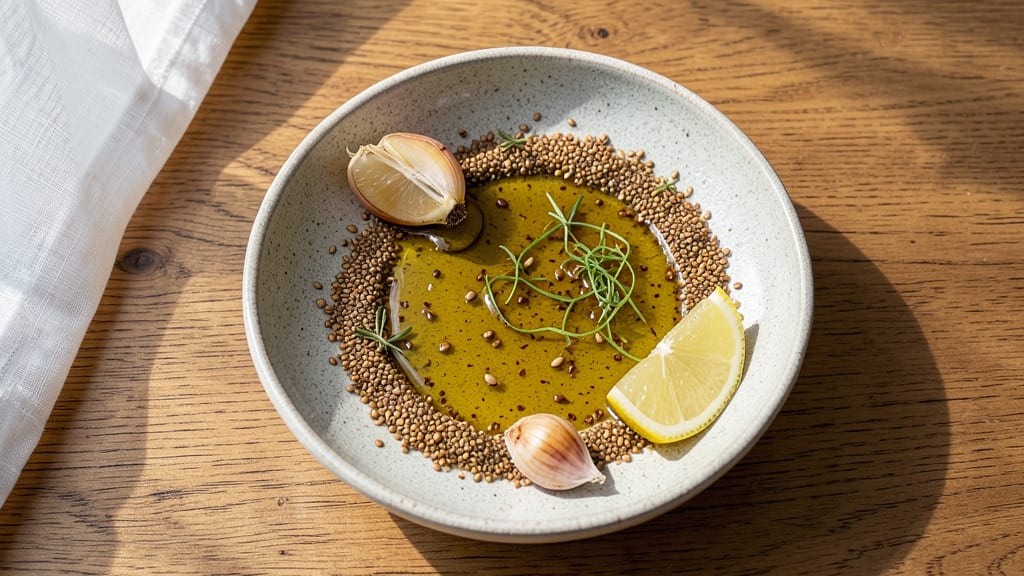
This Arabic salad dressing recipe transforms simple ingredients into a bright, herbaceous oil that elevates every dish it touches. The secret lies in infusing olive oil with toasted spices and fresh herbs, then balancing it with tangy lemon and a touch of sumac for that signature Middle Eastern brightness.
I developed this version after years of testing—it’s the perfect blend of tradition and simplicity, with no emulsifiers or complicated steps.
The dressing starts with warm, fragrant oil infused with za’atar, cumin, and garlic, then brightened with lemon zest and a splash of pomegranate molasses for depth. Unlike store-bought versions, this one builds flavor as it rests, allowing the spices to mellow and the herbs to release their essence.
It’s versatile enough for salads, dips, or marinades, but its real magic happens when drizzled over fresh greens or grilled vegetables.
What makes this dressing stand out is its long shelf life—up to two weeks in the fridge—without separating or losing flavor. The key is letting it infuse for at least 30 minutes before using, which allows the spices to develop fully.
Whether you’re serving a mezze spread or a simple grain bowl, this dressing adds layers of complexity that take a dish from ordinary to extraordinary.
For a vegan-friendly version, simply swap yogurt for coconut yogurt or omit it entirely—this dressing works beautifully on its own. Store it in a clean jar, and you’ll have a pantry staple that’s always ready to elevate your meals. Let’s get started!
Ingredients for arabic salad dressing
Simple ingredients for a dressing that tastes like a Middle Eastern market.
| Ingredient | Amount | Notes |
|---|---|---|
| Extra-Virgin Olive Oil 🫒 | 1 ½ cups | High quality, fruity flavor preferred |
| Za'atar Spice Blend 🌶️ | 2 tbsp | Homemade or store-bought (look for sesame seeds) |
| Ground Cumin 🌿 | 1 tbsp | Toasted for deeper aroma |
| Garlic Cloves 🧄 | 3 cloves | Minced or finely chopped |
| Fresh Lemon Juice 🍋 | ¼ cup | Freshly squeezed, strained |
| Lemon Zest 🍋 | 1 tbsp | From 1 large lemon |
| Pomegranate Molasses 🍇 | 1 tbsp | For depth and tang |
| Sumac Spice 🌶️ | 1 tbsp | Finely ground, for brightness |
| Fresh Flat-Leaf Parsley 🌿 | ¼ cup | Chopped, stems removed |
| Fresh Mint Leaves 🍃 | ⅛ cup | Chopped, optional but recommended |
| Salt 🧂 | ½ tsp | Fine sea salt, adjust to taste |
The olive oil is the base, so grab the best you can find—California extra-virgin or Italian varieties work perfectly. Za'atar is key; if you can't find it, mix 1 tbsp sesame seeds, 1 tsp dried thyme, and 1 tsp sumac. For the herbs, fresh parsley and mint make all the difference, but dried will work in a pinch (use half the amount). Middle Eastern grocery stores usually carry everything you need in one trip—sumac, pomegranate molasses, and even pre-made za'atar. If you're short on time, Trader Joe's has a great za'atar blend too.
No pomegranate molasses? Balsamic vinegar or extra lemon juice adds tang, though it won’t be identical. Swap sumac for a pinch of smoked paprika if needed. Fresh herbs are ideal, but dried oregano or marjoram can stand in at a quarter of the amount. The garlic can be roasted for a sweeter flavor—just toss whole cloves in olive oil at 400°F for 10 minutes. For a smoother texture, strain the dressing through a fine-mesh sieve after infusing. If you prefer a thicker consistency, whisk in 1 tsp arrowroot powder before adding the lemon juice.
This dressing keeps for 2 weeks in the fridge if stored in a clean, airtight jar. The flavors actually improve as it sits—let it infuse for at least 30 minutes before using. For a longer shelf life, store it in the freezer for up to 3 months, thawing in the fridge overnight. I like to portion it into small jars so I can grab one whenever I need a quick dressing. It’s perfect for drizzling over salads, dipping falafel, or even finishing grilled vegetables—just shake it up before using.
Why You'll Love This Recipe
- Here’s what sold me: za’atar and cumin are cheap staples, and a single lemon lasts for days. I make a big batch, and suddenly I’ve got flavor on tap for salads, soups, or even a quick marinade. No fancy ingredients, just pure, reliable taste that doesn’t break the bank.
- Five-Ingredient Magic: I swear, this dressing comes together faster than I can say "pantry raid." Just toss those five things—olive oil, za’atar, cumin, garlic, and lemon—into a jar, give it a shake, and boom. No measuring cups, no straining, no mess. The za’atar alone does half the work with its sesame and sumac punch.
- Bright & Earthy: That first bite of lemon-zest sharpness cutting through the deep, toasty cumin? It’s the kind of contrast that makes you reach for seconds. Honestly, the garlic isn’t overpowering—it’s got this warm, almost nutty depth when it mellows in the oil, like a hug from a spice blend.
- Pantry-to-Plate Hero: Between us, this is my go-to for lazy Sundays and last-minute dinner parties. Drizzle it over roasted veggies, toss it with grilled chicken, or even slather it on flatbread—it turns everything from "meh" to "wow." And the best part? It keeps for weeks in the fridge, so I’m always covered.
Step-by-step instructions for herb-infused Arabic salad dressing
This vibrant dressing comes together in minutes with bold flavors that elevate any dish.
Toast the Spices for Depth of Flavor
In a small dry skillet over low heat, toast the 2 tablespoons za'atar spice blend and 1 tablespoon ground cumin for 1-2 minutes until fragrant and lightly golden. You'll smell the sesame seeds in the za'atar warming up—this is your cue to remove the pan immediately. Let the spices cool completely before using, about 5 minutes.
Toasting enhances their natural oils and aromas, giving your dressing that authentic, toasty depth. If you're using store-bought za'atar, check for sesame seeds—this is what makes it special. Skip this step if you're short on time, but your dressing will be less complex without it.
Infuse the Olive Oil with Garlic and Herbs
In a blender or food processor, combine the 1.5 cups extra-virgin olive oil, toasted spices, 3 minced garlic cloves, 0.25 cup chopped fresh parsley, and 0.125 cup chopped fresh mint leaves. Blend on low speed for 30-45 seconds until the herbs are finely chopped but the oil remains smooth. Stop before it emulsifies completely—you want a textured dressing, not a puree.
Here's the thing—blending too long turns the oil into a thick paste. You're aiming for a dressing where you can still see tiny herb flecks suspended in the oil. If your blender struggles, use a mortar and pestle instead for better control over the texture.
Build the Tangy Base
Transfer the herb-infused oil to a medium bowl. Add the 0.25 cup fresh lemon juice, 1 tablespoon lemon zest, 1 tablespoon pomegranate molasses, 1 tablespoon sumac spice, and 0.5 teaspoon salt. Whisk vigorously for 1-2 minutes until everything is fully incorporated and the mixture becomes emulsified—it should look like a thick, glossy dressing rather than separated oil and liquid.
The pomegranate molasses adds that signature tangy-sweet complexity, while the sumac brings a bright citrusy kick. If the dressing looks too thick, add 1-2 teaspoons water at a time until it reaches a pourable consistency. Taste and adjust the salt—this is where you can make it perfectly balanced to your preference.
Let It Rest for Maximum Flavor
Cover the bowl and let the dressing rest at room temperature for at least 30 minutes (or up to 2 hours in the refrigerator). This resting period allows all the flavors to meld together beautifully. The lemon will mellow slightly, the spices will soften, and the herbs will release more of their oils into the oil base.
I know it's tempting to use it immediately, but trust me—this waiting time makes all the difference. The dressing will be more cohesive and flavorful after resting. If you're in a hurry, you can use it right away, but the flavors will continue developing as it sits.
Adjust Consistency and Store Properly
Before using, give the dressing one final taste and adjust the seasoning if needed. If it's too thick after resting, whisk in 1-2 teaspoons water at a time until it reaches your desired consistency. For a thinner dressing, add a splash of water or more lemon juice. For a thicker dressing, let it sit uncovered for 10-15 minutes to allow some of the liquid to evaporate.
Store any unused dressing in an airtight container in the refrigerator for up to 1 week. The flavors will continue to develop and deepen over time. When ready to use, give it a good shake or whisk to redistribute any separated ingredients. This dressing works beautifully on tabbouleh, grilled meats, roasted vegetables, or even as a marinade for chicken or fish.
Pro Tips For Making Arabic Salad Dressing
- Pulse the garlic: You’ll need finely minced garlic, not just chopped—this dressing lives or dies by its texture. Use a knife to smash the cloves flat first, then pulse them in a food processor with a pinch of salt. That way, you get a smooth, paste-like consistency that blends seamlessly into the oil without clumping.
- Toast the cumin dry: Skip the raw heat of adding cumin straight to oil—it burns fast and turns bitter. Instead, dry-toast it in a small pan over medium-low for 30 seconds until fragrant. Then whisk it into the warm oil. This step makes the cumin’s earthy notes sing without overpowering the za’atar.
- Use room-temp lemon juice: Cold lemon juice makes the dressing separate like a sad salad. Let the juice sit out for 10 minutes before mixing—it’s worth the wait. The oil will emulsify better, and the acid will brighten the za’atar’s herbs instead of fighting with them.
- Start with less oil: The dressing thickens as it sits, so begin with 3 tablespoons of olive oil instead of 4. If it’s too thick after mixing, add a splash of warm water or more lemon. If it’s too thin, stir in another teaspoon of oil. This way, you’re not drowning the spices or left with a greasy mess.
Wine and beer pairings for this dish
Wine Pairings
For this bright, herbaceous dressing, I reach for crisp white wines that complement its citrusy and spiced notes. A dry Lebanese OVD white wine—like those from the Bekaa Valley—pairs beautifully, with its mineral finish cutting through the richness of the olive oil.
If you prefer something more familiar, try a Sauvignon Blanc from New Zealand or a Vermentino from Italy, both of which bring complementary acidity and herbal undertones. 🍷
Beer Pairings
A crisp, citrusy lager like Peroni or Heineken works surprisingly well, as its light effervescence cleanses the palate between bites of spiced dressing. For a craft option, a Belgian witbier—such as Stella Artois Wit—adds a refreshing contrast with its peppery, citrusy notes.
If you're feeling adventurous, try a Turkish raki, a traditional anise-flavored spirit that enhances the dressing’s za’atar and sumac flavors.
Non-Alcoholic Options
For a refreshing non-alcoholic pairing, serve with sparkling pomegranate juice—its natural tartness mirrors the dressing’s bright acidity. Alternatively, a cucumber-mint infused water with a squeeze of lemon keeps the palate fresh and highlights the dressing’s herbal notes.
I love this combo for summer gatherings, where the dressing’s bold flavors shine without overwhelming the drink. 💧
Regional Pairings
In Lebanon or Syria, this dressing is often paired with ayran (a yogurt drink) or dibs (a yogurt dip) to balance its intensity. For a Mediterranean twist, try it with ouzo—a Greek anise-flavored spirit—served chilled with ice and water.
The anise notes in ouzo complement the sumac and za’atar beautifully, creating a harmonious flavor experience. 🌍
Unexpected Pairings
Don’t limit this dressing to salads! Drizzle it over grilled lamb chops or falafel for a bold flavor boost. Pair it with flatbread and hummus for a mezze spread, or use it as a marinade for chicken skewers.
The dressing’s tangy-sweet profile also works surprisingly well with roasted beets or grilled eggplant, adding depth to vegetarian dishes. 🍽️
Nutrition facts
Frequently asked questions
Can I make this dressing without pomegranate molasses?
If you don't have pomegranate molasses, substitute it with 1 tablespoon balsamic vinegar or an extra 1 tablespoon lemon juice for tanginess. For a sweeter touch, try 1 teaspoon honey or maple syrup. The key is balancing the bright citrus notes with something slightly sweet or acidic to mimic the molasses' depth.
How do I fix a dressing that separated?
If your dressing separates, simply whisk it vigorously for 1-2 minutes to re-emulsify. For stubborn separation, add 1 teaspoon water or lemon juice at a time while whisking until smooth. The resting time helps prevent this, but if it happens, don't worry—it's normal with oil-based dressings. Just give it a good stir before using!
What's the best way to store leftovers?
Store your dressing in an airtight container in the fridge for up to 2 weeks. The flavors actually improve over time! Before using, shake or whisk well to redistribute any separated ingredients. For longer storage, freeze in ice cube trays for 3 months, then thaw in the fridge overnight.
Can I use this dressing as a marinade?
Yes! This dressing makes an excellent marinade for chicken, lamb, or fish. Let it marinate for 2-4 hours (not overnight) to prevent the acid from over-tenderizing the meat. For vegetables, use it as a quick marinade for 30 minutes before grilling or roasting. The herbs and spices will infuse beautifully!
What's the difference between za'atar and zaatar?
Both spellings refer to the same spice blend! Za'atar (with an apostrophe) is the more traditional Arabic spelling, while zaatar (without) is common in English. The blend typically includes thyme, sesame seeds, and sumac, sometimes with other herbs. For this recipe, either spelling works—just look for a blend that includes sesame seeds for authentic flavor.