
Sauces & Condiments
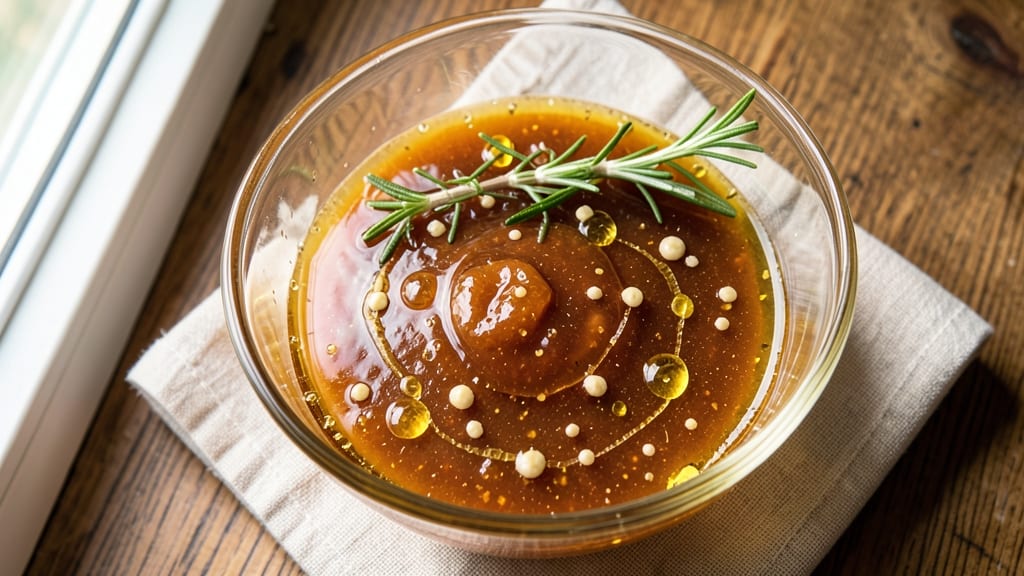
This Amish sweet and sour salad dressing recipe transforms simple pantry staples into a tangy-sweet masterpiece that elevates any dish. The secret lies in balancing apple cider vinegar’s sharpness with local honey’s warmth, creating a dressing that’s both nostalgic and refreshingly bold.
Traditional Amish ingredients like honey and vinegar form the foundation, while a touch of Dijon mustard adds depth without overpowering the natural flavors.
The magic happens in the emulsification—whisking oil and vinegar until silky smooth ensures every bite delivers that signature sweet-tart harmony. This dressing isn’t just for salads; it’s a game-changer for coleslaw, roasted vegetables, or even drizzled over grilled meats.
The recipe yields about 1 cup, perfect for meal prep or gifting in small jars.
What sets this apart is its versatility—adjust the honey-to-vinegar ratio to suit your taste, or swap apple cider vinegar for white vinegar for a lighter profile. Store it in the fridge for up to 2 weeks, where flavors deepen over time.
The result? A dressing so balanced and vibrant, it’ll make store-bought versions look like an afterthought.
Ready to elevate your meals with this homemade classic? The ingredients are minimal, the technique is straightforward, and the reward is a dressing that tastes like a taste of tradition. Let’s get started.
Ingredients for amish sweet and sour salad dressing
Nine simple ingredients blend into a nostalgic dressing that transforms salads into vibrant masterpieces.
| Ingredient | Amount | Notes |
|---|---|---|
| Apple Cider Vinegar 🍏 | ½ cup | Raw and unfiltered preferred |
| Local Honey 🍯 | ⅓ cup | Wildflower or clover variety |
| Extra-Virgin Olive Oil 🫒 | ½ cup | Light, fruity variety preferred |
| Dijon Mustard 🌶️ | 1 tbsp | High-quality, whole-grain preferred |
| Granulated Sugar 🍚 | 2 tbsp | Or substitute maple syrup |
| Salt 🧂 | ½ tsp | Diamond Crystal kosher preferred |
| Black Pepper 🌶️ | ¼ tsp | Freshly cracked for aroma |
| Garlic Cloves 🧄 | 2 cloves | Minced for subtle depth |
| Water 💧 | ¼ cup | For thinning if needed |
The apple cider vinegar should be raw and unfiltered—its cloudy appearance means more nutrients and a richer flavor. Local honey is non-negotiable here; store-bought brands often lack the depth of small-batch varieties. For the olive oil, light, fruity varieties like California Early Harvest work best—they won’t overpower the vinegar’s tang. Whole-grain Dijon mustard adds complexity without bitterness, and you’ll find it in the international aisle at most supermarkets or specialty stores like Whole Foods. If using granulated sugar, opt for organic cane sugar for a cleaner finish, though maple syrup works beautifully for a more rustic touch.
No apple cider vinegar? White vinegar or red wine vinegar will work in a pinch, though the flavor profile shifts slightly. Substitute honey with maple syrup or agave nectar—adjust to taste, as maple syrup is sweeter. For a lighter dressing, reduce the sugar to 1 tablespoon and increase the water to 0.33 cup. The garlic and black pepper are optional but recommended; they add subtle layers that elevate the dressing’s complexity. If you’re using pre-minced garlic, drain it well to avoid excess moisture in the dressing.
Store this dressing in an airtight glass jar in the refrigerator for up to 2 weeks, where the flavors deepen and meld beautifully. Shake well before each use, as the oil and vinegar will naturally separate. For gifting, portion into small amber glass bottles—they preserve the dressing’s quality longer and look elegant. If the dressing thickens over time, simply whisk in a splash of water or vinegar to restore its silky texture.
Why You'll Love This Recipe
- Here’s what sold me: the way the local honey and apple cider vinegar play off each other. It’s bright but not sharp, sweet but not cloying—like biting into a crisp apple after a drizzle of maple syrup. The Dijon mustard adds this little kick that makes it way more interesting than your basic vinaigrette.
- Five-Ingredient Magic: Honestly, I’ve made dressings that require 12 ingredients and still end up tasting like a grocery store bottle. This one? Just shake apple cider vinegar, honey, olive oil, mustard, and sugar in a jar. That’s it. No peeling garlic, no chopping herbs, no waiting for anything to cool—just open, mix, and go.
- Sweet-Tart Balance: Here’s what sold me: the way the local honey and apple cider vinegar play off each other. It’s bright but not sharp, sweet but not cloying—like biting into a crisp apple after a drizzle of maple syrup. The Dijon mustard adds this little kick that makes it way more interesting than your basic vinaigrette.
- Jar-to-Table Versatility: Between us, I keep this in my fridge for everything. Toss it with greens for a lunch salad, drizzle it over roasted veggies, or even use it as a marinade for chicken. It’s my go-to for picnics, potlucks, or just when I’m too tired to think up something fancy. (Yes, even on a Tuesday night.)
Step-by-step instructions for Amish sweet and sour salad dressing
This traditional dressing balances tangy vinegar and rich honey for a versatile homemade blend.
Combine Vinegar, Honey, and Sugar
In a medium bowl, whisk together the 0.5 cup apple cider vinegar, 0.33 cup local honey, and 2 tablespoons granulated sugar until the sugar dissolves completely. I use a wire whisk for this step to ensure everything integrates smoothly. The mixture should look like a thick, golden syrup with no visible sugar crystals remaining.
This combination creates the signature sweet-tart foundation. The raw apple cider vinegar provides that bright acidity while the wildflower honey adds depth. Let the mixture sit for 2-3 minutes while you prepare the remaining ingredients—this gives the sugar time to fully dissolve and prevents graininess in the final dressing.
Incorporate Mustard and Garlic
Add the 1 tablespoon Dijon mustard and 2 minced garlic cloves to the vinegar-honey mixture. Stir vigorously with a silicone spatula until the mustard is completely broken down and no lumps remain. The garlic should be evenly distributed throughout the dressing.
Here's the thing—the Dijon mustard acts as both an emulsifier and flavor enhancer. It helps bind the oil later and adds a subtle tang that complements the sweetness. Don't skip this step; the mustard is what gives this dressing its signature richness. If you're using whole-grain mustard, pulse it briefly in a food processor first to ensure smooth incorporation.
Gradually Add Olive Oil
With the motor running on low speed in a blender or using a hand mixer, slowly drizzle in the 0.5 cup extra-virgin olive oil while continuously blending. This gradual addition is crucial—it prevents the oil from separating and creates a stable emulsion. The dressing should begin to thicken as you add the oil.
I prefer using a blender for this step because it creates a perfectly smooth texture. If you don't have a blender, whisk vigorously for 2-3 minutes after adding all the oil. The key is patience—rushing this step will result in a dressing that separates. You're looking for a consistency similar to heavy cream, not watery but not too thick either.
Season and Thin as Needed
Add the 0.5 teaspoon salt, 0.25 teaspoon black pepper, and give the dressing one final whisk to combine. Taste and adjust seasoning if needed—you might want to add a touch more honey for sweetness or vinegar for acidity. For a thinner consistency, gradually add the 0.25 cup water one tablespoon at a time until you reach your desired thickness.
This dressing should coat the back of a spoon but still pour easily. The balance of sweet, tangy, and savory flavors should be harmonious. If you find it too thick after adding all the water, you can thin it further with a splash of water, but typically this recipe yields the perfect consistency. Let it rest at room temperature for 10 minutes before using to allow all the flavors to meld completely.
Pro Tips For Making Amish Sweet And Sour Salad Dressing
- Whisk in Stages: Don’t dump all the honey and sugar at once—start with the vinegar and mustard, then gradually add the sweeteners while tasting. This keeps the balance from getting too cloying too fast, and you’ll catch any sharpness from the apple cider vinegar before it’s masked.
- Use Warm Honey: If your honey’s thick and sluggish (especially in winter), warm it gently in a small bowl over barely simmering water for 10 seconds. It’ll blend smoother into the dressing without altering the flavor—no one wants grainy honey glops in their vinaigrette.
- Balance the Oil Last: The olive oil is the tiebreaker—add it drop by drop after everything else is mixed, tasting as you go. Too much upfront, and the tangy-sweet balance gets drowned out. (I’ve learned this the hard way after overdoing it and needing to start over.)
- Skip the Blender: This isn’t a smoothie—whisking by hand (or with a fork) gives the mustard and honey time to properly emulsify with the vinegar. Blending turns it into a paste and ruins the texture. Five minutes of elbow grease makes all the difference.
Dietary considerations for this amish sweet and sour salad dressing
Gluten-Free Adaptation
The original recipe is naturally gluten-free, but if you're using store-bought Dijon mustard, double-check the label—some brands contain traces of gluten. I recommend Annie's Organic Dijon Mustard or Maille Mustard, both of which are certified gluten-free.
The rest of the ingredients—apple cider vinegar, honey, olive oil, and spices—are inherently gluten-free. This makes the dressing perfect for those managing celiac disease or gluten sensitivities. 🌾
Vegetarian and Vegan Options
This dressing is already vegetarian, but for a vegan version, simply ensure your honey is replaced with maple syrup or agave nectar. Both substitutes work beautifully and maintain the sweet-tart balance.
The apple cider vinegar, olive oil, and Dijon mustard are all plant-based staples, so no other substitutions are needed. The flavor profile remains rich and complex, making it a versatile choice for plant-based diets. 🌱
Low-Sugar Modifications
If you're watching your sugar intake, reduce the granulated sugar to 1 tablespoon and increase the apple cider vinegar by 1 tablespoon to compensate for the lost sweetness.
You can also replace the sugar entirely with 1 tablespoon of powdered monk fruit sweetener, which dissolves easily and won’t alter the dressing’s texture. The honey provides natural sweetness, so the overall flavor remains balanced and satisfying. 🍯
Allergen-Friendly Swaps
For those with olive oil allergies, substitute with avocado oil or sunflower oil, both of which work well in emulsified dressings. If you're avoiding garlic, omit the garlic cloves entirely—the dressing will still be flavorful, though slightly milder.
For a nut-free version, ensure your honey is processed in a nut-free facility (many local beekeepers offer this option). Always check labels for cross-contamination warnings. 🚫
Keto-Friendly Adjustments
To make this dressing keto-friendly, reduce the honey to 2 tablespoons and increase the apple cider vinegar by 1 tablespoon. This keeps the sweetness in check while maintaining the tangy profile.
The Dijon mustard, olive oil, and spices are all keto-compatible, so no other changes are needed. This version pairs perfectly with low-carb salads or roasted vegetables. 🥗
Storage for Dietary Needs
For those with dietary restrictions, store this dressing in an airtight glass jar in the refrigerator for up to 2 weeks. Glass is ideal because it doesn’t absorb flavors or odors, and it’s safe for all dietary needs, including gluten-free, vegan, and keto.
If you’re prepping for multiple meals, portion the dressing into smaller jars to minimize exposure to air and extend freshness. Always shake well before using, as the oil and vinegar will naturally separate. ❄️
Nutrition facts
Frequently asked questions
Why does this dressing separate if I don't blend it properly?
Oil and vinegar naturally repel each other, so proper emulsification is key. The Dijon mustard acts as a natural emulsifier, but you must add the oil gradually while blending to create a stable mixture. If it separates, simply whisk vigorously or blend again—this dressing always comes back together!
Can I use this dressing on non-salad dishes?
This versatile dressing works beautifully on grilled chicken, roasted vegetables, or even as a marinade for pork tenderloin. The sweet-tart balance complements savory proteins perfectly, and it adds a bright finish to coleslaw or potato salad.
How do I adjust the sweetness or tanginess?
Start with small adjustments: add 1 teaspoon honey at a time for more sweetness or 1 teaspoon vinegar for extra tang. For a milder flavor, reduce the sugar to 1 tablespoon and increase the water slightly. Taste as you go—this dressing is highly customizable!
What's the best way to store leftover dressing?
Transfer to an airtight glass jar and refrigerate for up to 2 weeks. Shake well before each use, as the oil will separate. For longer storage, freeze in ice cube trays (thaw in the fridge overnight) or small portions in a freezer-safe container.
Can I make this dressing without a blender?
Yes! Whisk the oil into the vinegar mixture vigorously for 3-5 minutes until fully emulsified. For best results, add the oil in small streams while whisking continuously. If it still separates slightly, that's normal—just shake before using.