
Salads
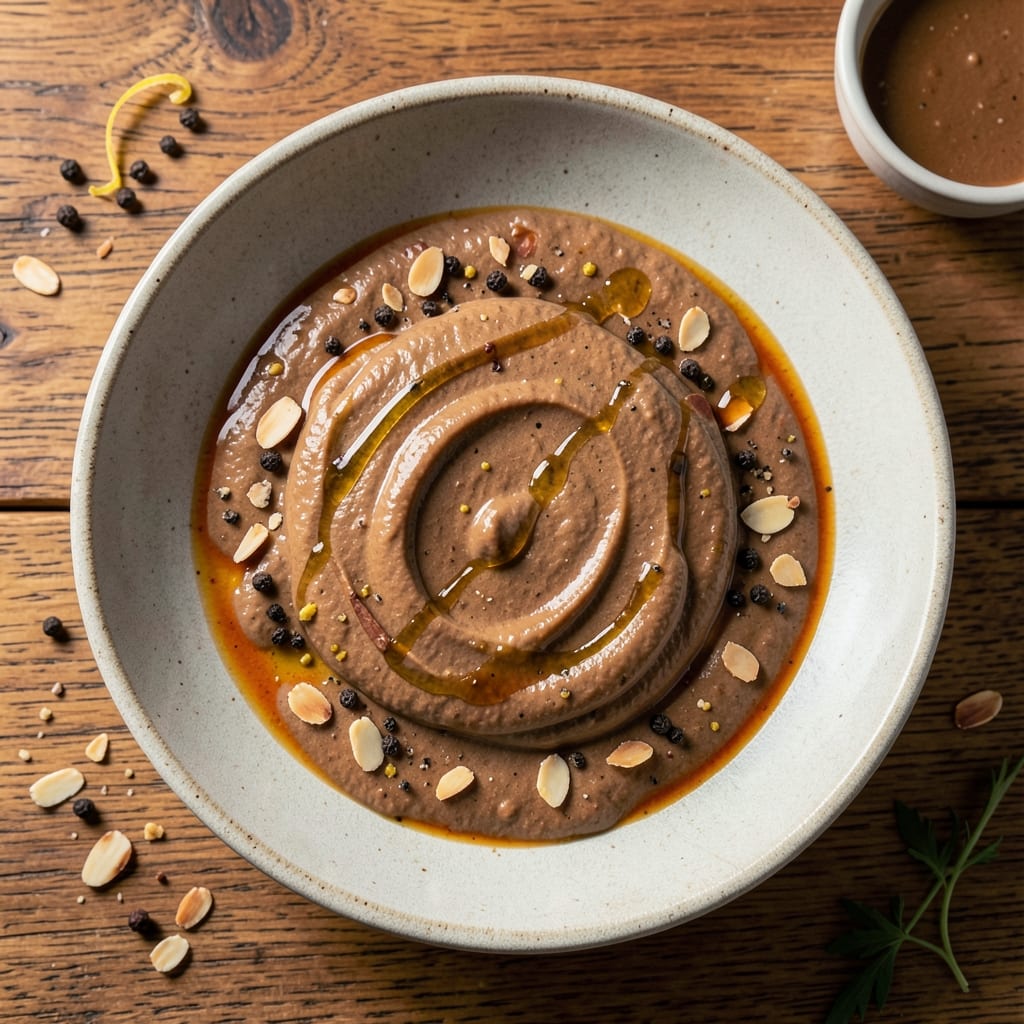
This almond salad dressing recipe transforms simple ingredients into a velvety, nutty dressing that skips mayo entirely while delivering rich, creamy texture. The secret lies in blending toasted almond butter with tangy vinegar and citrus, creating an emulsion that clings beautifully to greens without weighing them down. I developed this after craving a dressing with depth—no artificial ingredients, just pure almond flavor balanced by bright acidity.
What makes this recipe stand out is its versatility—it works equally well on kale salads, grain bowls, or as a dip for crudités. The toasted almond butter adds a subtle crunch and nutty warmth, while lemon juice and Dijon mustard create a perfect tangy contrast. Unlike traditional creamy dressings, this one stays fresh for up to a week in the fridge, making it ideal for meal prep.
The dressing comes together in just 5 minutes with a handheld immersion blender or whisk, requiring no special equipment. For a vegan version, simply swap almond butter for tahini or cashew butter while keeping the same technique. The result? A dressing that’s lighter than ranch but richer than vinaigrette, with a texture that’s impossibly smooth yet still vibrant.
Pair it with bitter greens like arugula, hearty grains like farro, or roasted vegetables for a dressing that elevates every bite. The nutty flavor also works surprisingly well on grilled chicken or fish. Let’s make this dressing—the perfect balance of creaminess and brightness without the mayo.
Ingredients for almond salad dressing
Nine simple ingredients create a creamy, nutty dressing that rivals mayo-based versions.
| Ingredient | Amount | Notes |
|---|---|---|
| Toasted Almond Butter 🥜 | ½ cup | Natural, unsweetened preferred |
| Extra-Virgin Olive Oil 🫒 | ¼ cup | Light or fruity variety |
| Fresh Lemon Juice 🍋 | 3 tbsp | From 1 medium lemon |
| Apple Cider Vinegar 🍶 | 1 tbsp | Or white wine vinegar |
| Dijon Mustard 🍯 | 1 tsp | For tangy depth |
| Pure Maple Syrup 🍁 | 1 tsp | Or agave nectar |
| Garlic Cloves 🧄 | 1 clove | Minced for subtle flavor |
| Sea Salt 🧂 | ½ tsp | Diamond Crystal preferred |
| Black Pepper 🌶️ | ¼ tsp | Freshly ground preferred |
| Water 💧 | 2 tbsp | For thinning if needed |
The almond butter is the heart of this dressing—look for natural, unsweetened varieties at stores like Whole Foods or Trader Joe's. Toasted almond butter adds depth, but raw works too if you're in a pinch. The olive oil should be extra-virgin with fruity notes—none of that bitter, cheap stuff. For the garlic, one clove is perfect, but don't skip it; it rounds out the flavors beautifully. If you're using a pre-made almond butter with additives, strain it through a fine-mesh sieve to remove any unwanted textures.
No almond butter? Tahini or cashew butter work beautifully as substitutes—they'll give a slightly different but still delicious profile. Running out of apple cider vinegar? White wine vinegar or lemon juice will work, though the flavor will shift slightly. The Dijon mustard is essential for that tangy kick, but if you're out, yellow mustard at half the amount can stand in. For a sweeter touch, honey or agave can replace the maple syrup, though maple adds a subtle complexity. The water is just for thinning if the dressing gets too thick—start with less and add gradually.
This dressing keeps beautifully in an airtight jar in the fridge for up to 7 days. The emulsion holds up well, but give it a quick shake before each use. For longer storage, freeze for up to 3 months—just thaw in the fridge and whisk to restore smoothness. I like to make a double batch because it's so versatile—use it on salads, as a dip, or even drizzle it over roasted vegetables. The flavors actually improve after a day or two as everything melds together.
Why You'll Love This Recipe
- No-Fuss Whisking: I swear by this one—just toss everything into a jar and shake. No blender, no straining, no mess. The toasted almond butter blends in like magic, and the Dijon mustard gives it that je ne sais quoi without extra effort.
- Nutty Tang Perfection: That balance? Chef’s kiss. The rich, toasty almond butter plays off the bright lemon juice, while the apple cider vinegar adds just enough bite. Drizzle it over greens, and suddenly your salad tastes like a gourmet bowl from a café—no green thumb required.
- Lunchbox Hero: Between us, this dressing is my go-to for meal prep. It keeps in the fridge for weeks (yes, really), and the flavors only get better as the almond butter mellows. Pack it in a small jar, and your kids will actually eat their veggies—no bribes needed.
- Budget Brightener: Honestly, this is my secret weapon for stretching a dollar. Almond butter and olive oil are cheaper than you’d think, and a little goes a long way. Plus, it’s way more exciting than bottled dressing, so you’ll use it up instead of letting it gather dust. Win-win.
Step-by-step instructions for almond salad dressing
This method delivers a velvety, nutty dressing with perfect balance—no mayo required.
Combine Wet Ingredients for Smooth Base
In a medium bowl, whisk together the 0.5 cup toasted almond butter and 0.25 cup extra-virgin olive oil until fully emulsified and smooth. This step is critical—take your time and whisk vigorously for 2-3 minutes until the mixture reaches a creamy, homogeneous texture. The almond butter should be completely incorporated with no visible streaks of oil.
Here's the thing—almond butter can be stubborn. If you encounter resistance, add 1 tablespoon of water and continue whisking. The goal is to create a stable base that will hold up when we add the acidic components. I like to use a fork or small whisk for this step to ensure even distribution of the nutty flavor throughout the oil.
Add Acidic Components Gradually
To the almond butter mixture, add the 3 tablespoons fresh lemon juice, 1 tablespoon apple cider vinegar, and 1 teaspoon Dijon mustard. Whisk continuously for another 1-2 minutes until fully combined. The acidity will help emulsify the dressing and prevent separation later. You'll notice the mixture lighten in color slightly as the citrus brightens the almond butter's deep brown hue.
This is where flavor balance comes into play. The lemon juice adds freshness while the vinegar provides tang. The Dijon mustard contributes depth without overpowering. Taste the mixture at this stage—it should be rich but still bright. If it tastes too heavy, we'll adjust with the remaining ingredients in the next step.
Incorporate Sweetness and Aromatics
Add the 1 teaspoon pure maple syrup, 1 minced garlic clove, 0.5 teaspoon sea salt, and 0.25 teaspoon black pepper to the bowl. Whisk for another 30 seconds to ensure even distribution of all flavors. The maple syrup will mellow out the acidity slightly while adding subtle sweetness, and the garlic will provide a savory backbone.
The minced garlic should be finely chopped—no large pieces. If you're concerned about garlic flavor being too strong, you can reduce it to ½ clove. At this point, taste again and make any final adjustments. For a thinner consistency, add the remaining 2 tablespoons water one teaspoon at a time until you reach your desired thickness. The dressing should coat the back of a spoon but still be pourable.
Final Emulsification and Resting
Transfer the dressing to a clean jar with a tight-sealing lid. Seal and shake vigorously for 10-15 seconds to ensure complete emulsification. The dressing should look smooth and homogeneous with no visible separation. Place the jar in the refrigerator and let it rest for at least 30 minutes before using—this allows all the flavors to meld together beautifully.
Real talk: The dressing will thicken slightly as it chills, which is perfect for tossing with greens. If you prefer a thinner consistency when serving, simply add 1-2 teaspoons of water and shake again before using. This dressing keeps well in the refrigerator for up to 1 week, making it perfect for meal prep.
Pro Tips For Making Almond Salad Dressing
- Whisk in Stages: Don’t dump all the almond butter in at once—start with half, then thin it with olive oil while whisking. The butter’s thickness can clump if you go too fast, and you’ll end up with grainy bits in your dressing. I learned this the hard way after scraping almond butter globs off my teeth for a week. ---
- Toast the Butter Right: Use lightly toasted almond butter (not dark roasted) for a dressing that’s nutty but not bitter. If your store-bought version tastes harsh, spread it on toast and warm it in a 300°F oven for 5–7 minutes—just until fragrant. Over-toasting kills the flavor, and you’ll regret it when the dressing tastes like burnt peanut butter. ---
- Measure Vinegar Precisely: Apple cider vinegar’s acidity varies wildly by brand. Start with 1 tablespoon, taste, then adjust in ½-teaspoon increments. I once used a splash from a "stronger" bottle and ended up with a dressing that could’ve stripped paint. When in doubt, less is safer—you can always add more. ---
- Salt the Mustard First: Mix the Dijon with a pinch of salt before adding liquids—it dissolves better and balances the almond butter’s richness upfront. Skipping this step means you’ll either missalt the whole batch or end up with clumpy mustard that refuses to emulsify. Trust me, your salad will taste more cohesive.
Pro cooking tips for this dish
Emulsification Secrets
The key to a silky almond dressing lies in proper emulsification. Start by whisking the almond butter and olive oil together until completely smooth—this creates a stable base. If the mixture separates, add 1 tbsp water gradually while whisking. For extra insurance, use an immersion blender for 10-15 seconds after combining all ingredients. This technique ensures the dressing stays creamy even after refrigeration. 🥜
Flavor Balancing
Taste as you go! The lemon juice and vinegar should brighten the almond flavor, while the maple syrup adds subtle sweetness. If it tastes too tart, add ¼ tsp more maple syrup. For extra depth, a pinch of smoked paprika works wonders. The garlic should be noticeable but not overpowering—use ½ clove if needed. This balancing act makes all the difference in flavor harmony.
Thickness Adjustments
Your dressing should coat the back of a spoon but still be pourable. If it's too thick, add water 1 tsp at a time until you reach the perfect consistency. For a thicker texture (great for dipping), chill it longer—it naturally thickens in the fridge. I like to make mine slightly thinner for salads, but thicker for dipping crudités. Always adjust gradually to avoid over-thinning.
Equipment Swaps
No whisk? No problem! A handheld immersion blender works perfectly for emulsifying. For a rustic touch, use a wooden spoon**> in a jar and shake vigorously after each addition. If you're making a large batch, a stand mixer on low speed for 1-2 minutes ensures smooth results. The goal is to break down the almond butter particles evenly throughout the oil for that creamy texture.
Storage Hacks
Store in an airtight glass jar in the fridge for up to 7 days. Before using, give it a good shake—it may separate slightly but will re-emulsify easily. For longer storage, freeze for up to 3 months. Thaw in the fridge and whisk to restore smoothness. I like to make a double batch because it's so versatile—use it on salads, as a dip, or even drizzle it over roasted veggies. The flavors actually improve after a day or two!
Vegan Adaptations
For a fully vegan version, swap the almond butter for tahini or cashew butter—they work beautifully! The technique remains the same, but tahini adds a slightly different earthy note. If using cashew butter, you might need 1 extra tbsp water to achieve the same consistency. The dressing will still hold up well in the fridge and works perfectly for vegan meal prep. 🌱
Nutrition facts
Frequently asked questions
Can I make this almond dressing without a whisk?
Use a handheld immersion blender for 10-15 seconds after combining all ingredients to create a silky texture. For a rustic approach, place ingredients in a jar with a tight lid and shake vigorously for 30 seconds after each addition. The key is thorough mixing to fully emulsify the almond butter and oil.
How do I adjust the thickness of this dressing?
Start with the recipe as written, then adjust gradually. For a thinner consistency, add water 1 teaspoon at a time until pourable. For a thicker texture (great for dipping), chill it longer—it naturally thickens in the fridge. The ideal consistency coats the back of a spoon but remains spreadable.
What's the best way to store leftover dressing?
Keep in an airtight glass jar in the fridge for up to 7 days. Before using, shake well—it may separate slightly but will re-emulsify easily. For longer storage, freeze for up to 3 months. Thaw in the fridge and whisk to restore smoothness. The flavors actually improve after 24 hours as ingredients meld.
Can I use this dressing on non-salad dishes?
Yes! This versatile dressing works beautifully on grain bowls, as a dip for crudités, or drizzled over roasted vegetables. The nutty flavor also pairs well with grilled chicken or fish. For heartier dishes, consider thinning it slightly with water or broth.
Why did my dressing separate?
Separation usually happens from insufficient emulsification or temperature changes. Fix it by whisking or shaking vigorously to re-emulsify. For prevention, ensure all ingredients are room temperature before mixing, and whisk thoroughly at each step. The dressing should remain smooth when properly made.