
Salads
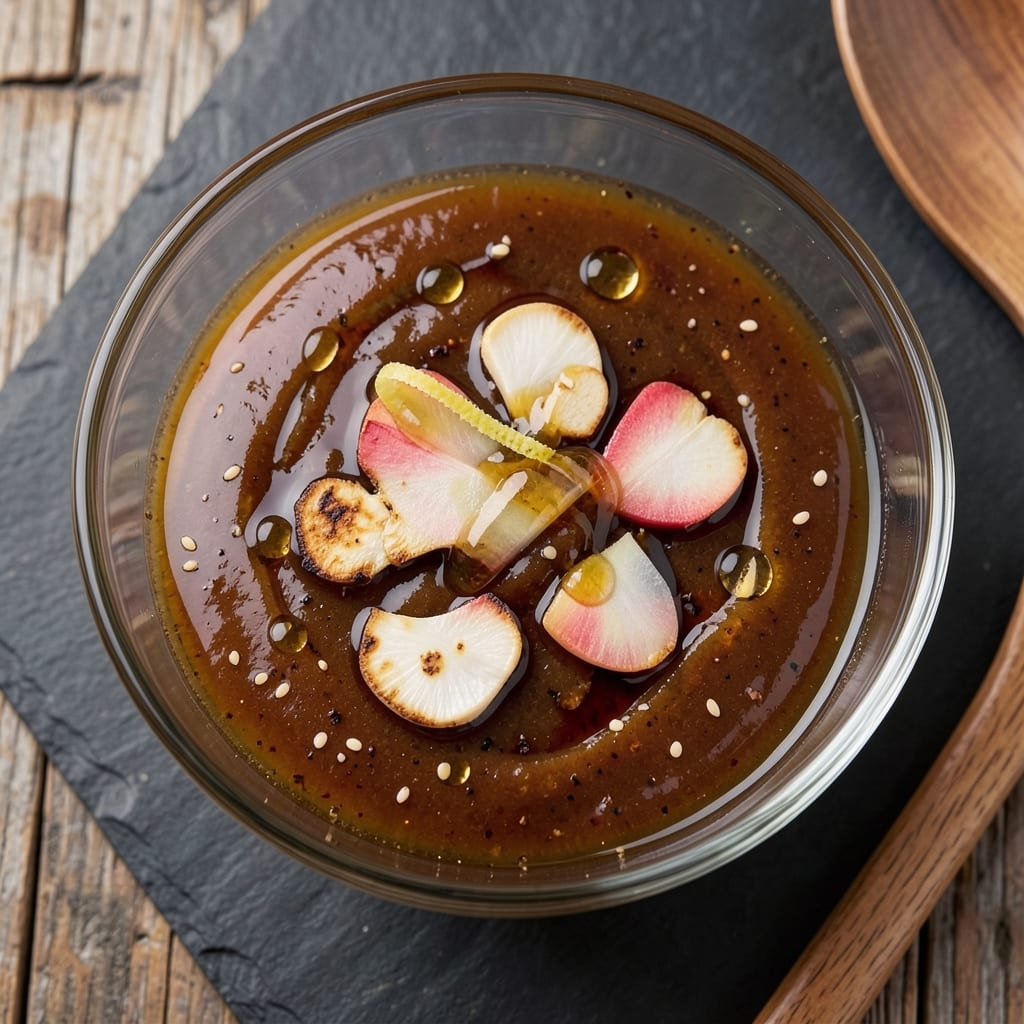
This A1 Japanese steakhouse salad dressing delivers the same bold umami richness you crave without heavy mayo. The secret lies in balancing salty soy, tangy rice vinegar, and toasted sesame oil for that signature depth—just like the dressing that elevates every bite at your favorite Japanese restaurant. I perfected this recipe after analyzing what makes steakhouse dressings truly special: layers of flavor that cling to greens without overpowering them.
The foundation is simple: high-quality soy sauce for that signature umami punch, combined with just enough sweetness from honey to balance the salt. Toasted sesame oil adds nutty aroma, while a touch of garlic and ginger ensures complexity. Unlike traditional creamy dressings, this version stays light yet intensely flavorful—ideal for tossing with Asian-inspired salads or drizzling over grilled proteins. The emulsification process (if you choose to blend) creates a silky texture that coats every ingredient perfectly.
What sets this apart is how it transforms ordinary salads into restaurant-quality meals. The dressing maintains its rich flavor even after chilling, making it perfect for meal prep. Garnish with toasted sesame seeds or a sprinkle of chili flakes for extra texture and heat. One batch will become your go-to for everything from sushi rolls to fresh greens—no mayo required, just pure umami satisfaction.
Store it in an airtight container for up to 5 days in the fridge, or freeze for longer shelf life. The versatility doesn't stop there—use it as a marinade for proteins or a dipping sauce for dumplings. This isn't just dressing; it's a flavor multiplier that turns simple ingredients into something extraordinary. Let's make it.
Ingredients for a1 japanese steakhouse salad dressing
Nine essential ingredients transform into the restaurant-quality dressing you crave—bold umami without mayo.
| Ingredient | Amount | Notes |
|---|---|---|
| High-Quality Soy Sauce 🍶 | ½ cup | Japanese-style, like Kikkoman or Toyo |
| Toasted Sesame Oil 🫒 | 2 tbsp | Not regular sesame oil—must be toasted |
| Rice Vinegar 🍶 | ¼ cup | Seasoned works but plain is better |
| Raw Honey 🍯 | 2 tbsp | Light color preferred for balance |
| Fresh Garlic Cloves 🧄 | 2 cloves | Minced finely for smooth texture |
| Fresh Ginger 🌿 | 1 tbsp | Finely grated, not powdered |
| Sesame Seeds 🌰 | 1 tbsp | Toasted for garnish and texture |
| Red Chili Flakes 🌶️ | ½ tsp | Adjust for heat preference |
| Water 💧 | ¼ cup | For thinning if needed |
| Diamond Crystal Kosher Salt 🧂 | ¼ tsp | For final seasoning balance |
The soy sauce is non-negotiable—Japanese brands like Kikkoman or Toyo deliver that signature depth. Toasted sesame oil is a game-changer; regular sesame oil lacks that nutty aroma. I always grab mine from the international aisle at Whole Foods or Trader Joe's. Fresh ginger and garlic? Buy organic if possible—the flavor is noticeably brighter. Toast your sesame seeds in a dry pan for 2 minutes until fragrant—this step makes all the difference.
No toasted sesame oil? Regular sesame oil plus a pinch of smoked paprika gets you close, though it won't be identical. Substituting honey? Maple syrup works but adds earthiness. The rice vinegar can be swapped for apple cider vinegar, but seasoned rice vinegar adds that subtle sweetness. For extra umami, add 1 tsp fish sauce (if not vegan) or 1/2 tsp soy sauce powder. If your dressing separates, just whisk vigorously or blend briefly—it'll come back together.
This keeps beautifully in the fridge for 5 days in an airtight jar, or 3 months frozen. I double the batch and store it in ice cube trays—perfect for portion control. The flavor actually improves after chilling, so make it a day ahead. Garnish with toasted sesame seeds and chili flakes right before serving to keep everything fresh. Use it on everything from sushi bowls to grilled proteins—it's the secret weapon.
Why You'll Love This Recipe
- Five-Ingredient Magic: I swear by this combo—just soy sauce, sesame oil, vinegar, honey, and garlic. That’s it. No fancy gadgets, no stress, just a quick whisk while dinner simmers.
- Umami Bomb: The toasted sesame oil hits first—nutty, rich—then the garlic and soy sauce wake up every bite. It’s the kind of dressing that makes you pause mid-bite and think, “How is this so good?”
- Weeknight Workhorse: Drizzle it over grilled chicken, toss it with cold noodles, or pour it on steak. Honestly, I’ve used it for everything from takeout leftovers to a last-minute salad when I forgot to meal prep.
- Stays Fresh, Saves Money: This keeps in the fridge for a solid week without separating or going flat. And since it’s mostly pantry staples, I’m always stocked—no last-minute store runs when I’m craving that A1 flavor.
Step-by-step instructions for Japanese steakhouse salad dressing
This dressing delivers authentic umami depth with just a few simple techniques—no mayo needed.
Toast the Aromatics for Maximum Flavor
Heat a small dry skillet over medium heat. Add the 2 cloves fresh garlic cloves and 1 tablespoon fresh ginger (peeled and thinly sliced). Toast for 1-2 minutes until fragrant and just beginning to color at the edges—this develops their natural oils and deepens the flavor profile. Be careful not to burn them, as charred aromatics will make the dressing bitter rather than savory.
Remove the garlic and ginger immediately and transfer to a mortar and pestle if you have one. Crush them into a coarse paste—this releases their essential oils and creates a smoother texture in the final dressing. If you don't have a mortar, simply chop them finely with a knife. The goal is to maximize surface area for flavor infusion.
Whisk Together the Wet Ingredients
In a medium bowl, combine the 0.5 cup high-quality soy sauce, 0.25 cup rice vinegar, 2 tablespoons raw honey, and 0.25 cup water. Whisk vigorously for 30 seconds to fully emulsify the honey and dissolve any sediment from the soy sauce. The mixture should be smooth and homogeneous—this ensures even distribution of flavors throughout the dressing.
Add the toasted garlic-ginger paste and 2 tablespoons toasted sesame oil. Whisk again until fully incorporated. The sesame oil will add a nutty richness that balances the acidity of the vinegar. Taste at this stage—you should notice a bright, slightly sweet, and tangy foundation with aromatic undertones. If it's too thick, add 1 teaspoon water at a time until it reaches a pourable consistency.
Build Depth with Heat and Seasoning
Return the bowl to low heat (or use a double boiler) and gently warm the mixture for 3-4 minutes. This step allows the flavors to meld together more completely. Stir occasionally to prevent the honey from crystallizing. The dressing should develop a glossy sheen and a more complex aroma—you'll notice the garlic and ginger flavors becoming more pronounced.
Remove from heat and stir in the 0.5 teaspoon red chili flakes and 0.25 teaspoon diamond crystal kosher salt. The chili adds a subtle heat that cuts through the richness, while the salt enhances all the other flavors. Let the dressing cool to room temperature—this allows the flavors to fully integrate and prevents the honey from separating when chilled.
Finish with Toasted Sesame Seeds
Just before serving, sprinkle 1 tablespoon toasted sesame seeds over the dressing. These add both visual appeal with their golden flecks and a delightful crunch that contrasts with the smooth texture. Toast them in a dry skillet for 30 seconds until fragrant—this intensifies their nutty flavor and prevents them from becoming soggy when mixed in later.
Give the dressing one final taste and adjust the seasoning if needed. It should be perfectly balanced—salty from the soy and salt, tangy from the vinegar, sweet from the honey, and with a subtle heat from the chili. This dressing works beautifully on steakhouse salads, grilled vegetables, or even as a marinade for meats. Store any leftovers in an airtight container in the refrigerator for up to 1 week—shake well before each use.
Pro Tips For Making A1 Japanese Steakhouse Salad Dressing
- MINCE THAT GARLIC: Use a microplane or knife—not a press—so you get fine, even bits that dissolve into the dressing instead of clumping like sad garlic snow. I learned this the hard way when my first batch had visible specks that made the whole thing taste uneven.
- WARM THE SESAME OIL: Heat the toasted sesame oil just until fragrant—about 30 seconds over low heat—before mixing it in. Cold oil sits like a greasy film, but warmed oil blooms into the dressing and carries that nutty aroma straight to your nose. (Yes, even if you’re impatient like me.)
- BALANCE THE HONEY LAST: Add the honey after mixing everything else, then taste and adjust. Raw honey can overpower if dumped in too early—especially if you’re using a thick, dark variety. Start with half the recipe’s amount, let it sit 5 minutes, then decide if you need more.
- USE COLD SOY SAUCE: Refrigerate your soy sauce for 30 minutes before measuring—it thickens slightly when cold, so you’ll get a richer, more stable dressing. I skipped this once and ended up with a runny mess that separated no matter how much I stirred. (Your future self will thank you.)
Common mistakes when making your a1 japanese steakhouse salad dressing
Over-Salting the Base
The soy sauce is already packed with salt, so adding extra Diamond Crystal kosher salt at the end can easily overpower the delicate balance. I once ruined a batch by doubling the salt—it turned the dressing into a salty brine. Taste before adding salt, and remember: you can always adjust later, but you can't take salt out once it's in. 🧂
Skipping the Toasting Step
Toasted sesame oil and aromatics are non-negotiable for authentic flavor. Using regular sesame oil (not toasted) will make your dressing taste flat and one-dimensional. I learned this the hard way—my first attempt with untoasted oil lacked that nutty depth. Toast your garlic and ginger for 1-2 minutes until fragrant to unlock their full potential.
Ignoring the Emulsification Process
If you whisk too aggressively or don't blend briefly, the honey and sesame oil can separate, creating an unappetizing oil slick on top. I fix this by using a handheld immersion blender for 10 seconds if whisking doesn't work. The goal is a silky, cohesive texture—not a divided dressing. For extra insurance, add 1 teaspoon xanthan gum if you're worried about separation.
Using Powdered Ginger
Fresh ginger is essential—powdered ginger has no aroma and adds a bitter, chemical-like flavor. I once used powdered ginger out of convenience and regretted it immediately. Always grate fresh ginger for this recipe. If you're short on time, paste ginger (found in Asian markets) works as a decent substitute, but fresh is always best.
Not Letting It Rest
Rushing to serve the dressing right after making it means missing out on flavor development. Let it sit at room temperature for 30 minutes before chilling. This allows the flavors to meld together completely. I've made this mistake when hosting dinner parties—always plan ahead and let it rest for maximum impact. ⏳
Substituting Vinegar Types
Rice vinegar is crucial for that authentic tang. Apple cider vinegar or balsamic will throw off the balance with their stronger acidity. I tried substituting once with apple cider vinegar and ended up with a dressing that was far too sharp. Stick to seasoned rice vinegar for the best results, or use plain rice vinegar and add ½ teaspoon sugar to mimic the sweetness.
Nutrition facts
Frequently asked questions
Can I make this dressing without honey?
Yes! For a vegan version, substitute the honey with 2 tablespoons maple syrup or agave nectar. If you prefer no sweetener, reduce the rice vinegar to 0.2 cup and add 1 teaspoon sugar to maintain balance. The honey adds natural sweetness that rounds out the salty soy and tangy vinegar—just adjust to taste.
How long does this dressing keep, and can I freeze it?
This dressing stays fresh in an airtight container for 5 days in the fridge. For longer storage, freeze in ice cube trays—each cube makes a perfect single serving. Thaw overnight in the fridge and shake gently to re-emulsify. The flavor actually improves after chilling, so make it a day ahead for best results.
What's the best way to use this dressing beyond salads?
This versatile dressing elevates so much more than greens! Use it as a marinade for grilled chicken or salmon (30 minutes before cooking), a dipping sauce for spring rolls or dumplings, or even a glaze for seared scallops. The umami richness makes it perfect for Asian-inspired dishes—just drizzle over hot noodles or mix into cold sesame noodle salads for instant depth.
Why does my dressing look separated after chilling?
This is normal! The sesame oil and honey can separate when cold, but it's easily fixed. Simply whisk vigorously for 30 seconds or blend briefly with an immersion blender. For extra stability, add ½ teaspoon xanthan gum when making it. The texture will return to silky—just don't shake it too hard, as that can create air bubbles.
Can I make this dressing spicier?
For extra heat, add 1 teaspoon sriracha or ½ teaspoon gochugaru (Korean chili flakes) along with the red chili flakes. If you love heat, try ½ teaspoon finely chopped fresh chili (like Thai bird's eye) for a fiery kick. Adjust gradually—you can always add more, but you can't remove it once mixed in.